
Baking Soda for Water Stains Easy Fix That Works
Baking soda can help remove fresh water stains when the mark is mineral residue or light surface buildup. It is a useful first try, but etched glass, heat-set stains, and damaged finishes usually need another solution.
Baking soda can help lift many fresh water stains, especially when the mark is caused by mineral residue rather than permanent damage. It is a simple, budget-friendly first step, but it works best when you match the method to the surface and the type of stain.
- Best use: Fresh mineral stains on fabric, tile, sinks, and some upholstery respond well to gentle.
- Main limit: Baking soda cannot fully fix etching, heat-set stains, or finish damage.
- Safe method: Use a small amount, test a hidden area, and avoid soaking delicate surfaces.
- Common risk: Too much scrubbing or water can spread the stain and leave residue behind.
What Baking Soda Can and Can’t Do for Water Stains
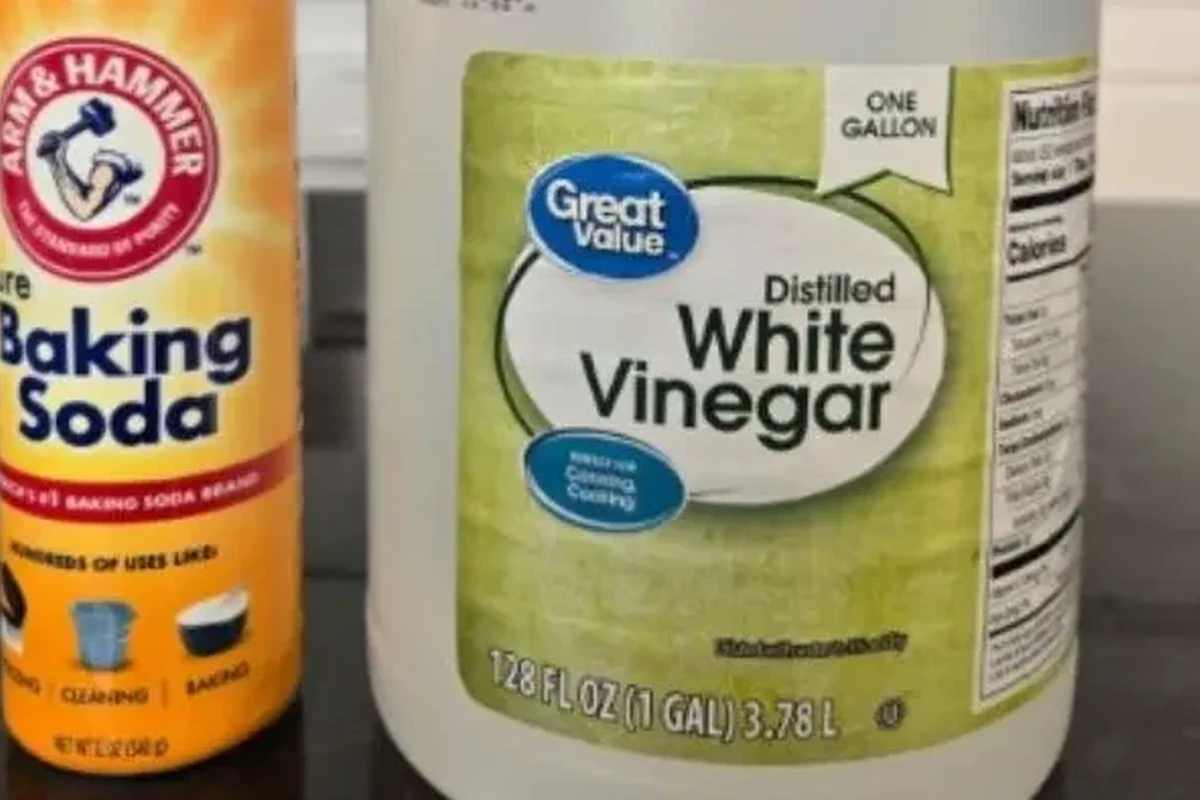
Water stains are not all the same, which is why baking soda works well in some situations and barely helps in others. A light ring on fabric, a chalky hard-water mark on tile, or a fresh spot on upholstery may respond well, while etched glass or a heat-set wood ring often needs a different fix.
On fabric and clothing, water stains usually show up as a tide line, faint discoloration, or a mineral edge after the water dries. On wood, the problem may be moisture trapped in the finish or a cloudy ring in the coating. On glass, bathroom fixtures, and sinks, the issue is often hard-water buildup, which is a surface deposit rather than true staining.
That difference matters because baking soda is best at loosening residue and gently scrubbing away what is sitting on top of the surface. It is less effective when the stain has already bonded with the material, changed the finish, or left behind permanent damage. If you want a broader background on how this ingredient behaves in cleaning, our guide to baking soda in laundry benefits explains why it is often used as a mild booster in routine care.
How water stains differ on fabric, upholstery, wood, glass, and bathroom surfaces
Fabric and upholstery usually absorb moisture, so the stain may be from dirt, minerals, or uneven drying. Wood is more delicate because the finish can trap moisture or react to heat and water, which creates cloudy rings or white spots.
Glass, tile, and sinks are usually easier to clean because the stain is often mineral buildup on the surface. Bathroom surfaces can also collect soap film, so a stain may actually be a mix of hard-water residue and soap residue.
Why baking soda works better on fresh mineral marks than set-in damage
Fresh mineral marks have not had much time to harden or bond, so a gentle paste can loosen them before they become stubborn. Set-in damage, by contrast, may have already etched the surface, faded a dye, or altered a finish.
In practical terms, the sooner you treat the spot, the better your chances. Once the stain has dried repeatedly or been exposed to heat, the result may improve only slightly.
How Baking Soda Removes Water Stains: The Cleaning Science
Baking soda works because it brings together three useful cleaning traits: it absorbs moisture, provides very mild abrasion, and helps reduce odor. It is not a heavy-duty solvent, but it can be enough for everyday residue on the right surface.
Baking soda is mildly alkaline, which helps it loosen some grime and mineral residue without the harshness of stronger cleaners.
Absorption, mild abrasion, and odor control explained in plain terms
When you make a paste, baking soda can absorb some moisture from the stain area and help draw out surface residue. Its tiny particles also provide gentle scrubbing action, which is useful when you need to lift a film without scratching too hard.
The odor-control benefit is secondary here, but it can matter on upholstery, carpets, and clothing that have sat damp for too long. If the stain came with a musty smell, baking soda may help the area smell cleaner after treatment.
When the stain is mineral buildup versus when it is dye transfer or etching
Mineral buildup usually feels chalky, looks cloudy, or wipes away in small amounts. Dye transfer is different because the color has moved into the material, so baking soda will not fully reverse it.
Etching is even more limiting. If the surface has been physically altered, especially glass or polished stone, cleaning may improve the appearance but not restore the original finish.
Best Baking Soda Methods for Common Water Stain Surfaces
The safest method depends on the surface. A paste that works on a cotton shirt can be too wet for a sofa cushion and too abrasive for a polished wood table.
Fabric and clothing: paste, spot treatment, and rinse timing
For fabric, mix baking soda with just enough water to make a thick paste, about the texture of soft toothpaste. Apply it only to the stained area and work it in lightly with a fingertip or soft cloth.
Let it sit briefly, then rinse or blot before it dries completely. If the fabric is washable, follow with a normal wash cycle and check the spot before putting it in the dryer, because heat can lock in some stains.
Upholstery and carpets: low-moisture application and blotting technique
Upholstery and carpet should be treated with very little moisture so you do not spread the stain deeper into the fibers. Sprinkle a small amount of baking soda, mist lightly if needed, and press gently with a clean cloth rather than scrubbing hard.
Blot from the outside of the spot toward the center to keep the stain from growing. If the mark is still visible after drying, repeat with a fresh cloth and a lighter touch.
Wood furniture: careful use on rings, spots, and finish-sensitive surfaces
Wood needs extra caution because the finish can be dull, soft, or damaged already. Use a barely damp baking soda paste and test it in a hidden area first, especially on polished, painted, or antique furniture.
For white rings or cloudy spots, work gently and stop if the finish starts to look thinner or uneven. If the wood is already compromised, more rubbing can make the surface look worse rather than better.
Glass, tile, and sinks: safe scrubbing for hard-water residue
On glass, tile, and sinks, baking soda can be used as a soft scrub for hard-water residue. Make a loose paste, apply it to the deposit, then rub with a damp microfiber cloth or non-scratch sponge.
Rinse well so no powdery film stays behind. This is especially important on dark tile or polished fixtures, where residue can look like a new stain.
Step-by-Step Application Guide for a Reliable Result
Good results usually come from using less product than you think you need. A thin, even layer is easier to control and less likely to leave residue.
- Check the surface type and finish
- Test a hidden spot first
- Gather a soft cloth and clean water
- Work with good lighting so you can see residue
Mixing ratios, texture cues, and how much to use for each stain size
For a small stain, start with a spoonful of baking soda and add water drop by drop until it forms a paste. For a larger area, make a little more, but keep the texture thick enough to stay in place.
If the mixture runs, it is too wet. If it crumbles and will not spread, it is too dry. The goal is a spreadable paste that clings without dripping.
Apply a tiny amount in a hidden area and wait for the surface to dry so you can check for dulling or discoloration.
Cover only the stain, using the smallest amount that gives full contact with the mark.
Wipe, blot, or rinse depending on the surface, then reassess before repeating.
How long to leave it on before wiping, rinsing, or repeating
There is no single time that works for every surface, because moisture and finish matter more than the clock. In many cases, a short wait is safer than leaving the paste on until it dries hard.
If the stain improves after one round, stop there. Repeating too many times can create residue buildup or wear on delicate finishes.
Tools that help: microfiber cloths, soft brushes, bowls, and spray bottles
Microfiber cloths are useful because they lift residue without much abrasion. Soft brushes help on textured tile or carpet, while a spray bottle is handy when you need only a light mist.
Keep separate cloths for dirty and clean steps so you do not spread mineral residue around the room. A small bowl also makes it easier to control the paste texture.
Common Mistakes That Make Water Stains Worse
Most problems come from using too much liquid, too much pressure, or too much hope on a surface that needs a different approach. Baking soda is gentle, but gentle does not mean risk-free.
- Spot-test first
- Use a small amount of paste
- Blot and rinse carefully
- Soaking the area
- Scrubbing hard on finishes
- Leaving powdery residue behind
Using too much water and spreading the stain
Extra water can push the stain outward and make the ring larger. On upholstery and carpet, it can also drive residue deeper into the fibers.
Use only enough moisture to activate the paste or dampen the cloth. If the area starts to look wetter than the stain itself, pause and blot dry.
Scrubbing too aggressively on delicate finishes
Hard scrubbing can remove finish, fuzz fabric, or leave visible dull patches. This is one of the fastest ways to turn a small water stain into a larger repair job.
Let the paste do the work first. If you need more cleaning power, repeat gently rather than pressing harder.
Leaving residue behind on dark fabrics or polished surfaces
Baking soda dust can show up as a pale film on dark cloth, black tile, or shiny furniture. That film may look like a new stain even after the original mark is gone.
Always wipe or rinse thoroughly and inspect in good light. A dry microfiber cloth can help remove the final haze.
Testing too late instead of spot-checking first
Waiting until after a full application is risky because some finishes react slowly. A hidden test spot is the simplest way to avoid surprise damage.
This matters most with wood, upholstery dyes, polished stone, and specialty fabrics. When in doubt, test first and wait for the area to dry before deciding.
When Baking Soda Is the Wrong Fix
Some water stains are really surface damage, not removable residue. In those cases, baking soda may only improve the look a little, or not at all.
Heat-set stains, etched glass, and damaged finishes that need another approach
Heat-set stains on fabric can become more permanent after drying or laundering, especially if the item went through a hot dryer. Etched glass is a physical change to the surface, so no cleaner can fully restore it.
Wood finishes that have lifted, cracked, or whitened from moisture may need refinishing rather than cleaning. If the surface feels rough or looks permanently cloudy, baking soda is not the main solution.
Situations that call for vinegar, dish soap, or a specialty cleaner instead
Sometimes the problem is soap film, greasy residue, or heavy mineral buildup, and a different cleaner may work better. A mild dish soap solution can help with oily grime, while a specialty hard-water cleaner may be more effective on heavy deposits.
Vinegar is often mentioned for mineral buildup, but it should be used carefully because it can damage some surfaces, especially natural stone and certain finishes. For more on the reaction people often pair with cleaning, see our guide to baking soda and vinegar reaction.
Signs the stain is permanent and what the realistic outcome looks like
If repeated gentle treatment does not change the mark, the stain may be permanent or the finish may be damaged. At that point, the realistic goal is improvement, not perfection.
On some surfaces, that may mean reducing the visibility of the ring, not removing it completely. On others, such as etched glass, the only real fix may be repair or replacement.
Safety, Storage, and Surface Care Tips
Cleaning is safer and more effective when you protect both the surface and yourself. That means testing first, using light pressure, and keeping water away from areas that should stay dry.
Patch-testing on hidden areas before full application
Patch-testing is the best way to check for color change, dulling, or texture damage. Pick a hidden corner, apply a tiny amount, and wait for it to dry fully before judging the result.
This is especially important on dyed fabric, painted wood, and polished finishes. A good test spot can save a visible repair later.
Protecting skin, eyes, and surrounding finishes during cleaning
Baking soda is generally mild, but dust can still irritate eyes or skin if you handle a lot of it. Keep the area ventilated and avoid leaning directly over a dry powder cloud.
Keep cleaning products away from food-prep surfaces, rinse hands after use, and never mix random cleaners together unless the label says it is safe.
How to store baking soda and keep it dry for cleaning use
Store baking soda in a sealed container in a dry place so it stays fresh and free-flowing. A clumpy box is harder to measure and less pleasant to use for spot cleaning.
If you keep a separate box for cleaning, label it clearly so it is never confused with baking supplies. That simple habit helps avoid cross-use in the kitchen.
Final Verdict: Is Baking Soda for Water Stains Worth Trying?
Yes, baking soda for water stains is worth trying when the stain is fresh, mineral-based, and on a surface that can handle gentle cleaning. It is a smart first step for fabric, upholstery, tile, sinks, and some wood-finish spots, but it is not a cure-all.
For homeowners and renters, the best approach is simple: test first, use a small amount, and stop if the surface starts to dull or the stain does not respond. If the mark is etched, heat-set, or finish damage, move to a stronger method or a repair option instead of repeating the same treatment.
Baking soda is a low-cost, low-risk cleaner for many fresh water stains, especially mineral residue on hard surfaces and light marks on washable materials. It is most effective when you act early and least effective when the stain has already become permanent damage.
—
Frequently Asked Questions
Yes, it can help with fresh mineral marks and light residue. It works best when you treat the spot early and use a gentle paste or light blotting method.
Sometimes, but only with care. Test a hidden area first and use a very small amount, because too much moisture or scrubbing can dull the finish.
Often yes, especially on tile, sinks, and some glass surfaces. It can help loosen chalky residue, but heavy buildup may need a specialty cleaner.
It may help with light spots if you use very little moisture. Blot gently and avoid soaking the fabric, because excess water can spread the stain.
The mark may be permanent, etched, or caused by dye transfer instead of mineral residue. At that point, a different cleaner or a repair method may be needed.
Keep it sealed and dry so it stays clump-free and easy to use. If possible, store a separate box for cleaning so it is not mixed with food-use baking soda.
