
Baking Powder and Baking Soda Different Explained Simply

Baking soda needs an acid to work, while baking powder already contains its own acid for rising. Use the recipe’s ingredients and desired texture to choose the right one.
People often ask what “baking powder and baking soda different” really means, and the short answer is simple: they are both leaveners, but they work in different ways. Knowing which one a recipe needs can make the difference between a flat bake and one with good rise, even crumb, and the right flavor.
- Baking soda: Works best when the recipe already includes acidic ingredients.
- Baking powder: Brings built-in acid, so it rises more reliably in neutral batters.
- Texture clue: Soda often supports spread and browning; powder often supports taller, softer bakes.
- Substitution warning: They are not 1:1 interchangeable without changing the recipe balance.
What “Baking Powder and Baking Soda Different” Really Means in Everyday Baking
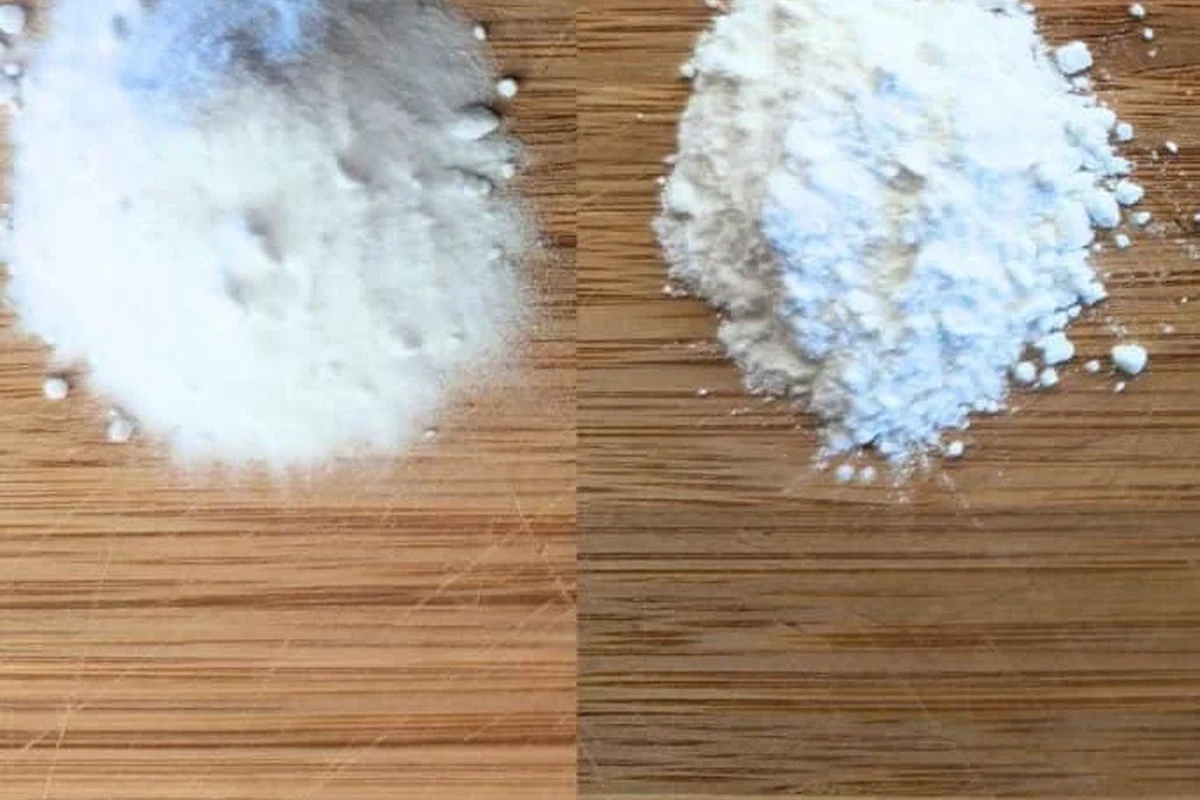
Baking soda and baking powder are easy to mix up because they both help batter rise. In practice, though, they are not interchangeable, and the recipe’s ingredients tell you which one belongs there.
Why these two leaveners are often confused in home baking
They look similar, sit near each other in the pantry, and are both used in small amounts. That makes them easy to swap in a hurry, especially when a recipe name is not clear about why it chose one over the other.
Home bakers also see similar results at first: bubbles, puff, and a lighter texture. The difference shows up later in the final crumb, spread, browning, and taste.
The simple chemistry behind lift, spread, and browning
Baking soda is sodium bicarbonate. It needs an acid and moisture to create carbon dioxide gas, which expands in the oven and helps the batter rise. It also raises pH, which can increase browning and change flavor.
Baking powder already contains an acid plus baking soda, so it can make gas on its own once liquid is added and heat activates it. That built-in acid makes it more reliable in recipes that do not have enough natural acidity.
How the wrong choice changes texture, flavor, and rise
Using baking soda in a batter with too little acid can leave a soapy, bitter taste and a darker, sometimes coarse crumb. Using baking powder where baking soda was needed may give lift, but the texture can be softer, paler, and less browned than intended.
If you want a deeper comparison, see our guide on is baking soda and baking powder the same and our practical article on can you use baking soda instead of baking powder safely.
Baking soda can help cookies brown faster because alkaline dough encourages browning reactions, but too much can also create a sharp, unpleasant taste.
How Baking Soda Works: When an Acid Is Required
Baking soda is powerful, but it is not a complete leavener by itself. It needs an acidic ingredient to react properly, and that reaction starts as soon as the wet ingredients come together.
What baking soda is and why it needs acidic ingredients
Baking soda is a base. In a batter, it reacts with acid and moisture to release carbon dioxide, which creates lift. Without enough acid, some of the soda may remain unreacted and affect flavor and color.
This is why baking soda is often used in recipes that already include acidic dairy or fruit ingredients. The recipe is designed so the soda both leavens and balances acidity.
Common acid partners: buttermilk, yogurt, vinegar, citrus, molasses, brown sugar, cocoa
Classic acid partners include buttermilk, yogurt, sour cream, vinegar, lemon juice, orange juice, molasses, brown sugar, and natural cocoa powder. Each one brings a slightly different level of acidity and flavor, so the recipe writer chooses the amount carefully.
For example, a chocolate cake with natural cocoa may use baking soda because cocoa and an acidic liquid help drive the reaction. A pancake batter with buttermilk often uses baking soda for the same reason.
What happens when there is not enough acid in the batter
If the batter does not have enough acid, the soda may not fully react. That can leave a metallic or soapy taste, a yellowish or overly dark crumb, and a texture that seems oddly coarse or dry.
Baking soda and vinegar reaction explained simply is a helpful way to understand the gas-producing side of the reaction, but in baking the goal is controlled lift, not a dramatic foam.
Too much baking soda can make baked goods taste harsh and can leave an alkaline aftertaste. If a recipe seems to rely on soda without enough acid, do not assume more soda will improve the rise.
How Baking Powder Works: Built-In Acid for Reliable Rising
Baking powder is the easier choice when a recipe needs lift but does not contain enough acid to activate baking soda. It is formulated to rise more predictably, which is why it appears often in cakes, muffins, and quick breads.
Single-acting vs. double-acting baking powder
Single-acting baking powder releases gas as soon as it gets wet, so the batter must go into the oven quickly. Double-acting baking powder releases some gas when mixed and more gas when heated, which gives home bakers a little more working time.
Most modern grocery-store baking powders are double-acting, but formulas can vary by brand. If performance matters, check the package label rather than assuming every product behaves the same.
Why baking powder is used in recipes with little or no natural acid
Many vanilla cakes, biscuits, and plain muffins do not contain enough acidic ingredients to trigger baking soda. Baking powder solves that problem by supplying both the base and the acid in one ingredient.
That makes it a dependable option when the recipe needs lift without a tangy flavor. It is especially useful in batters where the baker wants a clean taste and even rise.
How baking powder affects volume, tenderness, and timing
Baking powder helps batters rise in a more balanced way, which can support a tender crumb and a taller profile. Because it creates gas more predictably, it is often chosen for cakes and muffins that need steady oven spring rather than strong spread.
Timing still matters. If a batter sits too long before baking, some of the gas can escape, and the final result may be lower than expected.
When a recipe uses baking powder, mix the batter just until combined and get it into the oven promptly. That helps preserve the gas that creates rise.
Ingredient Roles in Real Recipes: When One Works Better Than the Other
The best way to choose between baking soda and baking powder is to look at the whole recipe, not just the ingredient name. The right leavener depends on acidity, desired texture, spread, and how quickly the batter will be baked.
Cookies, cakes, muffins, pancakes, and quick breads as practical examples
Cookies often use baking soda when the baker wants more spread and a deeper browned flavor. Cakes and muffins often use baking powder when the goal is a taller, softer crumb.
Pancakes may use either one, depending on whether the batter includes buttermilk or another acid. Quick breads can use baking soda, baking powder, or both, especially when the recipe needs both lift and controlled browning.
Recipes that rely on browning and spread versus recipes that need tall lift
Chocolate chip cookies often benefit from baking soda because it encourages spread and browning. A delicate vanilla layer cake usually benefits more from baking powder because it needs volume without too much spread.
This is also where pan size and oven calibration matter. A batter that rises beautifully in one oven may dome differently in another if the temperature runs hot or the rack is too close to the top element.
How to read a recipe’s ingredient list for clues before baking
Look for acidic ingredients such as yogurt, buttermilk, sour cream, citrus juice, vinegar, molasses, honey, or natural cocoa. If those appear in meaningful amounts, baking soda may be part of the formula.
If the recipe is mostly neutral ingredients like flour, butter, sugar, eggs, and milk, baking powder is more likely to be the main leavener. For more ingredient-based troubleshooting, the article on does baking soda expire and when to replace it can also help when rise is weak for no obvious reason.
Often suit baking soda because the dough may include acidic cocoa or brown sugar and benefits from spread and browning.
Often suit baking powder because they usually need lift without adding tang or extra acidity.
Measuring and Substituting Without Ruining the Batter
Leaveners are small ingredients, but small changes can have a big effect. A teaspoon swap is not automatically safe just because both ingredients create bubbles.
Why teaspoons are not interchangeable in a 1:1 swap
Baking soda is much stronger than baking powder, and baking powder contains extra ingredients beyond the soda itself. Replacing one teaspoon with another can change not only the amount of gas, but also the acidity and overall balance of the batter.
A 1:1 swap may also change saltiness, flavor, and how quickly the batter rises. That is why recipes should be followed closely unless you understand the full formula.
How to judge whether a recipe can tolerate a substitution
Ask whether the recipe already contains enough acid to support baking soda, or whether it needs the built-in acid of baking powder. Also consider whether the bake depends on strong browning, a tender crumb, or a tall, cake-like rise.
If the recipe is forgiving, a careful substitution may work with adjustments to acid, liquid, or timing. If the recipe is delicate, such as a sponge-like cake, changing the leavener can alter the result too much.
What happens when you use too much baking soda or too much baking powder
Too much baking soda can create a bitter, soapy, or metallic taste and can make the crumb look overly brown or even slightly yellow-green in extreme cases. Too much baking powder can give a chemical aftertaste and may cause the batter to rise fast, then collapse.
Both mistakes can also affect structure. A cake may look tall in the oven but sink as it cools if the gas production outruns the batter’s ability to set.
The cake rose quickly, then sank in the center.
Check whether too much baking powder was used, whether the batter sat too long, or whether the oven temperature was too low to set the structure in time.
Common Mistakes That Cause Flat, Bitter, or Gritty Bakes
Most leavener problems are not dramatic. They usually show up as a batter that seems weak, a crumb that tastes off, or a texture that is denser than expected.
Old or expired leaveners and how to spot weak performance
Baking soda and baking powder both lose strength over time, especially if exposed to moisture or heat. If a recipe that normally rises well suddenly turns flat, old leavener is one of the first things to check.
Weak performance may look like a batter that barely bubbles, a finished bake with little lift, or a texture that feels heavy despite correct mixing. If you suspect age, replace the ingredient rather than trying to compensate with extra amount.
Overmixing, delayed baking, and moisture issues
Overmixing can build too much gluten in wheat-based batters, making the crumb tough even if the leavener worked. Delaying baking after mixing can let gas escape before the oven sets the structure.
Moisture also matters. In a humid kitchen, powders can clump, and in a very wet batter the timing of the reaction can shift enough to affect rise.
Signs of too much alkalinity, metallic taste, or pale crumb
If a bake tastes sharp, soapy, or metallic, the formula may contain too much baking soda or too little acid. If the crumb is paler than expected and the texture seems soft but underdeveloped, the recipe may have relied on the wrong leavener for the job.
For a related pantry check, our guide on baking soda product quality and freshness can help you think about brand consistency, though the recipe formula still matters most.
- Baking soda gives strong browning and can support spread.
- Baking powder gives more predictable rise in neutral batters.
- Baking soda can taste harsh if the recipe lacks acid.
- Baking powder can leave a chemical note if too much is used.
Storage, Freshness, and Safety for Home Bakers in 2026
Good storage helps both ingredients work when you need them. Clean handling also matters because leaveners are dry pantry ingredients that can pick up moisture, odors, or contamination if stored carelessly.
Best storage conditions for baking soda and baking powder
Keep both in tightly closed containers in a cool, dry pantry away from steam, heat, and strong odors. Baking powder is especially sensitive to moisture, so avoid storing it near the stove or dishwasher vent.
Baking soda is more stable, but it can still absorb odors from the pantry. A sealed container helps keep it fresh for baking and prevents clumping.
How long they usually stay effective and when to replace them
There is no single universal shelf life that fits every brand and storage condition, so always check the package date and the manufacturer’s guidance. If a leavener no longer performs in a freshness test or your baked goods keep turning flat, replace it.
For a deeper look at shelf life, see does baking soda expire and when to replace it. Baking powder should also be replaced if it has been open a long time or stored in a damp kitchen.
Simple freshness tests and handling tips for a tidy, safe pantry
A simple test for baking soda is to add a little vinegar or lemon juice; it should fizz quickly. For baking powder, add hot water and look for active bubbling. These tests do not guarantee perfect baking, but they can help spot a dead container.
Use clean, dry measuring spoons and avoid dipping into a container with wet hands. This helps prevent clumping and keeps the ingredient from degrading early.
Keep leaveners away from children’s reach if they are stored near other powders or cleaning products. Baking soda is food-safe, but it should never be confused with nonfood chemicals in the pantry.
How to Decide Which Leavener to Use: A Simple Final Recap
The easiest way to remember the difference is to match the leavener to the recipe’s acid level and the texture you want. That is the most practical answer to baking powder and baking soda different in real home baking.
Choose baking soda when the recipe includes enough acid
Use baking soda when the batter includes buttermilk, yogurt, sour cream, citrus, vinegar, molasses, natural cocoa, or another acidic ingredient that can activate it. This choice often supports stronger browning and a slightly more open texture.
Choose baking powder when the recipe needs built-in rising power
Use baking powder when the recipe has little or no natural acid and needs reliable lift. This is the safer default for many cakes, muffins, and plain batters where you want a steady rise and a clean flavor.
Use the ingredient list, desired texture, and troubleshooting clues to make the final call
Read the ingredient list first, then think about the finish you want: more spread and browning, or more height and tenderness. If a bake goes wrong, look at freshness, measurement, oven temperature, mixing, and timing before changing the recipe again.
In other words, the two ingredients are related, but they are not the same tool. Once you understand how each one works, you can choose with confidence and avoid the most common flat, bitter, or dense results.
- Check whether the recipe includes acidic ingredients.
- Measure leaveners carefully with level spoons.
- Confirm your baking powder is fresh and dry.
- Mix and bake without unnecessary delay.
Choose baking soda when the recipe has enough acid to activate it, and choose baking powder when the recipe needs built-in lift. The ingredient list, the expected texture, and the freshness of your pantry staples should guide the final decision.
Frequently Asked Questions
Sometimes, but not as a simple 1:1 swap. Baking soda needs acid to work, so you would usually need to adjust the recipe’s acidic ingredients too.
It is usually not a direct swap either. Baking powder contains extra acid and starch, so the amount and the recipe balance change.
Too much baking soda is a common cause. It can leave an alkaline taste if the recipe does not have enough acid to neutralize it.
Old leavener, overmixing, or delayed baking can all cause weak rise. Oven temperature and pan size can also affect how well the batter sets.
Mix a little with hot water and look for active bubbling. If it barely reacts, replace it.
Keep them sealed in a cool, dry pantry away from steam and odors. Moisture can reduce performance, especially for baking powder.