
Baking Soda Paste for Poison Ivy Relief That Works
Baking soda paste may ease mild poison ivy itch for a short time, but it is not a cure. Use it only on small intact areas and stop if the rash worsens.
Baking soda paste for poison ivy is a simple home remedy people still reach for when the itch starts driving them crazy. It may offer short-term comfort for mild, localized rashes, but it is not a cure and it should not replace proper poison ivy care when symptoms are severe.
- Best use: Mild, localized itching on intact skin.
- Main limit: It does not remove urushiol or cure the rash.
- Mixing rule: Keep the paste plain, smooth, and only as thick as needed.
- Safety rule: Avoid broken skin, face/eye areas, and fragranced add-ins.
- Next step: Seek care if swelling, spreading, or infection signs appear.
What Baking Soda Paste for Poison Ivy Is and Why People Still Use It in 2026
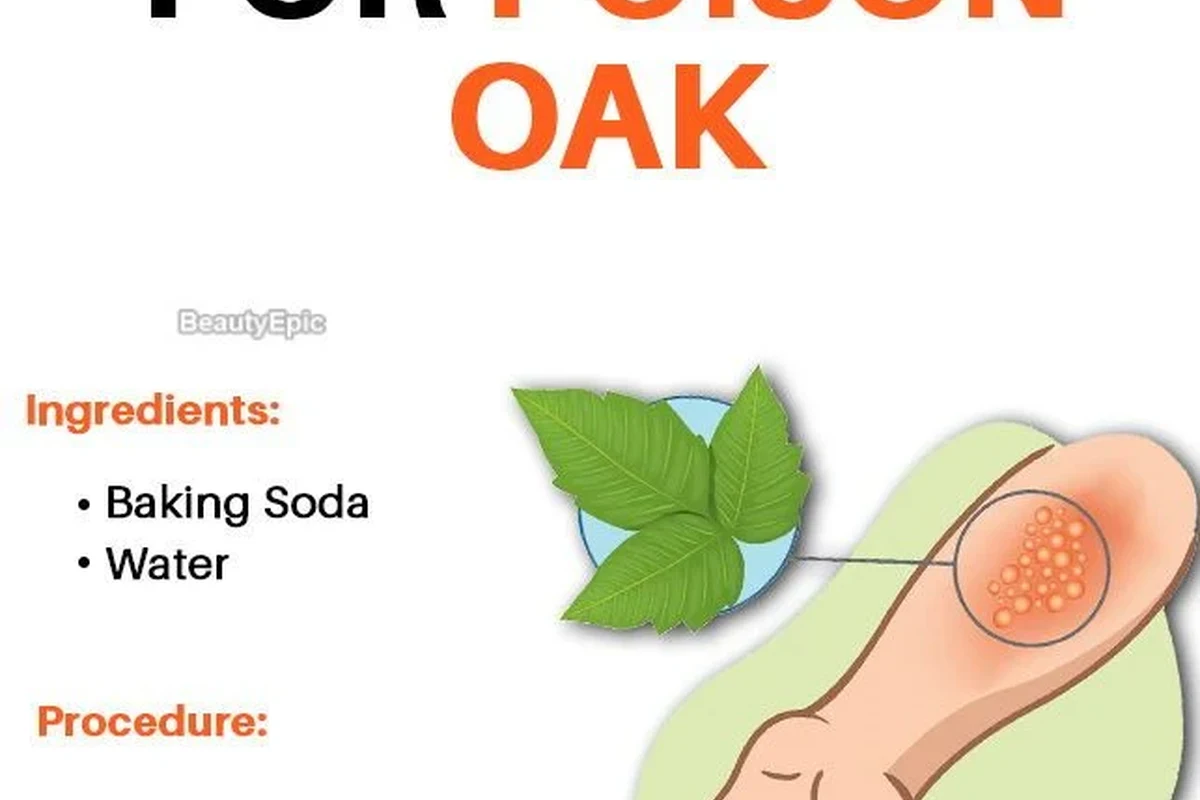
Baking soda paste is exactly what it sounds like: baking soda mixed with a small amount of water until it forms a soft paste that can be spread on the skin. People use it because it is inexpensive, easy to make, and already in many kitchens, much like the way some home cooks keep a few basic ingredients on hand for quick fixes such as baking soda and baking powder basics or knowing when baking soda is still fresh.
How the paste is supposed to help with itch, moisture, and skin comfort
The idea is that baking soda may temporarily reduce the feeling of itch by changing the surface environment on the skin and by drying out some of the moisture around a weepy rash. The paste can also create a thin, cool layer as the water evaporates, which may feel soothing for a short time.
That said, the comfort comes from temporary symptom relief, not from removing the poison ivy oil itself. The rash is triggered by urushiol, the plant oil that causes the reaction, and that oil has to be washed off early to lower the chance of more spreading.
Poison ivy rash is an allergic skin reaction, so the goal is usually to calm the skin and avoid further exposure, not to “draw out” the rash with a paste.
What this remedy can and cannot do compared with modern poison ivy care
Baking soda paste may help with mild itch for a little while, but it cannot neutralize urushiol already absorbed into the skin. It also cannot prevent infection if the rash has been scratched open, and it will not replace treatments recommended by a clinician for severe inflammation.
Modern poison ivy care usually focuses on washing exposed skin with soap and cool water as soon as possible, avoiding re-exposure, using soothing topical products, and getting medical help when the rash is widespread or severe. If you want to compare it with other household comfort methods, the logic is similar to choosing the right cleaning approach for a delicate job: the mildest effective option is often the safest one, especially when the skin is already irritated.
- Easy to mix with common kitchen ingredients
- May give short-term itch relief for mild rashes
- Does not require strong fragrances or harsh additives
- Can dry or sting irritated skin if overused
- Does not remove urushiol from the body
- Not suitable for every rash location or severity level
How to Make Baking Soda Paste Safely for Poison Ivy Relief
Keep the mix simple. The fewer ingredients you use, the lower the chance of adding something that irritates the rash further.
Simple ingredient ratio, texture, and the right water-to-baking-soda balance
A practical starting point is about 3 parts baking soda to 1 part water, then adjusting slowly until the texture becomes spreadable. You want a paste that holds together on a spoon but still glides onto the skin without crumbling.
Step-by-step mixing method for a smooth, spreadable paste
Put a small amount in a clean bowl. Start small so you do not make more paste than you need.
Stir in a few drops at a time. Stop when the mixture becomes thick, smooth, and easy to spread.
Break up any dry clumps with the back of the spoon. A smooth texture is less likely to scratch the skin.
Apply a thin layer to the affected area and discard leftovers after use.
Common mistakes that make the paste too abrasive, too runny, or too drying
Too much baking soda can make the paste gritty and uncomfortable, especially on skin that is already inflamed. Too much water turns it into a drip-prone slurry that does not stay where you put it, which makes it harder to control and easier to spread onto healthy skin.
Another common mistake is leaving the paste on until it dries hard and flakes off. That can feel tight and irritating, especially if the rash is already cracked or very dry.
Do not use scented lotions, essential oils, alcohol, or exfoliating scrubs in the paste. Those extras can make poison ivy irritation worse instead of better.
When Baking Soda Paste May Help and When It Should Be Avoided
This remedy is best viewed as a comfort measure, not a treatment for every case. The right choice depends on where the rash is, how swollen it is, and whether the skin is broken.
Best use cases for mild itching, localized irritation, and short-term comfort
Baking soda paste may be most useful when the rash is small, the itching is mild to moderate, and the skin is intact. It can be a reasonable short-term option for an arm, calf, or other small spot that just needs calming while you wait for the rash to settle.
If you are also trying to reduce general household irritants while you recover, keeping the area clean and avoiding friction matters as much as the paste itself. The same careful, low-force approach that helps with baking soda cleaning in the home applies here: gentle is better than aggressive.
Situations where broken skin, severe swelling, or facial exposure need different care
Avoid baking soda paste on broken, blistered, or heavily scratched skin because it may sting and delay comfort. It should also be used cautiously or avoided on the face, near the eyes, or on very sensitive areas where irritation can escalate quickly.
If the rash is affecting the eyes, genitals, or large parts of the body, home remedies are not enough. In those cases, a clinician may recommend stronger treatment, and you should not rely on a kitchen remedy alone.
Signs that a rash is worsening and needs medical attention
Get medical advice if the rash is spreading rapidly, swelling is severe, or you notice pus, increasing pain, fever, or red streaks. These can be signs of infection or a more serious reaction.
You should also seek care if the itching is intense enough to interfere with sleep or if the rash does not improve after a few days of careful home care. When in doubt, official guidance from recognized health sources is more reliable than internet myths.
Wash your hands after handling poison ivy exposure, and clean any tools or bowls that touched the paste. Urushiol can linger on surfaces and transfer back to skin.
How to Apply Baking Soda Paste Without Irritating the Rash Further
Application matters as much as the ingredients. A thin, careful layer is usually better than a thick mask, which can trap heat and make the area feel tighter as it dries.
Patch testing, application thickness, and how long to leave it on
Before using the paste on a larger area, test a tiny amount on a small patch of unaffected skin if you are prone to sensitivity. If it burns, becomes very red, or stings strongly, stop using it.
Apply only a thin layer over the itchy spot. Leave it on briefly, then rinse off with cool water if the skin feels dry, tight, or more irritated; there is no benefit to forcing it to stay on once comfort drops.
Skin reactions vary by person and by rash severity. What feels soothing on one small spot may feel too drying on another, especially in hot weather or after sweating.
Rinsing, drying the area, and what to do after removal
After removal, rinse gently with cool or lukewarm water and pat the area dry with a clean soft towel. Do not rub, because friction can trigger more itching and can break fragile skin.
Once dry, keep the area clean and avoid tight clothing that traps heat or rubs the rash. If needed, a cool compress can provide a milder follow-up than repeatedly applying more paste.
Practical examples for arms, legs, and small affected spots
For a small patch on the forearm, a pea-sized amount spread thinly is usually enough. For a spot on the lower leg, use just enough to cover the rash without coating the surrounding skin.
For clusters of small spots, treat one area at a time instead of covering a large section all at once. That makes it easier to watch for irritation and to rinse off quickly if the skin starts to feel uncomfortable.
- Use a clean bowl and spoon
- Apply a thin layer only
- Rinse off if it stings or dries too much
- Scrubbing the rash
- Leaving the paste on cracked skin for long periods
- Adding perfume, vinegar, or essential oils
Ingredient Roles and Safety Considerations for Skin Use
Kitchen ingredients are not automatically skin-safe just because they are common. Baking soda is mild in baking and cleaning, but skin is a different surface with a different tolerance.
Why baking soda is used, and why overuse can disrupt skin comfort
Baking soda is used because it is alkaline and can temporarily alter the surface feel of the skin. That may help with itch for some people, but repeated use can strip away comfort by making the area feel drier and more sensitive.
Think of it like using too much of a strong ingredient in a delicate recipe. A little can help the result, but too much throws off the balance and leaves the final outcome worse.
Water quality, clean tools, and avoiding contamination of the rash
Use clean water and clean utensils so you do not introduce bacteria to already irritated skin. If the bowl or spoon has old residue on it, wash it before mixing the paste.
Do not dip fingers directly into the container if you have touched poison ivy, because that can contaminate the paste and spread the urushiol to other parts of the body or to household surfaces. The same caution applies to towels, washcloths, and clothing that may have contacted the plant.
Why mixing in oils, acids, or fragranced products can backfire
It may be tempting to “improve” the paste with vinegar, lemon juice, essential oils, or scented lotions, but those additions often do more harm than good. Acids can sting, oils can trap residue, and fragrance can irritate inflamed skin.
If you want a gentler support method, keep the mixture plain and pair it with cool compresses, loose clothing, and careful washing. For comparison, baking soda can be useful in home care, but it behaves very differently depending on the job, as shown in articles like baking soda and vinegar reaction basics and hydrogen peroxide and baking soda uses.
Comparing Baking Soda Paste with Other Poison Ivy Relief Options
Baking soda paste is only one tool in the comfort toolkit. Depending on the rash, another option may work better and irritate the skin less.
How it stacks up against calamine lotion, cool compresses, and colloidal oatmeal
Calamine lotion is often used for drying and soothing weepy spots, while cool compresses can calm heat and reduce the urge to scratch. Colloidal oatmeal is another common option for itch because it is designed to be gentle on inflamed skin.
Baking soda paste may be easier to make in a pinch, but it is not always the most skin-friendly choice. If your skin is already dry or cracked, a softer option like a cool compress may be a better first step.
When an oral antihistamine or steroid treatment may be more appropriate
If itching is keeping you awake, an oral antihistamine may help some people, though it does not treat the rash itself. For more severe poison ivy, a clinician may consider steroid treatment, especially when there is major swelling or widespread involvement.
Because these are medical decisions, they should be guided by a qualified health professional. Over-the-counter products and prescription options can vary in suitability based on age, other medications, and overall health.
Choosing the right option based on itch severity and rash spread
For a small, localized rash, baking soda paste may be worth trying once or twice as a short-term comfort measure. For a rash that is spreading, blistering, or affecting sensitive areas, a more established treatment plan is usually the safer route.
If you are deciding between home remedies, start with the least irritating option and watch the skin closely. That same practical mindset is useful in many kitchen decisions, including choosing the right low-risk method for a task instead of reaching for the strongest one first.
Storage, Cleanup, and Household Use After Treatment
Cleanup matters because poison ivy oil can spread long after the outdoor exposure is over. A careful cleanup routine protects your skin and the rest of the household.
Why fresh paste is better than storing leftovers for later use
Fresh paste is the safest choice because it reduces the chance of contamination from dirty tools, hands, or the environment. Leftover paste may also dry out, become gritty, or pick up debris that makes it less comfortable on the skin.
If you need a second application, mix a new small batch. That is usually easier than trying to revive old paste with more water.
Safe cleanup for bowls, spoons, and sink surfaces after mixing
Wash the bowl and spoon with soap and water right away. Clean the sink area too, especially if you touched the paste after handling contaminated clothing or garden tools.
Use disposable paper towels if you are worried about spreading residue, then wash your hands thoroughly. If the rash came from outdoor work, launder clothing separately and clean any reusable gloves or tools according to the item’s care instructions.
How to avoid spreading urushiol from clothing, hands, and tools
Urushiol can stay on surfaces and fabrics, so the clean-up step is part of the treatment. Avoid touching your face, phone, towels, or bedding until you have washed your hands and changed out of exposed clothing.
This is one reason poison ivy care is as much about prevention as relief. If the oil remains on skin or objects, the rash can seem to “come back,” when in reality the exposure never fully ended.
- Wash exposed skin with soap and cool water if exposure was recent
- Use a clean bowl, spoon, and fresh water
- Apply only to mild, localized rash areas
- Stop if the skin stings, cracks, or worsens
- Seek medical help for severe swelling, face involvement, or infection signs
Final Verdict: Is Baking Soda Paste for Poison Ivy Relief Worth Trying?
Baking soda paste for poison ivy is worth trying only as a short-term comfort step for a mild, small-area rash on intact skin. It is inexpensive and easy to make, but its benefits are limited and it can become too drying if you use it too often or leave it on too long.
Best-case benefits, realistic limitations, and who is most likely to notice relief
People most likely to notice relief are those with a small itchy patch who need something mild while they wait for the rash to settle. The best-case outcome is temporary soothing, not a cure.
If you are sensitive to drying ingredients, have scratched skin, or have a rash that is spreading, this remedy may not be the right fit. In those cases, a cooler, gentler option or a professional treatment plan is usually more appropriate.
What to do next if the paste does not help or the rash becomes more severe
If the paste does not help within a short time, stop using it and switch to a gentler comfort method like a cool compress. If symptoms worsen, spread, or involve the face or eyes, contact a healthcare professional promptly.
For poison ivy, the smartest approach is simple: wash early, avoid re-exposure, use the mildest soothing option that does not irritate the skin, and get medical help when the rash is more than a minor nuisance.
Baking soda paste can offer modest, short-lived itch relief for a mild poison ivy rash, but it is not a strong treatment and it is not right for every case. Use it carefully, keep it plain, and move to medical care if the rash spreads or becomes severe.
Frequently Asked Questions
Mix baking soda with a small amount of clean water until it becomes a smooth paste. Start thick, then add water slowly so it is spreadable without turning runny.
Yes, it can if the skin is broken, very irritated, or sensitive to drying ingredients. Stop using it if it stings, burns, or makes the rash feel tighter.
Leave it on only briefly and rinse it off if the skin starts to dry out or feel uncomfortable. There is no need to force it to stay on for a long time.
It is better to avoid using it near the eyes or on the face unless a clinician says it is appropriate. Facial rashes can become more serious and need gentler care.
Cool compresses, calamine lotion, and colloidal oatmeal are often gentler options. More severe cases may need medical treatment instead of home remedies.
Get help if the rash is spreading quickly, very swollen, infected, or affecting sensitive areas like the face or eyes. Fever, pus, or red streaks also need prompt attention.
