
Vinegar and Baking Soda for Stains That Really Work
Vinegar and baking soda can help with fresh, light, and odor-related stains, but it is not strong enough for every mess. Use it carefully, test first, and switch to a targeted cleaner when the stain is set or delicate.
Vinegar and baking soda for stains can help with fresh messes, light surface residue, and some odor-related cleanup, but it is not a cure-all. Used the right way, it can be a simple, budget-friendly option for laundry, carpets, and hard surfaces.
- Best use: Fresh spills, light residue, and odor cleanup on compatible surfaces.
- Main limit: It is weak on deep, oily, protein, and dye stains.
- Best method: Apply in sequence or in small amounts, not as a big pre-mixed batch.
- Safety first: Spot test fabrics and avoid vinegar on natural stone.
- Next step: Use enzyme cleaners, oxygen bleach, or professional help for stubborn stains.
What Vinegar and Baking Soda Can Actually Remove — and What They Can’t
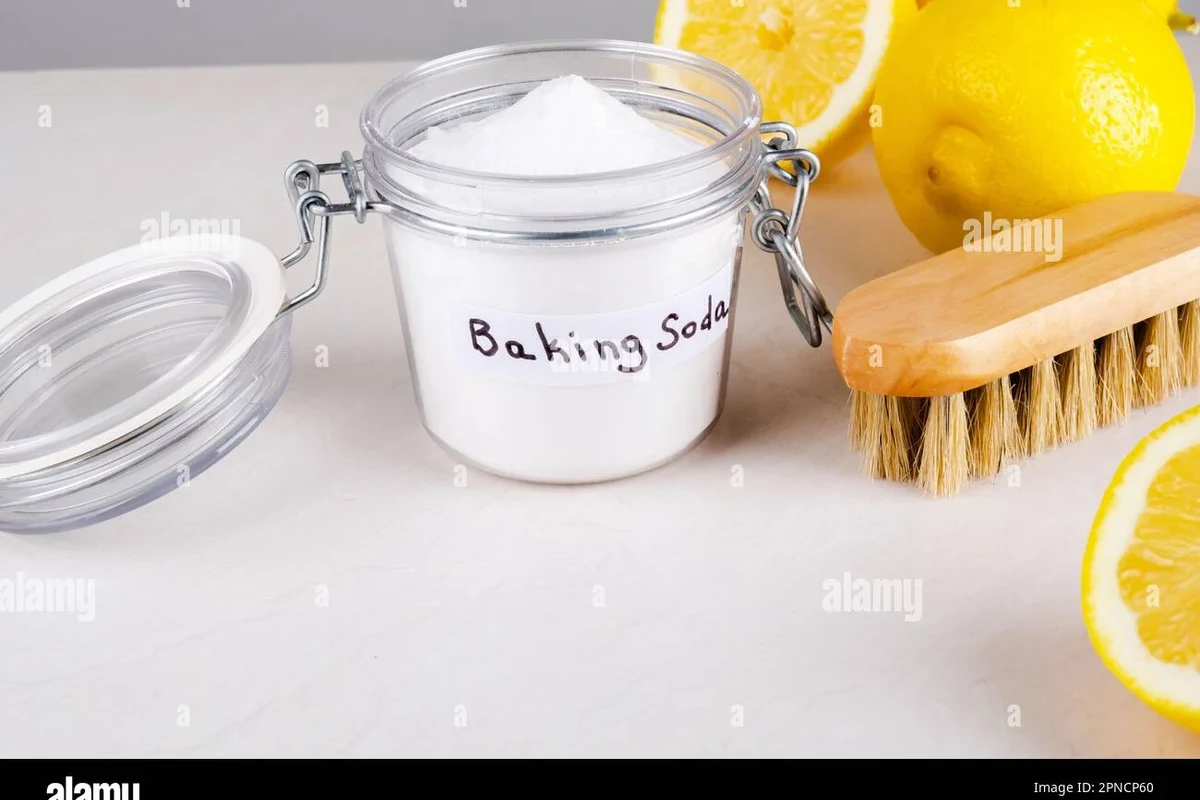
The big mistake with vinegar and baking soda for stains is expecting it to work on every mark. It is best for loosening grime, reducing odors, and lifting light residue that has not bonded deeply into a fabric or finish.
If you want the science behind the fizz itself, our baking soda vinegar reaction explained simply article covers why the mixture bubbles and what that means in the home. For stain care, the important part is not just the reaction, but how and where you apply it.
Best stain types for this method: fresh spills, deodorizing residue, and light surface marks
This method tends to do best on fresh spills that have not dried fully, especially on washable surfaces. It can also help with deodorizing residue, soap film, and light marks on counters, sinks, tubs, and some fabrics.
On laundry, it may help with dingy spots that are still loose on the surface. On carpets and upholstery, it is more useful for blotting and lifting than for deep stain removal.
Stains to avoid: protein, dye, oil, and delicate-fabric discoloration
Do not rely on this method for protein stains such as blood, egg, or dairy, because those often need cold water and a targeted cleaner. It is also a poor choice for dye transfer, set-in colored stains, oily spots, and discoloration on delicate fabrics.
Some stains need enzyme cleaners, oxygen bleach, or professional care. If a mark is old, dark, or already heat-set, vinegar and baking soda for stains may only lighten it slightly or not at all.
- Use the method on fresh, light, or odor-related stains.
- Blot first, then treat gently.
- Test a hidden spot before full use.
- Expecting it to remove every stain type.
- Scrubbing delicate fibers aggressively.
- Using it on unknown finishes without testing.
How the Vinegar-and-Baking-Soda Reaction Works on Stains
Baking soda is mildly abrasive and alkaline, while vinegar is acidic. When they meet, they fizz and create carbon dioxide bubbles, which can help loosen debris from a surface.
The cleaning benefit comes mostly from the ingredients themselves and from the mechanical action of bubbling and wiping, not from a magical “super cleaner” effect. That is why timing and surface choice matter so much.
Why bubbling helps lift debris without “cancelling out” the cleaning action
People often worry that mixing vinegar and baking soda cancels both out. In a strict chemical sense, they react and become less acidic and less alkaline than they were separately, but the process still creates movement that can help lift loose grime.
That said, if you want the strongest cleaning effect, many jobs work better when you use one first and the other second. For example, baking soda can help with light scrubbing, while vinegar can help break down mineral film or odor residue.
The fizz is useful for loosening soft buildup, but it does not replace the need to blot, rinse, or wipe away residue.
When to use vinegar first, baking soda first, or both in sequence
Use vinegar first when you are dealing with mineral buildup, soap scum, or odor-prone residue on hard surfaces. Use baking soda first when you want a gentle dry scrub or need to absorb moisture from a fresh spill.
Use both in sequence when you want a light one-two approach: apply one, allow it to work briefly, then follow with the other and wipe clean. For a deeper kitchen cleanup, some readers also pair this with our baking soda vinegar cleaning ovens guide for oven-safe methods and limits.
Step-by-Step Stain Removal for Common Household Surfaces
The safest way to use vinegar and baking soda for stains is to match the method to the surface. Different materials absorb moisture differently, and too much liquid can spread the stain instead of lifting it.
Clothing and washable fabrics: pre-treating, blotting, rinsing, and checking before drying
For clothing, start by blotting away as much of the spill as possible. If the stain is still fresh, sprinkle baking soda lightly on the area or make a thin paste with a little water, then let it sit briefly before rinsing.
If odor or residue remains, dab a small amount of diluted vinegar on the spot, then rinse again. Always check the garment before it goes into the dryer, because heat can set many stains permanently.
Never machine-dry stained clothing until you are sure the mark is gone. Dryer heat can lock in discoloration and make later cleaning much harder.
If you are dealing with laundry in general, it can help to compare this approach with other stain strategies in our baking soda in laundry benefits article. That is especially useful when the issue is odor, dingy buildup, or routine wash support rather than a single visible stain.
Carpets and upholstery: spot testing, controlled application, and moisture limits
For carpets and upholstery, always spot test in a hidden area first. Apply a small amount of solution to a cloth rather than pouring directly onto the fabric, then blot the stain gently from the outside inward.
Use only enough moisture to dampen the area, not soak it. Too much liquid can drive the stain deeper into the padding or backing, which makes the problem harder to remove and can create a lingering smell.
When cleaning upholstery or carpet, use a well-ventilated area and keep pets and children away until the spot is dry and residue has been removed.
Hard surfaces like counters, sinks, and tubs: safe contact time and wiping methods
On hard surfaces, sprinkle baking soda on the mark, mist or dab with vinegar, and let the fizz do the light loosening work. Then wipe with a damp cloth and rinse the area so no gritty residue remains.
Do not let liquid sit too long on finishes that are sensitive to acid. For most routine cleanup, a short contact time and a thorough wipe are safer than a long soak.
Measuring the Right Amounts and Timing the Process
More is not better with this method. A small, controlled amount usually works better than a large foamy pile that disappears before it has time to help.
Use baking soda first when you need gentle abrasion or odor absorption on a fresh spot.
Use vinegar first when you need to loosen mineral film, soap residue, or hard-surface buildup.
Practical ratios for small spots versus larger treated areas
For a small spot, start with a light sprinkle of baking soda and just enough vinegar to create a brief fizz. For a larger area, work in sections instead of making one big batch, so the reaction stays useful while you clean.
A paste made with baking soda and a little liquid can be easier to control on vertical surfaces. A spray bottle of diluted vinegar can also help you apply the acid more evenly without flooding the area.
Think in small batches. Freshly mixed ingredients are more useful than a bowl of dead foam sitting on the counter.
How long to let the mixture sit before scrubbing or rinsing
Let the mixture sit only long enough to loosen the stain, usually a short period rather than a long soak. If the fizz has stopped and the surface is still dirty, scrub gently with a soft brush or cloth.
Then rinse or wipe away all residue. If the stain improves but does not disappear, repeat once or move to a stronger cleaner instead of overworking the surface.
Common Mistakes That Make the Method Less Effective
Most failures come from using too much product, too much force, or the wrong stain type. The method is simple, but it still needs restraint.
Mixing too much at once and losing the cleaning benefit too quickly
If you combine a large amount of vinegar and baking soda in advance, the reaction happens fast and the fizz fades before it reaches the stain. That leaves you with mostly leftover liquid and very little cleaning action.
For better results, apply them in a controlled way or in sequence. That keeps the reaction active where you need it.
Rubbing too hard, using hot water too soon, or skipping a spot test
Hard scrubbing can push stain particles deeper into fibers or scratch softer finishes. Hot water can also set certain stains, especially on clothing, so it is safer to start with cool or lukewarm water unless the care label says otherwise.
Skipping a spot test is another common mistake. Even a mild cleaner can dull a finish, lift dye, or change the texture of a delicate material.
The stain looks worse after cleaning or spreads outward.
Blot instead of rubbing, use less liquid, and switch to a targeted cleaner if the stain is oily, dyed, or protein-based.
Using the method on the wrong stain and setting the mark permanently
If the stain is from dye transfer, grease, or a protein spill, vinegar and baking soda may not be enough. In some cases, repeated treatment can even make the mark harder to remove by driving it deeper or changing the surrounding material.
When in doubt, stop after one careful attempt and reassess. A stain that is still visible after gentle treatment usually needs a different chemistry, not more foam.
Safety, Surface Compatibility, and When to Choose Another Cleaner
Cleaning safety matters just as much as cleaning power. Vinegar and baking soda are common household ingredients, but they are not automatically safe for every material.
Delicate materials, natural stone, wool, silk, and finishes that can react poorly
Avoid vinegar on natural stone such as marble, limestone, or travertine, because acid can etch the surface. Be cautious with wool, silk, and other delicate textiles, since moisture, pH changes, and rubbing can damage fibers or dye.
Some sealed countertops, specialty finishes, and older surfaces also react badly to acid or abrasion. If you are unsure, check the manufacturer care instructions before using any homemade cleaner.
- Low cost and easy to find
- Useful for light residue and odors
- Simple for small household touch-ups
- Weak on deep, set-in, or oily stains
- Can damage sensitive materials
- Needs careful timing and rinsing
Ventilation, glove use, and safe cleanup in homes with kids or pets
Use good ventilation when cleaning, especially if you are also using other products in the room. If your skin is sensitive, gloves can help prevent dryness from repeated wiping and rinsing.
Keep cleaners, cloths, and treated areas out of reach of children and pets until the surface is dry and fully cleaned. Do not mix vinegar and baking soda with bleach or other cleaners, since that can create unsafe fumes or reactions.
Real-World Examples: Where Vinegar and Baking Soda Help Most in 2026 Homes
In modern homes, this method is most helpful for routine messes rather than dramatic stain rescue. Think of it as a practical first response, not a miracle fix.
Kitchen splatters, bathroom buildup, laundry mishaps, and odor-related stains
It can help with splatters on counters, dried residue around sinks, soap film in tubs, and mild laundry odors. It may also improve the look of light deodorant residue or other surface marks that have not fully set.
For stains linked to deodorant or underarm buildup, a more targeted approach may work better, and our remove baking soda deodorant stains fast guide explains that type of cleanup in more detail.
Before-and-after expectations for light cleaning versus deep stain removal
Expect a noticeable improvement on light soil, film, and fresh spills. Do not expect complete removal of old, dark, or chemically bonded stains.
That realistic expectation is what makes the method useful. It saves time on simple cleanup and helps you decide sooner when a stronger product is needed.
Final Verdict: Is Vinegar and Baking Soda for Stains Worth Using?
Yes, vinegar and baking soda for stains is worth using when the stain is light, fresh, or residue-based, and when the surface can handle a gentle treatment. It is especially good for budget-friendly, low-toxicity cleanup where you want to reduce odor and loosen grime without reaching for a harsher product first.
For deeper stains, use the method as a first step, then move to a better-matched cleaner if needed. For example, enzyme cleaners are often better for protein stains, oxygen bleach is often better for many washable fabrics, and professional treatment is the safest choice for delicate, valuable, or set-in damage.
Use vinegar and baking soda for small, fresh, and light household stains, but keep the process controlled and surface-safe. If the stain is old, oily, dyed, or delicate-fabric related, choose a more targeted cleaner instead of repeating the same treatment.
Frequently Asked Questions
No. It works best on fresh spills, light residue, and some odor-related marks. Deep, oily, protein, or dye stains usually need a different cleaner.
Usually no. It is often more effective to apply one first and the other second so the reaction happens on the stain, not in the bowl.
Yes, on many washable fabrics for light, fresh stains. Always spot test, rinse well, and do not dry the item until the stain is gone.
It can be used carefully on some carpets and upholstery, but only after a spot test. Use very little moisture and blot instead of scrubbing.
Avoid using it on protein stains, oil stains, dye transfer, and delicate materials that can react badly to acid or abrasion. Natural stone is also a poor match for vinegar.
Only long enough to loosen the spot, usually a short period. If the fizz stops and the stain remains, gently scrub or switch to a more suitable cleaner.
