Baking soda can help reduce cat pee odor, but it works best after blotting, rinsing, and drying the area first. For older or deep stains, enzyme cleaners usually do more of the real cleaning.
Cat pee is one of the hardest household odors to remove because the smell can cling to fibers and soak deeper than the visible stain. Baking soda can help, but it works best as part of a careful cleanup, not as the only fix.
- Best use: Apply baking soda after the wet cleanup, not on a saturated spot.
- Surface matters: Carpets, upholstery, mattresses, and bedding need different drying care.
- Deep odor warning: Lingering smells often mean the urine reached padding or fill.
- Better pairing: Enzyme cleaners handle the breakdown step better than baking soda alone.
Why Baking Soda Is Still a Go-To for Cat Pee Cleanup in 2026
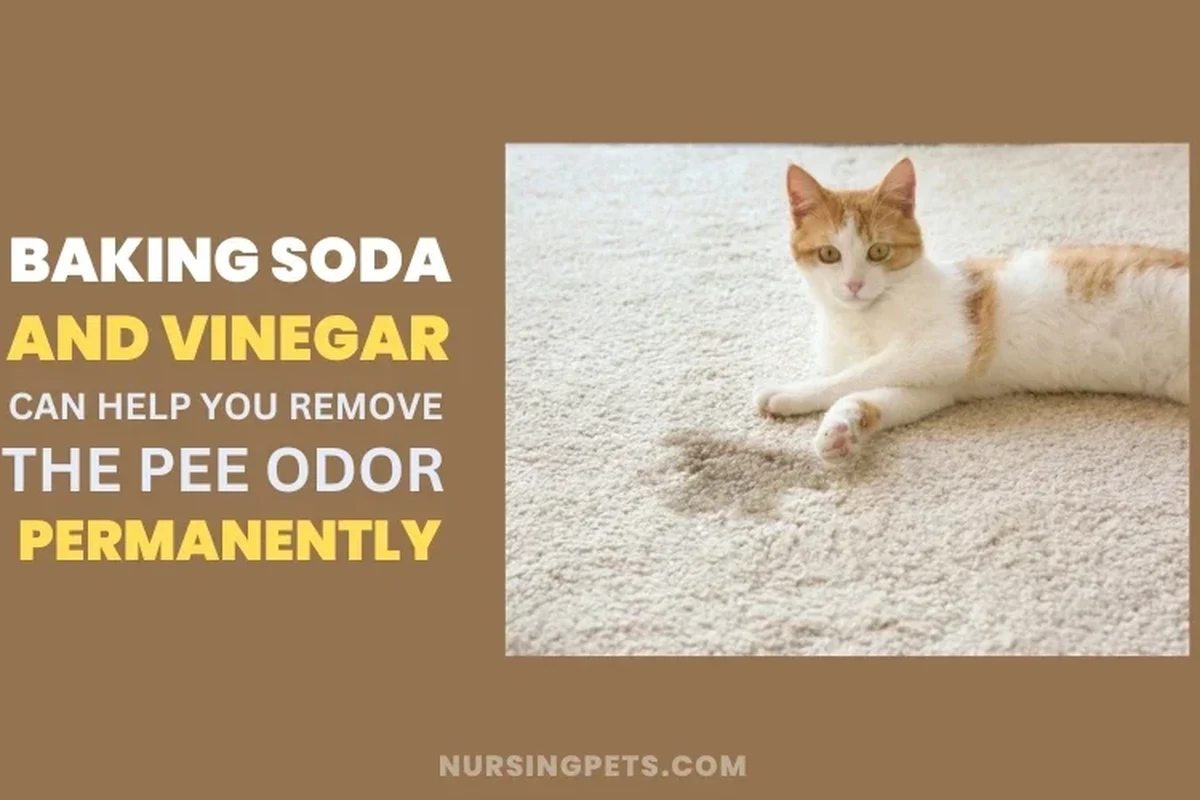
Baking soda remains popular because it is simple, inexpensive, and easy to use on many soft surfaces. It helps neutralize some odor molecules and can absorb leftover moisture, which makes it useful after the main spill has been blotted away.
- Helps reduce lingering odor on fresh accidents
- Easy to apply on carpet, fabric, and bedding
- Works as a finishing deodorizer after cleaning
- Does not break down urine proteins on its own
- Usually cannot fix deep padding or fill contamination
- May leave residue if it is not vacuumed well
What baking soda can and cannot do for urine odor
Baking soda is best understood as a deodorizer and moisture helper, not a true stain remover. Cat urine contains compounds that can bind to fibers and materials, so the smell may return if the source is still trapped underneath the surface.
If you want a broader cleaning approach for soft surfaces, our guide to baking soda on carpet explains why dry deodorizing works best after the wet cleanup stage. For odor-heavy areas, it can also help to pair baking soda with a deeper cleaning method rather than relying on scent masking alone.
When it works best on fresh versus set-in stains
Baking soda works best on fresh accidents that have already been blotted and dried as much as possible. On older stains, it may reduce the smell at the surface, but it will not fully remove odor that has soaked into backing, padding, or furniture fill.
Odors often seem stronger when the area is damp again, because moisture can reactivate residue trapped in carpet, upholstery, or padding.
Step-by-Step Baking Soda Cat Pee Removal for Carpets, Rugs, and Upholstery
The most reliable method starts with removing as much liquid as possible before any powder goes on. If you skip that step, the baking soda can clump, trap moisture, and leave the odor source sitting underneath.
Blotting, rinsing, and drying before applying baking soda
Blot the area gently with clean towels until no more moisture transfers. Do not rub, because rubbing can push urine deeper into carpet fibers or upholstery weave.
Lightly rinse the spot with cool water if the fabric can handle it, then blot again. The goal is to dilute the residue without soaking the padding underneath.
Press absorbent towels onto the spot until they come away mostly dry. Replace them as they get damp.
Use a small amount of cool water to loosen residue, then blot again. Avoid flooding the area.
Cover the area with a visible layer of baking soda once the surface is only slightly damp, not wet.
How long to leave it on and how to vacuum it up
Leave the baking soda in place until the area is fully dry and the powder has had time to absorb odor. For many small spots, a few hours may help, but a longer dry time is often better if the fabric is still holding moisture.
Vacuum slowly and thoroughly once the powder feels dry and loose. If any residue remains, let the area dry a bit longer and vacuum again so the fibers do not feel gritty.
Drying time depends on airflow, humidity, fabric thickness, and how much liquid was absorbed. A fan or open window can help, but do not use heat that could set the odor deeper into the material.
Example cleanup for a small accident on carpet
For a small carpet accident, start by blotting until the towel stays nearly clean. Then rinse lightly, blot again, and sprinkle enough baking soda to cover the affected area in an even layer.
After the carpet dries, vacuum the powder slowly and check the smell the next day. If a faint odor returns when the area is damp or warm, that usually means some residue is still in the backing or pad.
How to Use Baking Soda on Mattresses, Couches, and Pet Bedding
Mattresses, cushions, and pet beds need extra care because they can hold moisture inside the fill. The surface may look dry while the interior still carries odor, so the cleanup has to focus on both drying and deodorizing.
Surface prep for fabric-safe odor removal
First, remove covers if the item has them and follow the care label. Blot the area well, and if the fabric allows it, use a small amount of cool water to lift the urine before drying again.
Then sprinkle baking soda over the spot and let it sit on the dry surface. This works best when the item is already as dry as possible, because powder on a wet surface can form a paste instead of a deodorizing layer.
Managing moisture so odors do not get trapped deeper
Use airflow to dry the item from the outside in. A fan, good ventilation, or time in a dry room is usually safer than heat, which can drive odor deeper into foam or batting.
If the smell is strong, repeat the blot-dry-deodorize cycle rather than piling on more powder over a wet spot. That approach is slower, but it gives you a better chance of removing the source instead of just covering it.
Keep pets away while the area dries and while you vacuum up the powder. Curious cats may lick residue, step in damp cleaner, or re-mark the same spot.
Common mistakes that make the smell come back
One common mistake is using baking soda on a still-wet cushion or mattress. Another is stopping after the top layer smells better, even though the fill still holds urine deeper inside.
It also helps to avoid over-wetting fabric during the rinse step. Too much water can spread the accident, especially on foam, where liquid moves outward and downward.
Baking Soda vs. Enzyme Cleaners for Cat Urine Odor
Baking soda and enzyme cleaners do different jobs, so the best choice depends on what you are trying to fix. Baking soda is a finishing deodorizer, while enzyme cleaners are designed to break down the organic compounds that cause the stain and smell.
Where baking soda helps as a deodorizer
Baking soda is useful when the stain has already been cleaned and you want to reduce the remaining smell. It is also helpful on items that cannot be soaked heavily, as long as you keep moisture under control.
If you are comparing odor-control uses around the house, our article on baking soda for smoke odors shows a similar principle: it can help absorb and soften strong smells, but it is not a complete fix for the source.
Where enzyme cleaners outperform it on protein-based stains
Cat urine contains proteins and other compounds that can stay active in carpet, upholstery, and fabric fill. Enzyme cleaners are usually better at breaking those compounds down, which is why they often outperform baking soda on older or stronger accidents.
That does not mean baking soda is useless. It just means baking soda usually works best after the deeper cleaning step, not instead of it.
Best use cases for combining both methods
A practical approach is to use an enzyme cleaner first when the stain is fresh or noticeable, then use baking soda after the area has dried. This two-step method can help with both breakdown and odor control.
For a quick refresher on how baking soda behaves in cleaning reactions, see baking soda and vinegar reaction. In cat pee cleanup, though, the goal is not a dramatic fizz; the goal is controlled cleaning, drying, and odor reduction.
Best for light odor after the stain has already been blotted, rinsed, and dried.
Best for stronger accidents, older spots, and materials that still smell after surface cleaning.
Safety Tips and Surfaces to Avoid When Using Baking Soda Around Cat Pee
Baking soda is generally mild, but that does not make it safe for every surface. Some fabrics can show residue, and some materials can react badly to moisture or repeated cleaning.
Natural fibers, delicate fabrics, and colorfastness concerns
Test a hidden spot first if you are cleaning wool, silk, antique textiles, dyed upholstery, or other delicate materials. Even a gentle cleaner can leave a mark if the fabric is not colorfast.
Natural fibers can also hold moisture differently from synthetic carpet or upholstery, so the drying time may be longer. If the item is valuable or delicate, check the care label or consider professional cleaning guidance.
Keeping pets away while the area dries
Keep cats and other pets out of the area until the surface is fully dry and vacuumed. This reduces the chance of paw residue, licking, or repeat marking.
If your cat keeps returning to the same place, clean the area thoroughly and address the litter box setup too. Repeated accidents often point to a behavior or health issue that cleaning alone will not solve.
When to test a hidden spot first
Always test first on upholstery, rugs with unstable dyes, and mattress covers with special coatings. Apply a small amount of baking soda only after you know the fabric can handle light moisture and vacuuming.
If the material pills, dulls, or changes color during the test, stop and choose a safer method. A small test can prevent a much bigger cleanup problem.
For repeated accidents, strong ammonia-like odor, or stains on valuable furniture, check manufacturer care instructions and consider professional cleaning. If the cat is suddenly urinating outside the litter box, a veterinarian should rule out a medical cause.
Common Baking Soda Mistakes That Reduce Odor Removal Results
Most failed cleanups come from rushing the drying stage or using baking soda as the only treatment. The powder can help, but it cannot rescue a spot that is still saturated.
Using too little product on a saturated area
A light dusting may be fine for a faint smell, but a larger accident needs enough powder to cover the area evenly. If the layer is too thin, it will not absorb much leftover moisture or odor.
Do not keep adding powder to a wet spot, though. If the area is saturated, the better fix is to blot more liquid out first and let the surface dry before applying another layer.
Skipping the initial moisture removal step
This is the biggest mistake. If urine is still sitting in the fibers, baking soda only covers the smell for a while.
Moisture removal is the same basic principle used in many baking and cleaning tasks: the surface has to be in the right condition before the next step can work well. If you want another example of how dry ingredients help manage odor and buildup, our guide on baking soda in laundry covers a similar moisture-and-odor balance.
Leaving residue behind or vacuuming too soon
If powder is left behind, it can feel gritty and attract dirt. If you vacuum too soon, the baking soda may not have had enough time to help with odor absorption.
Wait until the area is fully dry, then vacuum slowly and from multiple directions if needed. That helps lift powder from deep carpet pile or textured upholstery.
- Blot first, then clean and dry before adding baking soda
- Use airflow to finish drying the area
- Vacuum thoroughly after the powder has done its job
- Scrubbing the stain deeper into fibers
- Soaking foam, cushions, or padding
- Using baking soda alone on old, strong odors
When Cat Pee Odor Means You Need a Deeper Cleanup Plan
Sometimes baking soda is simply not enough. If the smell keeps returning, the urine has likely moved below the visible surface and into padding, fill, or structural material.
Signs the urine has reached padding, subflooring, or furniture fill
Warning signs include a smell that returns after drying, a stain that spreads beyond the original spot, or a strong odor that is worse in warm or humid weather. On furniture, the cushion may still smell even when the outer fabric seems clean.
On carpet, the problem may be in the pad or subfloor if the odor is strongest near the floor rather than on the surface. In that case, surface deodorizing will only give temporary relief.
Situations where replacement may be more practical than repeated cleaning
If a mattress, cushion insert, or carpet pad has been soaked repeatedly, replacement may be more practical than repeated cleaning. That is especially true when the item is old, heavily stained, or difficult to dry completely.
For some households, the time and cost of repeated attempts can exceed the value of the item. It is reasonable to stop when the odor source is too deep to reach reliably.
How to decide whether baking soda is enough for the job
Use baking soda when the accident is fresh, the surface can be dried well, and the odor is mild after cleaning. If the smell is strong, persistent, or deep in the material, move to an enzyme cleaner or deeper remediation plan.
Final Verdict: The Best Way to Use Baking Soda for Cat Pee Without Wasting Time
Baking soda can absolutely help with cat pee odor, but it works best as the final deodorizing step after blotting, rinsing, and drying. On fresh accidents and lightly affected areas, it can make a noticeable difference; on older or deeper stains, it is usually only part of the solution.
Recap of the most effective approach for fresh and lingering odors
For fresh spots, remove moisture first, then apply baking soda to a dry or nearly dry surface and vacuum it up after it has had time to work. For lingering odors, pair baking soda with an enzyme cleaner or a deeper cleanup method so you address the source, not just the smell.
Choosing the right cleanup method based on surface, severity, and timing
The best method depends on how fast you caught the accident, what material was affected, and how deeply the urine spread. If you treat baking soda as a helper instead of a cure-all, you will get better results and waste less time repeating the same cleanup.
Use baking soda for cat pee when the area is already cleaned and drying, not as a shortcut over a wet stain. If the odor keeps coming back, move to a deeper plan instead of adding more powder.
Frequently Asked Questions
It can help reduce odor, especially after the area has been blotted and dried. For older or deeper stains, it usually works best with an enzyme cleaner or deeper cleanup.
Leave it on until the area is fully dry and the powder has had time to absorb odor. The exact time depends on humidity, airflow, and how much liquid was involved.
It is usually safe on many carpets and fabrics, but delicate fibers and unstable dyes should be tested first. Always check the care label and try a hidden spot before full treatment.
Vinegar can help in some cleaning situations, but it is not a guaranteed fix for cat urine odor. A better approach is usually blotting, cleaning, drying, and then using baking soda or an enzyme cleaner as needed.
The odor often returns when urine has soaked into padding, fill, or other deeper layers. Surface cleaning may remove the top layer while the source remains underneath.
If the smell stays strong after drying or returns in warm, humid conditions, baking soda alone is probably not enough. Move to an enzyme cleaner, deeper cleaning, or replacement if the material is badly contaminated.
