
How to Prevent Cookies from Burning in an Air Fryer: A Practical Guide for Home Bakers
Air fryers can make excellent cookies, but they also punish small mistakes quickly. The same strong circulating heat that gives you fast browning can turn into burnt bottoms, dark edges, and pale centers if the setup is off. If you want to learn how to prevent cookies from burning in an air fryer, the solution is usually not one big fix. It is a series of small adjustments to heat, placement, liner choice, and batch size.
The good news is that this is very manageable once you understand what the machine is doing. An air fryer behaves more like a compact convection oven than a traditional countertop baking setup. That means the hot air moves aggressively around the dough, and the parts closest to the heat source can brown faster than you expect. With cookies, that often shows up first on the bottom and outer edges.
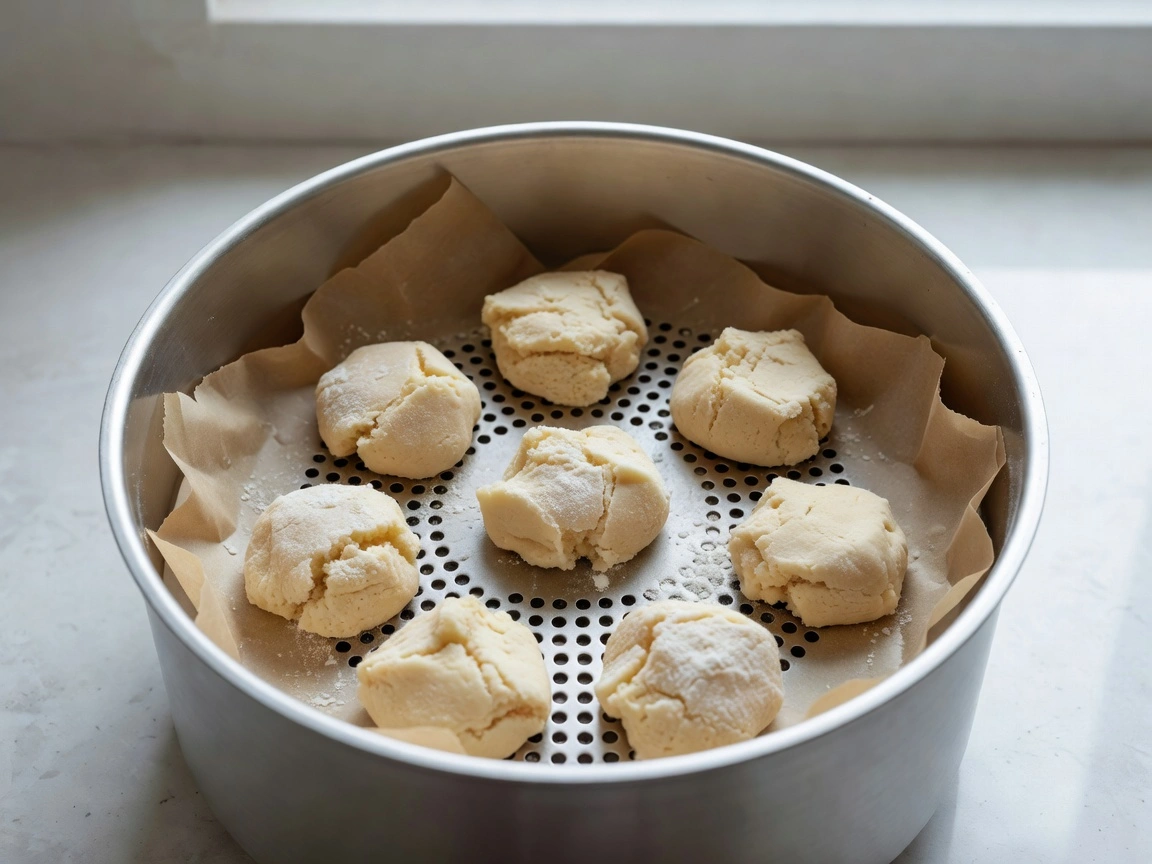
If you are new to air fryer baking, think of your first batch as a test batch, not a final exam. A few minutes of observation can save you from overbaked cookies and help you dial in your model.
Why Cookies Burn Faster in an Air Fryer
Cookies brown from heat, sugar, and moisture loss. In an air fryer, all three happen quickly. The fan keeps hot air moving around the basket or tray, which speeds surface browning. That is useful when you want crisp fries. It is less forgiving when you want a cookie with a tender center.
Compared with a conventional oven, an air fryer usually has:
- More direct airflow around the food
- Less space between the heating source and the cookies
- Faster heat transfer to exposed edges
- A smaller cooking chamber, which can make hot spots more noticeable
That combination is why cookies can look fine on top while the bottoms darken too fast. It is also why a cookie that bakes well in your oven may need a lower temperature or shorter time in the air fryer.
A helpful way to think about it: in an oven, heat tends to be gentler and more diffuse. In an air fryer, the heat is more concentrated and more active. That does not mean air fryer cookies are a bad idea. It just means they need tighter control.
Best Air Fryer Settings for Cookies
There is no universal setting that works for every cookie or every air fryer model, but a lower starting temperature is usually the safer choice. If your goal is to avoid scorching, begin conservatively and adjust after you see how your machine behaves.
Quick-start settings for common cookies
Use these as starting points, then adjust based on your air fryer’s heat output and the size of the dough portions:
| Cookie type and size | Starting temperature | Approximate bake time |
|---|---|---|
| Soft drop cookies, medium scoop | 320°F to 330°F | 6 to 9 minutes |
| Soft drop cookies, large scoop | 320°F to 330°F | 8 to 11 minutes |
| Thin cookies or small cookies | 300°F to 320°F | 4 to 7 minutes |
| Sugar cookies, medium cutouts or scoops | 310°F to 325°F | 5 to 8 minutes |
| Oatmeal or chocolate chip cookies, medium size | 320°F to 330°F | 6 to 9 minutes |
| Larger bakery-style cookies | 300°F to 325°F | 8 to 12 minutes |
These are starting ranges, not fixed rules. If your air fryer runs hot, start at the lower end. If the first batch looks pale after the time range, add 1 to 2 minutes.
A practical starting approach
For many cookie recipes, use:
- A temperature slightly lower than the oven version of the recipe
- A shorter first bake than the package or oven recipe suggests
- An early check before the cookies look fully done
That last point matters. Cookies continue to set after you remove them, especially if they are soft-centered styles such as chocolate chip, oatmeal, or sugar cookies. If you wait until they look fully baked in the basket, they may be overdone by the time they cool.
When to reduce heat even more
Lower the temperature further if:
- Your air fryer runs hot
- The cookies are small or thin
- The dough contains a lot of sugar
- You are using a dark basket or dark tray
- The first batch browned too quickly on the bottom
If you are testing a new dough, make the first batch small and watch closely. It is easier to extend bake time than to fix burnt cookies.
Preheating: useful, but not always necessary
Preheating can improve consistency, especially if your air fryer tends to have uneven first-batch results. It helps the cookies start baking at a stable temperature instead of ramping up from a cold chamber.
That said, preheating is not automatically better for every cookie. For delicate doughs, too much preheat time can push the first batch toward overbrowning before you have a chance to adjust. If your air fryer heats aggressively, a shorter preheat or no preheat may be the safer route.
How to Set Up the Basket or Tray for Even Baking
Airflow is the whole game in an air fryer. If the cookies are packed too tightly, hot air cannot move around them evenly. That creates uneven browning, with some cookies overdone and others still soft.
Beginner setup checklist
Use this simple checklist before baking:
- Preheat or not: Preheat if your model bakes unevenly or if the recipe depends on a stable start; skip or shorten preheating if your air fryer runs hot.
- Liner choice: Use parchment for easy release and basic bottom protection, silicone when the bottoms brown too fast, or no liner when you want the best airflow and your basket is already nonstick.
- Spacing: Leave about 1 to 2 inches between cookies so hot air can move around them.
- Rack position: Use the middle rack in oven-style air fryers when possible; in basket models, keep cookies centered and away from the heating element.
- Rotation: Rotate the basket or tray halfway through if your model has hot spots or one side browns faster.
Leave enough space
Space cookies apart so the air can circulate around each one. Crowding may seem efficient, but it usually causes the exact problem you are trying to avoid: darker edges, uneven tops, and underbaked centers.
A useful rule is to bake fewer cookies per batch than you would on a full sheet pan in the oven. In an air fryer, less is usually better.
Keep the batch size small
A small batch gives you:
- Better airflow
- More even browning
- Easier doneness checks
- Less risk of one cookie shielding another from heat
If the recipe makes a large batch, bake in rounds. The time you spend on extra batches is usually worth it if your goal is even color and no burnt bottoms.
Placement matters by air fryer style
Basket-style and oven-style air fryers behave differently.
- In a basket-style air fryer, cookies sit closer to the heat and often brown faster on the bottom.
- In an oven-style air fryer, cookies may sit on a tray or rack with more vertical space, which can help, but the top and bottom may still brown unevenly depending on rack position.
If your cookies are scorching underneath, try moving the cookies farther from direct heat when your appliance allows it. In oven-style models, the middle rack is often a better starting point than the highest position.
If your model allows a rack insert, use it only when you need to lift the cookies away from intense bottom heat. In shallow baskets, a rack insert is often the better fix for burnt bottoms. In deeper baskets, a simple liner with good spacing is usually safer because it preserves airflow.
Parchment Paper, Liners, and Silicone Mats: What to Use and When
The liner you choose can make a real difference in both cleanup and browning. It can also cause problems if it blocks too much airflow.
Best choice by situation
- Choose parchment when you want easy release, the dough is sticky, or the basket surface is causing light bottom browning. Cut it to fit so it stays flat and does not cover more surface than needed.
- Choose silicone when the bottoms are browning too fast and you want a stronger buffer from direct heat. This is often the better option for repeat baking in a basket that runs hot.
- Use no liner when airflow is your top priority and the basket or tray already has a good nonstick surface. This is often the safest choice for the most even browning.
Parchment paper
Parchment is useful when cookies stick or when you want to protect the bottoms from direct contact with the basket or tray. For air fryer use, it should be cut to fit properly and kept flat.
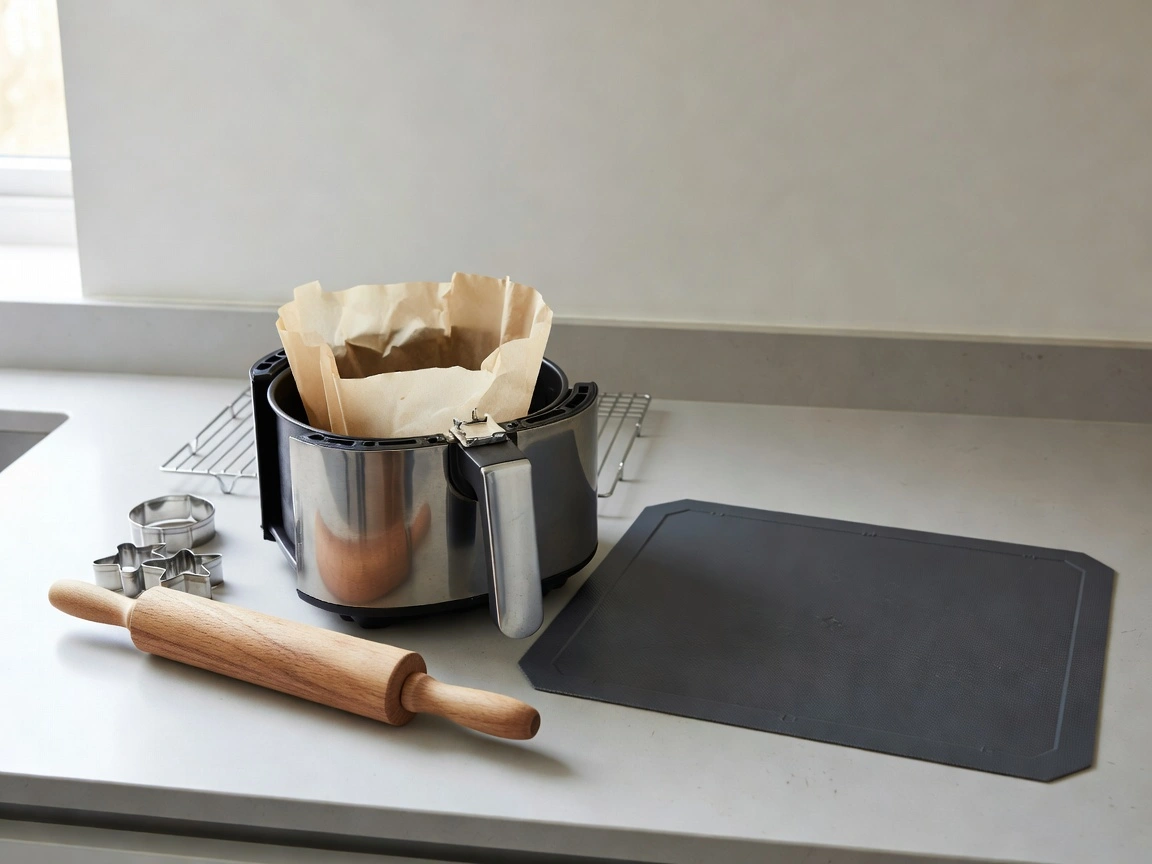
The main caution is airflow. If the parchment covers too much surface area, it can slow circulation and make baking less even. It should not extend into the heating element area, and it should never be allowed to lift and blow around during cooking.
For a deeper look at safe liner handling, see how to keep air fryer parchment paper from flying around.
Silicone baking mats
A silicone mat can act as a buffer between the cookie dough and the hot basket or tray. That can help if the bottoms are browning too fast. The trade-off is that silicone may slow browning slightly and change the final texture.
If you want a softer bottom and do not mind a little extra bake time, a mat can be a good choice. If you want a crisper cookie, parchment may be the better middle ground.
Foil
Foil is not my first choice for cookies in an air fryer. It can block airflow more than parchment and may contribute to uneven baking if used too broadly. If you use it at all, keep it minimal and make sure it does not interfere with circulation or touch the heating element.
Quick Comparison: Settings and Setup That Affect Burning
| Choice | Best for | Trade-off |
|---|---|---|
| Lower temperature | Preventing burnt bottoms and edges | May need a little more monitoring |
| Higher temperature | Faster baking | Greater risk of overbrowning |
| Parchment liner | Easy release, less sticking | Can reduce airflow if oversized |
| Silicone mat | Protecting bottoms from direct heat | May soften browning and slow crisping |
| Small batches | Even baking | Takes more total time |
| Crowded basket | Faster throughput | More uneven color and higher burn risk |
Which Cookie Doughs Work Best in an Air Fryer
Some doughs tolerate air frying better than others. The best candidates are usually cookies that are thicker, moderately sized, and not overly delicate.
Usually easier to manage
These often do well with careful temperature control:
- Chocolate chip cookies
- Oatmeal cookies
- Sugar cookies cut or scooped into moderate portions
- Peanut butter cookies
- Drop cookies with a sturdy dough
These doughs tend to hold their shape and give you enough structure to judge doneness by the edges and center.
More likely to brown too quickly
Watch these more closely:
- Very thin cookies
- Small cookies with lots of exposed surface area
- Doughs with high sugar content
- Cookies with delicate edges or lace-like texture
- Recipes that spread a lot in the oven
The thinner the cookie, the faster the edges can turn too dark before the center is ready.
Size matters
Smaller scoops bake faster and are more likely to burn at the edges. Larger cookies may brown more evenly, but they can also leave you with a raw center if the temperature is too high. For beginners, a medium-sized scoop is often the easiest place to start.
How to Prevent Burnt Bottoms and Uneven Browning
This is the problem most readers are trying to solve, and the fix usually comes down to three things: less heat, better airflow, and earlier checking.
Lower the heat before you change everything else
If the bottoms are burning first, reduce the temperature before making more dramatic changes. A small temperature drop often gives the center time to set before the bottom overcolors.
Add a buffer between dough and basket
If your air fryer basket runs hot, a parchment liner or silicone mat can help protect the bottoms. This is especially useful when the basket surface itself seems to be the main source of scorching.
Test one batch at a time
Bake a small test batch first. If the bottoms are still too dark, adjust one variable at a time:
- Lower the temperature
- Shorten the first bake
- Switch liner type
- Move the rack or basket position
- Reduce batch size
Changing only one thing per batch makes it much easier to see what actually helped.
Rotate if your model has hot spots
Some air fryer ovens brown more on one side than the other. If your cookies are uneven, rotate the tray partway through baking. In basket-style models, you may also need to rearrange the cookies if one side of the basket cooks faster.
Quick troubleshooting table
| Problem | Most likely cause | First fix to try |
|---|---|---|
| Burnt bottoms | Basket or tray is too close to direct heat | Lower the temperature and use a parchment liner or rack insert if the model allows it |
| Raw centers | Temperature is too high for the cookie size | Drop the temperature slightly and bake a little longer |
| Uneven browning | Hot spots or crowded basket | Rotate the basket or tray and space the cookies farther apart |
How to Tell When Air Fryer Cookies Are Done
Do not rely on the timer alone. In an air fryer, visual cues matter more than they do in a standard oven.
Look for these signs
- The edges are set and lightly browned
- The center looks just slightly soft but not wet
- The tops no longer look glossy or raw
- The bottoms are lightly colored, not deeply dark
If the cookies seem underdone in the center but the edges are already dark, pull them sooner and let residual heat finish the job. That is usually better than leaving them in long enough to burn the bottoms.
Doneness cues by cookie type and size
- Soft drop cookies: The edges should look set, and the center should still appear slightly puffy and soft.
- Thin cookies: Pull them as soon as the edges turn golden, because they can overbake quickly.
- Large cookies: Look for a set edge and a center that is no longer glossy, even if it still seems soft.
- Small cookies: Check early, because they can go from pale to overdone very fast.
Why carryover matters
Cookies keep cooking after they leave the air fryer. The hot pan, liner, and residual heat continue to firm them up. This is why many cookies should come out while they still look a touch softer than the final texture you want.
For food safety guidance on egg-containing doughs, use FDA food safety guidance as your reference point when recipes include raw egg or other ingredients that need proper handling.
Basket-Style vs Oven-Style Air Fryers: What to Adjust
The style of your air fryer changes how cookies bake.
Basket-style air fryers
Basket models often brown the bottom quickly because the food sits close to the heating element and the air moves strongly around a smaller chamber. If you use one:
- Start with a lower temperature
- Use a liner if bottoms overbrown
- Keep batches smaller
- Check early
If the basket is shallow, a rack insert can help lift the cookies away from direct heat. If the basket is deep enough that airflow is already limited, a no-liner setup with careful spacing may work better than adding extra material under the cookies.
Oven-style air fryers
Oven-style units usually have more room and more rack options, which can help with airflow. But they can also create uneven results if the tray is too close to the top heat source.
If you use an oven-style model:
- Place cookies on the middle rack when possible
- Rotate the tray if one side browns faster
- Watch the top color as well as the bottom
- Avoid stacking too many trays near the heating element
Simple decision rule
If your cookies burn on the bottom before the top looks done, treat the issue as a heat-placement problem first, not a recipe problem. Adjust the rack, liner, and batch size before you rewrite the whole recipe.
Common Mistakes That Cause Cookies to Burn
Most air fryer cookie failures come from a short list of habits.
- Using the oven temperature and time without adjusting
- Crowding the basket or tray
- Letting parchment block too much airflow
- Ignoring the first batch and trusting the timer blindly
- Baking delicate doughs at too high a heat
- Placing cookies too close to the heating element
- Assuming every air fryer behaves the same
The most expensive mistake, in terms of ruined cookies, is usually impatience. One careful test batch tells you more than three guess-and-check rounds.
A Simple Troubleshooting Plan for Better Results
If your cookies keep burning, use this sequence:
- Lower the temperature slightly.
- Reduce the first bake time.
- Bake fewer cookies at once.
- Add or change the liner.
- Move the tray or basket farther from direct heat.
- Check earlier for edge color and center set.
That order works because it tackles the most common causes first: too much heat and too little airflow.
FAQ
Do I need to preheat an air fryer for cookies?
Sometimes. Preheating helps if your air fryer has uneven first-batch results or if the recipe needs a stable start. If your model runs hot, a shorter preheat or no preheat may work better.
Should I flip cookies in an air fryer?
Usually no. Most cookies do not need flipping. Rotating the basket or tray is more useful if your air fryer has hot spots or browns unevenly from side to side.
What is the best liner for air fryer cookies?
Parchment is best for easy release and light bottom protection. Silicone is better when the bottoms brown too fast. No liner is safest for airflow if sticking is not a problem.
Why are my cookie bottoms burning before the tops are done?
That usually means the cookies are too close to direct heat, the temperature is too high, or the basket is blocking airflow. Lower the heat, use a better liner, or move the cookies farther from the heating element if your model allows it.
Can I bake any cookie recipe in an air fryer?
Not always. Thick drop cookies and sturdy doughs tend to work best. Very thin or delicate cookies may need more careful temperature control and shorter bake times.
Final Takeaway
If you want to prevent cookies from burning in an air fryer, focus on three things: gentler heat, better airflow, and earlier checking. Those adjustments solve most burnt-bottom problems before they start. Once you understand how your specific air fryer behaves, you can bake cookies that are evenly browned, tender in the center, and far less likely to scorch.

