Vinegar and baking soda can help freshen slow or smelly drains, but they work best for light buildup and routine maintenance. For standing water, hard clogs, or repeated backups, use a plunger, drain snake, or plumber instead.
If you want a fast, low-cost way to freshen a slow or smelly drain, clean drains with vinegar & baking soda is still a popular DIY option in 2026. It can help with light buildup and odors, but it works best as maintenance, not as a cure for major clogs.
- Best use: Good for mild odors, soap film, and light residue.
- Method order: Baking soda first, vinegar second, then hot water flush.
- Main limit: It will not reliably clear major clogs or hair plugs.
- Safety rule: Never mix it with bleach or other drain cleaners.
- Smart approach: Repeat once if needed, then switch tools if the problem remains.
Why People Still Search “Clean Drains with Vinegar & Baking Soda” in 2026
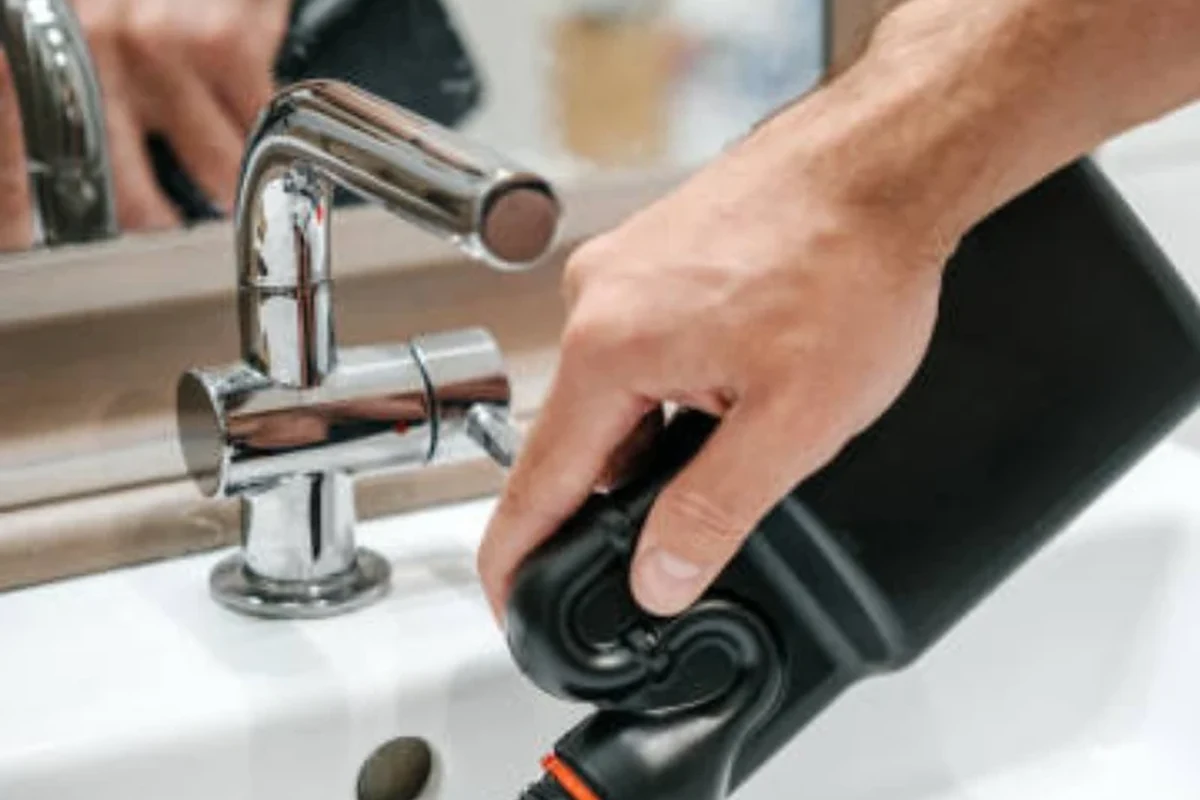
Homeowners keep looking for this method because it sounds simple, uses pantry staples, and feels safer than pouring harsh chemicals into the sink. For small household cleanup jobs, that convenience matters, especially when the problem is more nuisance than emergency.
What this method is supposed to fix: slow sinks, minor odors, and light buildup
This DIY mix is usually chosen for drains that are draining a little slowly, giving off a sour smell, or collecting a thin layer of soap residue and grime. In kitchen and bathroom drains, those problems often come from everyday buildup rather than a true blockage.
It is also a common maintenance habit after food prep, dishwashing, or heavy bathroom use. If you already use other home-cleaning routines, such as keeping surfaces dry and removing crumbs before they wash down, this can be one more small upkeep step.
When homeowners choose a DIY drain cleaner instead of a chemical product or plumber
Many people reach for vinegar and baking soda when they want to avoid strong fumes or when they are not ready to buy a specialty cleaner. Others use it first because it is quick to try before moving to a plunger, drain snake, or plumber.
That said, a DIY method is not always the right choice. If the drain is fully blocked, backing up, or affecting more than one fixture, the problem is likely beyond a simple surface clean.
How Vinegar and Baking Soda Actually Work in a Drain
The science here is straightforward. Baking soda is a mild base, vinegar is an acid, and together they create a fizzing reaction that can help dislodge loose debris on the drain walls.
The fizzing reaction: what it can loosen and what it cannot
When the two ingredients meet, they release carbon dioxide bubbles. Those bubbles can help lift soft residue, loosen a little grime, and move small particles along the pipe.
What they do not do is create a powerful scrubber or a true chemical dissolver for hard blockages. Thick grease, hair mats, food plugs, and mineral-heavy buildup usually need stronger mechanical removal.
The fizzing reaction is brief, so the ingredients need to stay in the drain long enough to contact the buildup instead of washing straight through.
Why the method is better for maintenance than for severe clogs
This method works best when there is still some open flow in the pipe. In that situation, the reaction can reach the dirty surfaces and help reduce odor-causing residue.
For a severe clog, the reaction is usually too mild and too short-lived. If water is standing in the sink or tub, the mixture often gets diluted before it can do much.
Common myths about “melting” grease or instantly clearing blockages
One common myth is that vinegar and baking soda “melt” grease the way a commercial cleaner might. In reality, they may loosen some soft residue, but they do not reliably break down heavy grease deposits.
Another myth is that the drain should clear instantly. Real plumbing problems usually show improvement slowly, if at all, and a stubborn clog often needs a plunger or drain snake.
Best Drain Types and Situations for This Cleaning Method
This method is most useful in drains that need freshening rather than rescue. Think of it as a light maintenance wash, not a full repair.
Kitchen sinks, bathroom sinks, shower drains, and tub drains
Kitchen sinks often benefit when the issue is mild grease, food residue, or a lingering smell near the stopper. Bathroom sinks usually respond well when soap scum and toothpaste residue are the main concerns.
Shower and tub drains can also benefit, especially when the problem is mostly odor or a thin layer of buildup around the drain opening. If hair is the main issue, though, a physical removal method is usually more effective.
Safe use around garbage disposals, sink traps, and older plumbing
Vinegar and baking soda are generally used in small amounts around garbage disposals, but the disposal should be off before you pour anything in. The goal is to clean the chamber and nearby drain surfaces, not to run the unit while the mixture is still reacting.
For sink traps and older plumbing, gentler is better. Older pipes may have corrosion, loose joints, or fragile seals, so avoid aggressive chemicals and follow up with moderate hot water rather than boiling water.
When not to use it: standing water, hard clogs, or recurring backups
Skip this method if the sink, tub, or shower already has standing water that drains very slowly or not at all. That usually means the blockage is too large for fizz alone.
If the same drain keeps backing up, there may be a deeper issue in the trap, venting, or main line. In that case, a DIY deodorizer can only mask the symptom for a short time.
Do not use vinegar and baking soda as a substitute for professional help when a drain is fully blocked, sewage is backing up, or multiple fixtures are affected. Those are signs of a larger plumbing problem.
Step-by-Step: The Fast and Easy Way to Clean Drains with Vinegar and Baking Soda
The simplest version of this method is best when you want a quick refresh, not a deep repair. Keep the setup small and let the reaction happen in the drain, not in the sink bowl.
What you need: baking soda, vinegar, hot water, and a drain cover
Gather plain baking soda, white vinegar, warm or hot tap water, and a drain cover or stopper if you have one. A cup or two for measuring is usually enough for light maintenance.
Recommended measurements for light cleaning and odor control
For a single sink or drain, a common starting point is about 1/2 cup of baking soda followed by about 1 cup of vinegar. For very light odor control, smaller amounts may be enough, but using too little can reduce contact with the buildup.
After the reaction, flush with several cups of hot water. The exact amount depends on the drain size and plumbing, so use enough to move the loosened residue through the line without forcing it.
If your water is extremely hard, you may see more mineral film than usual. Vinegar can help with some surface residue, but hard-water scale often needs repeated maintenance or a different cleaner.
Best method sequence: baking soda first, vinegar second, wait, then flush
Start by pouring the baking soda directly into the drain opening. Try to keep it in the pipe instead of letting it sit in the sink basin.
Next, slowly pour in the vinegar. Cover the drain if possible and let the mixture fizz for about 10 to 15 minutes, then flush with hot water.
Pour it straight into the drain so it reaches the pipe walls instead of the sink surface.
Pour it in after the soda so the reaction happens where the residue is located.
Give the mixture time to work on light buildup and odor-causing film.
Use hot water to carry loosened debris through the drain and out of the pipe.
How to repeat the process without overdoing it
If the drain still smells or moves slowly after one treatment, you can repeat the process once more later the same day or the next day. Repeating it several times in a row usually does not solve a real clog and may just waste the ingredients.
For routine upkeep, occasional use is usually enough. If you are already comparing low-effort kitchen maintenance ideas, you may also find our guide on whether air fryer liners work helpful for another simple cleanup question.
What to Expect During and After the Cleaning Process
Knowing what normal results look like helps you avoid overreacting or repeating the process too soon. A small improvement is a good sign; a complete standstill means the method is not enough.
How long the fizzing lasts and what that means
The visible fizzing is usually short, often only a few minutes. That bubbling is the reaction doing its work, but once it fades, the active cleaning effect is mostly over.
That is why the waiting period matters. The ingredients need time in contact with the pipe surfaces before the flush.
Signs the drain is improving versus signs the clog is still there
Improvement usually looks like faster drainage, less gurgling, and a weaker smell after flushing. You may also notice that water swirls down more evenly instead of pooling around the stopper.
If the water level stays high, the sink still backs up, or the smell returns quickly, the clog is probably still present. At that point, mechanical cleaning is a better next step than more vinegar.
Practical examples: greasy kitchen drain, soap-scum bathroom drain, smelly disposal
In a greasy kitchen drain, this method may help remove the thin film left after dishwashing, especially if you follow it with hot water. In a bathroom sink, it can reduce the slick soap residue that builds up around the drain opening.
For a smelly garbage disposal, it can freshen the chamber and nearby pipe surfaces, but it will not remove a stuck food mass. If the odor keeps coming back, check for trapped debris under the splash guard or in the trap.
Common Mistakes That Make This Method Less Effective
Most failures come from bad timing, too much liquid, or expecting a mild reaction to do a heavy job. Small adjustments make a big difference here.
Using too much vinegar or baking soda
More is not always better. If you overload the drain, the ingredients can react too quickly and waste their fizz before they reach the buildup.
A moderate amount is usually enough for light maintenance. For larger drains or deeper lines, this method still has limits.
Pouring everything in at once and losing the reaction in the sink
If you dump both ingredients in together, the reaction may happen in the sink basin instead of inside the pipe. That looks dramatic, but it is less useful for cleaning.
Adding baking soda first and vinegar second helps direct the reaction where it matters. That simple order is one of the biggest reasons the method works better when done carefully.
Skipping hot water flushes or expecting instant results on major clogs
The flush is not optional. Without it, loosened residue may just settle back near the drain opening.
Also, do not expect a major clog to disappear in one round. If the drain is badly blocked, a plunger or snake is usually the more direct tool.
Mixing vinegar and baking soda with bleach or other cleaners
Never combine this DIY method with bleach or other drain chemicals. Mixing cleaners can create dangerous fumes or unpredictable reactions.
If a previous cleaner was already used in the drain, stop and flush thoroughly with plenty of water before trying anything else. When in doubt, wait and read the product label first.
Keep the area ventilated, avoid leaning directly over the drain, and wear splash protection if the sink is deep or the opening is narrow. Hot water can splash back unexpectedly.
Safety, Plumbing Limits, and When to Stop DIY
This is a low-risk method when used carefully, but it still deserves basic safety habits. The main concerns are splash exposure, hot water, and knowing when the problem is bigger than a surface clean.
Ventilation, splash protection, and handling hot water safely
Open a window or turn on a fan if the area feels stuffy. While vinegar is not a harsh chemical cleaner, the smell can be strong in a small room.
Pour hot water slowly and avoid using water that is actually boiling unless your plumbing manufacturer says it is safe. Extremely hot water can damage some pipes, seals, or fixtures.
- Make sure the sink is not fully clogged
- Keep bleach and other cleaners away from the area
- Use a moderate amount of vinegar and baking soda
- Have a towel ready for small splashes
Compatibility notes for septic systems and older pipes
In general, small amounts of vinegar and baking soda are commonly used in homes with septic systems, but septic setups vary. If you have a specific system recommendation from a plumber or local authority, follow that guidance first.
Older pipes may be more sensitive to heat and repeated chemical use. A gentle DIY cleaning is usually safer than harsh drain openers, but it is still wise to use common sense and avoid overdoing it.
Warning signs that call for a plunger, drain snake, or professional help
If the drain gurgles loudly, backs up into another fixture, or clears only to clog again right away, stop repeating the DIY mix. Those are signs that the blockage is deeper in the line.
A plunger can often move a soft clog that vinegar cannot touch. If that does not help, a drain snake or professional plumber is the better next move.
If you are also trying to make safer choices around other kitchen appliances, our article on whether air fryers are dangerous covers basic risk awareness in a similar practical way. For readers comparing appliance upkeep and cleaning habits, whether air fryer baskets are dishwasher safe is another useful maintenance guide.
Best Use Cases and Final Recommendation for 2026
In a normal home maintenance routine, vinegar and baking soda are best used as a light refresher. They are useful when you want to reduce odor, loosen minor residue, and keep a drain from getting grimy too quickly.
Where this method fits in a regular home maintenance routine
Use it occasionally, not constantly. It fits well after routine kitchen cleanup, bathroom sink wiping, or a general weekend maintenance pass.
Think of it as part of prevention, similar to cleaning crumbs before they harden or wiping a counter before stains set. Small habits are easier than waiting for a full clog.
When it is the right fast fix and when it is only a temporary deodorizer
This is the right fast fix when the drain is still moving, the smell is mild, and the buildup is light. It is also a reasonable first step before using a plunger.
If the drain is already blocked, the method becomes more of a temporary deodorizer than a true cleaner. That is not a failure; it just means the plumbing issue needs a stronger tool.
- Cheap and easy to try
- Helpful for mild odors and light residue
- Gentler than many harsh chemical cleaners
- Not strong enough for major clogs
- Can be overused without added benefit
- Must be kept away from bleach and mixed cleaners
Final recap: the most practical way to clean drains with vinegar and baking soda
The most practical approach is simple: put baking soda in first, add vinegar second, let the fizz work for a few minutes, then flush with hot water. Use it for light buildup, odors, and routine maintenance, not for serious blockages.
When the drain still moves slowly after one careful attempt, switch to a plunger, snake, or plumber instead of repeating the mix endlessly. That is the fastest way to solve the problem without wasting time or risking your plumbing.
- Use the mixture for light maintenance
- Follow with a hot water flush
- Stop if the clog is stubborn or recurring
- Mixing with bleach or other cleaners
- Expecting it to clear major blockages
- Pouring both ingredients in at once
Frequently Asked Questions
A common starting point is 1/2 cup baking soda followed by about 1 cup vinegar for a single sink or drain. Adjust only slightly for the drain size, then flush with hot water.
It can help if the clog is light and the sink still drains somewhat. If water is standing or the sink is fully blocked, use a plunger or drain snake instead.
No. Never mix vinegar and baking soda with bleach or other cleaners, because dangerous fumes or reactions can happen.
Use it occasionally as maintenance, not every day. If a drain keeps needing repeated treatment, there may be a deeper plumbing issue.
Usually not very well. Hair clogs are best removed with a drain snake or another mechanical tool.
Small amounts are generally considered a gentle option, but plumbing systems vary. Follow your plumber’s or system manufacturer’s guidance if you have specific concerns.
