
Is Baking Soda and Baking Powder the Same Find Out Now
No, baking soda and baking powder are not the same. Baking soda needs an acid to react, while baking powder already contains its own acid and works differently in recipes.
If you have ever wondered, “is baking soda and baking powder the same,” the short answer is no. They are both leaveners, but they work differently and are not direct substitutes in most recipes.
- Different chemistry: Baking soda is pure sodium bicarbonate; baking powder is a blend with acid and.
- Recipe match matters: Acidic batters often need baking soda, while neutral batters often need baking powder.
- Swaps are limited: Using one for the other can change rise, flavor, browning, and texture.
- Freshness counts: Old leaveners can cause flat, dense, or uneven baked goods.
- Measure carefully: Small errors in leavener amounts can affect the whole batch.
What Baking Soda and Baking Powder Actually Are
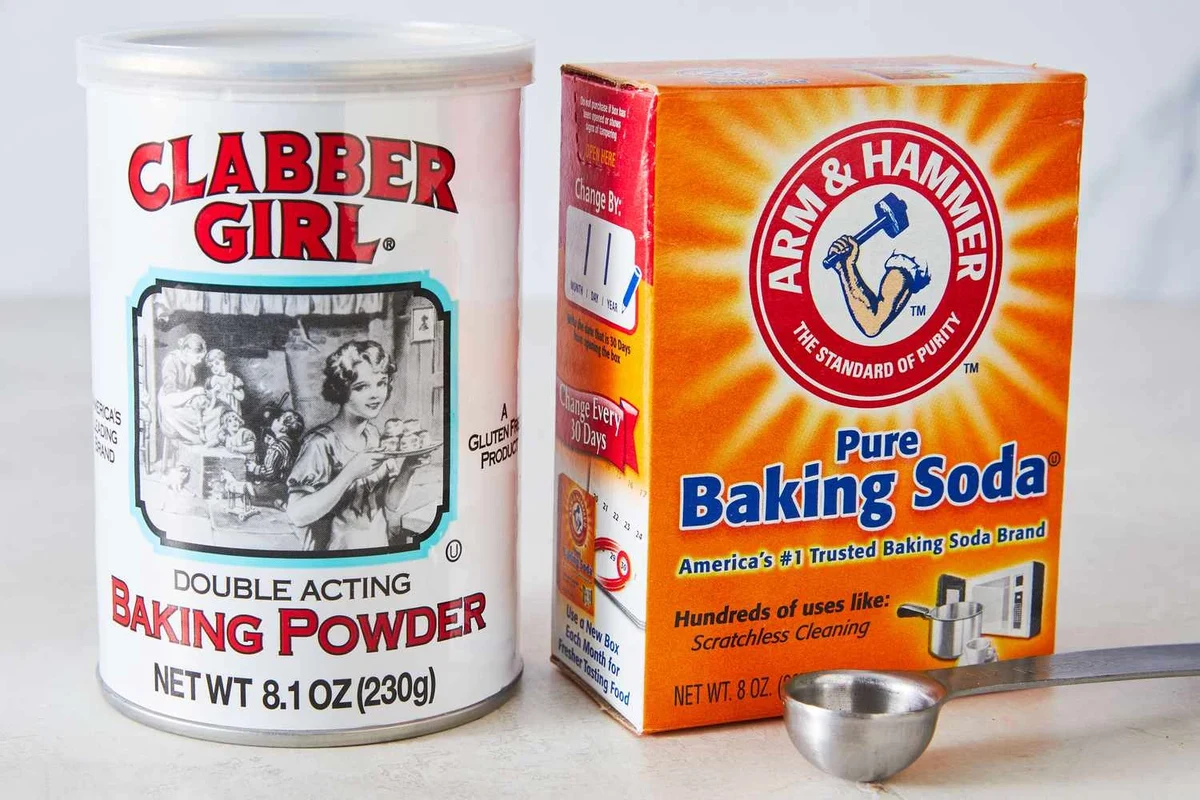
Baking soda is pure sodium bicarbonate. Baking powder is a blend that usually includes baking soda plus one or more dry acids and a starch to keep it stable. That difference is the reason they behave differently in doughs and batters.
How each leavener is made and why they are not interchangeable
Baking soda depends on an outside acid in the recipe to create carbon dioxide gas. Baking powder already carries its own acid, so it can work in recipes that do not have enough acidic ingredients on their own. If you swap them without adjusting the recipe, the batter chemistry changes fast.
In practical baking, that means a cookie dough with brown sugar or yogurt may be built around baking soda, while a plain cake batter may need baking powder for lift. The ingredients around the leavener matter just as much as the leavener itself.
The role of acid, moisture, and heat in activation
Both ingredients need moisture to start reacting, but acid is the key difference. Baking soda reacts as soon as it meets an acid and liquid, while baking powder reacts in one or two stages depending on whether it is single-acting or double-acting.
Heat then expands the gas bubbles already formed in the batter. That expansion is what gives cakes, muffins, and quick breads their rise, so timing, mixing, and oven temperature all matter.
Double-acting baking powder is common in home baking because it releases gas once when mixed and again when heated, which gives bakers a little more flexibility.
Is Baking Soda and Baking Powder the Same? The Simple Science Answer
No, they are not the same. Baking soda is an alkaline ingredient, while baking powder is a complete leavening system that includes both base and acid components.
Why baking soda needs an acid to work
On its own, baking soda has no acid to react with, so it will not create enough gas for proper lift. When it meets ingredients like buttermilk, yogurt, sour cream, lemon juice, molasses, or natural cocoa, it starts producing carbon dioxide.
That reaction can also affect flavor. Used correctly, baking soda can reduce sharp acidity and help baked goods taste smoother. Used in excess, it can leave a soapy or bitter aftertaste.
Why baking powder already contains its own acid
Baking powder is made so it can leaven batters that do not have much natural acidity. Because the acid is built in, the baker does not need to rely on buttermilk, citrus, or another acidic ingredient to get rise.
This is why baking powder is common in many vanilla cakes, biscuits, pancakes, and some muffins. It gives a more neutral flavor profile when the recipe does not need extra acidity.
How this difference changes rise, flavor, and texture
Baking soda tends to create stronger browning and a more spread-out texture because it changes the batter’s pH. Baking powder usually gives a softer, more even rise with less flavor impact. The final crumb, color, and spread depend on the full recipe, not just the leavener.
When to Use Baking Soda vs. Baking Powder in Real Baking
The easiest way to choose is to look at the recipe’s acidic ingredients. If the batter already contains an acid, baking soda may be the right choice. If the batter is mostly neutral, baking powder often does the lifting.
Common examples of recipes that rely on baking soda
Recipes with buttermilk, yogurt, sour cream, molasses, brown sugar, natural cocoa, or vinegar often use baking soda. You will also see it in many chocolate, spice, and ginger-based recipes where a little extra browning is welcome.
For example, some quick breads and chewy cookies use baking soda to encourage spread and a more pronounced browned edge. If you are also comparing baking methods for different appliances, it can help to understand how heat and airflow affect browning, as discussed in our guide on whether air fryers toast bread.
Common examples of recipes that rely on baking powder
Baking powder is common in cakes, biscuits, pancakes, scones, and muffins that do not contain enough acid to activate baking soda. It is especially useful when a recipe needs lift without changing flavor much.
Some recipes use both baking soda and baking powder. In those cases, the soda may help with browning or acidity balance, while the powder provides extra rise.
How to tell which leavener a recipe needs by reading the ingredient list
Look for acidic ingredients first. If you see buttermilk, yogurt, sour cream, lemon juice, vinegar, molasses, or natural cocoa, baking soda is often involved. If the recipe has mostly milk, butter, flour, eggs, and sugar, baking powder is more likely to be the main leavener.
If a recipe includes both baking soda and baking powder, do not remove one unless you also understand the acid balance and the expected texture. Small changes can affect rise, spread, and flavor.
How the Wrong Leavener Changes Your Results
Using the wrong leavener does not just change rise. It can also change color, taste, crumb structure, and how the batter spreads in the pan.
What happens if you use baking soda instead of baking powder
If you use baking soda where baking powder was needed, the recipe may not have enough acid to activate it fully. The result can be weak lift, a flat texture, or an unpleasant alkaline taste.
In some batters, excess baking soda can also create excess browning, a coarse crumb, or a soapy finish. That is why the swap is rarely safe without recipe adjustments.
What happens if you use baking powder instead of baking soda
If you use baking powder in place of baking soda, the recipe may rise, but not in the same way. The batter may taste less tangy, brown less, and spread differently because you removed the alkaline effect of baking soda.
This swap can also weaken the recipe’s ability to balance strong acidic ingredients. A lemon or buttermilk batter may taste sharper than intended if the soda is missing.
Changes in color, spread, bitterness, and lift
Baking soda usually increases browning and spread. Baking powder usually gives a more controlled rise and a milder flavor. Too much of either one can cause problems, but the signs are different: soda often brings bitterness or soapiness, while powder can taste metallic or leave a dry, chalky edge if overused.
Your baked good spread too much, browned too fast, or tastes slightly bitter.
Check whether you used too much baking soda or whether the recipe needed more acid. In future bakes, measure carefully and match the leavener to the ingredient list.
Measurement Rules, Substitutions, and Safe Ratios
Exact measuring matters because leaveners are powerful in small amounts. A little too much can change the entire batch, especially in cookies, muffins, and quick breads.
Why exact measuring matters in baking science
Baking is a balance of structure and gas. Flour, eggs, sugar, fat, and liquid all affect how much lift the batter can hold, so the leavener has to match the formula. Eyeballing baking soda or baking powder is one of the fastest ways to get inconsistent results.
Do not assume a teaspoon of one leavener behaves like a teaspoon of the other. Their strength, chemistry, and flavor impact are different enough that direct one-to-one swaps can fail.
Basic substitution limits and when a swap is not recommended
As a general rule, baking soda can only replace baking powder if the recipe already contains enough acid and you can adjust the amount carefully. Baking powder is not a true replacement for baking soda in acidic recipes because it will not neutralize acidity the same way.
If you are unsure, it is safer to use the leavener specified by the recipe. Recipe variability also matters: ingredient brand, measuring method, oven calibration, pan size, and altitude can all change the final result.
How double-acting baking powder affects timing and mixing
Double-acting baking powder starts releasing gas when it gets wet, then again when heated. That means you should still avoid letting batters sit too long before baking, but you do not need to rush quite as much as you would with a purely single-reaction system.
Even so, overmixing can knock out air and strengthen gluten too much, leading to a tougher crumb. Mix just until the dry and wet ingredients are combined, then bake promptly unless the recipe says otherwise.
Some older recipes or regional formulas may use slightly different leavening patterns. When in doubt, follow the recipe as written before making any changes.
Common Mistakes Home Bakers Make With Leaveners
Most leavener problems are not dramatic science failures. They are usually storage issues, measuring mistakes, or confusion about what the recipe really calls for.
Using expired baking soda or baking powder
Old baking soda may still look fine but can lose punch over time if it has absorbed moisture or odors. Baking powder is more likely to lose strength because its acid-base system can degrade during storage.
If a recipe suddenly bakes up dense, flat, or uneven, expired leavener is one of the first things to check. Freshness matters more than many home bakers realize.
Confusing self-rising flour with baking powder
Self-rising flour already contains baking powder and salt. If you add extra baking powder without adjusting the recipe, the baked good may rise too much, then collapse or taste off.
This is a common issue in biscuits, pancakes, and quick breads. Always read the flour label carefully before adding more leavener.
Overmixing, underbaking, and storing leaveners incorrectly
Overmixing develops gluten and can make tender batters tough. Underbaking can trap a gummy center that seems under-leavened even when the chemistry was correct. Poor storage adds another layer of trouble because moisture and odors can weaken performance.
Keep baking soda and baking powder sealed, dry, and away from strong-smelling foods. Moisture can reduce effectiveness, and cross-contact is a concern if your pantry stores allergen-containing ingredients nearby.
How to Test Freshness, Store Properly, and Handle Safely
Before you blame the recipe, test the leavener. A quick freshness check can save time, ingredients, and disappointment.
Simple freshness checks for baking soda and baking powder
For baking soda, stir a small amount into vinegar or another acidic liquid. It should fizz right away. For baking powder, mix a small amount with warm water; it should bubble actively if it is still strong.
These are simple pantry tests, not lab measurements, but they are useful for home baking. If the reaction is weak or delayed, replace the product.
Best storage conditions for pantry performance in 2026
Store both leaveners in tightly sealed containers in a cool, dry place. Avoid the area above a hot stove, near a dishwasher vent, or anywhere humid, because heat and moisture shorten shelf life.
In a busy kitchen, a labeled pantry bin is often better than a cabinet that opens into steam and heat. Good storage helps keep the powder dry and the soda odor-free.
Food safety and label-reading tips for allergy or ingredient concerns
Baking soda and baking powder are generally pantry staples, but formulas can vary by brand. If you have ingredient concerns, read the label every time and verify any allergen statements on the package.
For serious allergy questions, rely on the product label and guidance from qualified professionals or official food safety sources such as the FDA or USDA. Do not assume all brands are identical.
- Check whether the recipe contains acidic ingredients.
- Confirm whether the flour is plain or self-rising.
- Test old leavener for freshness if the container has been open a long time.
- Measure carefully with the same spoon and level method every time.
Final Verdict: Which One Should You Reach for First?
Start with the recipe’s ingredient list. If the batter is acidic, baking soda is often the better first choice. If the batter is neutral and needs lift without extra flavor change, baking powder is usually the right pick.
Decision guide based on acidity, flavor, and recipe type
Choose baking soda when you want to react with acid, encourage browning, or balance tangy ingredients. Choose baking powder when you want reliable lift in a recipe that does not bring its own acid.
For many home bakers, the simplest rule is this: baking soda is a reaction ingredient, while baking powder is a built-in leavening system. That one distinction explains most recipe differences.
Recap of the most important differences for confident baking
So, is baking soda and baking powder the same? No. Baking soda needs acid; baking powder already includes it. That difference changes rise, taste, color, and texture, which is why the two ingredients cannot be treated as equal in most recipes.
If you want more control in the kitchen, keep both on hand, store them well, and follow the recipe closely. Once you understand how each one works, leavening becomes much easier to manage and much less mysterious.
Frequently Asked Questions
Sometimes, but only with caution. Baking powder is not a perfect substitute because it does not neutralize acidity the same way baking soda does.
Only if the recipe already has enough acid to activate it. Without that acid, the baked good may taste bitter and rise poorly.
Check the ingredient list for acidic items like buttermilk, yogurt, lemon juice, vinegar, or molasses. Acidic recipes often use baking soda, while more neutral batters often use baking powder.
Mix a small amount with warm water and look for active bubbling. If the reaction is weak, it is time to replace it.
Yes, it often does because it raises the batter’s pH. That can deepen color and also affect flavor if too much is used.
Usually yes, but the texture and flavor may be disappointing. If the result tastes strongly bitter, soapy, or otherwise off, it is better not to serve it.
