Baking Soda in Spanish Meaning Uses and Translation

Baking soda in Spanish is usually bicarbonato de sodio, and it is the same leavening ingredient used in many baking recipes. Use the full term on labels and in recipes to avoid confusing it with baking powder.
If you are searching for baking soda in spanish, the most common translation is bicarbonato de sodio. In recipes and kitchen conversations, that term usually points to the same ingredient used for leavening, browning, and tender texture in baking.
- Translation: The standard Spanish term is bicarbonato de sodio.
- Recipe use: It works by reacting with acids to create lift and browning.
- Common mistake: Do not confuse it with polvo de hornear.
- Measurement: Small errors matter because baking soda is concentrated.
- Kitchen safety: Use only food-grade product for baking and check freshness before use.
What “Baking Soda” Means in Spanish: Translation, Pronunciation, and Regional Variations
The standard Spanish translation for baking soda is bicarbonato de sodio. In pronunciation, it is usually said something like “bee-kar-bo-NAH-toh deh SOH-dee-oh,” though local accents will change the sound a bit.
Why the most common translation is “bicarbonato de sodio”
This phrase is the clearest and safest choice because it identifies the ingredient by its chemical name. In baking, that matters because Spanish-language packaging may also use similar terms for other powders, and precision helps prevent mix-ups.
You may also see bicarbonato by itself when the context is obvious. On a baking label, recipe card, or grocery shelf, though, bicarbonato de sodio is the most reliable full form.
In some countries, everyday speech may shorten ingredient names, but product labels usually use the fuller and more formal wording.
How native speakers may shorten or vary the term in everyday speech
In casual conversation, a baker may simply say bicarbonato. That works when everyone already knows the topic is food, but it can be less clear in a mixed kitchen where cleaning products are also being discussed.
Regional wording can vary slightly, but the meaning is usually the same when the setting is cooking. If you are reading a recipe or asking for help in a bakery, using the full phrase reduces confusion.
How to Use “Baking Soda in Spanish” Correctly in Labels, Recipes, and Conversations
Once you know the translation, the next step is using it correctly in real kitchen situations. That means paying attention to ingredient labels, recipe context, and whether the speaker means a baking ingredient or a cleaning product.
Reading Spanish ingredient lists on packaged foods and baking mixes
When you scan a Spanish ingredient list, look for bicarbonato de sodio. It may appear near flour, salt, cocoa, or leavening agents in cake mixes, pancake mixes, cookies, and crackers.
Ingredient order still matters. If baking soda is listed, it is usually present in a smaller amount than flour or sugar, but it can have a big effect on rise and browning.
Asking for baking soda in a bakery, grocery store, or cooking class
If you need to ask for it, saying ¿Tiene bicarbonato de sodio? is a clear option. In a class or shared kitchen, you can also ask ¿Dónde está el bicarbonato? if the context is clearly baking.
In a grocery store, check whether the product is meant for food use. Some households keep cleaning-grade products near pantry items, so label reading is important before you add anything to dough or batter.
Do not assume any white powder is food-safe just because it has a familiar name. Read the package carefully, especially if the product may also be used for cleaning.
What Baking Soda Does in Baking: Leavening, Browning, and Texture
Baking soda is a chemical leavener. In the oven, it helps batters and doughs rise, but it also affects color, spread, and tenderness depending on what else is in the recipe.
How it reacts with acids to create lift
Baking soda needs acid to work well. When it meets ingredients like buttermilk, yogurt, brown sugar, citrus juice, molasses, or cocoa processed in a certain way, it releases carbon dioxide gas that expands during baking.
That gas creates lift before the structure sets. If a recipe has enough acid, the result can be a lighter crumb and a more even rise. If there is not enough acid, the soda may leave a soapy or bitter taste.
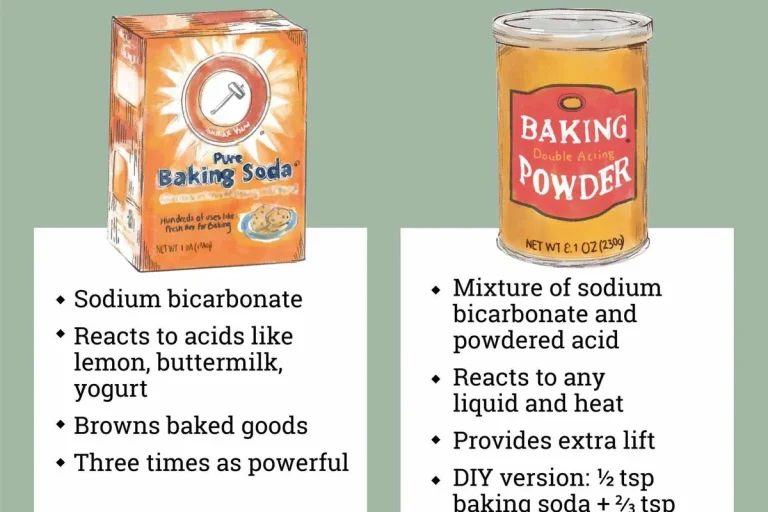
Baking soda is stronger than baking powder by weight, so recipes usually use a smaller amount. That is why measuring carefully matters so much.
When it helps with color, spread, and tenderness
Baking soda encourages browning because it raises pH, which can deepen color in cookies and some quick breads. It can also help cookies spread more, which is useful in recipes meant to be thin and crisp at the edges.
In tender cakes or muffins, the right amount can soften the crumb and improve texture. Too much, however, can make the baked good taste harsh and turn overly dark or coarse.
How Much Baking Soda to Use: Measurement, Substitutions, and Common Ratios
There is no single universal amount because the correct dose depends on the recipe’s acid level, batch size, and desired texture. Still, many home recipes use small measured amounts, often fractions of a teaspoon, rather than large spoonfuls.
Typical small-batch and standard recipe measurements
For a small batch of cookies or muffins, a recipe may call for 1/4 teaspoon to 1/2 teaspoon. Larger quick breads or cakes may use more, but the amount should match the acid in the batter and the total flour weight.
If you are converting a Spanish-language recipe, keep the unit exactly as written unless you understand the formula. A tiny measuring error can matter because baking soda is concentrated.
- Confirm whether the recipe also includes an acid ingredient
- Measure with a level spoon, not a heaping spoon
- Check whether the recipe means baking soda or baking powder
How to avoid using too much or too little in Spanish-language recipes
Too little baking soda can leave the bake dense and pale. Too much can cause a metallic or soapy flavor, excessive browning, and a crumb that feels rough or collapses after rising.
When a Spanish recipe says bicarbonato, read the whole ingredient list before changing anything. If the recipe also includes an acidic ingredient, the soda is likely there for a reason. If not, the formula may need another leavener instead of extra soda.
Common Mistakes When Translating or Using Baking Soda in Spanish Recipes
The biggest errors happen when cooks treat baking soda and baking powder as interchangeable. They are related, but they are not the same ingredient and do not behave the same way.
Confusing baking soda with baking powder: “bicarbonato de sodio” vs. “polvo de hornear”
Bicarbonato de sodio is baking soda. Polvo de hornear is baking powder. Baking powder already contains acid plus starch, while baking soda needs an acidic ingredient in the recipe to activate properly.
If you swap them without adjusting the formula, the texture and flavor can shift a lot. This is especially important in recipes for cakes, muffins, cookies, and quick breads where leavening balance controls the final crumb.
- Clear translation for food labels and recipes
- Reduces substitution mistakes
- Similar ingredient names can still cause confusion
- Regional shorthand may be unclear to beginners
Using the wrong ingredient in cookies, cakes, and quick breads
Cookies often use baking soda for spread and browning, while cakes may use it for lift and tenderness. Quick breads may rely on it for a quick rise when acidic ingredients are present.
If you use baking powder where the recipe expects baking soda, the result may taste flatter or less browned. If you use baking soda where the recipe expects baking powder, the batter may rise unevenly or develop off-flavors.
How excess baking soda affects flavor, color, and texture
Too much baking soda pushes the batter too far alkaline. That can create a yellow-brown color, a coarse texture, and a taste that seems bitter, salty, or soapy.
In delicate bakes, the mistake may be obvious right away when you smell the batter or see unusual browning at the edges. In richer recipes, the flavor may only show after cooling, which is why careful measuring is worth the extra minute.
Your cookies taste bitter or look too dark even though they are baked through.
Check whether too much baking soda was added, or whether the recipe lacked enough acidic ingredients to balance it.
Practical Examples: Spanish Recipe Phrases and Real Kitchen Situations
Spanish recipes often use short instruction phrases, so context is important. A few common expressions can help you move from translation to action in the kitchen.
Sample ingredient lines and method notes you may see in Spanish
You may see ingredient lines such as 1 cucharadita de bicarbonato de sodio, which means 1 teaspoon of baking soda. Another common line is mezcle los ingredientes secos, meaning mix the dry ingredients.
Method notes may also say agregue el bicarbonato or incorpore el bicarbonato con la harina. In practice, that usually means adding it with the dry ingredients so it disperses evenly before liquid is added.
How to interpret instructions like “agregue bicarbonato” or “mezcle con ingredientes secos”
When a recipe says to add baking soda, do it at the stage the formula specifies. If the instructions say to mix it with the dry ingredients, that helps prevent clumps and uneven leavening.
If the recipe is not clear, follow the general baking rule of whisking dry ingredients together before combining them with wet ingredients. That simple step helps distribute the soda more evenly through the batter.
Measure and sift or whisk dry ingredients if needed, especially when the recipe includes cocoa, flour, and baking soda together.
Once mixed, bake promptly so the gas produced by the soda is not lost before the batter sets.
Let the baked item cool enough to finish setting before judging texture or flavor.
Storage, Freshness, and Safety for Baking Soda in the Home Kitchen
Baking soda keeps well, but only if it is stored correctly. Moisture, heat, and strong odors can reduce quality or make the powder less pleasant to use.
How to store baking soda so it stays effective
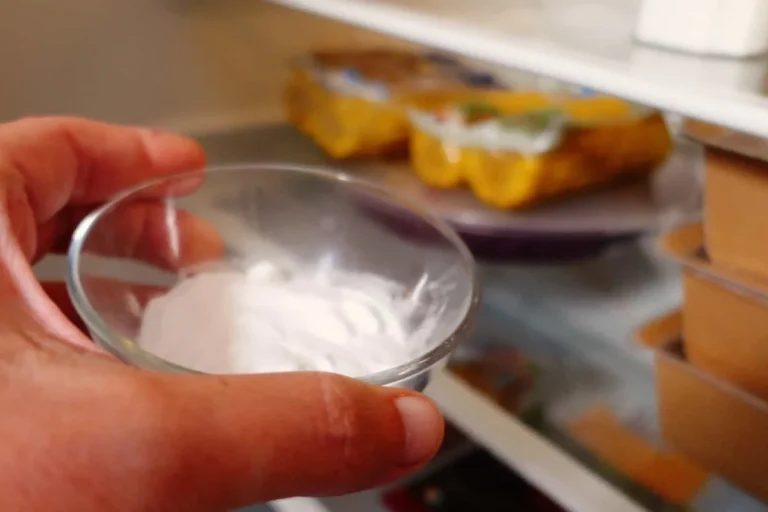
Keep baking soda in a tightly closed container in a cool, dry pantry. Avoid storing it open near onions, garlic, or spices because it can absorb odors.
If you buy it in a cardboard box, many cooks transfer it to a sealed container after opening. That can help protect it from humidity and accidental spills.
When to replace old baking soda and how to test freshness
Baking soda does not usually “spoil” in the same way fresh food does, but it can lose effectiveness over time if exposed to air and moisture. If the box has been open for a long time, a freshness test can help.
To test it, add a small spoonful to a little vinegar or another acidic liquid. If it fizzes strongly, it is still active. If the reaction is weak, replace it before baking an important recipe.
Food safety and cleaning uses versus baking uses
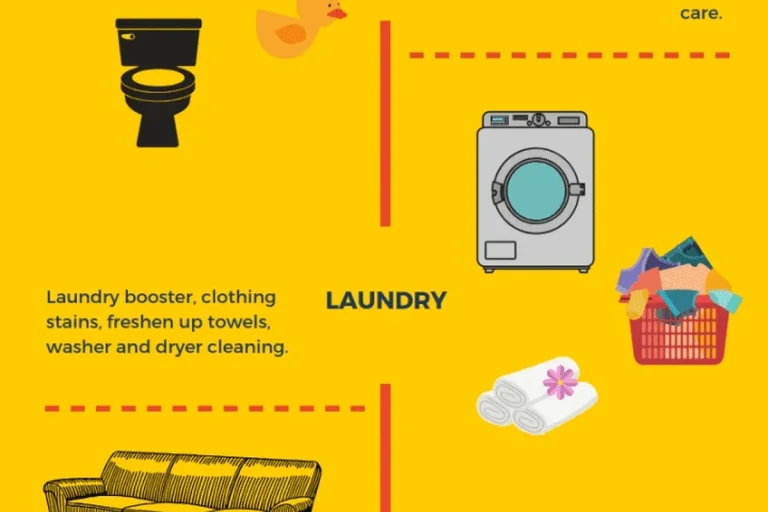
Baking soda is also used for cleaning and deodorizing, but that does not mean every product labeled the same way is suitable for food. Keep pantry ingredients separate from cleaning supplies whenever possible.
For food safety questions involving packaged products, ingredient labeling, or contamination concerns, follow the package directions and consult recognized public guidance such as FDA or USDA resources when relevant. This is especially important if you are baking for someone with allergies or dietary restrictions.
Do not use an unlabeled or cleaning-only product in baking. If you are unsure whether a powder is food-grade, do not add it to dough or batter.
Final Recap: Choosing the Right Spanish Term and Using Baking Soda with Confidence
For most baking situations, the best Spanish translation for baking soda is bicarbonato de sodio. That is the term to use in recipes, shopping, and baking school settings when you want to be clear and accurate.
When to use the translation in recipes, shopping, and baking school settings
Use the full phrase when reading labels, asking for ingredients, or writing recipe notes. In casual conversation, bicarbonato may be enough, but the full term is better when precision matters.
If you are studying baking or following a Spanish-language formula, confirm whether the recipe means baking soda or baking powder before you start. That one check prevents many common mistakes.
What to remember before baking from a Spanish-language formula
Remember that baking soda needs acid, careful measuring, and prompt baking after mixing. If the recipe is balanced, it can improve rise, browning, spread, and tenderness in the finished product.
For more ingredient and equipment basics that affect baking results, you may also find it helpful to review related kitchen safety topics such as air fryer safety concerns, preheating kitchen appliances, and liner safety guidance. Those articles cover different tools, but the same habit applies: read instructions carefully and match the ingredient or appliance to the task.
- Use bicarbonato de sodio for baking soda in Spanish-language recipes
- Check whether the recipe also includes an acid
- Measure carefully and mix evenly with dry ingredients
- Do not confuse it with polvo de hornear
- Do not assume every white powder is food-safe
- Do not overuse it to force extra rise
Used correctly, baking soda is a small ingredient with a big effect. Once you know the Spanish term and how it behaves in a formula, you can read recipes more confidently and bake with fewer surprises.
Frequently Asked Questions
The most common translation is bicarbonato de sodio . In casual speech, some people shorten it to bicarbonato when the context is clearly baking.
No. Bicarbonato de sodio is baking soda, while polvo de hornear is baking powder. They work differently in recipes.
Check the exact ingredient name. If it says bicarbonato de sodio , use baking soda; if it says polvo de hornear , use baking powder.
Use the amount written in the recipe and measure carefully. Baking soda is strong, so even small changes can affect flavor and texture.
Not as a direct one-to-one swap. Baking powder and baking soda are not interchangeable without adjusting the recipe.
Store it in a sealed container in a cool, dry place. Keep it away from strong odors and check freshness if it has been open for a long time.