Baking soda can help remove surface stains and freshen breath, but it should only be used occasionally and gently. For daily brushing, fluoride toothpaste is still the safer and more effective choice.
Brushing teeth with baking soda is a simple home remedy people still ask about in 2026. It can help with surface stains and odor control, but it also has limits and should not replace fluoride toothpaste or regular dental care.
- Surface cleaning: Baking soda can lift light stains, but only at the surface level.
- Daily care: Fluoride toothpaste is still the better choice for cavity prevention.
- Technique matters: Hard brushing or frequent use raises the risk of irritation and wear.
- Not for everyone: Sensitive teeth, gum problems, braces, and dental work need caution.
- Safer path: Use baking soda only occasionally, and ask a dentist if you are unsure.
What “Brushing Teeth with Baking Soda” Means in 2026
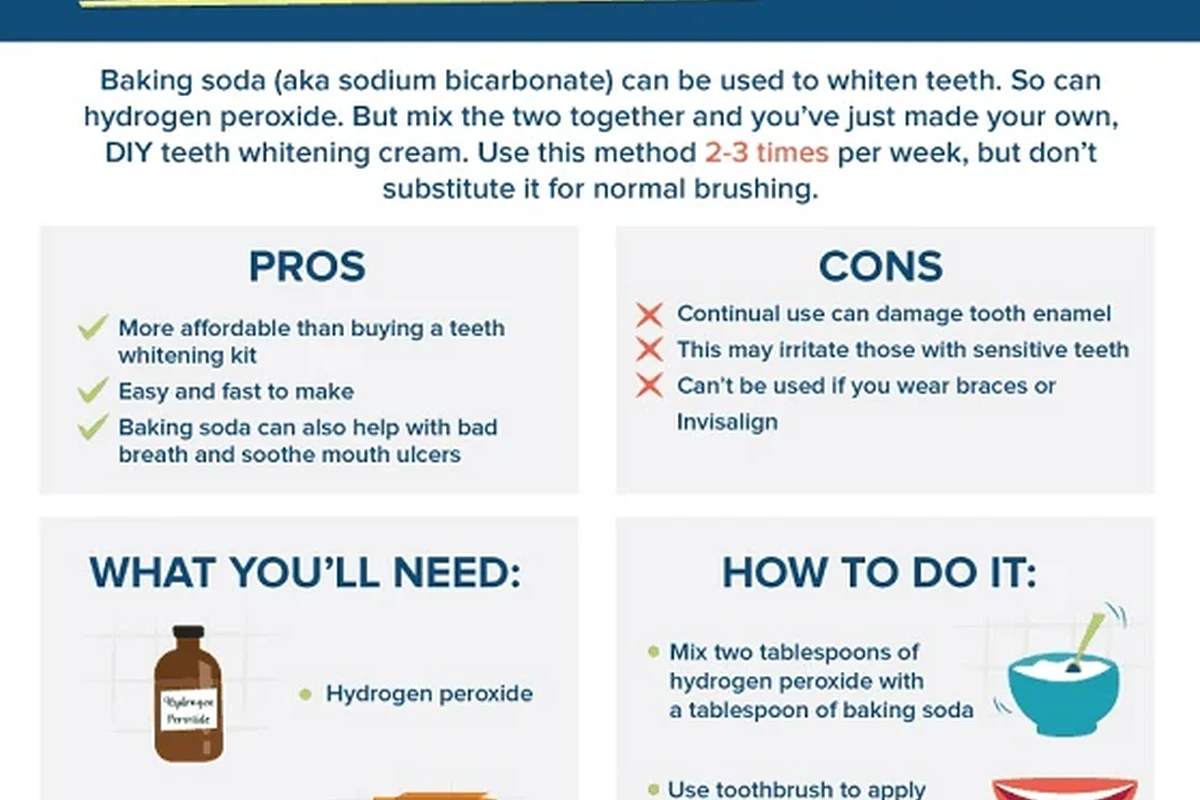
In everyday use, this means putting a small amount of sodium bicarbonate on a damp toothbrush or mixing it into a gentle paste for short-term cleaning. The appeal is easy to understand: it is cheap, familiar, and already sitting in many kitchens.
People often look for it when they want a quick whitening boost, a fresher mouth, or a low-cost alternative to commercial products. That said, home remedies can be useful for some tasks, but they are not automatically safer or more effective than a standard toothpaste routine.
Why people still search for this home remedy
Search interest stays high because baking soda has a reputation for being “natural” and effective. It also fits the kind of practical, no-fuss solution many readers want when they are trying to reduce stains from coffee, tea, or smoking.
There is also a common misunderstanding that if a little baking soda helps clean a sink or pan, more of it should help on teeth. In oral care, stronger is not better, because the mouth has softer tissues and enamel that can be worn down over time.
How baking soda differs from fluoride toothpaste
Baking soda mainly works as a mild abrasive and a pH buffer. It can scrub away some surface debris and help reduce acidity in the mouth, but it does not provide the same cavity-fighting benefit as fluoride toothpaste.
Fluoride toothpaste is designed to support enamel remineralization and lower cavity risk. Baking soda may be part of some toothpaste formulas, but the full product is usually balanced with other ingredients that make it more suitable for routine brushing.
A baking soda paste can feel very clean after one use because it removes surface film. That “squeaky clean” feeling does not mean it has whitened deeper tooth color or treated dental problems.
Potential Benefits of Brushing with Baking Soda
Used carefully, baking soda can offer a few practical benefits. Most of them are short-term and cosmetic, not medical or restorative.
Surface stain removal and whitening expectations
Baking soda can help lift light surface stains from coffee, tea, and everyday plaque buildup. It works more like a gentle polish than a bleach, so the result is usually a modest brightening rather than a dramatic whitening.
That distinction matters. If discoloration comes from deeper changes in the tooth or from old fillings, baking soda will not correct it. For that kind of concern, a dentist-approved whitening product or professional cleaning is usually a better fit.
Odor control and temporary freshening effects
Baking soda can help neutralize some acids and odors in the mouth, which is why it may leave breath feeling fresher for a while. This effect is temporary and does not replace brushing, flossing, or tongue cleaning.
For someone who wants a quick refresh after a meal, it can be useful in a limited way. Still, persistent bad breath can point to gum disease, dry mouth, or another issue that needs dental attention.
Low-cost and easy-to-find use cases
One reason baking soda remains popular is convenience. It is inexpensive, widely available, and easy to use in small amounts without special tools.
That said, low cost should not be the only factor. In oral care, the safest choice is usually the one that balances cleaning power, enamel protection, and long-term cavity prevention.
- May remove some surface stains
- Can temporarily reduce mouth odor
- Cheap and easy to find
- Does not replace fluoride protection
- Can be too abrasive if overused
- Results are usually mild and short-lived
Risks, Limits, and Dental Safety Concerns
The biggest issue with brushing teeth with baking soda is not that it is always harmful. The problem is that repeated or aggressive use can create avoidable wear and irritation, especially if the person already has sensitivity or enamel loss.
Abrasiveness and enamel wear over time
Baking soda is generally less abrasive than many scrubbing powders, but it still acts like a mild abrasive. If you brush hard, use it often, or combine it with a stiff brush, you increase the chance of wearing down enamel and irritating the gumline.
Enamel does not grow back once it is lost. That is why routine oral care should prioritize gentle technique and products made for daily use rather than turning a one-off home remedy into a permanent habit.
Gum irritation, sensitivity, and mouth sores
Some people notice stinging or dryness after using baking soda directly on the teeth and gums. If the paste is too gritty, too concentrated, or brushed in with pressure, it can bother sensitive tissue and small mouth sores.
People with receding gums or exposed root surfaces may feel this more strongly. If brushing leaves your mouth feeling raw, that is a sign to stop and switch back to a gentler toothpaste.
If you have ongoing tooth pain, bleeding gums, swelling, or mouth sores that do not heal, do not keep experimenting with home remedies. A dental exam is the right next step.
Why baking soda should not replace fluoride care
Fluoride toothpaste remains the standard for daily cavity prevention because it supports enamel in a way baking soda does not. Baking soda can be a helper, but it is not a substitute for the protective role of fluoride.
For most people, the safest routine is still twice-daily brushing with fluoride toothpaste, flossing once a day, and regular dental checkups. That is the foundation; baking soda is only an occasional add-on if a dentist says it makes sense.
How Baking Soda Is Used in Oral Care Products and DIY Routines
You will often find baking soda in toothpaste because it can support cleaning and help neutralize acids. In a formulated product, it is usually balanced with humectants, flavoring, fluoride, and other ingredients that make it easier and safer to use.
Baking soda is alkaline, which means it can help counter some acidity in the mouth. That is one reason it appears in some toothpaste formulas and mouth-care products.
Typical ingredient roles in toothpaste formulas
In toothpaste, baking soda is usually one part of a larger system. It may help with cleaning, odor control, and pH balance, while fluoride handles cavity prevention and other ingredients improve texture and shelf life.
This matters because a finished toothpaste is not the same as a spoonful of baking soda from the pantry. The formula is designed so the cleaning action is more controlled and the overall product is more comfortable for daily use.
Common DIY amounts and why stronger is not better
If someone chooses to use baking soda at home, a small amount is the safer approach. A light dusting on a wet brush or a thin paste is usually enough for occasional use, and there is little reason to make it thick or gritty.
Using more does not create a better result. It usually just increases the chance of abrasion, mess, and gum irritation, which defeats the purpose of trying to clean gently.
Examples of short-term versus occasional use
Short-term use can mean a brief stain-focused routine before an event or after a period of heavy staining foods. Occasional use may mean once in a while, not every day, and only if your gums and enamel tolerate it well.
For regular brushing, the better choice is still a fluoride toothpaste. If you want a more stain-focused option, ask a dentist which whitening product fits your teeth and history.
Common Mistakes People Make When Using Baking Soda on Teeth
Most problems come from technique, not from the ingredient alone. The wrong habits can turn a mild cleaner into an irritating one.
Brushing too hard or too often
Pressing hard does not clean better. It usually just increases friction along the enamel and gumline, especially if the brush has firm bristles.
If you are used to scrubbing baking trays or pans, it helps to remember that teeth are not cookware. Gentle pressure and short use are the safer path.
Use a soft-bristled toothbrush and light pressure. If your teeth feel rough, sensitive, or “chalky” afterward, stop using baking soda and return to a standard fluoride toothpaste.
Using it on its own for whitening expectations
Many people expect baking soda to whiten teeth the way bleach-based products can. That is not how it works. It may remove some surface discoloration, but it will not change the natural shade of the tooth in a dramatic way.
When expectations are too high, people often overuse the product and then blame themselves when the result is disappointing. A realistic goal is cleaner-looking surface teeth, not a cosmetic makeover.
Mixing with acidic ingredients or harsh additives
Some DIY advice suggests mixing baking soda with lemon juice, vinegar, peroxide, or other strong ingredients. That can be a bad tradeoff because acidic mixtures may damage enamel, and harsh additives can irritate tissue.
Simple is safer. If you are trying a home approach, plain baking soda and water is the least complicated version, but even that should be used sparingly.
Who Should Avoid or Limit Baking Soda Brushing
Not everyone is a good candidate for this home remedy. The more fragile the enamel or gum tissue, the more careful you should be.
People with enamel erosion, braces, or sensitive teeth
Anyone with known enamel erosion should be cautious, because extra abrasion can make sensitivity worse. The same is true for people who already react to cold, brushing, or whitening products.
Braces and other orthodontic appliances can also make DIY brushing less practical. It is easy to miss plaque around brackets, and a dentist or orthodontist may recommend a specific toothpaste or cleaning method instead.
Children and anyone with gum disease or dental work
Children should generally use age-appropriate toothpaste and brushing guidance from a dentist or pediatric dental professional. Home remedies are not the place to improvise with a child’s oral care.
People with gum disease, crowns, veneers, bonding, or recent dental work should also check first. Different materials and tissue conditions can change how a product feels and whether it is appropriate.
Safer Alternatives and Better Whitening or Cleaning Options
If your goal is cleaner teeth, fresher breath, or a brighter smile, there are safer options than relying on baking soda alone. The best choice depends on whether you want daily prevention or cosmetic improvement.
Fluoride toothpaste and dentist-approved whitening products
For everyday use, fluoride toothpaste is the most reliable starting point. If whitening is the goal, dentist-approved whitening strips, gels, or toothpastes may offer more predictable results than a DIY paste.
These products still need to be chosen carefully, especially if you have sensitivity. Reading the label and following directions matters because overuse can cause discomfort even with commercial products.
Professional cleaning and when to ask a dentist
If stains are stubborn, a professional cleaning may remove buildup that brushing cannot. That is often the simplest way to improve appearance without increasing abrasion at home.
Ask a dentist if discoloration is new, uneven, or accompanied by pain, sensitivity, or bleeding. Those signs matter more than cosmetic concerns and should not be covered up with repeated home treatments.
Practical examples of safer everyday oral care routines
A solid routine usually looks simple: brush twice a day with a soft brush and fluoride toothpaste, floss once a day, and rinse or drink water after stain-causing foods when possible. That combination does more for long-term oral health than a harsh whitening experiment.
If you want a stain-control boost, use a whitening toothpaste or a dentist-recommended product instead of replacing your whole routine. For readers who like practical comparisons, our guides on air fryer liner safety and whether air fryers need preheating show the same principle: the right tool works best when used as intended, not pushed beyond its design.
Final Verdict: When Baking Soda Makes Sense and When It Does Not
Brushing teeth with baking soda can make sense as an occasional, limited-use helper for surface stains or temporary freshness. It does not make sense as your main toothpaste, your whitening plan, or a fix for dental problems.
Decision guide for occasional use versus regular brushing
Choose occasional use only if your teeth and gums are healthy, you use a soft brush, and you keep expectations modest. Choose regular fluoride toothpaste for daily brushing, because that is the better long-term protection against cavities and enamel damage.
If you are tempted to use baking soda often, that is usually a sign to switch to a better-fitting product. Frequent use is where the risk starts to outweigh the convenience.
Baking soda can be a useful short-term cleaner, but it should stay in the “occasional helper” category for most people. Before trying it regularly, confirm with a dental professional that your enamel, gums, and any dental work can tolerate it.
What to confirm with a dental professional before trying it
Ask whether your enamel shows signs of erosion, whether your sensitivity suggests a different toothpaste, and whether any crowns, braces, or gum issues change the advice. That quick check can prevent avoidable irritation and help you choose a safer routine.
In oral care, the best results usually come from consistency, not aggressive scrubbing. Baking soda has a place, but it is not the foundation of healthy teeth.
Frequently Asked Questions
It can help remove some surface stains and make teeth look a little brighter. It does not bleach teeth or change their natural color in a major way.
Occasional use is the safer approach for most people. It should not replace daily brushing with fluoride toothpaste.
It may irritate sensitive teeth or gums, especially if used often or brushed too hard. If you already have sensitivity, check with a dentist before trying it.
No. Acidic ingredients can be hard on enamel, and harsh DIY mixtures can increase irritation instead of helping.
Children should use age-appropriate toothpaste and brushing guidance from a dental professional. Home remedies are not a good substitute for that advice.
Ask if stains are stubborn, uneven, or paired with pain, bleeding, or sensitivity. Those signs can point to a problem that home care will not fix.
