
Bread Soda Baking Powder Uses and Easy Substitutes
Bread soda is baking soda, while baking powder includes its own acid and works more independently. Use the right one based on the recipe’s acidity, then measure carefully and bake promptly after mixing.
Bread soda and baking powder are easy to mix up, especially when a recipe uses older wording or a package label is unclear. This guide explains what each ingredient does, how to swap them carefully, and how to avoid flat, bitter, or uneven bakes.
- Ingredient difference: Bread soda needs acid to work well, while baking powder already contains acid salts.
- Best use: Bread soda suits acidic recipes and stronger browning; baking powder is better for neutral.
- Substitution caution: Swaps are possible, but acid balance and timing must be adjusted.
- Common failure signs: Bitter taste, flat rise, dense crumb, or excess browning usually point to leavener imbalance.
- Storage matters: Keep both ingredients dry, sealed, and clearly labeled for reliable baking results.
What “Bread Soda” and Baking Powder Mean in Modern Baking
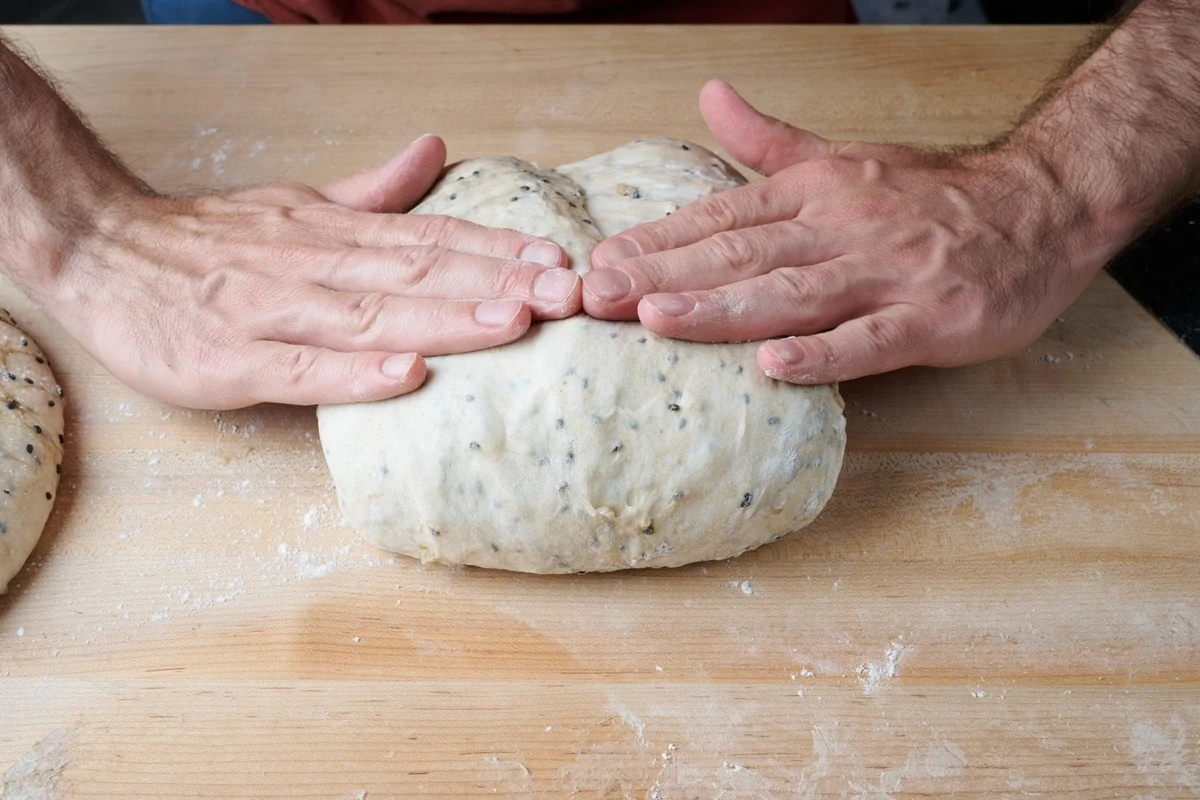
In many kitchens, “bread soda” is another name for baking soda, or sodium bicarbonate. Baking powder is a different ingredient that already contains an acid plus a base, so it can create lift without needing the same kind of recipe support.
Why the terms are often confused in 2026 search results and kitchen labels
Search results can blur the terms because home bakers use them interchangeably in conversation, even though the ingredients are not the same. Some recipe archives also use older regional language, so “bread soda” may appear in soda bread recipes, while “baking powder” appears in cake and biscuit formulas.
Package labels can add to the confusion because both ingredients are white powders and both help baked goods rise. The key difference is that bread soda needs an acid in the batter or dough to work well, while baking powder brings its own acid system.
How bicarbonate of soda, baking soda, and baking powder differ chemically
Bicarbonate of soda and baking soda are the same ingredient. When moisture and acid are present, they release carbon dioxide gas, which expands in the oven and helps the batter rise.
Baking powder usually contains baking soda plus one or more acid salts and starch. Most modern baking powder is double-acting, which means it releases some gas when mixed and more gas when heated.
Baking soda is much stronger than baking powder by weight, which is why a small measuring error can change flavor and texture quickly.
How Bread Soda Works in Doughs, Batters, and Quick Breads
Bread soda works best when a recipe has enough acid to activate it and enough structure to hold the gas before it escapes. In quick breads and batters, that structure usually comes from flour, eggs, and proper mixing.
Acid, heat, and moisture: what activates each leavening ingredient
Moisture starts the reaction, but acid determines how fully baking soda can do its job. Common acids include buttermilk, yogurt, sour cream, citrus juice, vinegar, brown sugar, molasses, and natural cocoa that has not been heavily alkalized.
Heat matters because it helps expand the gas and set the crumb. Baking powder can keep working through the oven stage, while baking soda mostly depends on the initial acid reaction and the batter’s timing.
Where bread soda performs best in everyday baking school examples
In baking school-style examples, bread soda is especially useful in soda bread, chocolate cakes with acidic ingredients, gingerbread, and certain cookie formulas. It can also help with browning because alkaline doughs encourage more surface color.
It is often chosen when a recipe needs a slightly more open crumb, a deeper color, or a mild flavor adjustment. A good example is a buttermilk muffin, where the acid supports the soda and the batter rises quickly in the oven.
Common flavor and texture changes when the wrong leavener is used
If you use too much baking soda without enough acid, the finished bake can taste soapy, metallic, or bitter. The crumb may also turn yellowish or brown too quickly because the batter becomes more alkaline than intended.
If you use baking powder where a recipe expects baking soda, the rise may be weaker or slower than expected. The texture can become tighter, and the flavor may taste slightly flat because the acid balance is no longer right.
Do not assume a recipe can take a one-to-one swap between bread soda and baking powder. The acid balance, sweetness, and liquid level all affect the final result.
Practical Uses for Bread Soda Baking Powder in Home and Classroom Baking
Many recipes use one ingredient or a blend of both, depending on the desired rise and flavor. In a teaching kitchen, this is a helpful way to show how leavening changes crumb, spread, and browning.
Cookies, muffins, pancakes, scones, cakes, and soda breads
Cookies often use baking soda to support spread, browning, and chew. Muffins and pancakes may use baking powder for a steady lift, or a mix of both when the formula includes acidic dairy.
Scones and quick breads often rely on baking powder for a more even rise, while traditional soda bread usually depends on bread soda plus buttermilk. Cakes can use either ingredient depending on whether the recipe needs a neutral, even rise or a more pronounced reaction with acidic ingredients.
When a formula needs lift, browning, tenderness, or neutralization
Bread soda is useful when the batter needs neutralization of acidity, faster browning, or a more pronounced spread. Baking powder is useful when the recipe needs lift without changing flavor balance too much.
In some formulas, the goal is tenderness rather than height. A small amount of leavener can lighten the crumb just enough to avoid heaviness, especially in denser batters like spice cake or bran muffins.
Examples of recipes that rely on one ingredient versus a blend
Classic soda bread usually depends on bread soda and an acidic liquid such as buttermilk. Many pancakes and boxed-style cakes rely on baking powder because it gives reliable, even rise with less flavor adjustment.
Some recipes use both ingredients. For example, a chocolate cake with buttermilk may use baking soda for acidity control and baking powder for extra lift, which helps the cake rise without collapsing.
Good for baking soda plus baking powder when you want lift, tenderness, and balanced flavor.
Best for bread soda because the acid in the dairy helps drive the rise.
Often work well with baking powder for a steady, even rise and soft crumb.
How to Substitute Bread Soda for Baking Powder and Vice Versa
Substitution is possible, but it is not always exact. The safest approach is to match the recipe’s acid level and then adjust the amount of leavener carefully.
Simple substitution ratios and when they are not reliable
A common rule of thumb is that baking powder is weaker than baking soda, so you need more of it to get similar lift. In practice, a recipe may need about three times as much baking powder as baking soda, but that ratio is only a rough guide and can vary by brand and formula.
That is why this swap is not reliable in every recipe. If the batter already contains acid, extra baking powder may taste chalky or leave a slightly dry finish, while too little soda may not neutralize the acid enough.
How to add acid when replacing baking powder with bread soda
If you replace baking powder with bread soda, you usually need to add an acid source such as buttermilk, yogurt, sour cream, lemon juice, or vinegar. The exact amount depends on the recipe’s total liquid, sweetness, and other acidic ingredients.
Start by matching the recipe style rather than forcing a strict conversion. A quick bread with milk and no acid may need a different adjustment than a chocolate batter that already includes cocoa and brown sugar.
Double-acting baking powder reacts twice, so it gives more forgiving timing than bread soda alone. That extra buffer is one reason it is often preferred in beginner-friendly recipes.
Why double-acting baking powder changes timing and rise expectations
Because double-acting baking powder releases gas in two stages, it is less sensitive to a short delay between mixing and baking. That makes it helpful for batters that need a few minutes of rest or need to be portioned before going into the oven.
Bread soda, by contrast, starts reacting as soon as it meets moisture and acid. If the batter sits too long, some of the gas escapes before baking, which can reduce oven spring.
Measuring, Mixing, and Timing for Better Results
With leavening, small measurement errors matter. A little too much can create bitterness and overbrowning, while too little can leave a heavy, compact crumb.
Accurate teaspoon-level measurements and why overuse causes problems
Use level teaspoons and avoid packing the powder unless the recipe says to do so. Measuring by volume is common in home baking, but the result still depends on how densely the ingredient sits in the spoon.
Overuse can make the batter rise too fast, then collapse, especially if the structure is weak or the oven is not fully preheated. It can also create a harsh aftertaste that is hard to fix after baking.
Mixing methods that prevent tunneling, uneven rise, or bitter spots
Mix dry ingredients together first so the leavener disperses evenly. If baking soda or baking powder sits in one pocket of batter, you may see tunnels, uneven domes, or isolated bitter bites.
For muffins and quick breads, stir only until the flour disappears. Overmixing develops gluten and can make the crumb tough, which hides the benefit of the leavener.
Working quickly after activation in batters and doughs
Once acid and moisture meet bread soda, get the batter or dough into the pan and into the oven promptly. This matters most for recipes that depend on immediate carbon dioxide release for lift.
For best results, preheat the oven fully and prepare the pan before mixing the wet and dry ingredients. If you need a more flexible timeline, baking powder usually gives you that extra margin.
Measure ingredients, preheat the oven, and line or grease the pan before mixing the leavener into wet ingredients.
Transfer quickly so the gas stays in the batter long enough for oven spring and crumb setting.
Let the bake set before slicing so the interior structure does not compress or seem gummy.
Common Mistakes, Troubleshooting, and Doneness Clues
Most leavener problems show up as texture, color, or flavor changes. The good news is that the clues are usually visible and easy to connect back to the ingredient balance.
Flat bakes, soapy taste, dense crumb, and excessive browning
A flat bake often means the leavener was weak, old, or not matched with the right acid. A soapy taste usually points to too much baking soda, while a dense crumb may come from underleavening, overmixing, or batter that sat too long.
If the top browns too quickly, the batter may be too alkaline or the oven may run hot. Oven calibration matters, so a loaf that looks done at the edges may still be underbaked in the center.
The cake rises, then sinks in the middle.
The batter may have too much leavener, too little structure, or an oven that was not hot enough. Check freshness, avoid overmixing, and verify the oven temperature.
How to tell whether the issue is old leavener, weak acid, or overmixing
Old baking powder may not bubble strongly in a simple hot-water test, and old baking soda may lose power if it has absorbed moisture or odors from storage. Weak acid is more likely when a recipe uses soda but only mild dairy or not enough acidic ingredient.
Overmixing usually shows up as a tight, rubbery crumb with tunnels or a peaked top. If the batter looks smooth but the finished bake is heavy, the issue is often leavener strength or formula balance rather than mixing alone.
Visual and tactile signs that quick breads and cakes are properly baked
Look for a golden or evenly browned top, edges that pull slightly from the pan, and a center that springs back when lightly pressed. A toothpick test can help, but it should come out with a few moist crumbs for many quick breads and cakes, not wet batter.
For loaf-style bakes, the center should feel set rather than jiggly. Let the crumb cool before judging the final texture, because steam can make a hot loaf seem softer than it really is.
Storage, Shelf Life, and Safety for Leavening Ingredients
Leavening ingredients are simple, but they still need proper storage. Heat, moisture, and odor transfer can all reduce performance over time.
How to store bread soda and baking powder to keep them effective
Keep both ingredients in tightly closed containers in a cool, dry cupboard away from the stove and dishwasher steam. Moisture is the biggest enemy because it can trigger premature reaction or clumping.
Do not store them in open bowls or near strong-smelling foods. Baking soda can absorb odors, which may affect flavor if the container is not sealed well.
Simple freshness tests and when to replace an opened container
For baking powder, stir a small amount into hot water; active powder should bubble promptly. For baking soda, add a little vinegar or lemon juice; it should fizz strongly if it is still effective.
If a container has been open for a long time, or if the test is weak, replace it. Exact shelf life varies by brand and storage conditions, so use the manufacturer’s date guidance when available.
Keep baking powders and baking sodas away from children’s reach in shared kitchens, and label containers clearly to prevent accidental substitution during class prep.
Food safety and labeling concerns in shared kitchens and baking classes
Shared kitchens should label ingredients carefully to reduce mix-ups, especially when students are working quickly. If a recipe contains allergens such as dairy, eggs, wheat, or cocoa processed with shared equipment, check labels and follow classroom cross-contact procedures.
For general food safety, follow recognized guidance for storing dry goods, preventing contamination, and handling raw flour or eggs responsibly. If a recipe includes raw batter tasting, remember that uncooked flour and eggs can carry risk, so tasting should be avoided unless the recipe is fully baked or uses safe alternatives.
Choosing the Right Leavener for the Best Use Case
The best choice depends on the recipe’s acidity, the texture you want, and how much timing control you need. In many cases, the right answer is not either/or but a careful blend.
When bread soda is the better choice for flavor, color, or structure
Choose bread soda when the recipe already includes enough acid and you want quick reaction, stronger browning, or a more traditional soda-bread flavor. It can also help balance sweetness and acidity in recipes like gingerbread or dark chocolate cake.
This is especially useful when the formula is designed around buttermilk, yogurt, molasses, or natural cocoa. In those cases, bread soda supports both flavor and structure instead of fighting the recipe.
When baking powder is the safer substitute for consistent rise
Choose baking powder when you want more predictable rise and less dependence on acidic ingredients. It is often the safer choice for beginners because it is more forgiving if the batter sits briefly before baking.
If you are adapting a recipe and are unsure about acidity, baking powder usually gives a more stable result. It may not deliver the same flavor nuance as bread soda, but it is often easier to control.
- Bread soda gives strong browning and works well in acidic recipes.
- Baking powder offers more reliable rise in neutral batters.
- Using the right leavener improves flavor and crumb.
- Too much bread soda can taste bitter or soapy.
- Baking powder can be less effective in very old containers.
- Swapping without adjusting acid can cause flat or uneven bakes.
Final decision guide for students, home bakers, and recipe testers
If the recipe contains a clear acid like buttermilk, yogurt, molasses, or natural cocoa, bread soda may be the better fit. If the recipe is neutral and you want dependable lift, baking powder is usually the better choice.
For students and home bakers, the safest habit is to read the formula first, check the age of your leavener, and mix promptly after activation. When in doubt, test a small batch before changing a full recipe, because ingredient brand, oven calibration, pan size, and humidity can all affect the final bake.
For more kitchen technique context, you may also find it useful to compare how other small appliance choices affect baking results, such as air fryer preheating habits, or review air fryer liner safety when working in a mixed-use home kitchen. If you are building a broader equipment routine, our guide to toasting bread in air fryers can help you compare browning and heat control across methods.
Frequently Asked Questions
Yes. Bread soda is another name for baking soda, or sodium bicarbonate, in many recipes and kitchen traditions.
Sometimes, but not always reliably. Baking powder is weaker and already contains acid, so the recipe may need adjustment for flavor and rise.
Too much baking soda can cause a bitter or soapy taste, extra browning, and a coarse or collapsed crumb. It can also throw off the recipe’s acid balance.
The baking powder may be old, the batter may have been overmixed, or the oven may not have been hot enough. Dense texture can also happen if the pan is too large or the formula is unbalanced.
Store both in tightly sealed containers in a cool, dry cupboard away from steam and strong odors. Moisture and heat can reduce their effectiveness over time.
Stir a little into hot water; active baking powder should bubble promptly. If the reaction is weak, replace the container.

