
Is Baking Soda a Base What You Need to Know
Yes, baking soda is a base, and that is why it reacts with acids to help baked goods rise. Use it only when the recipe has enough acid, or the flavor and texture can suffer.
If you have ever wondered is baking soda a base, the short answer is yes. In the kitchen, that basic behavior is what helps it react with acids, create gas, and give baked goods lift.
- Base behavior: Baking soda is sodium bicarbonate and acts as a mild base.
- Recipe role: It needs an acid partner to release carbon dioxide and create lift.
- Best uses: It works well in quick breads, cookies, pancakes, and acidic batters.
- Common problems: Too much can cause bitterness, dark color, and poor texture.
- Kitchen use: It also helps with cleaning and odor control when used safely.
What Baking Soda Is: The Chemistry Behind a Common Baking Ingredient
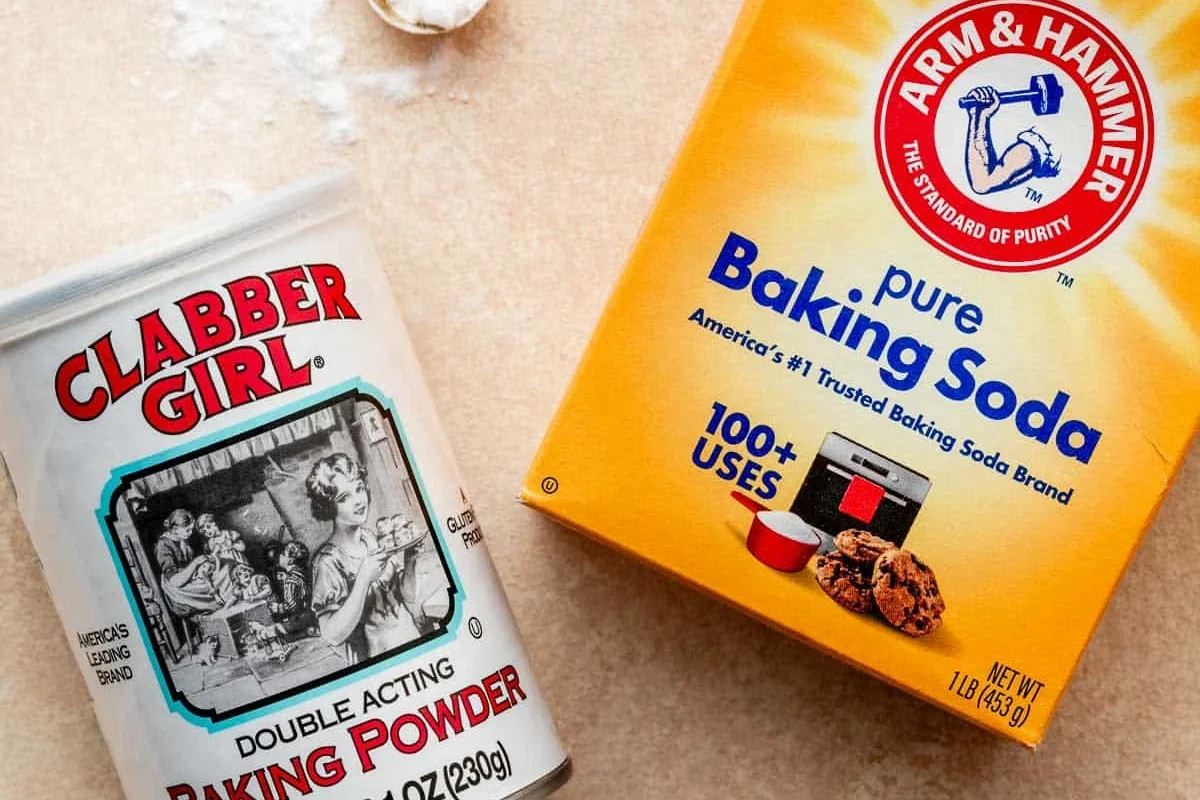
Baking soda is sodium bicarbonate, a simple chemical compound used in baking, cleaning, and odor control. In recipes, it works because it is alkaline, meaning it has base-like behavior when dissolved and mixed with acidic ingredients.
Why sodium bicarbonate behaves like a base in food and science
On a chemistry level, sodium bicarbonate can neutralize acids. That is why it is often described as a base in both science and kitchen use, even though it is a mild one compared with stronger household cleaners.
When it meets an acid, it begins a reaction that releases carbon dioxide gas. That gas is the same reason cakes, muffins, and quick breads can rise without yeast.
How baking soda differs from baking powder and baking ammonia
Baking soda is just one ingredient: sodium bicarbonate. Baking powder contains baking soda plus acids and starch, so it can work with moisture alone, while baking ammonia is a different leavener used more often in specialty cookies and crackers.
- Fast reaction when paired with acid
- Useful in recipes that need browning and spread control
- Needs enough acid to work well
- Can leave a soapy taste if overused
Is Baking Soda a Base? Understanding pH, Acids, and Alkalinity
Yes, baking soda is a base because it has alkaline properties and can raise the pH of a mixture. It is not a strong base, but it is basic enough to affect flavor, color, texture, and chemical reactions in food.
What makes a substance basic on the pH scale
The pH scale measures how acidic or alkaline a substance is. Values below 7 are acidic, 7 is neutral, and values above 7 are basic or alkaline.
Baking soda dissolved in water typically makes a solution that is mildly alkaline. That is why it can help reduce acidity in a batter or dough and why it also works in some cleaning uses.
How baking soda reacts with acids in batters, doughs, and cleaners
In baking, acids such as buttermilk or yogurt trigger baking soda to release carbon dioxide. In cleaning, that same acid-base reaction can help loosen grime or neutralize odors, although the cleaning result depends on the surface and soil type.
The reaction starts as soon as the ingredients meet moisture, so timing matters. If a batter sits too long before baking, some of the gas can escape before the oven heat sets the structure.
Practical examples of alkaline behavior in everyday baking
Alkaline ingredients can deepen browning, soften some batters, and change flavor balance. You may notice this in chocolate cakes, ginger cookies, and pancakes that spread and brown more quickly than acidic batters without baking soda.
Alkaline batters often brown faster because higher pH can encourage stronger browning reactions during baking.
How Baking Soda Works in Baking Recipes
Baking soda is a leavening agent, which means it helps dough or batter rise. It does this by producing carbon dioxide, which expands in the heat of the oven and creates a lighter crumb.
Leavening action: carbon dioxide release and lift
When baking soda reacts with acid and moisture, bubbles form right away. In the oven, those bubbles expand, and the surrounding starches and proteins set around them, creating lift and structure.
Why recipes need an acid partner for proper rise
Without enough acid, baking soda may not fully react. That can leave a metallic or soapy flavor and can also weaken the rise because the chemical balance in the batter is off.
This is why recipe formulas matter. A well-written recipe accounts for the amount of acid, moisture, and mixing time needed for reliable results.
Common ingredient pairings: buttermilk, yogurt, cocoa, molasses, and brown sugar
Classic partners for baking soda include buttermilk and yogurt, both of which bring noticeable acidity. Natural cocoa, molasses, and brown sugar can also contribute acidity, though the exact effect depends on the brand and recipe.
When Baking Soda Is the Right Choice and When It Is Not
Baking soda works best in recipes that already include an acid. It is also useful when a baker wants quick lift, stronger browning, or a slightly softer texture in the finished product.
Best recipe types for baking soda-based leavening
Quick breads, muffins, pancakes, cookies, and some chocolate cakes often use baking soda. These recipes usually rely on a fast chemical reaction rather than yeast fermentation for rise.
It is especially helpful in batters that need immediate lift once they are mixed. That is one reason many home bakers keep it on hand as a basic pantry staple.
Signs a recipe needs baking powder instead
If a recipe has little or no acidic ingredient, baking powder is often the better choice. Baking powder already contains the acid needed for leavening, so it can raise a batter that does not have buttermilk, yogurt, citrus, or another acid source.
Some recipes use both baking soda and baking powder. That combination can balance flavor, control spread, and improve rise, but the exact ratio depends on the formula.
What happens when too much baking soda is used
Too much baking soda can create a bitter or soapy taste, a dark color, and a coarse crumb. It can also cause the batter to rise too fast and then collapse before the structure sets.
The baked good tastes metallic, turns unusually dark, or sinks in the center.
Check the recipe balance, measure carefully, and confirm there is enough acidic ingredient for the amount of baking soda used.
Measuring, Substituting, and Troubleshooting Baking Soda in the Kitchen
Because baking soda is powerful in small amounts, accuracy matters. Even a little extra can change flavor and texture, especially in delicate cakes or cookies.
How to measure baking soda accurately for consistent results
Use a level measuring spoon rather than a heaping one. If the recipe is very precise, sift or whisk dry ingredients together so the baking soda is evenly distributed before adding wet ingredients.
- Check that the baking soda is fresh and dry
- Measure with a level spoon
- Mix it evenly with the dry ingredients
- Preheat the oven before combining wet and dry ingredients
Safe substitution guidelines and why swaps can change texture and flavor
Swapping baking soda for baking powder is not always a simple one-to-one change. Because baking powder contains added acid and starch, the amount needed is different, and the final recipe may taste flatter or less balanced if changed without adjusting other ingredients.
If you are adapting a recipe, the safest approach is to understand whether the batter has enough acid already. For more on appliance timing and preheating habits that affect rise, see our guide on why preheating matters in compact ovens and air fryers, and for another kitchen-safety angle, read about common appliance safety concerns when heat and airflow are involved.
Common mistakes: bitter taste, dark color, dense crumb, and poor rise
A bitter taste usually points to too much baking soda or not enough acid. A dense crumb can happen when the reaction starts too early, when the batter is overmixed, or when the oven is not hot enough to set the structure in time.
Do not rely on baking soda as a catch-all fix for a weak recipe. If the ingredient balance is off, extra soda may make the flavor worse instead of improving the rise.
Beyond Baking: Cleaning, Odor Control, and Safety Considerations
Baking soda is useful outside the oven because its base properties help it neutralize acids and odors. That said, cleaning performance depends on the job, and it is not a substitute for all-purpose cleaners or disinfectants.
Why its base properties make it useful for household cleaning
Its mild alkalinity can help lift some greasy residue and reduce certain smells. It is commonly used on sinks, drains, refrigerators, and other surfaces where odor control matters, but you should still follow surface-specific care instructions.
Do not mix cleaning chemicals randomly. Follow label directions, ventilate the area, and keep baking soda away from products that warn against mixing or contact.
Storage tips to keep baking soda fresh and effective
Store baking soda in a tightly closed container in a cool, dry place. Moisture can reduce its effectiveness and cause clumping, especially in humid kitchens.
For food use, keep a package dedicated to baking rather than using the same box for cleaning. That separation helps avoid cross-contact and keeps kitchen ingredients cleaner and easier to track.
Food safety and handling notes for home bakers and students
Baking soda itself is not a high-risk ingredient, but the recipes that use it still require normal food safety habits. Wash hands, avoid cross-contact with allergens, and follow safe storage rules for dairy, eggs, and other perishable ingredients.
If a recipe includes raw flour or raw eggs, remember that those ingredients can carry food safety risks unless the recipe is fully baked or otherwise treated. For official food safety guidance, check resources from USDA or FDA when you need a reliable reference.
Final Verdict: Why Baking Soda Matters in Baking Education
So, is baking soda a base? Yes, and that basic property is the reason it works so well in baking, cleaning, and odor control. In the oven, its value comes from the way it reacts with acid, releases gas, and helps create lift, color, and texture.
Recap of the science, recipe function, and practical decision-making
Use baking soda when a recipe includes an acid and needs quick leavening or stronger browning. Use baking powder when the recipe lacks enough acid, and avoid guessing when you are changing formulas because even small changes can affect taste and structure.
Baking soda is a mild base that plays a major role in baking science. For best results, match it to the right recipe, measure it carefully, and check the balance of acid before you bake.
What students and home bakers should remember before using it
If you are learning baking fundamentals, think of baking soda as a chemical tool, not just a pantry ingredient. The best results come from understanding the recipe, watching the batter, and knowing when a base needs an acid partner to do its job well.
That simple habit will help you avoid bitter flavors, poor rise, and wasted ingredients. It is one of the most useful chemistry lessons a baker can learn.
Frequently Asked Questions
Baking soda is sodium bicarbonate, which has alkaline behavior and can neutralize acids. That is why it is considered a mild base in both chemistry and baking.
Usually no, because baking soda needs an acid partner to react properly. Without enough acid, the finished baked good may taste bitter or soapy.
Too much baking soda can cause a metallic or bitter taste, darker color, and a dense or collapsed crumb. Accurate measuring is important because the ingredient is very strong in small amounts.
Not always, because baking powder already contains acid and starch. A direct swap can change rise, flavor, and texture unless the recipe is adjusted carefully.
Store it in a tightly sealed container in a cool, dry place. Moisture can reduce its effectiveness and make it clump.
Yes, but keep a separate container for cleaning and food use. Follow product labels, avoid mixing cleaners carelessly, and use normal food safety practices in the kitchen.
