
Drain Flies Baking Soda and Vinegar Easy Home Fix

Baking soda and vinegar can help loosen the drain buildup that drain flies breed in, but they work best as a first-step cleaner rather than a complete fix. For stubborn cases, scrub the drain and check for hidden moisture or plumbing issues.
Drain flies in a kitchen sink usually point to sticky buildup inside the drain, not just flying insects on the surface. The common drain flies baking soda and vinegar method can help loosen that buildup, but it works best as part of a cleaning routine, not as a stand-alone cure.
- Best use: Good for light drain fly activity and fresh residue in sinks or disposals.
- Main limit: Fizz alone will not remove heavy biofilm, eggs, or deeper buildup.
- Most important step: Scrub the drain walls and flush with hot water after treatment.
- Common mistake: Treating only one drain when other wet areas may be breeding flies.
- When to escalate: Repeated return often points to leaks, clogged plumbing, or hidden moisture.
Why Drain Flies Show Up in Kitchen Drains and Why Baking Soda and Vinegar Became the Go-To Fix
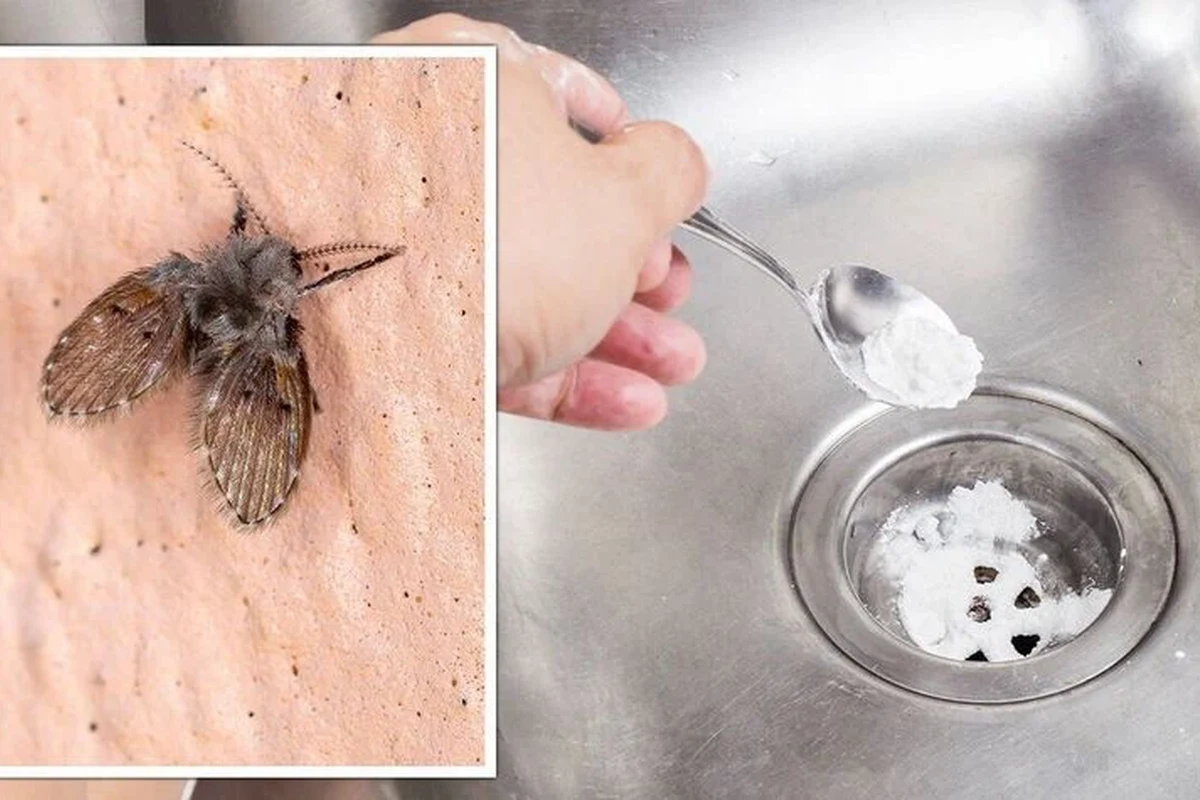
Drain flies are small, moth-like flies that often rest near sinks, tubs, and floor drains. If you see tiny fuzzy flies coming from one area again and again, the problem is often a breeding site inside the drain or nearby plumbing.
What drain flies are and how to spot a true drain fly problem
Drain flies are usually identified by their slow, fluttering flight and their habit of appearing around moist drains. A true drain fly issue usually means the flies keep returning even after you wipe the sink and take out the trash.
The clearest sign is repeated activity around the same drain, especially after the area has been quiet for a while. If you notice them near a sink, shower, or basement floor drain, the source is often a wet organic film where larvae can feed.
Why kitchen sinks, disposals, and rarely used drains attract them in 2026 homes
Kitchen drains collect food residue, grease film, soap, and moisture, which is exactly the kind of environment drain flies like. Garbage disposals can make the problem worse if food particles cling to the sides or sit in the splash guard.
Rarely used drains can also be a problem because standing water, damp buildup, and slow evaporation leave a stable breeding area. In modern homes, this is especially common in guest bathrooms, laundry rooms, and basement drains that do not get a daily flush.
What baking soda and vinegar can realistically do inside a drain
Baking soda and vinegar can help break up loose grime and freshen the drain path, but they do not magically sterilize a pipe. The fizz can help move debris, yet the real value comes from disturbing the slimy layer flies use for shelter and breeding.
Used correctly, this method is a low-cost first step for light drain fly activity. It is not a substitute for scrubbing if the inside of the drain has a heavy biofilm.
Think of this like cleaning a baking bowl after sticky batter. The goal is not just to perfume the surface; it is to remove the residue clinging to the sides.
How the Baking Soda and Vinegar Method Works on Drain Buildup
This method is popular because it is simple, cheap, and easy to repeat. It can be a useful first pass when the drain smells stale or looks like it may have a thin layer of buildup.
Ingredient roles: abrasive baking soda, acidic vinegar, and the fizzing reaction
Baking soda is a mild base with a slightly gritty texture, so it can help loosen soft residue when it is left in contact with the drain wall. Vinegar is acidic, which helps break down some mineral film and can cut through odors tied to grime.
When the two meet, they fizz and foam. That reaction is often mistaken for the cleaning power itself, but the fizz mainly helps agitate the surface and move loose material around.
The fizz from baking soda and vinegar is mostly carbon dioxide gas. The visible bubbling helps with agitation, but it does not replace physical scrubbing of the drain walls.
What the method can loosen: slime, grease film, and organic residue
Drain flies breed in sticky organic film, not in clean metal or clean plastic. That means the best-case result from baking soda and vinegar is loosening the layer of grease, soap scum, and food residue that supports the infestation.
It can also help reduce odors that come from that film. If the drain smells less sour after cleaning, that is a sign the method may have removed some surface residue, even if it did not solve every issue.
Where the method falls short against eggs, deep pipe buildup, and severe infestations
Baking soda and vinegar may not reach deep into a trap, branch line, or hidden rough section of pipe where buildup is thicker. If eggs or larvae are protected in a heavy biofilm, fizz alone is usually not enough.
It also falls short when the infestation is coming from multiple drains or from a plumbing leak that keeps the area damp. In those cases, cleaning the visible drain opening only gives a short-lived result.
Do not mix vinegar with bleach or other drain cleaners. That can create dangerous fumes and is not safe for a kitchen or bathroom sink.
Step-by-Step Home Treatment for Drain Flies Using Baking Soda and Vinegar
If you want to try this method, treat it like a cleaning task, not a quick trick. The best results come from using enough product, waiting long enough, and flushing the drain afterward.
How much baking soda and vinegar to use for a standard sink drain
For one standard household sink drain, a common starting point is about half a cup of baking soda followed by about one cup of vinegar. The exact amount can vary based on drain size and how much buildup you are trying to loosen.
If the drain is wide or heavily used, you may need a little more, but more is not always better. The goal is contact with the drain walls, not a dramatic foam display.
Best order of steps for pouring, waiting, and flushing with hot water
Take out dishes, strainers, and any visible debris. If water is sitting in the basin, remove as much as you can so the mixture goes into the drain instead of diluting in the sink.
Send the baking soda directly into the drain opening. If possible, use a funnel or pour slowly so more of it reaches the pipe walls.
Pour the vinegar in after the baking soda and let the mixture bubble for several minutes. The foam helps loosen residue, but the waiting time is what gives the solution a chance to work.
After the waiting period, flush the drain with hot water. Use water that is hot from the tap or kettle-safe for your plumbing and sink material, and avoid splashing yourself.
Clean the drain opening, stopper, overflow holes, and disposal splash guard if your sink has one. These areas often hold the film that keeps flies coming back.
Be careful with hot water around porcelain, acrylic, and older pipes. If you are unsure what your sink or plumbing can handle, use very hot tap water instead of boiling water.
How often to repeat the treatment for light versus persistent drain fly activity
For a light issue, repeating the treatment once a day for a few days may help while you also clean the drain opening. For a persistent issue, the method may need to be paired with brushing and closer inspection of other drains.
If you see fewer flies after the first treatment but they return within a day or two, that usually means the breeding source was not fully removed. At that point, focus less on the fizz and more on the residue inside the drain.
Common Mistakes That Make the Problem Come Back
Drain fly control often fails because the visible drain gets attention while the hidden buildup stays in place. That is similar to wiping crumbs off a counter without cleaning the sticky spot underneath.
Using too much vinegar or skipping the hot-water flush
Using a large amount of vinegar does not automatically make the method stronger. Too much liquid can dilute the contact time and rush the mixture through the pipe before it has done much work.
Skipping the hot-water flush is another common mistake. The flush helps carry loosened material away instead of leaving it behind to feed the next round of flies.
Expecting the fizz to kill flies without removing the breeding source
The bubbling reaction looks active, so it is easy to assume it is killing the problem. In reality, drain flies are usually controlled by removing the slimy breeding material, not by relying on the reaction alone.
If the drain walls stay coated, the flies can return quickly. That is why the cleaning step matters more than the spectacle.
Treating only one drain when multiple sinks, tubs, or floor drains are involved
Drain flies often move between nearby moisture sources, especially in bathrooms and utility areas. If you only treat the kitchen sink but the laundry sink or shower drain is still dirty, the flies may keep appearing.
Check every moist drain in the area, including rarely used ones. A whole-house approach is often more effective than treating a single visible problem.
- Cheap first step
- Easy to repeat
- Can loosen light residue
- Not enough for heavy biofilm
- May miss hidden breeding sites
- Does not fix leaks or plumbing defects
When Baking Soda and Vinegar Is Not Enough
Sometimes the problem is bigger than surface grime. If the flies keep returning, the source may be deeper in the plumbing or tied to a moisture problem that cleaning alone will not fix.
Signs the infestation is coming from deeper plumbing or a hidden leak
Watch for recurring flies after repeated cleaning, damp spots under the sink, slow drains, or a musty odor that does not go away. Those signs can point to hidden moisture, a leaking trap, or buildup farther down the line.
If the drain seems clean at the top but flies keep showing up, the breeding site may be out of reach. That is when a flashlight, inspection, and possibly professional help become more useful than another round of fizzing.
When to switch to scrubbing the drain walls, trap, and overflow openings
If the drain opening feels slimy, it needs physical cleaning. Use a brush to scrub the visible pipe walls, the stopper, the underside of the sink rim, and the overflow openings if your sink has them.
For a garbage disposal, clean the splash guard and the top edge where residue collects. That area often traps soft food film that baking soda and vinegar may loosen but not fully remove.
When to call a plumber or pest professional instead of repeating home fixes
Call a plumber if you suspect a leak, a broken trap, a venting issue, or a clog that keeps returning. Call a pest professional if flies are appearing in multiple rooms or if you cannot find the moisture source.
Repeated home treatments are not always the smartest use of time if the problem is structural. A repair can solve what cleaning cannot.
Safer and More Effective Drain-Fly Control Around the House
The most effective plan usually combines cleaning, drying, and prevention. That approach is more reliable than any single ingredient.
Mechanical cleaning tools that remove the sticky biofilm flies breed in
A drain brush, bottle brush, or flexible pipe-cleaning tool can physically remove the film that supports drain fly larvae. This matters because biofilm is sticky, and sticky material clings even after a chemical reaction.
For tough buildup, scrubbing is often the turning point. If you can feel slime on the brush, you are closer to the real source of the problem.
If you use a disposal cleaning tool or brush, keep hands clear of the blades and follow the appliance manufacturer’s instructions. Never reach into a disposal with your hand.
Cleaning sinks, garbage disposals, and shower drains without damaging finishes
Use gentle cleaning on finishes like stainless steel, porcelain, and coated fixtures. A soft brush and a non-scratching cloth are usually enough for the visible areas around the drain.
For disposals, a careful cleaning routine is better than harsh chemicals. If you are also evaluating kitchen appliance safety, our guide on are air fryers dangerous covers why manufacturer instructions matter when heat and moving parts are involved.
Drain maintenance habits that reduce future flare-ups in humid seasons
Run water through rarely used drains regularly so they do not sit damp for long periods. In humid weather, wipe sink edges dry and remove food residue from strainers and stoppers before it has time to soften into slime.
If you want to stay ahead of kitchen cleanup issues, it also helps to understand how appliance habits affect moisture and residue. For example, our article on do air fryer liners work explains how simple accessories can change cleanup patterns in the kitchen.
Choosing the Right Fix for Your Home: Cost, Safety, and Best Use Cases
The baking soda and vinegar method makes sense as a first step when you want an inexpensive, low-risk cleanup. It is especially useful when the drain smells off and the infestation seems mild.
When the baking soda and vinegar method is a low-cost first step
Use it when you suspect light residue, a fresh odor issue, or a small number of flies around one sink. It is quick, inexpensive, and easy to repeat while you inspect the rest of the kitchen.
It is also a practical option if you want to avoid stronger chemicals at first. Many households prefer to start with the gentlest fix that can still make a difference.
When stronger cleaners, enzyme treatments, or plumbing repairs make more sense
If the drain has a thick biofilm, a slow clog, or a recurring smell, an enzyme cleaner or a thorough mechanical scrub may work better than baking soda and vinegar alone. Enzyme products can be useful for organic buildup, but follow the label and the manufacturer’s directions.
If the issue keeps coming back after cleaning, plumbing repairs may be the real solution. A damaged trap, hidden leak, or poor drainage will keep making a good environment for flies.
Final recap: the smartest way to use baking soda and vinegar for drain flies in 2026
For drain flies, baking soda and vinegar are best viewed as a cleanup helper, not a miracle fix. The method can loosen grime, reduce odors, and support a better drain-cleaning routine, but it works only when you also remove the sticky breeding film.
If the flies are light and local, start with the drain, scrub the visible surfaces, and flush well. If they keep returning, expand your search to other drains, hidden moisture, and plumbing issues, and do not hesitate to bring in a pro when the problem looks deeper than the sink.
- Use the mixture as part of a real cleaning routine
- Scrub drain openings and overflow holes
- Check nearby drains and hidden damp spots
- Relying on fizz alone
- Mixing cleaners
- Ignoring leaks or repeated fly return
If you want the shortest answer, this method is a smart first move for a mild drain fly problem, but not the final answer for a serious one. The best results come from combining baking soda and vinegar with scrubbing, hot-water flushing, and a careful check for moisture sources.
Frequently Asked Questions
A common starting point is about half a cup of baking soda followed by about one cup of vinegar for one standard sink drain. The right amount depends on drain size and how much buildup is present.
It may help disrupt the dirty film drain flies breed in, but it does not reliably kill every fly, egg, or larva. Cleaning and scrubbing the drain are usually more important than the fizz itself.
Yes. A hot-water flush helps carry loosened residue away so it does not stay in the drain and feed more flies.
The source may be another drain, an overflow opening, a garbage disposal, or a hidden leak. If the breeding site is not fully removed, the flies can return quickly.
Yes, but only as part of a careful cleaning routine and according to the appliance instructions. Scrub the splash guard and nearby residue because that is often where buildup collects.
Call a plumber if you suspect a leak, slow drainage, a broken trap, or flies that keep returning after repeated cleaning. Structural moisture problems usually need repair, not more home treatments.