
Removing Hair Colour with Baking Soda Easy Safe Guide

Baking soda can fade some fresh or surface-level hair color, but it is not a reliable remover for permanent dye. Use it carefully, test a strand first, and stop if the hair feels dry or the scalp gets irritated.
Removing hair colour with baking soda is usually a fading method, not a full color remover. It can help lift fresh surface staining and soften overly dark or overly bright dye, but results depend on the dye type, hair condition, and how long the color has been on the hair.
- Best use: Helps soften fresh stains, semi-permanent color, and some toner residue.
- Main limit: Rarely removes deeply deposited permanent dye or fixes uneven color.
- Safety first: Strand tests, short contact time, and conditioning matter more than using extra product.
- Hair type matters: Porous, bleached, or curly hair can fade faster but also dry out faster.
- When to stop: If hair feels rough, stretchy, or the scalp stings, switch to gentler care or.
What “Removing Hair Colour with Baking Soda” Really Means in 2026
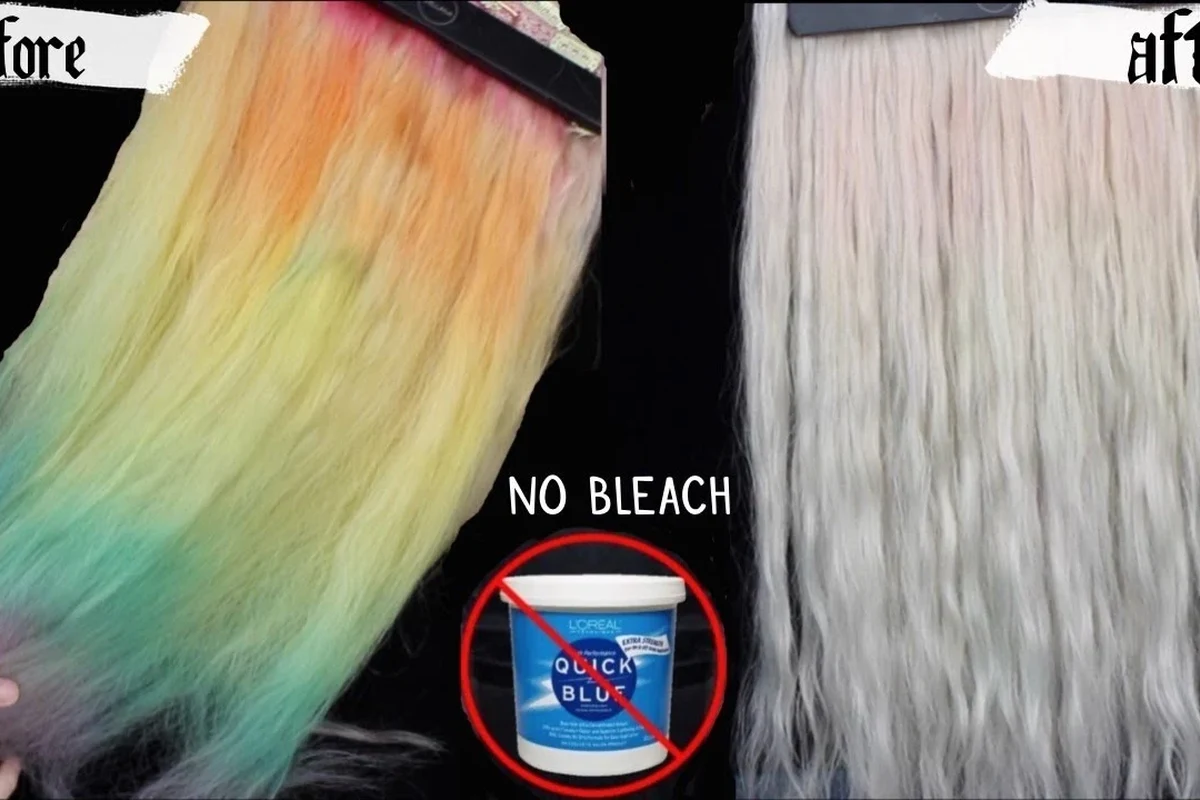
In practical terms, people use baking soda when they want to make hair color look less intense after a dye job. The goal is usually to fade unwanted color enough to re-dye, tone, or wait it out more comfortably.
This matters because hair color is not one thing. Temporary color sits mostly on the surface, semi-permanent color stains the outer layers more lightly, and permanent dye can penetrate deeper into the hair shaft.
Why people try baking soda after a dye job
Most people reach for baking soda when the color is darker than expected, too vivid, or uneven. It is also common after at-home box dye, where the final shade may look warmer, flatter, or more intense than the box picture.
Baking soda is attractive because it is inexpensive, easy to find, and often already in the kitchen. Still, it is better thought of as a mild fading aid than a guaranteed fix.
What it can and cannot do to permanent, semi-permanent, and toner-based colour
Baking soda may help fade semi-permanent and some demi-permanent color more than permanent dye. It can also reduce toner residue or fresh staining on the hair surface, especially if the color has not had much time to settle.
It cannot reliably remove deeply deposited permanent dye, correct banding, or undo a major color mistake in one treatment. If the hair has been lightened, then toned, then colored again, the layers can be stubborn and uneven.
How Baking Soda Works on Hair Dye and Surface Staining
The basic idea is that baking soda is alkaline. In hair care, alkaline products can raise the cuticle slightly, which may allow some color molecules and residue to release more easily during washing.
Alkalinity, cuticle swelling, and why fading happens
Hair cuticles are like overlapping shingles. When the pH rises, those layers can swell and lift a little, which makes it easier for water, shampoo, and cleansing ingredients to move through the hair.
That is why baking soda is often paired with clarifying shampoo. The shampoo helps remove oils and buildup, while the baking soda can make the wash feel stronger and more stripping.
Clarifying shampoos are designed to remove buildup from styling products, hard water residue, and excess oils. That cleansing action is often a bigger part of the fading effect than baking soda alone.
When it may help with fresh colour versus older, deeply deposited dye
Fresh color is usually easier to fade because it has had less time to settle into the hair structure. Surface staining from toner, semi-permanent color, or a recent gloss may respond better than older permanent dye.
Older, deeply deposited color is harder to change because the pigment has already bonded more firmly. In that case, baking soda may only make the color slightly less intense, not visibly remove it.
Ingredients and Materials Used in At-Home Fading Methods
Most at-home fading methods keep the ingredient list short. That is useful, but it also means the ratio and application time matter more than people expect.
Baking soda, clarifying shampoo, warm water, and optional acidic follow-up care
A common approach uses baking soda mixed with clarifying shampoo and a little warm water to form a spreadable paste or loose cream. Some people follow with a conditioner or a gentle acidic rinse for comfort, but that follow-up should be mild and not irritating.
If you are also comparing other kitchen-related safety topics, our guide on are air fryers dangerous follows a similar rule: the method matters, but so does safe handling and realistic expectations.
What measurements are commonly used and why ratios matter
There is no single universal formula, because hair density, length, and porosity change how the mixture behaves. A thicker paste may stay in place better, while a looser mix may spread more evenly.
The main rule is not to overdo the baking soda. Too much can make the mixture harsh, gritty, and difficult to rinse out, especially on dry or curly hair.
Tools for application: bowl, gloves, towel, and timer
A non-metal bowl is a practical choice, along with gloves to reduce direct skin exposure. Use an old towel because the process may transfer dye, and keep a timer nearby so the mixture does not sit longer than intended.
Do not use this method on a sensitive, broken, or freshly irritated scalp. If your skin stings, burns, or turns red quickly, stop and rinse right away.
Step-by-Step Method for Fading Hair Colour with Baking Soda
The safest approach is to start small and check the hair before treating the whole head. A strand test is especially important if your hair is bleached, porous, recently colored, or already dry.
Preparing hair and doing a strand test before full application
Pick a hidden section near the nape or behind the ear and apply a small amount of the mixture. Watch for changes in color, texture, and how the hair feels when rinsed.
If the strand becomes rough, gummy, or overly tangled, the full treatment is likely too strong for your hair type.
- Confirm the dye type if you know it
- Test one hidden strand first
- Wear gloves and protect clothing
- Have conditioner ready for aftercare
- Stop if the scalp feels irritated
Mixing, applying, timing, and rinsing without overprocessing
Mix the baking soda with clarifying shampoo and a little warm water until it is easy to spread. Apply it to damp hair, focusing on the areas that look too dark or too stained.
Leave it on only for a short, cautious window, then rinse very thoroughly. Follow with conditioner to restore slip, because the hair may feel squeaky or stripped after rinsing.
Dampen the hair evenly and divide it into manageable sections so the mixture applies more consistently.
Work the mixture through the target areas first, then lightly smooth it through the rest if needed.
Keep the timing conservative and rinse as soon as you see enough fading for your goal.
Rinse until the water runs clear, then use a moisturizing conditioner or mask.
How to repeat safely, and when to stop
If the first round helps but does not fully solve the problem, wait and assess the hair before repeating. Repeated stripping in one day can leave hair rough, weak, and more prone to breakage.
As a general approach, it is better to do less and reassess than to keep scrubbing until the hair feels compromised. If the color is still too strong after one or two careful attempts, a different fading method or professional correction is usually smarter.
Hair Types, Dye Types, and Situations Where Results Differ
Hair structure changes the outcome more than many people expect. Porous, bleached, or damaged hair usually absorbs and releases color differently from virgin or low-porosity hair.
Virgin hair, bleached hair, curly or porous hair, and color-treated hair
Virgin hair often resists dramatic fading because it has a more intact cuticle. Bleached or porous hair may fade faster, but it can also become dry or patchy more quickly.
Curly hair often needs extra caution because it can feel dry sooner and tangle more easily after alkaline treatments. Color-treated hair can also react unevenly if there are several layers of dye already present.
Temporary color, semi-permanent color, demi-permanent color, and box dye
Temporary color is usually the easiest to fade because it sits closest to the surface. Semi-permanent and demi-permanent formulas may soften with baking soda, though the result depends on the brand and how long the color has been in the hair.
Box dye is often less predictable because the formula and developer strength vary by product. That is one reason at-home fading methods can produce uneven results, especially on previously colored ends.
Why fashion shades, dark dyes, and salon tones may respond differently
Bright fashion shades can fade unevenly, leaving behind a pastel stain or a dull cast. Dark brown and black dyes often contain stronger pigment loads, which makes them harder to shift.
Salon tones may also be more complex because they are often blended to correct warmth, cancel brassiness, or refine shine. If you are working with a carefully balanced salon result, a strong fading method can remove the tone you actually wanted to keep.
If your goal is only to soften brassiness or reduce a toner that went too ashy, a gentle cleansing approach may be enough. If you want a major color change, baking soda alone is rarely the best path.
Common Mistakes That Make Baking Soda Hair Fading Less Effective or Too Harsh
Most problems come from using too much product, keeping it on too long, or expecting it to work like a professional color remover. Baking soda is not a magic eraser.
Using too much baking soda or leaving it on too long
More product does not automatically mean more fading. A heavy mix can become abrasive and leave the hair feeling rough, especially if you rub it aggressively into the lengths.
Long exposure can also increase dryness without giving much extra color lift. That is a poor trade-off for hair that already feels fragile.
Skipping conditioning and causing dryness, breakage, or scalp irritation
After any clarifying or alkaline treatment, the hair usually benefits from moisture and slip. Skipping conditioner can leave the cuticle feeling raised, which makes tangles, frizz, and breakage more likely.
If the scalp is sensitive, even mild residue can feel uncomfortable. Rinse thoroughly and avoid scratching or scrubbing hard with your nails.
The hair feels straw-like after fading.
Use less baking soda next time, shorten the contact time, and follow with a richer conditioner or mask.
Expecting a full color correction from a mild fading method
This is the biggest expectation gap. Baking soda may help move the color in the right direction, but it usually will not correct tone, level, and uneven patches at the same time.
If you need a precise blonde correction, a full red-to-brown shift, or removal of layered box dye, professional help is often the safer and more predictable option.
Safety, Aftercare, and When to Avoid This Method
Hair fading methods should be treated like any other strong cosmetic process: useful in the right case, but not harmless. A cautious approach protects both hair and scalp.
Scalp sensitivity, damaged hair, recent chemical services, and allergy concerns
Avoid this method if you already have a sunburned scalp, eczema flare, open skin, or recent chemical irritation. Hair that has just been relaxed, permed, or heavily bleached is also more vulnerable.
Serious allergy concerns should be handled by checking product labels and getting qualified guidance. This article is not medical advice, and a patch test is still wise when you are unsure how your skin will react.
How to restore moisture and reduce frizz after treatment
After rinsing, use a conditioner with good slip, then consider a moisturizing mask if the hair feels dry. Gentle detangling with a wide-tooth comb is better than rough towel rubbing.
For the next wash or two, keep heat styling light if possible. Hair that has just been clarified often needs time to settle before it looks smooth again.
Keep baking soda and cleansing mixtures away from the eyes, and never use them on broken skin. If the scalp burns or the hair starts stretching unusually when wet, rinse immediately and stop the treatment.
When professional color correction is the safer choice
If the color is patchy, extremely dark, or mixed with bleach damage, a stylist can assess the hair’s condition before choosing a correction plan. That is especially important when you need to preserve hair strength as much as possible.
Professional color correction is also the better choice when you are trying to remove multiple layers of old dye. In those cases, at-home fading may only create more unevenness.
Final Verdict: Is Baking Soda a Smart Way to Remove Hair Colour?
Baking soda can be a useful fading tool, but it is not a true remover for most permanent dyes. It works best on fresh stains, lighter deposits, and situations where you only need a small color shift before the next step.
For readers who like practical, low-cost methods, it can be worth trying carefully once with a strand test and a conservative timing plan. For major corrections, damaged hair, or layered box dye, the smarter move is usually a stylist.
Best-use cases, realistic expectations, and a practical decision guide
Try it when the color is slightly too dark, too bright, or too fresh to settle. Do not expect it to take hair from black to blonde or erase a stubborn permanent dye in one session.
If you want to understand how small process changes can affect results in the kitchen and beyond, our article on do air fryers need to preheat shows a similar principle: the method is simple, but the details change the outcome.
When to try it, when to combine it with other fading methods, and when to book a stylist
Use baking soda as a first-step fading method when the correction is mild and the hair is healthy enough to tolerate it. If you need more fading, combine cautious washing with other gentle fading approaches rather than repeating harsh scrubs.
Book a stylist when the color is uneven, the hair is fragile, or the result matters enough that you cannot risk trial and error. That is the most reliable path when you need both color accuracy and hair protection.
Removing hair colour with baking soda can help soften fresh or surface-level dye, but it works best as a mild fading method, not a full correction. Use it carefully, stop if the hair feels dry or irritated, and choose professional help when the color change needs to be precise.
Frequently Asked Questions
Usually not completely. It may fade some permanent dye a little, but it works better on fresh or surface-level color than on deeply deposited pigment.
Keep the contact time conservative and rinse as soon as you have the fading you want. Exact timing depends on hair type, dye type, and product strength, so a strand test is the safest guide.
You can, but it is riskier because bleached or damaged hair is more porous and dries out faster. If the hair is already fragile, a gentler method or a stylist is usually safer.
Rinse well and follow with a moisturizing conditioner or mask to restore slip and reduce frizz. If the hair still feels dry, avoid heat styling for a day or two if possible.
It can sometimes soften toner residue or fade semi-permanent color, especially if the color is fresh. Results vary a lot by brand, porosity, and how long the color has been in the hair.
Avoid it if your scalp is sensitive, your hair is heavily damaged, or the color is patchy and needs precise correction. A stylist is the safer choice when you need a major color change or have layered box dye.