
Is Baking Soda Good for Your Teeth Benefits and Risks

Baking soda can help remove light surface stains and freshen breath, but it should be used gently and only occasionally. It is not a replacement for fluoride toothpaste or professional dental care.
Many people ask, is baking soda good for your teeth because it can help lift surface stains and make the mouth feel fresher. The short answer is yes, but only when it is used carefully and not as a replacement for regular dental care.
- Best use: Mild stain removal and odor control for healthy teeth.
- Main risk: Overuse can irritate gums and wear enamel.
- Safer routine: Use a soft brush and keep fluoride toothpaste as your daily base.
- Skip or limit: If you have sensitivity, erosion, cavities, or restorations.
What Baking Soda Does in the Mouth and Why People Use It for Teeth
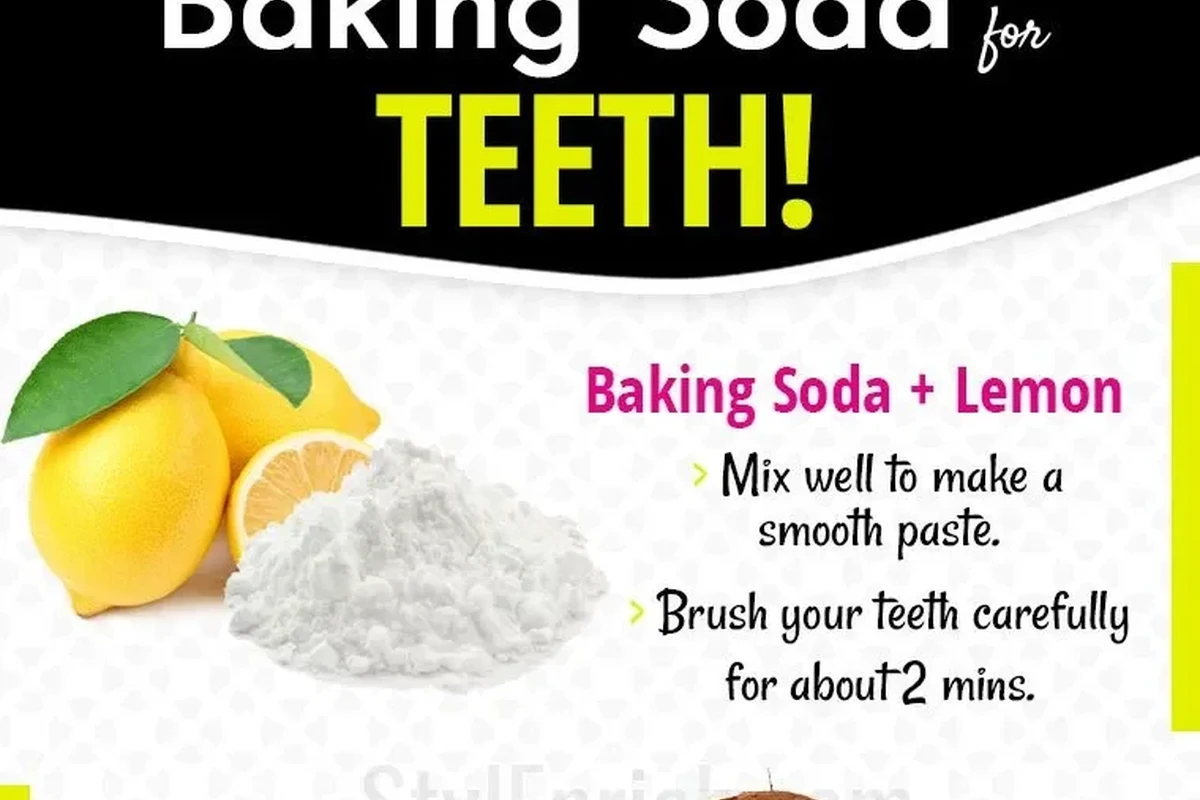
Baking soda, also called sodium bicarbonate, is a mild alkaline powder. In the mouth, that means it can help neutralize acids from food, drinks, and bacteria while also loosening some soft buildup on tooth surfaces. It is not a bleach, so it does not change the natural color of enamel the way some professional whitening systems do.
How sodium bicarbonate interacts with plaque, acids, and surface stains
When plaque sits on teeth, it gives bacteria a place to grow and produce acids. Baking soda helps by reducing that acidic environment and by acting as a gentle abrasive that can scrub away some stain particles sitting on the enamel surface. That is why it is often used for coffee, tea, wine, or smoking stains, which tend to cling to the outside of the tooth rather than soak deep into the tooth structure.
Baking soda works more like a polishing aid than a deep whitening treatment. If a stain is internal, old, or linked to enamel wear, baking soda will usually have limited results.
Why the 2026 oral-care trend still centers on whitening and odor control
In 2026, a lot of at-home oral care still focuses on quick cosmetic improvement and fresher breath. Baking soda remains popular because it is inexpensive, easy to find, and familiar to people who want a simple routine. It also fits a broader trend toward low-cost, low-ingredient personal care, even though that does not mean it is the best choice for every mouth.
Baking soda is often included in commercial toothpaste formulas because it can help with stain removal and odor control while staying relatively mild compared with harsher abrasives.
Benefits of Using Baking Soda on Teeth
Used in moderation, baking soda can offer a few practical benefits. The biggest ones are cosmetic improvement, acid neutralization, and a cleaner-feeling mouth after meals. It is most useful as an occasional support tool, not a full oral-care strategy.
Surface stain removal from coffee, tea, wine, and smoking
One of the main reasons people try baking soda is to reduce surface stains. Its fine, gritty texture can help remove discoloration from dark beverages and tobacco residue, especially when the stains are light and recent. This is one reason it is often compared with whitening toothpaste in everyday use, since both aim to polish the tooth surface rather than alter tooth color deeply.
Neutralizing acids after meals and supporting a less acidic mouth
After eating or drinking acidic foods, the mouth can stay in a lower pH state for a while. Baking soda can help neutralize some of that acidity, which may make the mouth feel less sour and may be kinder to enamel than brushing immediately after an acidic meal. That said, it is not a cure for enamel erosion, and it cannot undo damage that has already happened.
If you have frequent acid reflux, dry mouth, or ongoing enamel wear, baking soda is not a substitute for dental treatment. Repeated acid exposure can weaken teeth over time and should be checked by a dentist.
Freshening breath and reducing odor-causing buildup
Baking soda may help freshen breath because it reduces odors linked to acidic, bacteria-heavy buildup. Breath odor often comes from plaque, food debris, tongue coating, and dry mouth, so a cleaner oral environment can make a noticeable difference. Still, if bad breath keeps coming back, the cause may be gum disease, decay, sinus issues, or another condition that needs professional attention.
How baking soda compares with commercial whitening toothpaste in real use
Compared with many whitening toothpastes, baking soda is usually simpler and may feel less harsh, but results vary. Commercial formulas often combine baking soda with fluoride and other cleaning agents, which can make them more practical for daily use. If you want a routine that protects enamel while targeting stains, a fluoride toothpaste with baking soda may be a better long-term option than using plain powder on its own.
- Can help remove light surface stains
- May neutralize mouth acids after meals
- Can support fresher breath
- Does not whiten deep stains
- May be too abrasive if overused
- Plain baking soda usually lacks fluoride
Risks and Side Effects You Should Not Ignore
Like many helpful kitchen ingredients, baking soda has limits. The main issue is not the ingredient itself, but how often and how aggressively it is used. Overuse can turn a simple stain-removal habit into a source of irritation or wear.
Enamel abrasion from overuse or aggressive brushing
Baking soda is less abrasive than some scrubbing powders, but it can still wear enamel if used too often or with heavy pressure. Enamel does not grow back, so repeated aggressive brushing can leave teeth more sensitive and more vulnerable to staining later. A soft toothbrush and gentle technique matter just as much as the product itself.
Think of baking soda as a light polishing aid, not a scrub. If your brushing routine feels gritty, forceful, or irritating, reduce pressure and frequency right away.
Gum irritation, mouth sores, and sensitivity concerns
Some people find that baking soda leaves their mouth feeling dry or irritated, especially if they already have sore gums or small ulcers. The powder can also sting if it is rubbed into sensitive tissue or mixed into a paste that is too thick. If your teeth already react to cold, heat, or brushing, baking soda may make the problem more noticeable.
Why DIY mixtures with lemon juice, peroxide, or salt can backfire
DIY whitening blends are popular, but several common combinations can cause trouble. Lemon juice is highly acidic and can weaken enamel, while peroxide can irritate soft tissue if used improperly. Salt may add more abrasion without offering enough benefit to justify the risk, especially if the mixture is brushed on repeatedly.
Avoid combining baking soda with acidic ingredients in the hope of creating a stronger whitening paste. Neutralizing fizz may look effective, but the acid can still damage tooth enamel before the mixture is ever used.
When baking soda may be a poor choice for crowns, veneers, or sensitive teeth
If you have crowns, veneers, bonding, or other restorations, baking soda may not be the best everyday option. These materials can react differently from natural enamel, and while baking soda will not usually harm them by itself, rough brushing can dull surfaces or irritate nearby gums. People with chronic sensitivity often do better with a dentist-recommended toothpaste designed for sensitive teeth.
How to Use Baking Soda Safely on Teeth
If you want to try baking soda, the safest approach is to keep it occasional, gentle, and simple. A small amount used with a soft brush is usually enough to test whether your mouth tolerates it well. For many people, less is more.
Recommended frequency, amount, and brushing technique
For most people, baking soda is best used occasionally rather than as the only toothpaste every day. A small pinch or a light sprinkle on a wet toothbrush is usually enough. Brush gently for a short time, using small circular motions, and do not press hard against the enamel or gumline.
Simple paste method versus baking soda toothpaste formulas
A simple paste made from baking soda and a little water is the most basic method. It is easy to control, but it also lacks fluoride unless you brush afterward with a fluoride toothpaste. Pre-formulated baking soda toothpaste can be more practical for regular use because it is designed to balance cleaning power with oral-care safety.
- Use a soft toothbrush
- Keep pressure light
- Stop if your gums feel irritated
- Follow with fluoride toothpaste if needed
What to avoid mixing it with for oral safety
Do not mix baking soda with lemon juice, vinegar, or other acidic ingredients. Avoid using it with harsh abrasives, and be cautious with hydrogen peroxide unless a dentist specifically recommends a product and use method. If you are unsure whether a homemade blend is safe, it is better to choose a commercial toothpaste with a clear ingredient label.
Practical examples for occasional whitening versus daily oral care
For occasional whitening, some people use baking soda once in a while before a special event or after a period of coffee or tea drinking. For daily care, a fluoride toothpaste is usually the better foundation, with baking soda reserved as an occasional add-on if your dentist says it is appropriate. If you want more background on how everyday appliance habits and cleaning routines affect results, you may also like our guide on are air fryers healthy, which looks at how small choices can change outcomes over time.
Who Should Avoid or Limit Baking Soda Dental Use
Baking soda is not the right fit for everyone. Some mouths are already dealing with wear, inflammation, or restorative work, and extra abrasion can create more problems than benefits. When in doubt, a dentist should guide the choice.
People with enamel erosion, cavities, or gum disease
If enamel is already thinning, baking soda may be too rough for regular use. The same is true if you have active cavities or gum disease, because these conditions need treatment rather than surface polishing. A whitening habit can hide symptoms for a while, but it will not fix the underlying issue.
Those with braces, dental restorations, or chronic tooth sensitivity
Braces can trap plaque and make thorough cleaning harder, so patients often need a more structured routine than a homemade paste can provide. Crowns, veneers, fillings, and bonding may also need special care to avoid uneven wear or irritation around the edges. If sensitivity is already a problem, a desensitizing toothpaste may be a safer daily choice.
Children, teens, and anyone following a dentist-directed treatment plan
Children and teens may be more likely to brush too hard or swallow too much paste, so baking soda use should be discussed with a dentist or parent first. Anyone already following a dentist-directed treatment plan should follow those instructions instead of adding DIY whitening ideas on the side. That is especially important if the plan involves fluoride, prescription products, or post-procedure healing.
What Dentists and Oral-Care Experts Recommend in 2026
Modern preventive dentistry still values simple habits: brushing twice daily with fluoride toothpaste, cleaning between teeth, limiting frequent sugar and acid exposure, and visiting the dentist regularly. In that framework, baking soda can have a limited place, but it should not replace the basics. If you are also interested in how product safety and performance are evaluated in consumer appliances, our article on are air fryers dangerous shows how important it is to separate convenience from long-term safety.
Where baking soda fits in modern preventive dentistry
Baking soda fits best as a mild helper for surface stains and odor control. It makes the most sense for adults with healthy teeth and gums who want an occasional boost, not for people trying to fix major discoloration or ongoing dental problems. Think of it as a support ingredient, not the main treatment.
Signs that whitening concerns should be addressed professionally
If your teeth look yellow despite good brushing, if stains are uneven, or if one tooth changes color suddenly, professional care is the better path. Deep stains, internal discoloration, and color changes after trauma often need dental evaluation. Whitening products can also be a poor fit if you have untreated cavities or inflamed gums.
Common mistakes seen in at-home whitening routines
The most common mistakes are brushing too hard, using baking soda too often, and chasing faster results with stronger DIY mixes. Another frequent problem is ignoring the rest of oral hygiene, such as flossing and routine cleanings, while focusing only on whitening. Good results usually come from consistency and restraint, not from scrubbing harder.
Final Verdict: Is Baking Soda Good for Your Teeth?
Yes, baking soda can be good for your teeth when it is used carefully. It can help with light surface stains, breath freshness, and acid neutralization, but it is not a cure-all and it is not ideal for every mouth.
Best-use scenarios, limits, and when to choose safer alternatives
The best use case is occasional polishing for healthy teeth, especially if you drink coffee or tea and want a simple, low-cost option. If you need everyday cleaning, fluoride protection, or help with sensitivity, a dentist-approved toothpaste is usually the safer choice. For major whitening goals, professional treatment is more predictable and less likely to cause damage.
How to decide whether baking soda belongs in your oral-care routine
Ask yourself whether your goal is mild stain removal or a real whitening change. If you have sensitive teeth, gum problems, restorations, or enamel wear, limit or skip baking soda unless your dentist says otherwise. For most people, the smartest routine is to use baking soda sparingly, brush gently, and keep fluoride toothpaste at the center of daily care.
Baking soda can be a useful occasional helper for surface stains and odor control, but it should not be used aggressively or as the only oral-care product. If your teeth are sensitive or your whitening goals are bigger than mild stain removal, choose a safer dentist-recommended option.
Frequently Asked Questions
It can help remove some surface stains, but it does not bleach teeth. Results are usually mild and depend on stain type, brushing pressure, and how often you use it.
Most people should use it only occasionally, not as their only daily toothpaste. If you want to use it more often, ask a dentist first, especially if you have sensitivity or enamel wear.
It may be too abrasive for some people with sensitivity, especially if brushed hard. A sensitivity toothpaste is often a better daily choice.
It is best to avoid acidic DIY mixes like lemon juice because they can damage enamel. Hydrogen peroxide should only be used in a dentist-approved product or under professional guidance.
No, baking soda does not replace fluoride toothpaste for most people. Fluoride helps protect enamel, so it is usually the better base for daily brushing.
People with enamel erosion, active cavities, gum disease, chronic sensitivity, braces, or certain restorations should limit or avoid it unless a dentist recommends it.