
Organic Baking Soda Uses Benefits and Best Buying Tips
Organic baking soda is usually standard sodium bicarbonate with cleaner-label or sourcing claims, so performance depends on freshness and recipe balance. Choose food-grade product, store it dry, and measure carefully for the best baking results.
Organic baking soda is still baking soda at its core, but the label and sourcing can matter to ingredient-focused bakers. Here is how it differs from conventional baking soda, how to use it correctly, and what to check before you buy.
- Label check: Organic wording does not change the core baking chemistry.
- Best use: It works in muffins, cakes, cookies, and quick breads that contain acid.
- Key risk: Too much soda can cause metallic flavor, collapse, or poor crumb.
- Buying tip: Verify food-grade labeling, certification claims, and sealed packaging.
- Storage tip: Keep it dry, sealed, and away from strong odors.
What Organic Baking Soda Is and How It Differs From Conventional Baking Soda
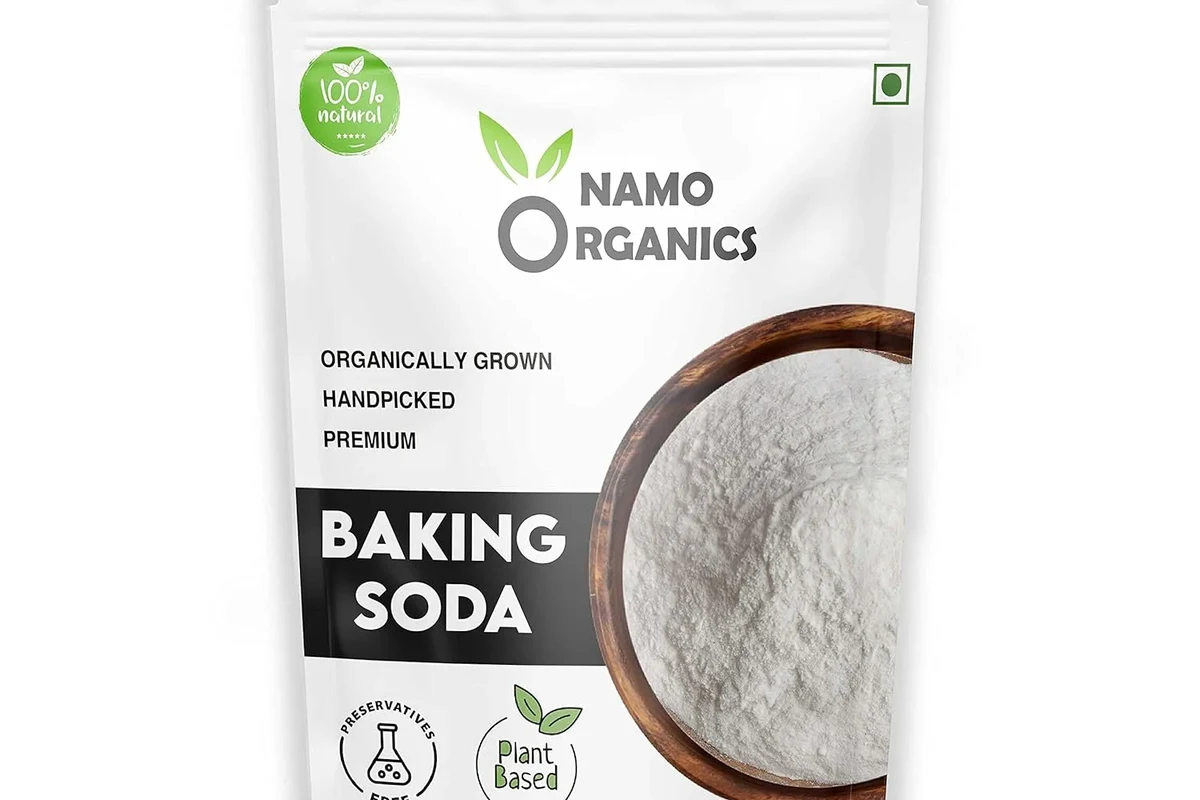
In most kitchens, baking soda means sodium bicarbonate, a basic leavening ingredient that reacts with acid and moisture to create carbon dioxide. The “organic” part usually refers to the brand’s sourcing, processing standards, or packaging claims rather than a different chemical formula.
That distinction matters because the baking performance comes from the sodium bicarbonate itself, not from a marketing label. If you are comparing products, the most important question is whether the ingredient is pure, food-grade sodium bicarbonate and whether the brand is transparent about how it is made and packaged.
How “organic” is used in baking soda labeling in 2026
In 2026, “organic” on baking soda packaging can be confusing because the ingredient itself is a mineral compound, not an agricultural crop. Some products use the term loosely to signal alignment with organic-focused households, while others may refer to the company’s broader certified-organic manufacturing or packaging claims.
For that reason, do not assume the word guarantees a different leavening result. If the package claims organic status, look for the exact certification language and verify what that certification covers on the manufacturer’s site or official certifier listing.
For baking performance, the key is still sodium bicarbonate purity and freshness. The “organic” label is usually about sourcing, brand standards, or certification context, not a special rising reaction.
Purity, sourcing, and what to check on the ingredient panel
A good ingredient panel should be short and clear. Ideally, you want food-grade sodium bicarbonate with no unnecessary fillers, fragrances, or cleaning additives.
Also check whether the product is intended for food use. Some baking soda is sold for cleaning, and while the chemical may be similar, food packaging, handling, and quality control are not always the same.
- Confirm the label says food-grade or edible use.
- Look for sodium bicarbonate as the main ingredient.
- Check for certification details if organic claims matter to you.
- Review the package date or freshness guidance if available.
Common Organic Baking Soda Uses in Home and School Baking
Organic baking soda works in the same everyday formulas as conventional baking soda. In a baking school classroom or a home kitchen, the practical value is the same: it helps batters rise, changes browning, and balances acidity when a recipe is built correctly.
If you are also comparing kitchen tools and equipment, ingredient quality is only one part of the result. Oven calibration, pan size, and mixing method often matter more than the brand of baking soda.
Leavening in quick breads, muffins, cakes, and cookies
Baking soda is especially useful in quick breads, muffins, cakes, and cookies that include acidic ingredients. Once mixed with acid and liquid, it starts producing gas, so the batter should move into the oven without unnecessary delay.
That is why recipes with baking soda often depend on efficient prep. A batter that sits too long can lose lift before baking even begins, which leads to a flatter crumb and less even texture.
Baking soda does more than make a batter rise. It also raises pH slightly, which can deepen browning and soften acidity in flavors like cocoa and fruit.
Neutralizing acidity in cocoa, fruit, and buttermilk-based batters
Many recipes use baking soda because the batter already contains an acid such as buttermilk, yogurt, citrus, brown sugar, molasses, or natural cocoa. The soda neutralizes part of that acidity, which can improve flavor balance and help create a more tender crumb.
In cocoa-based cakes and cookies, this can also support a darker color and fuller chocolate flavor. In fruit-forward batters, it can reduce sharp sour notes, but too much soda can push the taste in the opposite direction and create a soapy or metallic finish.
Non-baking uses bakers still rely on for prep and cleanup
Many bakers keep baking soda on hand for kitchen prep, though food-use and cleaning-use should remain separate in practice. It can help deodorize containers, freshen refrigerators, and support light scrubbing on some surfaces.
Do not use the same scoop or container interchangeably if the product is meant for food and cleaning tasks. Cross-contact with grease, soap, or cleaning residue is a real kitchen problem, especially in classrooms and shared production spaces.
Keep food-grade baking soda separate from cleaning supplies. If a box has been used for cleaning, do not use it in baking unless the packaging clearly says it is safe for food use and has stayed uncontaminated.
Benefits Bakers Look for When Choosing Organic Baking Soda
Most bakers choose organic baking soda for ingredient philosophy rather than a dramatic technical advantage. Still, the choice can fit well in kitchens that prioritize simpler labels, supplier transparency, and organic pantry standards.
Flavor neutrality and cleaner ingredient preferences
Fresh, pure baking soda should taste neutral in proper amounts. If a recipe is balanced, you should not detect a chemical note after baking.
For some bakers, the benefit of an organic-branded product is peace of mind. They prefer a short ingredient list, recognizable sourcing language, and packaging that fits a cleaner pantry standard.
Potential value for sensitive households and ingredient-conscious kitchens
Ingredient-conscious households may prefer products with fewer additives or clearer sourcing statements. That can be especially helpful in shared kitchens where people read labels closely and want consistent purchasing habits.
That said, “sensitive” can mean many things, and baking soda is not a medical treatment or allergy solution. If you have serious allergy or intolerance concerns, check labels carefully and follow qualified guidance rather than relying on a marketing term.
- Fits cleaner-label shopping preferences
- Usually performs like standard baking soda when fresh
- Can support organic pantry standards
- May cost more without changing results
- Organic wording can be unclear
- Not every recipe benefits from a premium version
When organic baking soda may not make a noticeable difference
If your recipe uses a small amount of baking soda and the batter is already well balanced, you may not see any difference between organic and conventional versions. The rise, crumb, and color will depend more on freshness, acid level, and oven heat than on the label.
For many bakers, this means the “best” choice is the one that is food-grade, fresh, and easy to measure accurately. If you are comparing other baking gear too, a well-calibrated oven or a better pan can have a larger effect than upgrading the soda.
How to Measure and Use Organic Baking Soda Correctly
Organic baking soda should be measured the same way as any other baking soda. The ingredient is potent, so even small measuring errors can change flavor, color, and structure.
Typical measurement ratios in standard baking formulas
There is no single universal ratio, because the right amount depends on how acidic the recipe is. Many formulas use only a small amount, often measured in fractions of a teaspoon, and the exact quantity should follow the recipe rather than a rule of thumb.
If you are adapting a recipe, remember that too little soda may leave the batter dense, while too much can cause overexpansion and collapse. Measure with level spoons, and avoid guessing when the recipe is chemistry-sensitive.
How acidity affects rise, crumb, and browning
Baking soda needs acid to react efficiently. When enough acid is present, the batter rises more predictably and the crumb can feel lighter and more tender.
Acidity also affects browning. A slightly more alkaline batter browns more readily, which is why chocolate cookies and some spice cakes can look darker and taste fuller when the soda is balanced correctly.
Common mistakes that lead to metallic taste, collapse, or poor lift
The biggest mistake is using too much baking soda. That can leave a sharp aftertaste, create coarse tunnels, and make the structure rise too fast before the batter sets.
Another common issue is using baking soda in a recipe that does not contain enough acid. In that case, the soda remains partly unreacted, and the finished bake may taste soapy or flat instead of clean and balanced.
The cake rises quickly, then sinks in the center or tastes slightly metallic.
Check the recipe’s acid level, measure the soda more carefully, and verify oven temperature. If the formula was altered, reduce the soda or restore the acidic ingredient that activates it.
Best Buying Tips for Organic Baking Soda in 2026
Buying well starts with reading the package like a baker, not just a shopper. The most useful product is the one that is clearly labeled, properly stored, and suited to your baking frequency.
What certifications, claims, and packaging details to verify
If “organic” matters to your kitchen standard, verify what the claim actually means. Look for certification language, the certifier name if listed, and whether the product is sold as food-grade baking soda rather than a multipurpose cleaner.
Also check the packaging for lot codes, freshness guidance, and a sealed container. A damaged box or open bag can allow moisture and odors to affect performance long before the printed date becomes an issue.
Choosing between bulk containers, resealable boxes, and specialty brands
Bulk containers can be cost-effective for frequent bakers, classroom kitchens, and batch production, but only if you use the product quickly and keep it dry. Resealable boxes are often easier for home kitchens because they reduce odor transfer and make portioning simpler.
Specialty brands may appeal to ingredient-minimal kitchens, but the premium is only worthwhile if the product is actually fresh and clearly food-grade. If you bake occasionally, a smaller package is often the smarter choice because baking soda is most reliable when it has not sat open for too long.
Shelf life, freshness checks, and signs the product has lost strength
Baking soda is not fragile in the same way as yeast, but it can still pick up moisture and odors over time. If the powder clumps hard, smells stale, or has been stored near strong pantry odors, replace it.
A simple freshness check is to combine a small amount with an acidic liquid such as vinegar or lemon juice. If it fizzes strongly, it is likely still active; if the reaction is weak, the product may be past its best baking strength.
Do freshness tests in a sink or bowl because the fizz can foam quickly. Keep raw ingredients and cleaning supplies separate, and wash hands after handling pantry products that have been stored near nonfood items.
Storage, Safety, and Quality Control in a Baking Kitchen
Good storage protects both flavor and performance. In a school kitchen or busy home pantry, the main risks are moisture, odor transfer, and accidental contamination.
How to store baking soda away from moisture and odor transfer
Store baking soda in a tightly closed container in a cool, dry place. Keep it away from onions, spices, cleaning agents, and other strong-smelling items because baking soda absorbs odors easily.
If your kitchen is humid, smaller containers are often easier to manage than one large open box. That helps protect freshness and makes it easier to rotate stock before it loses strength.
Safety considerations for food use versus cleaning use
Food use and cleaning use should be handled separately. Even though baking soda is common and familiar, a container used for scrubbing sinks or deodorizing trash bins should not return to the baking shelf.
In a classroom or shared kitchen, label storage clearly and keep food ingredients in a dedicated zone. That reduces cross-contact, confusion, and accidental misuse during prep.
How baking schools and home bakers can test potency before important bakes
Before a major bake, test any older baking soda with a small acid reaction. This is especially useful for cakes, muffins, and holiday batches where a flat result would waste time and ingredients.
Schools and high-volume home bakers should build a simple rotation system: date the container, store it sealed, and replace it before it becomes questionable. For more on equipment habits that affect consistency, see our guides on air fryer preheating and air fryer basket cleaning, which show how storage and maintenance affect results in other kitchen tools too.
Practical Buying Scenarios: Which Organic Baking Soda Is Best for Your Needs
The best product depends on how often you bake, how strict your ingredient standards are, and how much you care about packaging convenience. There is no single best option for every kitchen.
Best choice for beginner home bakers
For beginners, a small sealed box of food-grade organic baking soda is usually the safest choice. It is easier to store, easier to replace, and less likely to sit open long enough to pick up moisture or odors.
Best choice for frequent batch baking and classroom use
Frequent bakers and classroom kitchens often do better with larger resealable containers, as long as the product is used regularly. The main advantage is efficiency, but only if the team follows a clear storage routine and keeps scoops dry.
If you manage a busy baking space, compare package size, resealability, and label clarity before price alone. That same habit helps when comparing other kitchen purchases, including whether air fryers are worth it for a home or school setup.
Best choice for ingredient-minimal, organic-focused kitchens
Ingredient-minimal kitchens usually want a product with a short, transparent ingredient list and clear food-use labeling. If the brand also offers certification details that fit your pantry standards, that can be a good match.
Still, do not pay extra just for the word “organic” if the product does not improve your actual baking workflow. Freshness, storage, and correct measuring matter more than branding.
Final Verdict: When Organic Baking Soda Is Worth It and When It Is Not
Organic baking soda is worth buying when your kitchen values clean labeling, transparent sourcing, and food-grade packaging that fits an organic-minded pantry. It is less useful when you are expecting a different chemical result, because the baking action comes from sodium bicarbonate itself.
For most recipes, the smartest purchase is the freshest food-grade product you can store correctly and measure accurately. If you remember only one rule, make it this: verify the label, keep it dry, and use the amount the recipe actually needs.
Choose organic baking soda when ingredient standards matter to you, but judge it by purity, freshness, and food-grade labeling rather than the marketing word alone. For dependable baking, the recipe balance and your storage habits matter more than the brand name.
- Buy food-grade baking soda with clear labeling.
- Store it sealed, dry, and away from odors.
- Measure carefully and match it to recipe acidity.
- Using cleaning baking soda in food prep.
- Assuming “organic” changes baking chemistry.
- Keeping old, open soda for too long.
Frequently Asked Questions
Yes. In baking, the active ingredient is sodium bicarbonate, so the result depends mostly on freshness, acidity, and correct measuring.
Try a small acid test with vinegar or lemon juice. Strong fizz usually means it is still active, while weak fizz can mean it has lost strength.
Only if it is clearly food-grade and uncontaminated. Keep cleaning and food containers separate so odors and residues do not transfer.
Too much can leave unreacted alkaline residue in the batter. That often creates a soapy or metallic taste and can damage texture.
No, not for baking performance alone. Organic may fit your ingredient preferences, but conventional food-grade baking soda works too.
Store it sealed in a cool, dry place away from strong odors. If you bake only occasionally, smaller containers can help keep it fresh longer.
