Baking soda washing detergent can help with odor control and freshness, but it works best as an add-on to regular detergent. It is most useful for everyday laundry, not heavy stains or grease.
Baking soda washing detergent is a simple laundry helper that can improve freshness, support odor control, and make detergent work a little better in the right situations. It is not a full replacement for laundry detergent, but it can be a useful add-on for everyday washing.
- Best role: Use baking soda to support freshness and odor control, not to replace detergent.
- Most useful loads: Gym clothes, towels, bedding, and other odor-prone laundry.
- Main limit: It is weak on grease, set-in stains, and heavy soil.
- Machine caution: HE washers need careful dosing to avoid residue.
- Safe habit: Follow care labels, washer instructions, and product directions first.
What Baking Soda Washing Detergent Is and Why It Still Matters in 2026
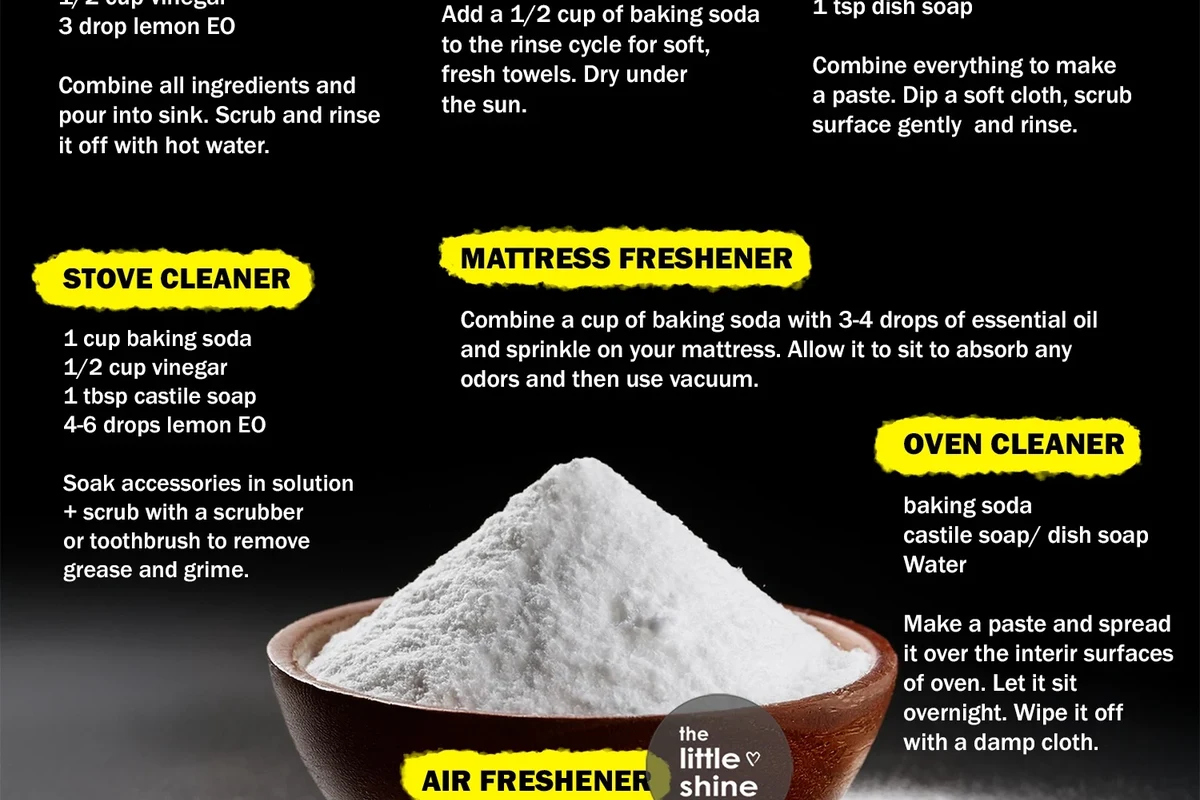
When people search for baking soda washing detergent, they usually mean using baking soda as part of a laundry routine rather than a stand-alone cleaner. In practice, it is a mild alkaline powder that can help balance wash water, soften odors, and loosen some everyday grime.
It still matters in 2026 because many households want lower-cost, simpler laundry options that fit with eco-minded routines. Baking soda is widely available, easy to store, and familiar to home cooks who already keep it in the kitchen for baking and cleaning.
Baking soda vs. commercial laundry detergent: what each one actually does
Commercial laundry detergent is built to remove soil, oils, and stains with surfactants, enzymes, builders, and other cleaning agents. Baking soda does not do all of that work. It mainly supports the wash by changing the water chemistry and helping with odor and mild residue.
That difference matters. If you skip detergent and use only baking soda, you may get fresher-smelling clothes, but you will usually not get the same level of stain and grease removal.
- Helps neutralize odors in many everyday loads
- Can support detergent performance in some wash conditions
- Inexpensive and easy to find
- Does not replace detergent for heavy cleaning
- Limited impact on set-in stains and grease
- Can be overused in high-efficiency machines if you are not careful
Why eco-minded households keep searching for baking soda laundry solutions
Many people like simple laundry add-ins because they can reduce the need for extra specialty products. Baking soda is appealing when the goal is a cleaner-smelling load, not a complicated stain-treatment routine.
It is also a common choice for households trying to keep laundry routines more flexible. If you already use a reliable detergent, baking soda can sometimes serve as a low-cost support ingredient rather than another bottle on the shelf.
Baking soda is sodium bicarbonate. In laundry, its mild alkalinity is one reason it can help reduce sour or stale odors in fabrics.
How Baking Soda Supports Cleaner Laundry Results
Baking soda works best as a helper, not a miracle cleaner. Its main value is in supporting the wash environment so detergent can do its job more effectively on everyday soils.
Odor control, pH balancing, and soil loosening in everyday wash cycles
Odors often come from sweat, body oils, bacteria byproducts, or damp storage. Baking soda can help reduce the sharp smell that lingers after washing, especially when clothes have been sitting in a hamper or gym bag.
Because it is mildly alkaline, baking soda can help shift the wash water away from the acidic side. That can make some soils easier to release from fabric, especially when paired with a proper detergent and normal agitation.
For best results, think of baking soda as a support step. Use it with detergent when you want fresher laundry, not as a substitute for the main cleaner.
Where it helps most: gym clothes, towels, bedding, and hard-water loads
Workout clothes often hold odor more stubbornly than other laundry because synthetic fibers can trap sweat and body oils. Towels and bedding can also benefit because they absorb a lot of moisture and can develop a stale smell if they are washed with too little detergent or dried slowly.
Baking soda may also help in hard-water situations, though its effect is limited. Hard water can reduce cleaning performance overall, so baking soda may improve freshness but will not fully solve mineral-related washing problems on its own.
If your laundry regularly feels stiff, dull, or still smells musty after washing, the issue may be water quality, detergent amount, washer maintenance, or overload—not just the absence of baking soda.
Best Ways to Use Baking Soda Washing Detergent Safely and Effectively
The safest approach is to start small and see how your washer, detergent, and water type respond. Manufacturer instructions for your machine should always come first, especially if you use a high-efficiency model.
Recommended amounts for standard, large, and high-efficiency washers
There is no single universal dose that fits every machine, but a modest amount is usually enough. Many home laundry guides suggest starting with a small scoop for a standard load and adjusting only if needed, rather than adding more and more powder.
For a large load, you may use a little more, but the goal is still support, not heavy layering. In HE washers, less is usually better because too much powder can leave residue or contribute to poor rinsing if the machine is overloaded.
Always check your washer manual before adding any extra powder. HE machines are designed to use less water, so excessive add-ins can reduce rinsing performance and leave fabric feeling chalky.
When to add it: pre-soak, wash drum, or alongside detergent
For routine laundry, baking soda is usually added directly to the wash drum with the clothes or alongside detergent in the main wash. That lets it work during the full cycle rather than sitting on the fabric dry.
For odor-heavy items, a pre-soak can help, especially if clothes have a strong gym smell or towels have been left damp. A soak is not a stain remover by itself, but it can make the wash more effective by softening residue before the main cycle.
Separate whites, colors, and delicates. Check care labels and look for set-in stains that need pretreatment.
Use your normal detergent amount based on load size and soil level. Then add baking soda only if you want odor support or a freshness boost.
Use the cycle recommended for the fabric. Heavier items like towels and bedding usually need more agitation and a thorough rinse.
Practical examples for brightening whites and reducing lingering smells
For whites that look dull from everyday use, baking soda can help the load smell cleaner and may improve the overall feel of freshness. It is most useful when whites are not heavily stained, but simply need a reset after normal wear.
For lingering smells in athletic wear, use baking soda with a detergent made for activewear or with a detergent you trust for that fabric type. If the odor remains after washing, the problem may be trapped body oils, not just a lack of powder additive.
White towels still smell musty after a normal wash.
Try a fuller load-size detergent dose, add a modest amount of baking soda, avoid overloading the washer, and dry towels fully right away.
Common Mistakes That Reduce Performance or Cause Problems
Baking soda is simple, but simple ingredients can still be misused. Most problems come from expecting it to do the work of detergent or from using too much in a machine that needs careful dosing.
Using too much baking soda or replacing detergent entirely
One common mistake is assuming more powder means cleaner clothes. In laundry, extra product can leave residue, dull fabrics, or reduce rinsing efficiency, especially in low-water machines.
Another mistake is replacing detergent completely. Baking soda can support cleaning, but it does not contain the surfactants and enzymes that make most detergents effective on grease, protein soils, and everyday body grime.
Mixing it with incompatible products or expecting stain removal it cannot deliver
Baking soda is not a full stain remover. It may help with odor and mild soil, but it will not reliably remove grease splatter, ink, wine, blood, or other set-in stains on its own.
Be careful when combining laundry products. If you use vinegar, oxygen bleach, or specialty stain treatments, follow label directions and do not mix products casually. Product compatibility matters because some combinations can reduce cleaning power or create unnecessary residue.
- Use baking soda as a helper with detergent
- Test on a small load first if you are unsure
- Follow product labels and washer instructions
- Do not use it as the only cleaner for dirty laundry
- Do not assume it will remove every stain
- Do not overfill the washer with powder and clothes
Missteps with delicate fabrics, colorfastness, and HE machine use
Delicate fabrics may react differently to any laundry additive, even a mild one. Always check care labels for silk, wool, embellished items, and specialty finishes before adding anything extra.
Colorfastness is also worth considering. While baking soda is commonly used in laundry, a new garment can still behave unpredictably depending on dye quality, fabric blend, and wash temperature. HE machines need special care too, because they depend on low water and controlled dosing to rinse cleanly.
Compatibility With Washing Machines, Water Types, and Laundry Products
Baking soda is flexible, but it is not equally useful in every laundry setup. The machine type, water hardness, and detergent form all affect the final result.
Front-loaders, top-loaders, and high-efficiency considerations
Top-loaders generally have more room for extra add-ins, but that does not mean more is better. Front-loaders and HE machines usually use less water, so they need careful product amounts to avoid residue and poor rinsing.
If your machine has a dispenser drawer, check whether the manufacturer allows powdered add-ins there. Some products belong in the drum, while others should go in a specific compartment, and the manual is the best source for that detail.
Soft water vs. hard water: where baking soda helps and where it falls short
In soft water, detergent often performs well on its own, so baking soda may be most useful for odor control and freshness. In hard water, the bigger issue is mineral interference, which can make detergent less effective and leave clothes looking less bright.
Baking soda may help somewhat with the wash environment, but it is not the same as a true water softener or a detergent designed for hard water. If hard water is a major issue in your home, you may need a different laundry strategy rather than just another additive.
How it pairs with liquid detergent, powder detergent, vinegar, and oxygen bleach
Baking soda can usually be used with both liquid and powder detergent, as long as you do not overload the wash. The best pairing often depends on the load: liquid detergent can be good for greasy soils, while powder detergents can be strong for general cleaning in some conditions.
Vinegar is often discussed alongside baking soda, but they do not create a magic cleaning boost when mixed together. Oxygen bleach is a separate brightening option that may be more useful for whitening and stain work, provided the fabric label allows it. For more on appliance safety and laundry add-ins, readers who also use compact kitchen appliances may find our guide on are air fryers dangerous useful for the same habit of checking instructions before using extra products.
Good for everyday loads and greasy fabrics. Baking soda can support freshness without replacing the detergent’s cleaning agents.
Often a strong match for general laundry. Baking soda may be less noticeable here because the detergent already does much of the work.
Useful when the goal is brighter whites or better stain treatment, if the fabric care label allows it.
Sometimes used for freshness, but it should not be treated as a universal partner for every load or every product.
Safety, Fabric Care, and Storage Tips for Home Use
Like any laundry helper, baking soda works best when stored safely and used with the fabric in mind. A little planning prevents clumping, accidental spills, and avoidable wear on clothing.
Fabric types and finishes that need extra caution
Delicate fibers, structured finishes, and garments with special coatings may need gentler care than standard cotton towels or T-shirts. If a label says hand wash, dry clean only, or use cold water only, follow that first.
For embellished clothing, prints, or items with elastic that is already aging, even mild laundry changes can affect appearance over time. When in doubt, test on an inconspicuous area or skip the additive.
Keep baking soda away from children and pets in open containers. Even common household ingredients should be stored securely and used only for their intended purpose.
Storage conditions to prevent clumping and moisture damage
Baking soda absorbs moisture from the air, so a dry, tightly sealed container is usually best. If it sits open in a humid laundry room, it can clump and become harder to measure accurately.
Store it away from strong-smelling products if you want to keep it fresh. A clean scoop and a dry container help prevent contamination and make the product easier to use consistently.
Household safety guidance for kids, pets, and sensitive skin
Although baking soda is common in kitchens, it should still be handled carefully around kids and pets. Avoid leaving loose powder where it can be spilled, inhaled, or tracked through the house.
For sensitive skin, the bigger issue is usually the full laundry routine, not baking soda alone. Fragrance, detergent strength, and incomplete rinsing are often more likely to cause irritation, so check labels and consider a fragrance-free detergent if needed. If skin reactions are a serious concern, follow qualified medical advice rather than relying on home remedies.
When Baking Soda Washing Detergent Is Worth Using and When to Skip It
The best laundry choice depends on the load in front of you. Baking soda can be useful, but only when its strengths match the problem you are trying to solve.
Best use cases for budget, freshness, and odor management
Baking soda is worth using when you want a low-cost freshness boost, especially for towels, gym clothes, bedding, and lightly soiled everyday laundry. It can also be helpful if you want a simpler routine and already have a detergent you trust.
It is especially practical when the main issue is smell rather than heavy visible dirt. In those cases, the additive can make laundry feel cleaner even when the fabric does not need a deep stain-removal treatment.
Baking soda as a laundry helper
Use it when you want odor control, a mild freshness boost, and a budget-friendly add-on. It works best as part of a complete wash routine, not as the only cleaner.
Limitations for heavy grease, set-in stains, and heavily soiled workwear
Skip baking soda as your main solution when the load includes heavy grease, ground-in dirt, or set stains. Workwear and heavily soiled fabrics usually need a stronger detergent approach, pretreatment, or a wash product designed for that job.
If a stain has already set, the issue is often chemistry, time, and fabric type—not just wash freshness. Baking soda may help the load smell better, but it is unlikely to reverse deep discoloration by itself.
Final recommendation: how to decide if it belongs in your laundry routine
If your laundry mainly needs odor control and a little extra freshness, baking soda washing detergent can be a smart, low-cost add-on. If your main problem is grease, stains, or consistently dirty work clothes, focus first on detergent choice, pretreatment, water temperature allowed by the fabric, and washer loading.
A good rule is simple: use baking soda to support a wash, not to replace the wash. That keeps expectations realistic and helps you avoid the most common laundry mistakes.
Baking soda washing detergent is most useful as a helper for freshness, odor control, and everyday laundry support. It is worth keeping on hand if you want a simple, budget-friendly boost, but it should sit beside detergent—not take its place.
Frequently Asked Questions
No. Baking soda can support freshness and odor control, but it does not provide the full cleaning power of detergent. Use it as an add-on, not the main cleaner.
Start with a small amount and adjust only if needed, since the right dose depends on load size and washer type. Always check your machine manual, especially for HE washers.
It may help a little with freshness, but it does not fully solve hard-water problems. If hard water is a major issue, you may need a detergent made for that condition or another water-treatment approach.
Yes, baking soda can usually be used with liquid detergent. The key is not to overload the washer and to follow the product and machine instructions.
It may help with odor and mild soil, but it is not a reliable stain remover for grease, ink, wine, or set-in marks. Pretreatment or a stain-specific product is usually better.
Not always. Delicates, special finishes, and garments with strict care labels may need extra caution, so check the fabric instructions before adding anything to the wash.
