
Bulk Baking Soda Uses Benefits and Buying Tips

Bulk baking soda is worth buying when you bake often, need steady supply, and can store it dry and sealed. For occasional bakers, a smaller container is usually simpler and safer.
Bulk baking soda is one of the simplest ingredients to buy in larger quantities, but it is not always the right choice for every kitchen. For baking schools, small bakeries, and frequent home bakers, the value comes from lower cost per ounce, steadier supply, and less repurchasing during busy production periods.
- Food-grade first: Only use bulk baking soda that is clearly labeled for food use.
- Best in frequent baking: It makes sense for schools, labs, and repeat production runs.
- Storage matters: Keep it sealed, dry, and away from strong odors or cleaning chemicals.
- Recipe accuracy counts: Baking soda works best when the formula has enough acid to activate it.
- Buy by usage: Choose the size you can finish before quality drops or storage becomes a problem.
What Bulk Baking Soda Is and Why Bakers Buy It in 2026
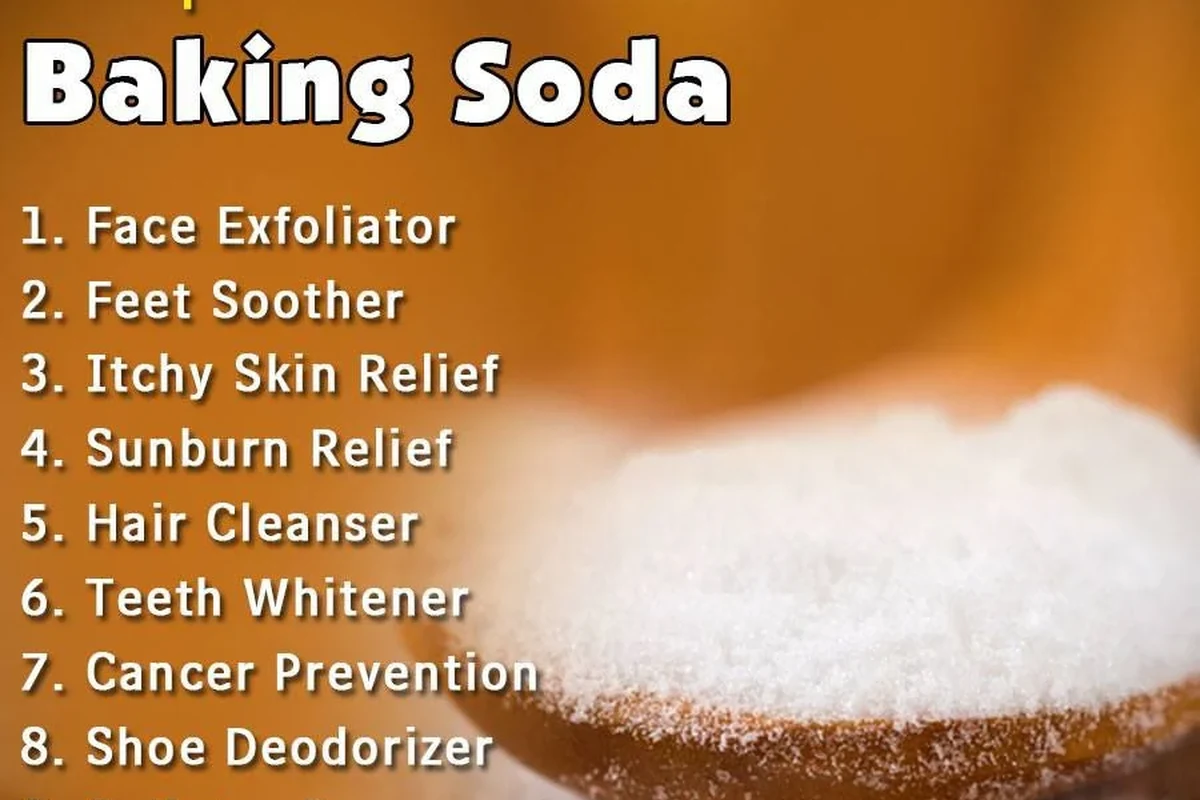
Bulk baking soda usually means a larger food-service package, such as a multi-pound bag or tub, rather than the small grocery box most home bakers keep in the pantry. Bakers buy it because the ingredient is used often, stores well when kept dry, and supports both recipe work and general kitchen cleanup.
In a training kitchen, bulk buying can also reduce the stop-and-start problem of running out mid-class. That matters when students are practicing the same formula repeatedly and need the same ingredient behavior every time.
Food-grade vs. industrial-grade baking soda
For baking, choose food-grade sodium bicarbonate with a clear ingredient statement and food safety labeling. Industrial-grade baking soda may be intended for cleaning, deodorizing, or other non-food uses, and it should not be assumed safe for recipes unless the product label clearly says food-grade.
When in doubt, check the package wording and the seller’s product page. If a supplier does not clearly identify the product as food-safe, do not use it in doughs, batters, or fillings.
How bulk sizing changes cost, storage, and workflow
Larger sizes often lower the cost per ounce, but the real advantage is workflow. A school kitchen can keep one labeled container near the mixer station and refill it from a sealed master bag, which reduces repeated opening of small boxes.
The tradeoff is storage discipline. Bulk baking soda absorbs odors and moisture more easily once opened, so the savings only hold if the container stays sealed, dry, and clean.
If you bake the same cookies, muffins, or quick breads every week, bulk baking soda is most useful when you transfer only a working amount into a small, clearly labeled container and keep the rest sealed.
Common Bulk Baking Soda Uses in Baking Pastry Schools and Commercial Kitchens
Bulk baking soda is not only for leavening. In pastry school kitchens and production bakeries, it often supports recipe development, ingredient balancing, and basic cleaning between stations.
Leavening in quick breads, cookies, and cakes
Baking soda is common in recipes that include acidic ingredients. It helps create lift in chocolate cookies, banana bread, spice cakes, and similar formulas where the batter needs a quick reaction rather than a long fermentation.
In practice, you often see better spread, lighter crumb, and less dense texture when the formula is balanced correctly. Too much can leave a soapy or bitter aftertaste, which is a common failure pattern in student baking labs.
Balancing acidity in chocolate, buttermilk, and fruit-based formulas
Many batters rely on baking soda to neutralize some acidity from buttermilk, sour cream, yogurt, cocoa, citrus, or fruit purées. That reaction can improve flavor and color while also helping the final texture set properly.
It is not a free substitute for other ingredients, though. If the recipe already has enough acid, adding more soda can push the pH too high and change browning, flavor, and structure in unwanted ways.
Cleaning, deodorizing, and prep-area support uses
Many kitchens also keep bulk baking soda for non-food tasks such as deodorizing containers, scrubbing sinks, or helping with light cleanup. That can be convenient in a school setting where one ingredient may support several routine tasks.
Keep food-use and cleaning-use containers separate. Cross-contact with soaps, fragrance, or residue is a real risk if the same scoop or tub is used for both purposes.
Never use a product intended only for cleaning or odor control in edible recipes. Always verify food-grade labeling before adding any bulk baking soda to doughs, batters, frostings, or fillings.
How Baking Soda Works in Doughs, Batters, and Pastry Formulas
Baking soda works through an acid-base reaction. When sodium bicarbonate meets an acidic ingredient and moisture, it releases carbon dioxide gas, which helps expand the batter or dough during mixing and early baking.
Acid-base reaction and carbon dioxide release
The gas bubbles created by this reaction help lighten the crumb and add volume. Heat then sets the structure around those bubbles, which is why timing matters: once the reaction starts, the batter should usually move into the oven without delay unless the formula is designed for resting.
If a recipe sits too long, part of the gas may escape before the batter firms up. That can lead to flatter cakes, tighter muffins, or uneven rise.
When baking soda is the right choice instead of baking powder
Baking soda is the better choice when the recipe already contains enough acid to activate it. Baking powder contains its own acid and is used when the formula needs a more self-contained leavening system.
In simple terms, use baking soda when the recipe needs both lift and acid balancing. Use baking powder when the recipe does not have enough acid to activate soda reliably.
Measurement examples for small-batch and bulk production
Measurement matters because baking soda is powerful in small amounts. Even a small over-measurement can change flavor and texture, especially in delicate cakes or lightly flavored pastries.
Exact amounts vary by brand, recipe, flour type, and acidity level. A formula that works in one kitchen may need adjustment if the cocoa is more acidic, the buttermilk is thicker, or the flour absorbs more moisture.
For small batches, many recipes use fractions of a teaspoon. In bulk production, kitchens often scale by weight for accuracy, because spoon measures can vary with packing, humidity, and measuring style.
Baking soda begins to lose effectiveness if it absorbs moisture or odors from the air, which is why sealed storage matters more in bulk than in a small grocery box.
Benefits of Buying Bulk Baking Soda for Students, Schools, and Small Businesses
For baking students and small operators, bulk baking soda can be a practical supply decision rather than just a cost decision. The biggest benefits are steadier inventory, fewer interruptions, and less packaging waste.
Lower cost per ounce and reduced packaging waste
Buying larger quantities often lowers the unit cost, though the exact savings depend on supplier, brand, and package type. It also reduces the number of small boxes, labels, and shipping materials entering the kitchen.
That can be especially useful in teaching kitchens that aim to keep storage organized and waste low. Still, savings only matter if the product is used before it degrades or becomes contaminated.
Consistent supply for repeated practice and production runs
Pastry schools often repeat the same formulas across multiple lab sections. A bulk supply helps keep student results more consistent because everyone pulls from the same stock and the kitchen is less likely to substitute mid-lesson.
Small bakeries benefit in a similar way during production days. When a formula is scaled up, ingredient interruptions can slow the line and make timing harder to manage.
Better inventory planning for classes, labs, and seasonal baking
Bulk buying makes it easier to plan around holiday demand, final exams, catering runs, or seasonal menu changes. You can estimate usage by the number of batches you expect to produce rather than guessing week by week.
For schools, that planning also supports better classroom prep. Instructors can stage ingredients ahead of time and reduce the chance of students waiting on a last-minute pantry run.
- Lower unit cost for frequent use
- Fewer stock interruptions
- Less packaging waste
- Needs dry, sealed storage
- Can be wasteful if usage is low
- Must be labeled carefully for food safety
How to Choose the Right Bulk Baking Soda Product
The best product is not always the biggest one. Choose based on food safety labeling, storage setup, and how quickly you will actually use it.
Food safety labels, ingredient purity, and allergen statements
Look for a clear ingredient list that identifies sodium bicarbonate and indicates food use. If the package includes allergen or cross-contact statements, read them carefully, especially in shared school kitchens where multiple ingredients are handled at once.
For serious allergy questions, rely on the product label and qualified guidance rather than assumptions. A label is the first line of verification, not a guess.
Package sizes, resealable containers, and shelf-life expectations
Bulk baking soda is sold in bags, tubs, and pails. Resealable packaging is helpful, but even a resealable bag usually works better if you place it inside a dry secondary container after opening.
Shelf life depends on storage conditions more than the calendar alone. A product kept sealed and dry will generally perform better than one left open near steam, flour dust, or strong odors.
Where to buy: restaurant suppliers, warehouse clubs, and online sellers
Restaurant suppliers are often a good fit for schools and bakeries because they carry food-service packaging and clearer food-use labeling. Warehouse clubs can work well for home bakers who use baking soda often and have space to store it properly.
Online sellers offer convenience and wider size options, but product details matter more. Read the full listing, not just the headline size, and confirm that the item is food-grade before ordering.
Storage, Handling, and Safety Tips for Bulk Baking Soda
Storage is where bulk baking soda succeeds or fails. If the ingredient picks up moisture, odors, or contamination, it may still look normal but perform poorly in the oven.
Moisture control, odor absorption, and contamination prevention
Keep bulk baking soda away from dishwashers, sinks, proofers, and other humid areas. It can absorb odors from onions, spices, cleaning chemicals, and nearby foods, which may affect flavor.
Use a clean scoop and close the container immediately after each use. In a busy kitchen, open containers are easy to forget, but that is exactly how bulk ingredients lose quality.
Store baking soda away from cleaning chemicals and never use the same scoop for food and non-food tasks. If a container has been exposed to moisture or spills, replace it rather than trying to “fix” it.
Labeling, rotation, and opening-date tracking
Write the opening date on the container and use first-in, first-out rotation. This is especially important in schools where one tub may last across several class sessions.
Simple labeling also helps prevent confusion between food-grade baking soda and any separate cleaning supply. A clear label saves time and reduces mistakes during service.
Common mistakes that weaken performance in baked goods
One common mistake is scooping from a damp container, which can clump the powder and make measuring inaccurate. Another is using baking soda in a recipe that does not contain enough acid, which can leave the finished product flat or oddly flavored.
Overmixing after the soda is added can also hurt texture in quick breads and muffins. Once the reaction starts, move efficiently so the batter reaches the oven before too much gas escapes.
Practical Buying Guide: How Much Bulk Baking Soda You Actually Need
Before buying bulk, estimate how often you bake and how much soda your recipes truly use. The right size depends on batch frequency, available storage, and how long you want the product to stay in active rotation.
Estimating usage for home bakers, pastry students, and small bakeries
Home bakers who use baking soda only occasionally may not need a large container. Pastry students, instructors, and small bakeries usually use it often enough that a larger size makes more sense, especially when multiple formulas rely on it.
A simple way to estimate need is to count batches per month and the amount used per batch. That gives a better picture than guessing based on package size alone.
When a smaller container is smarter than a true bulk purchase
Choose a smaller container if your kitchen is humid, your storage space is limited, or you bake only a few times a year. Bulk is only economical when the ingredient stays fresh and accessible enough to use consistently.
It is also smarter to buy smaller if you are still testing recipes. Once you settle on a formula and know your usage pattern, then bulk buying becomes easier to justify.
Signs of stale or compromised baking soda before use
If baking soda has absorbed strong odors, developed hard clumps, or sat exposed to moisture, it may not perform well. A quick check is to look at the texture and smell before measuring it into a recipe.
When performance matters, test a small amount in an acidic liquid if the product seems questionable. If there is little or no visible fizz, replace it rather than risking a failed batch.
Cookies spread too little, muffins stay dense, or the finished product tastes bitter.
Check the soda’s freshness, confirm the recipe has enough acid, and measure by weight or level spoon. Also verify that the oven is properly preheated and calibrated.
Final Verdict: Is Bulk Baking Soda Worth It for Your Baking Setup?
For frequent bakers, pastry schools, and small kitchens, bulk baking soda is usually worth considering because it improves supply stability and can lower ingredient cost over time. It is especially useful when the kitchen has dry storage, repeat production, and a clear labeling system.
If you bake only occasionally, a smaller container may be the better choice. The best decision comes down to usage rate, storage conditions, and whether you can keep the ingredient clean, dry, and food-safe from the moment you open it.
Bulk baking soda is a smart buy for training kitchens and regular bakers who need a reliable, food-grade supply. If you cannot store it properly or will not use it often, a smaller package is the safer and more practical option.
For readers building out a school or small-business pantry, the same planning mindset applies to equipment and ingredients alike. If you are also comparing kitchen tools, our guides on air fryer preheating and air fryer liner safety show how storage, heat, and material choice affect results and safety in everyday cooking setups.
Frequently Asked Questions
Usually yes, if both products are food-grade sodium bicarbonate. The main difference is package size, storage style, and how often you need to refill it.
It depends on storage conditions. A sealed, dry container usually performs better than one exposed to moisture, heat, or odors, so check the label and test it if performance seems weak.
Only if the product is clearly food-grade and kept separate from cleaning use. Never use a container or scoop that has been exposed to chemicals or non-food residue in recipes.
Look for clumps, off odors, or moisture exposure, then test a small amount in an acidic liquid if needed. If there is little fizz, replace it.
Use baking soda when the recipe includes enough acid to activate it. Use baking powder when the recipe needs its own built-in acid for leavening.
Keep it sealed, dry, labeled, and away from strong odors or cleaning chemicals. Use a clean scoop and track the opening date for rotation.