
Does Baking Soda Kill Roaches What Really Works

Baking soda does not reliably kill roaches, so it should not be used as a stand-alone pest-control method. It is better suited to cleanup and odor control while you use proven tools like baits, traps, and sealing entry points.
If you have heard that baking soda can kill roaches, the short answer is that it is not a reliable fix. It may play a small support role in cleanup or moisture control, but it should not be treated as a true pest-control method.
- Not a real fix: Baking soda is not a dependable way to eliminate roaches.
- Better options: Gel baits, boric acid products, traps, and exclusion work more effectively.
- Cleanup support: Baking soda can help with odor and moisture control after treatment.
- Kitchen priority: Remove crumbs, leaks, and hiding spots to make the area less inviting.
- Escalate when needed: Persistent activity often calls for landlord or professional help.
Does Baking Soda Kill Roaches, or Is It Mostly a Myth?
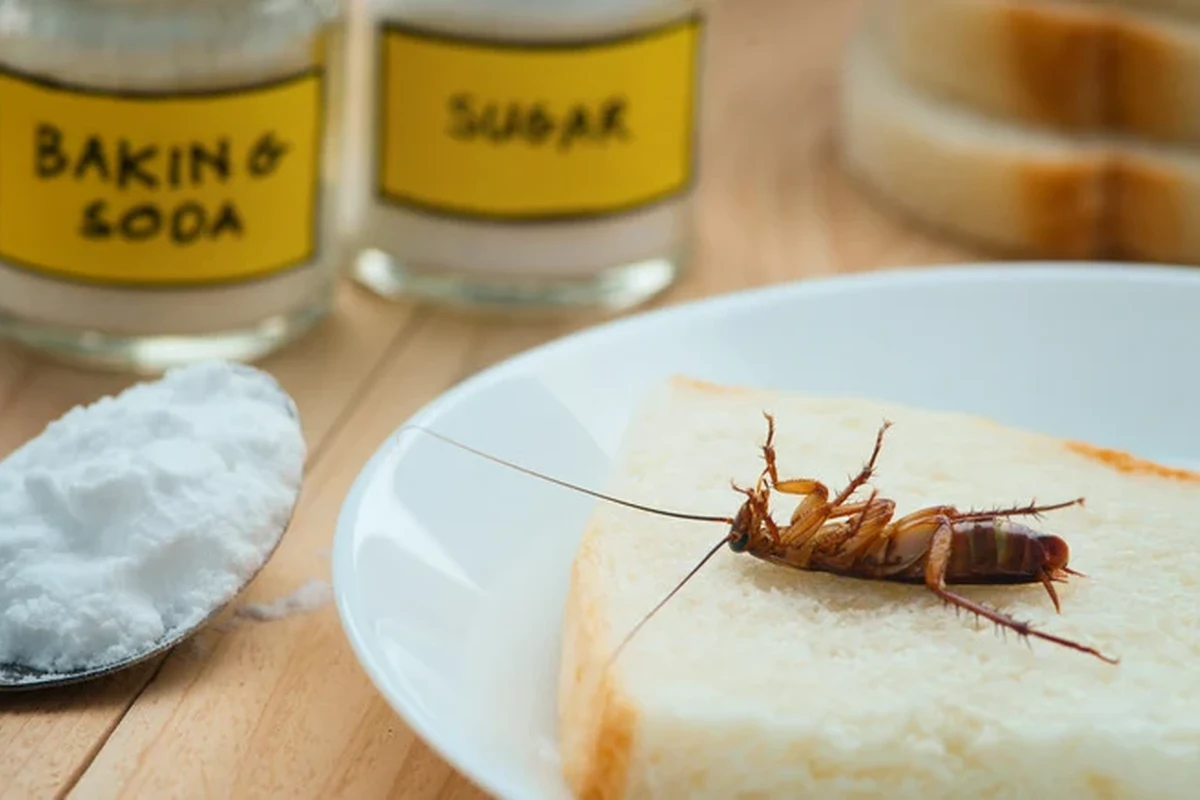
Baking soda is often mentioned in DIY pest threads because it is cheap, common, and already in the kitchen. But in a roach-control context, its reputation is much bigger than its actual performance.
What baking soda can and cannot do in a roach-control context
Baking soda can help absorb odors and may slightly dry out damp areas, but it does not work like a proven insecticide. Roaches are resilient, and a dusting of baking soda on its own usually does not reach the nest, the eggs, or enough of the population to matter.
That is why the question keeps coming up in home-cleaning searches: people want a safe, low-cost option that feels pantry-friendly. In a baking and pastry setting, that makes sense for storage and cleanup, but pest control is a different job with different rules.
Why this question keeps showing up in 2026 home-cleaning searches
Search interest keeps rising because homeowners and renters want quick DIY answers before they call for help. Roaches also tend to show up in kitchens, pantries, and shared walls, which makes the topic feel especially urgent in food spaces.
There is also a lot of recycled advice online. Some of it mixes up old myths with real sanitation tips, so it helps to separate what baking soda can do from what it cannot do.
When you are dealing with pests near food areas, the safest approach is to focus on sanitation, moisture control, and proven control products rather than pantry myths.
The Science Behind Baking Soda and Cockroach Control
To understand why baking soda is not a dependable roach killer, it helps to look at how it behaves. In baking, baking soda is a leavening agent that reacts with acid and moisture to create carbon dioxide. That reaction is useful in batter, but it is not the same thing as effective pest control.
How baking soda reacts in the body and digestive system of roaches
Roaches do ingest many surfaces while feeding and grooming, so people assume baking soda must do something dramatic inside the insect. In practice, the digestive system and dose involved usually do not make baking soda a strong enough weapon to stop an infestation.
For a substance to work as a control method, it has to be delivered in a way that roaches actually contact and consume in meaningful amounts. Baking soda spread loosely on a floor or counter rarely provides that level of exposure.
Why the “kills roaches by exploding” claim is misleading
The exploding-roach claim is one of the most repeated DIY myths. Baking soda does release gas in the right conditions, but the idea that roaches reliably explode from eating it is not a practical or well-supported control strategy.
Even if a small reaction occurs, it is not enough to solve the larger problem. A few affected insects do not remove the colony, and roaches often hide in cracks where surface powders are easy to avoid.
Roach control works best when it targets the colony, not just the insects you happen to see. That is why baiting and sanitation usually outperform random household powders.
Factors that make baking soda ineffective as a stand-alone solution
Several things limit baking soda’s usefulness. It has no strong attractant effect, it does not spread through the colony, and it is easy for roaches to avoid when they have food, water, and hiding places elsewhere.
Humidity also matters. In damp kitchens or under sinks, powders clump and lose usefulness quickly, which is another reason they fail as a stand-alone approach.
What Actually Works Better Than Baking Soda for Roaches
If the goal is real control, the best methods are the ones that reach where roaches live and feed. That usually means a mix of baits, sanitation, exclusion, and careful monitoring.
Gel baits and how they target the colony
Gel baits are one of the most practical low-profile options for indoor roach control. Roaches eat the bait and carry the active ingredient back through the population through contact and contamination, which is far more useful than a surface dust that only touches a few insects.
Placement matters. Baits work best in small amounts near cracks, cabinet edges, and other travel routes, not in open food-prep areas. Follow the product label exactly, since instructions can vary by brand and formulation.
Never place pest-control products on cutting boards, baking sheets, or any surface that contacts food. If a product label does not clearly allow a location, choose a different placement or a different product.
Boric acid, desiccants, and other low-toxicity options
Boric acid and desiccant-style products can be effective when used correctly, especially in cracks and voids where roaches travel. These products are not the same as baking soda, and they should still be used carefully according to the label.
Desiccants work by drying insects out, which is more direct than baking soda’s weak and indirect effect. They are often used in hidden areas rather than on exposed kitchen surfaces.
Traps, sanitation, and sealing entry points as part of a control plan
Sticky traps help you monitor where roaches are active, and they can reduce the number you see. They are not a complete solution, but they are useful for confirming whether your cleanup is actually working.
Sanitation is just as important. Remove crumbs, wipe grease, store food in sealed containers, and fix leaks under sinks or behind appliances. If roaches can still find food and moisture, they will keep coming back.
Sealing gaps around pipes, baseboards, and cabinets can also make a noticeable difference. This is similar to how careful prep and clean storage protect ingredients in a pastry kitchen: remove access, and you reduce the problem at the source.
For food areas, think in layers: clean, dry, seal, then monitor. A single product is rarely enough if the environment still supports pests.
When Baking Soda Might Still Be Useful Around Roaches
Baking soda is not useless, but its role is supportive rather than corrective. It can help in cleanup routines after treatment, especially in kitchens where odor and dampness are part of the problem.
Odor control and cleanup after infestation treatment
After a roach treatment plan is underway, baking soda can help absorb smells in trash bins, drains, or other non-food spaces. It is a cleanup aid, not a pesticide, so keep that distinction clear.
In baking and pastry work, that distinction matters because the same ingredient can serve very different roles depending on the task. Leavening in a cake is not the same as surface cleaning in a pantry.
Drying damp areas that attract pests
Roaches are drawn to moisture, so drying out a damp cabinet or utility area can make the space less appealing. Baking soda may help a little with odor and moisture management, but it will not fix a leak or replace ventilation.
If an area stays wet, the real fix is to repair the source of the moisture. That may mean a plumbing repair, better airflow, or moving stored items away from a damp wall.
Why it should be treated as a support tool, not a pesticide
The safest mindset is to treat baking soda like a helper in your cleaning routine. It can support a cleaner, drier kitchen, but it should not be expected to eliminate roaches or protect food storage on its own.
If you want a broader home-care comparison, some readers also find it helpful to understand how appliance safety and maintenance affect kitchen habits, such as in our guides on air fryer safety concerns and air fryer liner safety, where the same rule applies: use the right tool for the right job.
Common Mistakes People Make When Trying DIY Roach Remedies
DIY pest control often fails because the method is too weak, too scattered, or aimed at the wrong problem. The mistake is usually not effort; it is relying on a remedy that cannot match the biology of the pest.
Using baking soda alone and expecting fast results
This is the biggest problem. People sprinkle baking soda, wait a day or two, and assume the product failed because they did not use enough. In reality, the method itself is usually the issue.
Roaches reproduce quickly, hide well, and can survive in tiny cracks. A slow, passive powder is rarely enough to keep up.
Mixing home remedies without understanding safety risks
Some DIY advice combines baking soda with other household products in ways that are not helpful or safe. Mixing cleaners or pest remedies without understanding the chemistry can create fumes, reduce effectiveness, or damage surfaces.
For kitchen safety, use one product at a time unless the label specifically says otherwise. That is especially important around food-prep counters, appliances, and stored ingredients.
Ignoring food sources, moisture, and hiding places
Roaches are usually a symptom of access. If pet food is left out, crumbs build up under appliances, or a sink drips overnight, the insects have what they need to stay.
That is why the most effective plan starts with cleanup and inspection. Remove what attracts them, then use targeted control methods where they travel.
Do not spray or dust pest products where they can drift onto ingredients, pans, mixers, or cooling racks. Keep all treatment away from active food-prep zones.
Practical Roach Control Examples for Kitchens, Pantries, and Apartments
The right response depends on how serious the problem is. A single roach in a kitchen is not the same as repeated sightings in several rooms or signs of activity behind appliances.
How to handle a small, early-stage problem
If you only see a few roaches, start with a deep clean. Empty crumbs from drawers, vacuum baseboards, wipe grease near the stove, and store dry goods in sealed containers.
Then place traps in corners and near likely entry points so you can see whether the problem is isolated. If you want to use a treatment product, choose a labeled bait or crack-and-crevice option instead of baking soda alone.
What to do when roaches keep returning after cleanup
If roaches return after you have cleaned, the issue may be structural or shared. Apartment buildings, duplexes, and older homes often have hidden pathways in walls, plumbing chases, and cabinet gaps.
At that point, repeated DIY spraying or sprinkling usually wastes time. A better plan is to combine monitoring, baiting, and sealing, then escalate if the activity continues.
When a landlord, pest pro, or integrated pest management plan is the better choice
If you rent, notify the landlord early and document what you are seeing. In many shared buildings, the source may be in a neighboring unit, and a coordinated response is more effective than a single apartment treatment.
For larger or persistent infestations, an integrated pest management plan is usually the smarter path. That approach focuses on inspection, sanitation, exclusion, monitoring, and targeted products rather than one home remedy.
- Targets the colony more effectively
- Reduces repeat sightings
- Fits kitchens when used correctly
- Requires careful placement and follow-up
- May need professional help for heavy infestations
- Not all products are safe for every surface or home setup
Safety, Storage, and Cleanup Considerations in a Baking Soda Blog Context
Because this topic sits inside a baking and pastry site, it is worth being extra careful about food handling. Baking soda belongs in the kitchen, but pest cleanup should never blur into food preparation.
Keeping baking soda away from food-prep confusion and misuse
Do not store pest-related baking soda in a container that looks like an ingredient jar. If you use baking soda for cleanup, label it clearly and keep it separate from anything used for baking.
This reduces the risk of accidental use in dough, batter, or finishing applications. It also helps avoid cross-contact with other cleaning products.
Safe placement around pets, children, and sensitive surfaces
Even though baking soda is generally mild, any pest-control setup should be placed with pets and children in mind. Keep powders and traps out of reach and away from areas where paws, hands, or food bowls can contact them.
Also think about the surface itself. Some products can leave residue on natural stone, unfinished wood, or delicate finishes, so test and verify before applying anything broadly.
How to store baking soda for household use after pest-related cleanup
Store unopened or food-use baking soda in a cool, dry place. Once a box has been used for odor control or cleanup, do not return it to baking use unless you are certain it has stayed uncontaminated.
For most households, the simplest solution is to keep separate boxes: one for baking, one for cleaning, and one for pest-related support tasks if needed.
Final Verdict: Does Baking Soda Kill Roaches, and What Should You Use Instead?
Baking soda does not reliably kill roaches, and it should not be your main control method. It may help with odor or dryness in a cleanup routine, but effective roach control usually depends on baiting, sanitation, sealing, and monitoring.
Clear recap of baking soda’s limits and the most effective next step
The most effective next step is to remove food, water, and hiding places, then use a labeled roach bait or another proven control option in the right location. If the activity is more than a small isolated issue, baking soda alone will not keep up.
That is especially true in kitchens and pantries, where crumbs, steam, and plumbing gaps create ideal conditions for pests.
Decision guide for readers choosing between DIY methods and professional help
If you see only a few roaches and can identify the source, a careful DIY plan may be enough. If you keep seeing them after cleaning, if you live in a shared building, or if the infestation seems widespread, professional help is usually the better choice.
In short, use baking soda as a cleaning support tool, not as a pest-killing solution. For roaches, the winning formula is less about pantry myths and more about consistent, targeted control.
Does baking soda kill roaches? Not in a dependable, real-world way. Use it for cleanup and odor control if helpful, but rely on baits, sanitation, sealing, and professional support when the problem persists.
Frequently Asked Questions
No, baking soda is not a fast or reliable roach killer. It may help with cleanup, but it usually does not eliminate an infestation.
Baking soda is not a substitute for roach bait. Baits are designed to reach more of the colony, which makes them much more effective.
Baking soda is generally mild, but pest-control use should still be kept away from food-prep surfaces. Label it clearly and do not let it contaminate ingredients or equipment.
Gel baits, boric acid products, traps, sanitation, and sealing entry points usually work better. For larger problems, a pest professional may be the best next step.
Yes, it can help with odor control and some cleanup tasks after treatment. It should be treated as a support tool, not the main pest-control method.
Call a professional if roaches keep returning, if the problem is spreading, or if you live in a shared building. Persistent activity often means the source is hidden or beyond simple DIY cleanup.