
Baking Soda Odor Absorber Tips for a Fresher Home
Baking soda odor absorbers work best for mild smells in enclosed spaces like fridges, closets, and shoes. They are most effective when the source is cleaned first and the baking soda is placed in an open, breathable container.
A baking soda odor absorber is one of the simplest ways to keep a home smelling cleaner between deep cleans. It works best on everyday smells, and it is most effective when you place it correctly, replace it on schedule, and clean the odor source first.
- Best use: Use baking soda for everyday odors in small, enclosed spaces.
- Placement matters: Open or shallow containers work better than sealed jars.
- Clean first: Baking soda cannot fix odors that still have a dirty or damp source.
- Replace regularly: Old baking soda loses effectiveness over time.
- Know the limit: Smoke, mildew, and pet accidents often need stronger solutions.
What a Baking Soda Odor Absorber Actually Does in a Home
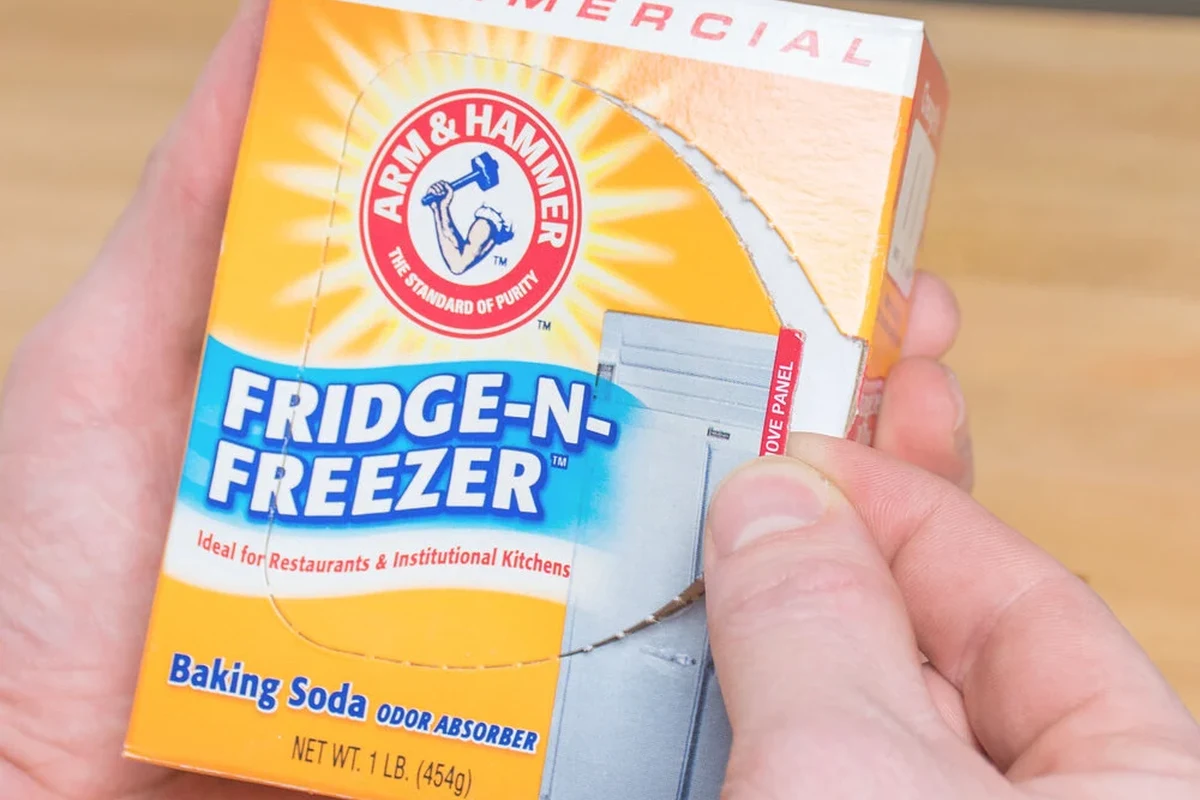
Baking soda, or sodium bicarbonate, helps reduce odors by interacting with acidic and some basic odor molecules. In plain terms, it can help “catch” smells instead of just covering them up with perfume.
That makes it useful in the kind of places where odors build slowly: enclosed spaces, fabric storage, and rooms with limited airflow. It is a practical freshness tool, not a full odor-removal system.
How baking soda traps and neutralizes common household odors
Many household odors come from volatile compounds floating in the air. Baking soda can help neutralize some of those compounds and reduce the intensity of the smell.
This is why it often works well for sour refrigerator odors, stale closet air, shoe odor, and mild trash-area smells. It does not “clean” the air the way a filter does, but it can make the space noticeably less musty.
Baking soda works best when more of its surface is exposed to air. That is why a shallow bowl or open box usually performs better than a tightly closed container.
Where it works best: refrigerators, closets, trash areas, shoes, and laundry spaces
Refrigerators are a classic use because they are enclosed, cool, and full of mixed food odors. Closets and drawers also benefit because trapped air can hold onto stale or damp smells.
It can help near trash bins, inside gym shoes, and around laundry baskets or hampers where fabric holds odor. For a broader kitchen freshness routine, readers may also find it useful to compare odor control habits with other appliance and home-safety topics, such as air fryer preheating habits and air fryer liner safety, since both involve practical everyday kitchen use.
What it cannot do well: strong smoke, mold, pet accidents, and deep-set odors
Baking soda has limits. It is not strong enough to erase heavy smoke odor, active mold problems, or pet accidents soaked into carpet, padding, or subflooring.
Deep-set odors usually need source removal, cleaning, drying, and sometimes professional treatment. If the smell keeps returning, the problem is usually beyond what a simple absorber can fix.
Choosing the Right Baking Soda Odor Absorber Format for the Job
The best format depends on how much air exposure you need and where the odor is coming from. More exposed surface area usually means better performance, while a more contained format can be easier to place neatly.
Open box, bowl, sachet, shaker, and homemade pouch options
An open box is the easiest option for refrigerators and cabinets. A shallow bowl exposes even more surface area, which can help in closets, pantries, and laundry rooms.
Sachets and homemade pouches are useful for shoes, drawers, and luggage. A shaker works better when you want to sprinkle baking soda directly on a surface or into a bin, but it is not the best long-term absorber format.
- Low cost and easy to find
- Flexible for many small spaces
- Simple to replace regularly
- Less effective in very large rooms
- Can spill if placed carelessly
- Needs regular replacement
Comparing absorbency, surface area, and placement flexibility
Absorbency matters, but surface area matters just as much. A wide, shallow container lets more air touch the baking soda, which helps it work more efficiently.
Placement flexibility matters too. A sachet fits inside shoes or drawers, while an open bowl is better for a shelf or counter. In odor control, the right shape often matters as much as the amount used.
When to use plain baking soda versus scented or specialty deodorizing blends
Plain baking soda is the safest starting point for most homes because it has no added fragrance. That matters if you want to reduce odors without adding a stronger scent on top.
Scented or specialty blends may feel more powerful, but they can simply mask odor rather than reduce it. If you are sensitive to fragrance, plain baking soda is usually the more predictable choice.
If you use a scented deodorizing product, check the label carefully for ingredients, fragrance strength, and any storage or disposal instructions. Product formulas vary, so the safest choice is the one that matches the space and your sensitivity level.
Best Placement Tips for Maximum Odor Control
Placement is often the difference between “it works” and “it barely does anything.” Put the baking soda where air moves past it and where the smell is strongest, not hidden in a corner with no circulation.
Ideal locations in the kitchen, bathroom, bedroom, pantry, and laundry room
In the kitchen, place it near the refrigerator, under the sink, or beside the trash area. In the bathroom, a small open container can help with closed-air dampness and light odor buildup.
In bedrooms, closets and dresser drawers are the most common spots. Pantries and laundry rooms also benefit, especially if linens, cleaning supplies, or dry goods hold onto stale smells.
How airflow and container shape affect odor absorption
Airflow helps move odor molecules toward the baking soda. If the container is too deep or too narrow, much of the powder stays less exposed and works more slowly.
That is why a shallow dish usually outperforms a tall jar with the same amount of baking soda. The goal is not just storage; it is contact with air.
Keep baking soda away from open food prep areas unless it is in a clean, food-safe container and clearly separated from ingredients. If it spills onto counters or shelves, wipe it up before it gets tracked into food storage.
Practical examples for small apartments, family homes, and damp spaces
In a small apartment, one or two well-placed absorbers may be enough for a closet, entryway, or fridge. In a family home, you may need several stations because odors come from different rooms at different times.
Damp spaces need extra attention. Baking soda can help with musty air, but if moisture is the real issue, ventilation and dehumidifying are more important than adding more powder.
How to Use Baking Soda Odor Absorber Safely and Effectively
Using more baking soda is not always better. The right amount depends on room size, how enclosed the space is, and how strong the odor source is.
Recommended amounts for different room sizes and enclosed spaces
For a refrigerator, a small open box or shallow dish is usually enough for routine freshness. For a closet or pantry, a modest bowl or sachet may be more appropriate, depending on the size of the space.
For shoes or small drawers, a few tablespoons in a breathable pouch can be enough. For larger rooms, baking soda alone is rarely enough unless the odor is mild and the space is very well controlled.
How often to replace or refresh the baking soda for consistent results
Baking soda does not stay equally effective forever. Once it has absorbed enough odor and moisture, it becomes less useful and should be replaced or refreshed.
Replacement timing depends on the space, humidity, and how strong the odor load is. A refrigerator may need a more regular schedule than a lightly used closet, while damp areas may need closer attention.
- Clean the odor source first if possible
- Choose a shallow, breathable container
- Place it where air can move across the surface
- Mark a replacement date so you do not forget
Safety considerations around pets, children, spills, and food-contact areas
Baking soda is generally low-risk for household use, but it still needs sensible handling. Keep containers out of reach of small children and curious pets, especially if they might knock them over or eat large amounts.
In food-contact areas, use clean containers and avoid loose powder near ingredients. For any product used around food storage, follow the package directions and basic food safety practices from recognized sources such as the USDA or FDA when relevant.
Common Mistakes That Make Baking Soda Less Effective
Most baking soda failures are placement or expectation problems, not product problems. The powder is simple, but the way you use it changes the result a lot.
Using too little baking soda in a large or heavily used space
A tiny amount in a busy room will not keep up with constant odor production. If the space is large or the smell is strong, one small container will usually be underpowered.
The fix is either to use multiple stations or to pair baking soda with better cleaning and airflow. Odor control works best as a system, not a single trick.
Expecting it to eliminate odors without cleaning the source first
If food residue, spilled milk, damp fabric, or trash buildup is still present, baking soda can only do so much. It may soften the smell, but it will not remove the cause.
Clean first, dry if needed, then place the absorber. That sequence gives the best chance of a noticeable improvement.
Leaving it in sealed containers with no air exposure
Baking soda needs contact with air to absorb odors effectively. If it is packed tightly into a sealed jar or buried under a lid, performance drops sharply.
Use breathable packaging or an open container whenever possible. The more the air can move through the space, the better the result.
Forgetting to replace old baking soda after it loses performance
Old baking soda can look fine while doing very little. If the space starts smelling stale again, the absorber may simply be spent.
Refreshing on a schedule is easier than waiting for odors to build up again. A simple calendar reminder can save a lot of guesswork.
The space still smells bad even though baking soda is in place.
Check whether the source was cleaned, whether air can reach the powder, and whether the container is too small for the space. If the odor is strong, add ventilation or switch to a stronger method.
When Baking Soda Is Enough and When You Need a Stronger Solution
Baking soda is excellent for routine freshness and mild odors. It is less useful when the smell comes from smoke damage, mildew, pet accidents, or moisture that keeps feeding the problem.
Everyday odor control versus stubborn odors from smoke, mildew, and pets
For everyday odor control, baking soda is often enough in small enclosed spaces. For stubborn odors, the smell usually has a physical source that needs removal or treatment.
Smoke and mildew are especially difficult because the odor can cling to walls, fabrics, and hidden surfaces. Pet odors can also soak deep into soft materials, where a surface absorber cannot reach.
Combining baking soda with ventilation, deep cleaning, and moisture control
Fresh air can make a bigger difference than adding more powder. Open windows when weather allows, run exhaust fans, and dry damp materials quickly.
Deep cleaning removes the residue that keeps producing odor. Moisture control matters too, because dampness can keep smells active and make any absorber seem weaker than it really is.
- Clean the source before adding baking soda
- Use shallow, open containers
- Replace it on a regular schedule
- Pair it with airflow and dryness
- Expecting one box to fix a whole room
- Hiding it in a sealed container
- Ignoring mold, pet stains, or smoke damage
- Leaving spills or residue behind
Situations where activated charcoal, enzymatic cleaners, or professional help may be better
Activated charcoal can be a stronger option for some persistent odors because it has a very large surface area. Enzymatic cleaners are often better for pet messes because they break down odor-causing residue instead of just masking it.
For smoke damage, mold, or repeated moisture problems, professional help may be the safest and most effective route. Baking soda is useful, but it should not be asked to solve every odor problem on its own.
Storage, Cost, and Eco-Friendly Value in 2026
One reason baking soda remains popular is that it is simple to store, inexpensive to use in small amounts, and easy to keep around the home. It also creates less packaging waste when you buy larger boxes and divide them into small containers as needed.
How to store bulk baking soda to preserve freshness and performance
Store bulk baking soda in a dry place with the lid tightly closed. Moisture can reduce performance and cause clumping, which makes it harder to portion cleanly.
If you keep a large box or bag, transfer smaller amounts into clean containers for daily use. That keeps the main supply fresher and reduces spills.
Budget-friendly ways to keep multiple odor absorber stations around the home
Small open containers are usually enough for most rooms, so you do not need fancy gear to get started. Reusing clean bowls or jars can make the setup even more economical.
For shoes, drawers, and closets, homemade pouches made from breathable fabric can be a low-cost option. This is one reason baking soda remains a practical household staple rather than a specialty purchase.
Why baking soda remains a low-waste, low-risk option for routine freshness
Compared with many scented products, baking soda is straightforward and low-fuss. It has no strong fragrance of its own, and it can be used in many small home situations without much setup.
That makes it a good first-line choice for routine freshness, especially if you want a simple, low-waste approach. It is not the strongest odor solution, but it is one of the easiest to maintain.
Final Verdict: The Smartest Ways to Use Baking Soda Odor Absorber Tips for a Fresher Home
The smartest use of a baking soda odor absorber is targeted and realistic. It works best in refrigerators, closets, pantries, shoes, and other enclosed spots with mild to moderate odor buildup.
It works less well for smoke, mildew, pet accidents, and deep-set smells. For those problems, clean the source, improve airflow, control moisture, and move to a stronger solution if needed.
Best use cases by room and odor type
Use plain baking soda in the fridge, closet, trash area, laundry space, and shoe storage. Choose an open or shallow container whenever possible so more air can reach the powder.
For damp or stubborn spaces, combine it with ventilation and drying steps. That approach gives you a fresher home without relying on fragrance to hide the problem.
Simple recap of what works, what to avoid, and when to upgrade your approach
What works: clean the source, place the baking soda where air can reach it, and replace it regularly. What to avoid: sealed containers, tiny amounts in large rooms, and expecting it to fix major odor damage on its own.
When the smell is too strong or too deep, upgrade to charcoal, enzymatic cleaning, moisture control, or professional help. Used the right way, baking soda is still one of the easiest odor-control tools a home can have.
Frequently Asked Questions
It depends on the space, humidity, and odor level. Small enclosed areas may need more frequent replacement than lightly used closets.
Usually, yes. More air exposure gives baking soda a better chance to contact odor molecules.
Not usually. It may help with light smells, but pet accidents often need cleaning products made for that purpose.
Yes, if it is in a clean, separate container and kept away from direct food contact. Replace it if it spills or becomes contaminated.
Not always. Scented products may mask odor, while plain baking soda is often the simpler choice for routine freshness.
Use a stronger option for smoke, mildew, heavy pet odors, or moisture problems. Those issues usually need cleaning, ventilation, or specialized products.

