
Baking Soda Mouthwash Benefits for Fresh Breath and Health
Baking soda mouthwash can help freshen breath and reduce lingering acidic tastes when used as a mild rinse. It works best as an occasional support step, not a replacement for brushing, flossing, or dental care.
Baking soda mouthwash is a simple rinse made from sodium bicarbonate and water, and many people use it to freshen breath or reduce that sour, acidic feeling in the mouth. It is not a replacement for brushing, flossing, or professional dental care, but it can be a useful low-cost option when used correctly.
- Freshness help: A mild baking soda rinse may neutralize acids and improve short-term breath.
- Use carefully: Too much baking soda or too-frequent rinsing can dry or irritate the mouth.
- Not a replacement: It does not replace brushing, flossing, or professional oral care.
- Best fit: It is most useful after meals, coffee, or strong-flavored foods.
- Safety first: Stop if you have sores, sensitivity, or ongoing bad breath that needs evaluation.
What Baking Soda Mouthwash Is and Why People Use It
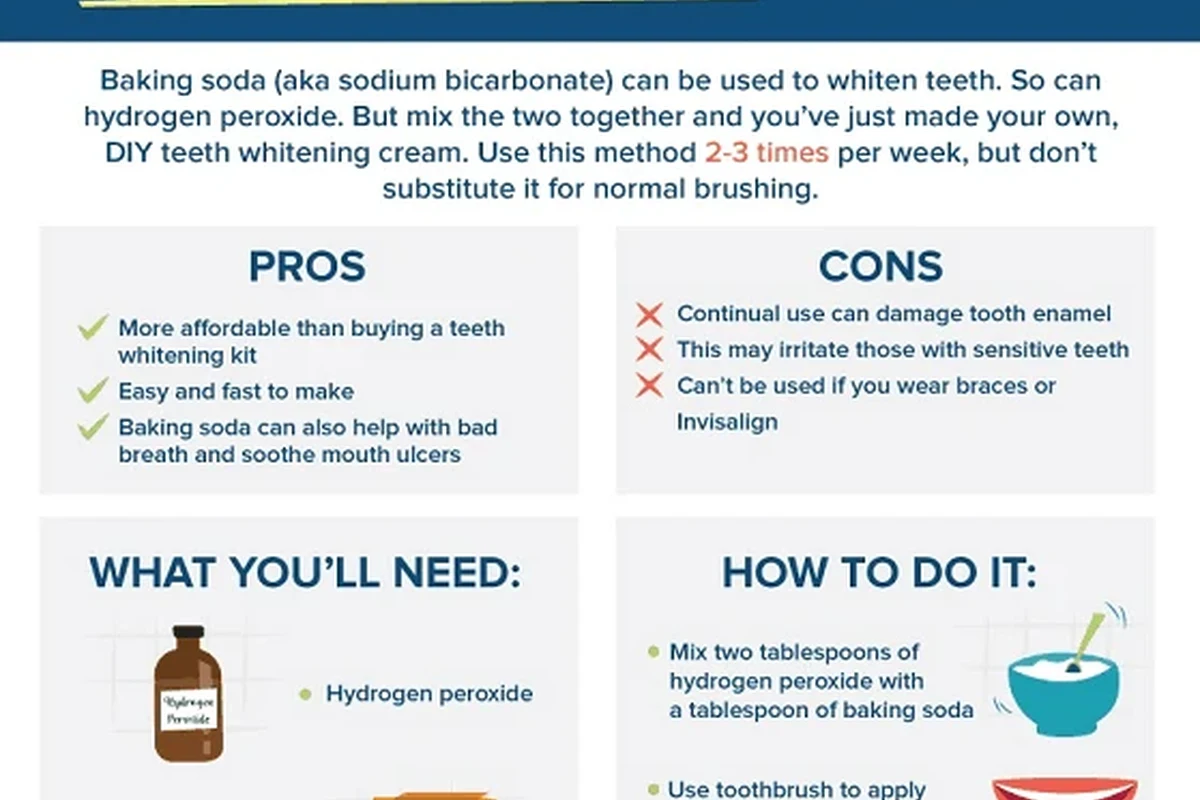
Baking soda mouthwash is usually just a diluted solution of baking soda in water. People reach for it because it is easy to mix at home, inexpensive, and familiar from other kitchen uses, which makes it feel less complicated than many commercial oral care products.
How sodium bicarbonate works in the mouth
Sodium bicarbonate is mildly alkaline, so it can help neutralize acids in the mouth. That matters because odor and a stale taste often become more noticeable when the mouth is dry or when acidic foods, drinks, or bacteria leave behind an acidic environment.
It does not “kill” every odor source, but it can make the mouth feel less sharp, less sour, and cleaner for a short time. In practical terms, that is why some people notice fresher breath after rinsing, especially after coffee or a strongly flavored meal.
Why it appeals as a simple, low-cost oral care option in 2026
In 2026, many people still want oral care that is affordable, alcohol-free, and easy to customize. Baking soda mouthwash fits that need because it uses a pantry ingredient and plain water, with no special bottle or added flavoring required.
Simple does not always mean better for every mouth. A basic baking soda rinse can be a helpful tool, but it should be chosen for the right reason: temporary freshness or mild acidity relief, not full oral treatment.
Potential Benefits for Fresh Breath and Everyday Oral Comfort
The biggest reason people try baking soda mouthwash is fresh breath support. The second is comfort, especially after meals that leave the mouth feeling coated, acidic, or unusually dry.
Neutralizing odor-causing acids and lingering tastes
Bad breath often has more than one cause, but acids and leftover food compounds can make it worse. Because baking soda is alkaline, it may help reduce the sharp, lingering edge of sour or bitter tastes that remain after eating or drinking.
This is one reason it can be useful after coffee, tomato sauce, vinaigrette-heavy meals, garlic, onions, or citrus. It is not a cure for chronic bad breath, but it can be a practical reset between meals or before a social event.
Supporting a cleaner-feeling mouth after coffee, garlic, or acidic foods
Some foods leave a film or lingering taste that brushing alone does not immediately remove. A rinse can help loosen that sensation and make the mouth feel less sticky or dry, especially if you are away from a sink or need a quick refresh.
The mouth’s pH can shift after meals and snacks, and acidic conditions can make breath seem stronger or more unpleasant until saliva and hygiene restore balance.
How it may fit into a broader oral hygiene routine
The best way to think about baking soda mouthwash is as a support step, not the main event. It can fit after brushing or after meals, but it should not replace fluoride toothpaste, flossing, tongue cleaning, or regular dental checkups.
If you are already reading about home-care habits, you may also find it useful to compare how ingredient choices affect other kitchen and household routines, such as the practical tradeoffs discussed in our guide to whether air fryers are healthy. The same idea applies here: convenience is helpful, but context matters.
How to Use Baking Soda Mouthwash Safely and Correctly
With baking soda, concentration matters. Too much can feel gritty, salty, or irritating, while too little may not provide much noticeable benefit.
Typical dilution ratios and why concentration matters
A common home mix is a small amount of baking soda dissolved in a cup of water, but exact ratios vary by preference and dental guidance. The key is to keep the solution mild, fully dissolved, and comfortable rather than strong or chalky.
Rinsing time, frequency, and when to avoid overuse
Swish the rinse gently for a short period, then spit it out. For most people, occasional use after meals or when breath needs a quick refresh is more sensible than repeated rinsing throughout the day.
Overusing any rinse can become counterproductive. If your mouth feels dry, irritated, or unusually sensitive after use, stop and switch to plain water until you can ask a dental professional for advice.
Practical examples for at-home use and post-meal freshening
At home, baking soda mouthwash can be used after coffee, after a garlic-heavy lunch, or when acidic food leaves your mouth feeling unsettled. It can also be helpful before a meeting or social event when you want a fast, simple freshening step.
If you are already in the kitchen and looking for a practical routine, think of it like a quick finishing step rather than a full process. You would not skip brushing the pan before baking a delicate pastry, and you should not skip brushing and flossing just because a rinse feels convenient.
Common Mistakes That Can Reduce Benefits or Cause Irritation
Most problems with baking soda mouthwash come from using too much, using it too often, or expecting it to do more than it can. A mild rinse is very different from a stronger homemade solution.
Using too much baking soda or rinsing too often
A heavy mix can taste unpleasant and may leave a dry or powdery feeling on the tongue and cheeks. Frequent use can also make the mouth feel off-balance, especially for people who already struggle with dryness or sensitivity.
The rinse tastes harsh, leaves a residue, or makes the mouth feel dry.
Use a weaker dilution, mix until fully dissolved, and reduce how often you rinse. Mild is usually better than strong.
Confusing mouthwash with brushing or flossing replacement
Baking soda mouthwash can freshen breath, but it does not remove plaque the way brushing and flossing do. If food debris or plaque is the real problem, a rinse may only hide the issue for a short time.
This is similar to how a tool can help with one part of a kitchen task without replacing the whole method. If you want a broader comparison of simple versus specialized approaches, our article on whether air fryers are worth it shows how to judge convenience against real function.
Ignoring sensitivity, sores, or signs of oral imbalance
If you have mouth sores, gum irritation, unusual burning, or pain that does not go away, do not keep using a rinse just because it is “natural.” Those signs can point to a problem that needs professional attention.
Use only clean utensils and fresh water when mixing any home rinse. Avoid sharing cups, and do not use a rinse that has been sitting out for long periods.
Who Baking Soda Mouthwash May Help Most—and Who Should Be Cautious
This rinse is best for short-term freshness and mild comfort, not for treating persistent oral health issues. The people who benefit most are usually those who want a simple, occasional rinse after meals.
Best-fit use cases for temporary breath support and mild acidity relief
Baking soda mouthwash may suit people who get occasional coffee breath, spicy-food aftertaste, or a sour mouth feeling after acidic foods. It may also appeal to those who prefer alcohol-free options and want something easy to mix at home.
Situations where dental guidance matters, including dry mouth or enamel concerns
If you have dry mouth, frequent cavities, enamel wear, braces, gum disease, or ongoing bad breath, a rinse should not be your main plan. Those situations often need a more specific routine, and the right choice depends on the cause.
- Check whether you have sensitivity, sores, or dry mouth.
- Confirm that your dental treatment plan allows home rinses.
- Use a mild mix and stop if the mouth feels irritated.
When to stop using it and choose another oral care approach
Stop using baking soda mouthwash if it stings, dries your mouth, or seems to make breath worse. If bad breath persists even with good brushing, flossing, and hydration, the cause may be dental, digestive, medication-related, or related to another health issue that needs evaluation.
How It Compares With Commercial Mouthwash and Other Fresh Breath Options
Commercial mouthwashes vary widely, so the best choice depends on your goal. Baking soda is mainly about neutralizing acids and freshening the mouth, while many store-bought formulas are designed for fluoride support, antimicrobial action, or cosmetic effects.
Alcohol-free rinses, fluoride rinses, and whitening mouthwashes
Alcohol-free rinses may feel gentler and are often preferred by people with dry mouth or sensitivity. Fluoride rinses are used for cavity prevention in some routines, while whitening mouthwashes are usually aimed more at appearance than deep oral comfort.
Pros and limitations versus essential-oil and antimicrobial formulas
Essential-oil and antimicrobial mouthwashes may offer stronger breath control for some users, but they can also feel more intense or irritating. Baking soda is simpler and usually milder, though it may not provide the same level of long-lasting breath control.
- Low cost and easy to mix
- Alcohol-free and simple
- May help neutralize acids
- Shorter-lasting freshness
- Not a substitute for brushing or flossing
- May irritate if overused
Best use cases based on breath goals, sensitivity, and budget
If your main goal is a quick, budget-friendly rinse after a meal, baking soda can make sense. If you need cavity protection, stronger breath control, or help with a dental condition, a commercial rinse recommended by a dentist may be a better match.
For readers who also like comparing practical choices in the kitchen, our guide to whether air fryers use a lot of electricity follows a similar logic: the right option depends on how often you use it and what result you actually need.
Ingredient Quality, Storage, and Safety Considerations in 2026
Even a simple rinse deserves basic ingredient and storage care. The goal is to keep the solution clean, mild, and appropriate for your mouth.
Choosing food-grade baking soda and clean water
Use food-grade baking soda from a sealed package and clean water from a safe source. Do not use baking soda that looks contaminated, clumped from moisture, or mixed with other ingredients meant for cleaning rather than food use.
Mixing, storage time, and why fresh batches are usually preferred
Freshly mixed rinse is usually the safest and most practical choice because it is easy to make and avoids storage questions. If you do store a batch, keep it covered, clearly labeled, and discard it if it looks cloudy, smells unusual, or has been sitting too long.
Exact storage time can vary by container cleanliness, water quality, and room temperature. When in doubt, mix a new batch instead of trying to save a large amount.
Safety notes for children, braces wearers, and people with dental treatment plans
Children should only use a rinse if a parent, caregiver, or dental professional says it is appropriate. People with braces, retainers, recent dental work, or special treatment plans should check instructions from their dentist or orthodontist before using any homemade rinse.
- Use a mild solution and spit it out fully
- Ask for dental guidance if you have ongoing symptoms
- Keep the rinse as an occasional support step
- Using it as a cure for chronic bad breath
- Rinsing constantly through the day
- Using it on irritated tissue without advice
Final Verdict: When Baking Soda Mouthwash Makes Sense for Fresh Breath
Baking soda mouthwash makes sense when you want a simple, inexpensive rinse that may help neutralize acids and leave the mouth feeling fresher for a short time. Its limits are just as important: it is not a substitute for brushing, flossing, or professional care, and it should stay mild to avoid irritation.
Recap of benefits, limitations, and realistic expectations
The main benefits are convenience, low cost, and temporary freshness after meals or strong flavors. The main limitations are short duration, uneven results, and the fact that it does not address deeper causes of bad breath on its own.
How to decide whether it belongs in your daily or occasional routine
For most people, baking soda mouthwash works best as an occasional helper rather than an all-day habit. If it feels comfortable, improves freshness, and fits your routine, it can be a useful backup; if it irritates your mouth or does not help, choose a different oral care approach and ask a dental professional for guidance.
Baking soda mouthwash is a practical, low-cost option for temporary breath freshening and mild acidity relief, but only when used in a weak, careful mix. Treat it as a support step, not a replacement for core oral hygiene or dental advice.
Frequently Asked Questions
Mix a small amount of food-grade baking soda into clean water until fully dissolved. Keep the solution mild, swish briefly, and spit it out.
It can freshen breath, but it does not replace every function of commercial mouthwash. Brushing, flossing, and dental care still matter most.
Occasional use after meals or for quick freshness is usually more reasonable than frequent daily rinsing. Stop if it causes dryness or irritation.
It may be tolerated by some people, but sensitivity can vary. If your teeth or gums feel irritated, get dental guidance before continuing.
It may help with temporary breath freshness by reducing acidity and lingering tastes. Persistent bad breath should be checked by a dental professional.
Children should only use it if a parent or dental professional says it is appropriate. Keep the solution mild and make sure they can spit it out safely.

