
Baking Soda to Remove Odor Easy Ways That Really Work
Baking soda can help remove mild odors by absorbing and reducing smell molecules, especially in dry, enclosed spaces. It works best after cleaning the source and is not enough for mold, mildew, or deep contamination.
Baking soda is one of the simplest ways to reduce common household odors, especially in small spaces and on dry surfaces. It does not cover smells with perfume; it helps trap and neutralize some odor-causing compounds, which is why it can work well when used the right way.
- Best use: Works well for mild odors in fridges, shoes, bins, carpets, and fabrics.
- Limit: It deodorizes; it does not disinfect or remove every odor source.
- Method: Use it on dry surfaces and replace it when it becomes damp or stale.
- Common mistake: Sprinkling it on wet messes before cleaning the residue.
- Rule of thumb: Clean first for spills, spoilage, mold, or moisture damage.
Baking Soda to Remove Odor: Why It Works and When It’s the Right Fix
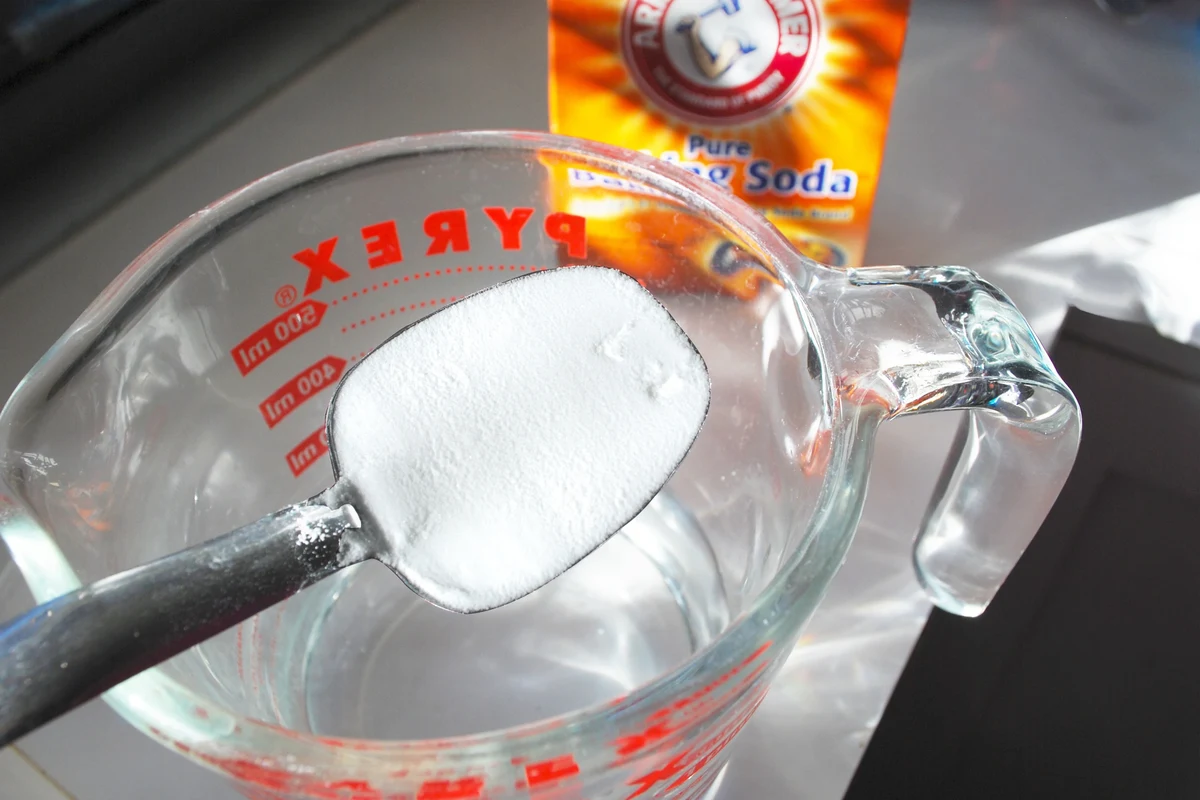
Baking soda, or sodium bicarbonate, works best as a deodorizer, not as a cleaner. In plain terms, it can help absorb certain odor molecules and reduce how strong they smell in the air or on a surface, but it cannot remove the source of every bad odor.
The difference between odor absorption and masking matters. Air fresheners only add another scent, while baking soda can help pull down the intensity of some smells, especially when the odor is mild and the area is dry.
The science behind odor absorption versus masking
Many odors come from volatile compounds that travel through the air. Baking soda can interact with some of these compounds and reduce their smell, which is why an open box often helps in a refrigerator or closet.
It also works by keeping the environment slightly less favorable for certain odor reactions. That said, it is not a disinfectant and it does not destroy mold, bacteria, or spoiled food residue.
Odors baking soda handles well: fridge, trash, shoes, carpets, and fabrics
Baking soda is most useful for everyday smells that are light to moderate and not deeply embedded. Common examples include refrigerator odors, trash can smells, shoe odor, gym bags, carpet surface smells, and stale fabric odors.
It is also helpful in places where airflow is limited. Small enclosed spaces let the powder or an open container work on the surrounding air more efficiently.
When baking soda is not enough and you need a deeper clean
If the smell comes from spoiled food, pet urine that soaked into padding, mildew, grease buildup, or standing moisture, baking soda alone usually will not solve it. You need to remove the source first, then use baking soda as a finishing step.
If you suspect mold or mildew, follow appropriate cleaning guidance from recognized sources such as the EPA or local health authorities, and make sure the area is fully dried. For food-contact areas, follow USDA or FDA safe-cleaning guidance where relevant.
Baking soda is most effective on dry, fresh, or lingering odors. If the smell is caused by contamination or moisture damage, cleaning and drying come first.
How to Use Baking Soda to Remove Odor in Everyday Spaces
The best method depends on where the odor is coming from and how much air circulation the space has. In most cases, the goal is simple: expose the odor source or nearby air to dry baking soda for long enough to make a difference.
Refrigerators and freezers: open box, shallow dish, and replacement timing
For a refrigerator, an open box or a shallow dish of baking soda is a common approach. Place it where it will not spill, ideally on a stable shelf with good airflow around it.
For a freezer, the same idea can help with mild odors after the freezer has been cleaned and dried. Replace the baking soda regularly, since it loses effectiveness over time and can absorb moisture or surrounding smells.
Use a shallow, wide container instead of a deep cup when you want more surface area exposed to the air. More exposed surface usually means better odor contact.
Trash cans and recycling bins: dry sprinkle, contact time, and rinse-out cleanup
After emptying and washing a trash can, sprinkle a thin layer of baking soda in the bottom and let it sit before the next liner goes in. This helps with lingering odor in the container itself, not just the trash bag.
Do not dump baking soda onto wet garbage and expect it to fix the smell. If the bin is dirty, rinse it first, scrub off residue, and let it dry before adding baking soda.
Closets, shoes, and gym bags: sachets, pouches, and safe application methods
For closets and gym bags, small breathable sachets or pouches are usually safer than loose powder. They reduce mess and keep the baking soda contained while still allowing air contact.
For shoes, sprinkle a small amount inside, let it sit, then shake or vacuum it out. If shoes are delicate, lined, or made from materials that stain easily, test carefully first.
Carpets, upholstery, and mattresses: surface application and vacuuming tips
On carpets, upholstery, and mattresses, a light, even layer is usually better than a heavy pile. Let it sit long enough to interact with surface odors, then vacuum thoroughly.
This method works best on dry surfaces with no fresh spill. If there was liquid involved, blot and clean the area first, then use baking soda after the surface is dry.
Do not use baking soda as a substitute for proper stain removal on mattresses or upholstery. If moisture remains trapped inside the material, odor may return even after vacuuming.
Measurement Matters: How Much Baking Soda to Use for Different Odor Problems
There is no single perfect amount for every situation. The right amount depends on the size of the space, how strong the odor is, and whether the smell is in the air or inside a material.
Small enclosed spaces versus larger rooms
Small spaces like lunch boxes, shoes, drawers, and compact bins usually need only a small amount. Larger closets, carpets, or room-sized odor problems may need more coverage or repeated treatment.
Baking soda works by contact, so a tiny pinch in a large room will not do much. For bigger spaces, it is often better to target the source area rather than try to deodorize the whole room at once.
Light odors, persistent odors, and heavy moisture-related smells
Light odors often respond to a simple open container or a thin surface layer. Persistent odors may need repeated applications and a longer wait time.
Heavy moisture-related smells are different. If the odor comes from dampness, mildew, or soaked materials, baking soda can help after cleaning, but it usually cannot fix the problem by itself.
How long to leave it in place for best results
For many everyday odors, leaving baking soda in place overnight is a reasonable starting point. Stronger or older odors may need longer, but it is still important to replace stale product if it becomes damp or clumpy.
If you are treating fabric or carpet, follow with a thorough vacuuming once the powder has had time to work. If odor remains after one treatment, the source may be deeper than the surface.
Baking soda is widely used in kitchens because it is inexpensive, dry, and easy to place in small spaces. Its deodorizing effect is limited by surface area, moisture, and how close it is to the odor source.
Common Mistakes That Make Baking Soda Less Effective
Most failures happen because the odor source was not fully addressed or the product was used too lightly. Baking soda is simple, but simple tools still need the right setup.
Using too little product or replacing it too late
A small amount can help in a tiny space, but it may not be enough for a larger bin, closet, or carpeted area. If the baking soda is old, damp, or packed with absorbed odors, it will not perform as well.
Replace it when it stops looking dry and free-flowing, or when the smell returns. If you need a longer-term solution, consider a product designed for continuous odor control.
Applying it to wet messes without proper cleanup first
Wet messes need blotting, washing, and drying before deodorizing. If you sprinkle baking soda directly on a wet spill, it can clump and trap residue instead of helping.
For spills on rugs, upholstery, or fabric, remove as much liquid as possible first. Then apply baking soda only after the area is dry enough for the powder to sit on the surface.
Expecting baking soda to fix mold, mildew, or bacterial sources on its own
Odors from mold, mildew, or bacteria usually mean there is a biological source that needs cleaning and sometimes professional help. Baking soda may reduce the smell temporarily, but it does not remove the cause.
If you see visible mold or a persistent musty odor after cleaning, take the problem seriously. Moisture control matters as much as deodorizing.
Mixing it with strong cleaners in ways that reduce safety or performance
People sometimes combine baking soda with other products without checking whether the mix is safe or useful. That can reduce cleaning performance or create unnecessary fumes and mess.
Follow label directions for any cleaner you use. When in doubt, clean first, rinse if needed, dry the area, and then use baking soda as a deodorizing step.
Never mix household products just to “boost” odor removal. If a cleaner label does not specifically allow a combination, use the products separately and ventilate the area well.
Best Practices for Safety, Surface Care, and Storage
Baking soda is generally easy to use, but the surface underneath still matters. A careful test and proper storage help it stay effective and reduce cleanup problems.
Testing on delicate fabrics, finishes, and electronics-adjacent areas
Before using baking soda on a delicate fabric or finish, test a hidden spot first. Some materials can show residue, abrasion, or dulling if the powder is rubbed in too aggressively.
Avoid getting loose powder into vents, ports, or electronic components. For electronics-adjacent areas, use dry, contained odor absorbers rather than sprinkling powder freely.
Keeping baking soda dry so it stays effective
Baking soda works best when it stays dry and loose. If it absorbs humidity from the air, it can clump and become less useful for odor control.
Store opened boxes in a sealed container if you plan to reuse them outside the refrigerator. For fridge use, many people keep a separate box or dish just for deodorizing.
Safe use around pets, children, and food-contact areas
Keep loose baking soda out of reach of small children and pets, especially in areas where it could be spilled or inhaled in large amounts. Small accidental contact is usually less concerning than heavy exposure, but it still should not be treated as a toy or snack.
In food-contact areas, use clean containers and follow normal kitchen sanitation. If baking soda touches food or food prep surfaces, wipe or rinse the area as appropriate before use.
When to discard and replace opened boxes or stored baking soda
Replace baking soda when it has absorbed too much moisture, picked up strong odors, or become caked. A fresh, dry product is more reliable than one that has been sitting open for a long time.
If you use baking soda for both baking and deodorizing, keep separate boxes. That prevents cross-use confusion and helps you know which box is still suitable for food.
- Identify the odor source and clean it first if needed.
- Make sure the surface or space is dry.
- Choose a contained method for loose or messy areas.
- Plan to replace the baking soda if it becomes damp or stale.
Practical Examples: Real-World Odor Problems and the Right Baking Soda Approach
Real odor problems are rarely one-size-fits-all. The best method depends on whether the smell is fresh, trapped in fabric, or coming from a hidden source.
After-cooking smells in the kitchen
After strong cooking smells, place an open container of baking soda near the odor source once the kitchen has cooled and been wiped down. This can help with lingering air odors after frying, onions, or baked goods.
If the smell is from grease on the stovetop or backsplash, clean the residue first. Baking soda is a helpful finisher, not a replacement for degreasing.
Musty laundry and hamper odors
For musty laundry, first check whether clothes were left damp too long. If so, wash and fully dry them before trying to deodorize the hamper or storage area.
You can place a small pouch of baking soda in the hamper between uses, but if the smell keeps returning, the fabric or the room may have a moisture problem that needs attention.
Pet odor in rugs and soft furnishings
For pet odors in rugs or upholstery, clean the area according to the fabric type and the cleaning product label, then let it dry completely. After that, a light baking soda treatment can help reduce leftover odor.
Deep pet odors often sink below the surface, so baking soda may only improve the top layer. If the smell persists, deeper extraction or professional cleaning may be necessary.
Refrigerator odor after spoiled food
If food spoiled in the refrigerator, remove the food, wash shelves and drawers, and dry all surfaces before using baking soda. An open box or dish can then help with lingering odor in the enclosed space.
This is a good example of where baking soda works best after cleanup. It helps with the remaining smell, but the spoiled food and residue must go first.
The odor keeps coming back after a quick sprinkle of baking soda.
Clean the source, dry the area, and use baking soda only as the deodorizing step. If the smell is from moisture damage or contamination, deeper cleaning may be needed.
Choosing the Best Odor-Removal Method: Baking Soda, Vinegar, Activated Charcoal, or Deep Cleaning
Baking soda is a good first choice for mild, everyday odors, but it is not always the strongest option. The right solution depends on whether you need simple deodorizing or full odor remediation.
Which option works best for fresh, mild, or stubborn odors
For fresh or mild odors in dry spaces, baking soda is often the easiest and safest starting point. Vinegar can help with some cleaning tasks, but it is not a universal odor remover, and its own smell can linger until it airs out.
Activated charcoal is often useful for continuous odor control because it has a large surface area, but it may be better for enclosed containers or specialty uses. For stubborn odors caused by residue, moisture, or contamination, deep cleaning is usually the real fix.
When to combine methods for better results
Sometimes the best approach is a sequence: clean the source, dry the area, then use baking soda or charcoal for lingering odor. That layered method works better than trying one product on top of a dirty surface.
If you are comparing odor-control tools for a kitchen or pantry, it can help to think like you would when choosing other kitchen equipment: match the tool to the job. If you are interested in how household appliances and cleanup habits affect kitchen safety, you may also find our guide on air fryer safety concerns useful.
Final decision guide: simple deodorizing versus full odor remediation
Use baking soda when the odor is light, dry, and local. Choose a stronger cleaner, absorbent, or professional help when the smell comes from hidden moisture, spoiled material, or contamination that keeps returning.
That is the simplest rule to remember: baking soda to remove odor works best as a smart finishing step, not as a cure-all. Clean first when needed, keep the area dry, and use fresh baking soda where the odor actually lives.
Baking soda is a practical, low-cost deodorizer for fridges, shoes, bins, fabrics, and other dry spaces with mild odors. For the best results, pair it with proper cleaning and drying, because it works best on the smell, not the source.
If you want more kitchen-focused guidance on odor control and appliance use, browse our related articles and choose the method that fits the problem instead of forcing one product to do everything.
Frequently Asked Questions
For many light odors, leaving it in place overnight is a reasonable start. Stronger odors may need longer, but the area should stay dry and the baking soda should be replaced if it becomes damp.
Yes, it can help with surface odors on dry carpet, upholstery, and mattresses. It works best when you vacuum it up after it has had time to sit and when the smell is not caused by deep moisture or contamination.
It depends on the problem. Baking soda is often better for dry deodorizing, while vinegar is more useful for some cleaning tasks, but neither one replaces proper cleaning when the odor source is still present.
Yes, but only after you remove the spoiled food and clean the shelves, drawers, and spills. Baking soda helps with leftover odor, not the spoiled food itself.
It is generally used in homes with pets, but loose powder should be kept out of reach and not left where animals can eat it or track it around. If you are treating pet odors, make sure the area is cleaned and dry first.
Replace it when it becomes damp, clumpy, or no longer seems to reduce odors. If you use it in the fridge or another odor-heavy space, it may need replacing sooner than a fresh, sealed box stored for baking.

