Baking soda is best when you want more spread, browning, and chew in cookies. Baking powder is better when you want more lift, thickness, and a softer texture.
Choosing between baking soda and baking powder in cookies comes down to what your dough needs most: spread, browning, chew, lift, or tenderness. The right leavener can make the difference between a thin, crackly cookie and a taller, softer one.
Baking soda is stronger, needs acid to work well, and usually encourages spread and browning. Baking powder already contains acid, so it gives cookies more lift and a softer, thicker texture.
- Baking soda: Works best in acidic doughs and usually boosts spread and browning.
- Baking powder: Adds lift on its own and often makes cookies thicker and softer.
- Recipe clues: Brown sugar, molasses, cocoa, yogurt, and buttermilk often point to baking soda.
- Measurement matters: Too much of either leavener can cause bitter flavor, cakey texture, or poor rise.
- Best approach: Match the leavener to the cookie style instead of swapping blindly.
What Baking Soda and Baking Powder Actually Do in Cookies
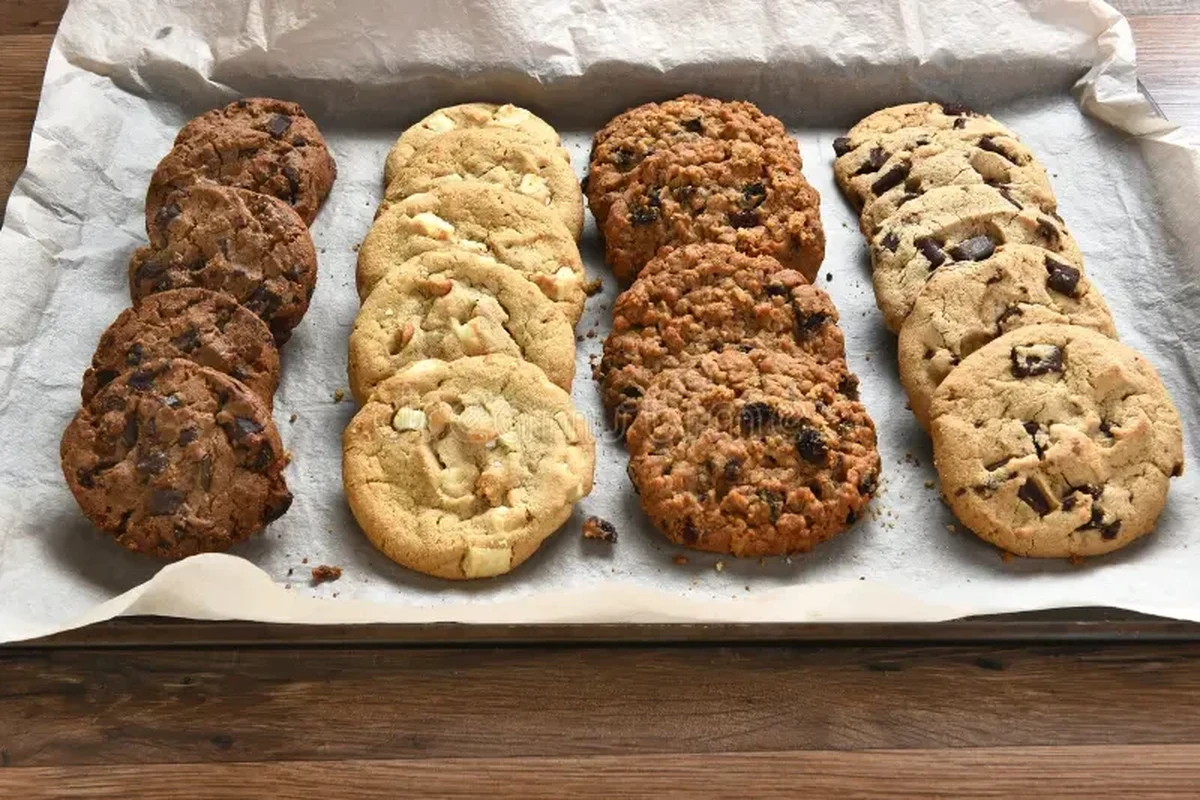
Baking soda and baking powder are both chemical leaveners, but they do not behave the same way in cookie dough. Their job is to create gas, change pH, and influence how the dough sets in the oven. That means they affect not only rise, but also texture, color, and flavor.
How baking soda creates spread, browning, and chew
Baking soda is sodium bicarbonate. It needs an acid in the dough to react well, and that reaction helps cookies spread earlier in the bake. Because it raises pH, it also encourages browning, which is why soda-heavy cookies often look deeper golden and taste a little more caramelized.
That same higher pH can strengthen browning on the surface while making the interior feel denser and chewier. In practical terms, soda is often a good match for cookies where you want crisp edges, wider spread, and a less cakey bite.
How baking powder adds lift, thickness, and a softer crumb
Baking powder contains both a base and an acid, so it can create lift without needing much help from acidic ingredients in the recipe. It is usually used when a cookie needs a taller shape, a puffier center, or a more tender crumb. Because it is less dependent on dough acidity, it is often easier to use in formulas with neutral ingredients.
Cookies made with more baking powder tend to stay thicker and can feel lighter on the tongue. They may also look paler than soda-based cookies because the dough does not become as alkaline.
Many cookie recipes use both leaveners together. Soda can boost browning and spread while powder adds controlled lift, which helps balance texture.
How to Tell Which Leavener a Cookie Formula Was Designed For
The ingredient list usually gives you the best clue. Look at the acids, the fat level, and the style of cookie before deciding whether the recipe was built around baking soda, baking powder, or both. If you change the leavener without understanding the rest of the formula, the texture can shift more than expected.
Reading ingredient lists for acidic ingredients like brown sugar, molasses, yogurt, or cocoa
Recipes with brown sugar, molasses, honey, yogurt, buttermilk, sour cream, natural cocoa, or cream of tartar often have enough acidity to support baking soda. That acid helps soda react and also shapes flavor and color. In contrast, a recipe with mostly white sugar, butter, flour, eggs, and vanilla may lean more on baking powder.
Natural cocoa is especially important to notice because it is more acidic than Dutch-processed cocoa. If a chocolate cookie uses natural cocoa, soda is often there for both leavening and flavor balance. If the recipe uses Dutch-processed cocoa, the formula may need powder or another source of acid depending on the rest of the ingredients.
Spotting cookie styles that usually rely on soda, powder, or both
Classic chewy chocolate chip cookies, molasses cookies, ginger cookies, and many snickerdoodles often rely on baking soda. Sugar cookies, some shortbread-style drop cookies, and softer cake-like cookies often use baking powder. Many bakery-style cookies use both because they want a cookie that spreads enough to look familiar but still rises enough to stay thick.
Ingredient brands matter. Different brown sugars, cocoas, and flours absorb moisture differently, so a recipe that works in one kitchen may behave slightly differently in another.
Flavor, Texture, and Appearance Differences You Can Expect
Leaveners are not just about height. They also influence how quickly the cookie sets, how much moisture stays in the center, and how the crust looks once it cools. If you understand those effects, it becomes easier to choose the right ingredient for the cookie style you want.
What happens when cookies need more spread versus more rise
If a cookie needs more spread, baking soda is often the better tool because it helps the dough relax and brown sooner. That works well for thinner cookies with crisp edges or a bendy center. If a cookie needs more rise, baking powder is usually the better choice because it creates a thicker, more domed shape.
Too much spread can make cookies feel greasy or fragile, while too much rise can make them look more like small cakes. The best formulas balance structure from flour and eggs with the right amount of leavener for the intended texture.
How each leavener affects color, crackling, and interior softness
Baking soda usually gives cookies a darker color, more pronounced browning, and sometimes a crackled top. That is especially noticeable in cookies with molasses, brown sugar, or chocolate. Baking powder tends to give a lighter color and a softer, more even crumb.
Interior softness depends on the whole formula, but powder often supports a tender middle while soda can support chew. If you want a cookie that stays soft for a few days, moisture retention from sugar, fat, and bake time matters just as much as the leavener.
Measuring Baking Soda and Baking Powder Correctly in 2026 Kitchens
Small measuring errors matter because these ingredients are potent. A little too much can throw off flavor and structure, while too little can leave cookies flat or dense. For best results, measure carefully and keep your leaveners fresh.
Why freshness matters and how expired leaveners change cookie results
Baking soda loses effectiveness more slowly than baking powder, but both can weaken over time if they are exposed to air or moisture. Old baking powder may give weak rise, while old baking soda may not fully react or may leave a stale alkaline taste if the recipe is unbalanced. If you are unsure, replace the container rather than guessing on an important batch.
A simple freshness check can help: baking powder should bubble when mixed with hot water, and baking soda should fizz when combined with an acidic liquid like vinegar or lemon juice. These are practical kitchen checks, not lab tests, but they can help you spot an ingredient that is no longer reliable.
Common measurement mistakes that throw off texture and taste
One common mistake is scooping directly from the container with a measuring spoon and packing the powder down. That can add more than the recipe intended. Another issue is confusing teaspoons and tablespoons, especially in recipes that use small amounts of leavener.
Using the wrong spoon level can create a soapy, metallic, or bitter taste with baking soda. Too much baking powder can leave a dry, chalky aftertaste and a puffier cookie than expected. If you bake often, a small digital scale can help with consistency, but always follow the recipe’s measurement style if it was written for volume.
When to Use Baking Soda in Cookies and When It Fails
Baking soda works best when the dough has enough acidity to activate it and enough sugar and fat to support spread and browning. It can fail when the formula is too neutral, the amount is too high, or the cookies are baked in a way that sets the structure too early.
Best cookie examples for baking soda-heavy formulas
Soda-heavy formulas are common in chocolate chip cookies, molasses cookies, ginger snaps, and many chewy spice cookies. These recipes often benefit from the deeper color and slightly crisp edge that soda encourages. The result is usually a cookie with more character and a stronger baked flavor.
If you want to understand how oven setup can influence these cookies, see our guide on whether air fryers need to preheat for a useful comparison of preheating and heat stability. The same general idea applies in conventional baking: a stable oven helps cookies set predictably.
Signs you used too much baking soda and how to recognize soapy or bitter results
Too much baking soda can leave cookies with a soapy, salty, or bitter taste. The color may look too dark too quickly, and the surface may spread aggressively before the centers set. In some cases, the cookies can even taste oddly metallic or leave a dry sensation on the tongue.
If that happens, the likely cause is an imbalance between the soda and the acids in the recipe. The fix is usually to reduce the soda next time or increase the acidic ingredients only if the recipe is designed to handle it. Do not keep adding acid casually, because that can change flavor and structure in other ways.
Do not taste raw cookie dough if it contains raw flour or raw egg. Follow USDA and FDA food-safety guidance for safe handling, especially when making dough for children or serving high-risk guests.
When Baking Powder Is the Better Choice for Cookies
Baking powder is often the safer choice when the recipe does not have much acid, or when the goal is a thicker cookie with a softer bite. It gives more controlled lift and can help cookies keep a more uniform shape.
Cookie types that benefit from extra lift and a more tender bite
Drop sugar cookies, vanilla cookies, some peanut butter cookies, and cake-like holiday cookies often do well with baking powder. These recipes usually aim for a tender center and a lighter crumb rather than a chewy, browned edge. Powder can also help when the dough is rich in butter and sugar but low in acidic ingredients.
If your recipe uses a lot of fat and you are trying to keep the shape neat, baking powder can provide enough lift without forcing too much spread. That can be useful when you want a thicker cookie for decorating or sandwiching.
Problems caused by overusing baking powder, including cakey texture and pale color
Too much baking powder can make cookies puff up too much and then collapse, leaving a cakey or dry bite. The flavor can also turn slightly bitter or chemical if the amount is excessive. Because baking powder does not raise pH the way soda does, the cookies may also bake up paler than you expected.
If your cookies are coming out more like mini cakes than cookies, baking powder may be too high or the dough may be overmixed. Overmixing develops gluten and can make the texture tougher, while too much powder can create large air pockets that do not support the crumb well.
- Good lift in low-acid doughs
- Thicker, softer cookie texture
- More predictable rise in many recipes
- Can create cakey results if overused
- Usually gives less browning than soda
- Can taste chalky when measured poorly
How to Substitute One for the Other Without Ruining the Batch
Substitution is possible, but it is not simple. Baking soda and baking powder are not equal in strength or in chemical makeup, so a direct swap usually changes flavor and texture. If you need to substitute, do it cautiously and expect some differences.
Why a 1:1 swap usually does not work
A 1:1 swap usually fails because baking soda needs acid, while baking powder already includes acid. If you replace soda with powder one for one, you may end up with a thicker, paler cookie that lacks browning. If you replace powder with soda one for one, the dough may spread too much and taste alkaline.
The exact conversion depends on the recipe’s acidity, sugar level, and whether the dough already contains acidic ingredients. That is why a formula written for one leavener should be treated as a balanced system, not a loose suggestion.
Practical adjustment examples for home bakers testing small batches
If a recipe calls for baking soda but you only have baking powder, a small test batch is the safest place to experiment. Start with less than a direct replacement and watch the dough’s spread and the baked color. If the cookies are pale and thick, you may need a little more lift next time, but adjust in small steps.
If a recipe calls for baking powder and you only have baking soda, you will usually need an acidic ingredient to support the soda. That may mean the recipe is not a good candidate for a simple swap. When in doubt, choose a different recipe or wait until you have the correct ingredient.
Cookies are flat, greasy, or spread too much.
Check whether the recipe needed more baking powder, whether the butter was too warm, or whether the flour was undermeasured.
Final Decision Guide for Choosing Baking Soda vs Baking Powder in Cookies
The simplest rule is this: use baking soda when the recipe has enough acid and you want more spread, browning, and chew; use baking powder when the dough is more neutral and you want more lift and softness. If the recipe uses both, it is usually trying to balance those effects.
Simple rule-of-thumb recap for matching the leavener to the cookie style
Choose baking soda for cookies with brown sugar, molasses, cocoa, yogurt, or buttermilk, especially when you want a darker, chewier result. Choose baking powder for cookies that should stay thicker, lighter, and more tender. When a recipe uses both, follow it closely unless you are intentionally testing a variation.
Common troubleshooting fixes for flat, dense, dry, or overly puffy cookies
Flat cookies often point to too much soda, too little flour, warm dough, or an oven that runs too cool. Dense cookies can happen when the leavener is old, the dough is overmixed, or the flour is too high. Dry cookies may be overbaked, while overly puffy cookies often have too much baking powder or too little spread from fat and sugar.
For the most reliable results, measure carefully, use fresh leaveners, and keep an eye on oven calibration and rack position. If you are also comparing kitchen appliances for baking, our article on whether air fryers are dangerous explains why heat exposure and airflow matter in compact ovens, which is useful background when you bake cookies in smaller appliances. For broader appliance guidance, see whether air fryers are worth it before relying on them for regular cookie baking.
If you want spread, chew, and deeper browning, baking soda is usually the better cookie leavener. If you want lift, softness, and a thicker shape, baking powder is the better choice, and many recipes use both to get a balanced result.
Frequently Asked Questions
Not as a direct 1:1 swap. Baking soda needs acid to work well, so using it alone can change spread, flavor, and browning.
Sometimes, but the texture will usually change. Baking powder adds lift but does not create the same browning or chew that baking soda does.
That often means there is too much baking soda or the recipe lacks enough acid to balance it. Measure carefully and check that the recipe is designed for soda.
Too much baking powder can make cookies puffier and more cake-like. Overmixing and too much flour can also push the texture in that direction.
Baking powder should bubble when mixed with hot water. If the reaction is weak, replace it for better cookie rise.
It depends on the cocoa and the rest of the ingredients. Natural cocoa and acidic add-ins often pair well with baking soda, while more neutral formulas may need baking powder or both.
