Cookies Without Baking Soda Easy Recipes for Perfect Treats
Yes, cookies without baking soda can bake up well when the recipe is built for the right texture. The best results come from accurate measuring, proper mixing, and choosing a cookie style that does not depend on strong chemical lift.
Cookies can still bake up beautifully without baking soda. In many recipes, the real work comes from butter, sugar, eggs, flour, and the way you mix and bake the dough.
- Structure matters: Butter, sugar, eggs, and flour can carry the recipe even without soda.
- Best cookie types: Shortbread, sugar, peanut butter, and some oatmeal cookies work especially well.
- Technique counts: Chill dough, measure carefully, and avoid overmixing for better control.
- Doneness cues: Watch the edges and centers, not just the timer.
- Food safety still applies: Raw flour, eggs, and filled cookies need proper handling and storage.
Why Cookies Without Baking Soda Still Work in 2026 Baking
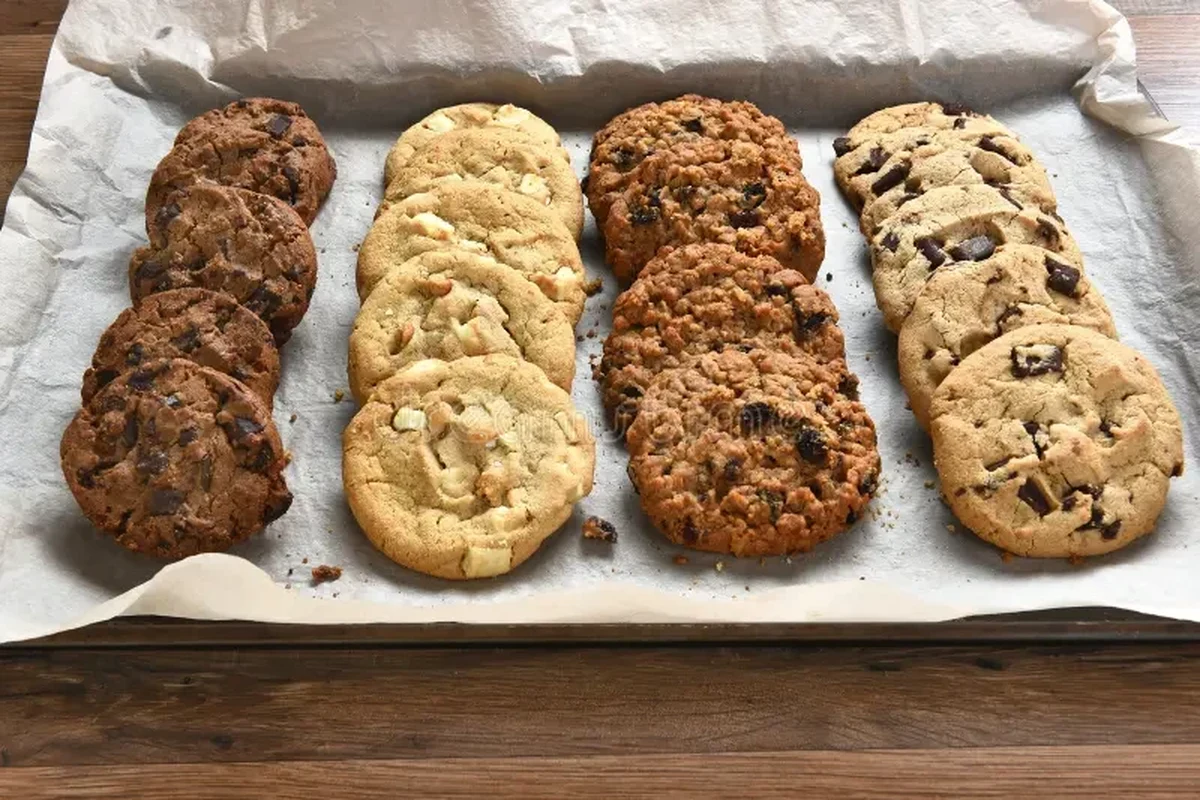
Cookies without baking soda work because baking soda is only one way to influence texture. If a recipe has enough fat, sugar, and proper mixing, the dough can still spread, set, and brown in a reliable way.
In modern home baking, skipping baking soda is often a deliberate choice rather than a mistake. Some cookie styles are meant to be dense, crisp, or tender instead of airy, and those styles can benefit from a simpler formula.
How leavening changes texture, spread, and browning
Leavening affects how much a cookie rises and how fast it sets. Baking soda is alkaline, so it encourages browning and can create a wider, flatter cookie when there is enough acidity to react with it.
Without baking soda, cookies usually spread less aggressively and may taste a little more neutral. That can be useful when you want a cleaner butter flavor, a pale cookie, or a more controlled shape.
When skipping baking soda makes sense for home bakers and pastry students
Skipping baking soda makes sense when a recipe already has another leavener, when the cookie is meant to be crisp, or when you want to avoid a soapy aftertaste from overusing soda. It also helps when you are practicing basic dough structure and want to see how ingredients behave without extra chemical lift.
For students, this is a helpful way to study the role of fat, sugar, and gluten in cookie dough. It also makes recipe reading easier, because you can compare how different formulas change with or without chemical leavening.
When a recipe omits baking soda, results can vary more by brand, measuring method, oven calibration, and dough temperature. A cookie that works in one kitchen may spread or brown differently in another.
Best Ingredient Swaps for Cookies Without Baking Soda
If you do not have baking soda, the best swap depends on the recipe style. In some cookies, baking powder can replace part or all of the lift; in others, the best answer is to leave the dough unadjusted and rely on structure instead.
Using baking powder instead of baking soda: what changes in flavor and lift
Baking powder already contains acid, so it does not need the same ingredient balance that baking soda does. It gives a gentler rise and usually less browning than baking soda, which can be a good fit for softer or thicker cookies.
The tradeoff is flavor and texture. Baking powder can make cookies taste slightly more neutral and may produce a cake-like crumb if you use too much, so it is best treated as a careful substitution rather than a one-for-one assumption in every recipe.
Baking soda needs acid to react strongly, while baking powder carries its own acid source. That is why baking powder is usually the easier backup when a cookie recipe has no baking soda.
How butter, sugar, eggs, and flour affect structure when soda is absent
Butter controls spread and tenderness. Softened butter traps air during creaming, but melted butter encourages more spread, so the fat state matters a lot when soda is not helping the dough rise.
Sugar affects both browning and spread, while eggs add moisture and structure. Flour provides the framework that keeps a cookie from collapsing, so the balance between wet and dry ingredients becomes even more important when there is no baking soda to help the dough puff.
Ingredient examples that naturally support no-soda cookie dough
Some doughs are naturally suited to cookies without baking soda. Shortbread formulas, sugar cookies, peanut butter cookies, and some oatmeal cookies can work well because they depend more on fat and structure than on strong chemical lift.
Recipes with self-rising flour, whipped egg, or a high butter-to-flour ratio may also perform well. The key is to match the ingredient system to the cookie style instead of forcing every dough to behave like a classic chewy chocolate chip cookie.
Easy Cookie Styles That Perform Well Without Baking Soda
Some cookie types are simply more forgiving without baking soda. The best ones usually rely on butter, careful mixing, and clear shaping rather than a big chemical rise.
Shortbread-style cookies for crisp, buttery results
Shortbread is one of the most reliable no-soda cookies because its structure comes from butter and flour, not from leavening. The result is usually crisp, tender, and rich, with clean edges if the dough is chilled well.
This style is especially useful when you want a refined cookie with a delicate crumb. It is also a good practice dough for learning how fat content affects tenderness.
Drop cookies with baking powder or no chemical leavener
Drop cookies can still work without baking soda if the dough has enough structure and the bake is controlled. Some versions use baking powder for a softer lift, while others rely on eggs and creamed butter for body.
These cookies may bake a little thicker and paler than soda-based versions. That is not a flaw if you are aiming for a softer, more rounded cookie rather than a deeply browned one.
Rolled and cut-out cookies that hold shape cleanly
Rolled cookies often benefit from minimal spread, so skipping baking soda can actually help. A dough that holds its shape makes cleaner cut-outs and sharper edges after baking.
For this reason, decorators and pastry students often prefer a stable dough when making holiday cookies or practice pieces. Chilling the dough before rolling is especially important here.
Common flavor variations: chocolate chip, sugar, peanut butter, and oatmeal
Chocolate chip cookies without baking soda tend to be slightly denser and less puffy. Sugar cookies often stay neater and more uniform, while peanut butter cookies can keep their classic fork-marked shape very well.
Oatmeal cookies can also work, though the final texture depends on how much moisture the oats absorb. If the dough seems loose, a short chill usually helps more than adding extra flour.
Best for crisp edges and a buttery finish with very little spread.
Best for clean shapes when you want the dough to hold detail.
Best for a dense, classic cookie that does not depend on soda.
Measuring and Mixing Techniques That Prevent Flat or Tough Cookies
When baking soda is omitted, technique matters even more. Small changes in flour amount, butter temperature, or mixing time can shift the cookie from tender to dry or from neat to overly spread.
Why accurate weighing matters more when baking soda is omitted
Weighing ingredients gives you more consistent results than scooping by volume. That matters because a little extra flour can make a no-soda cookie dry, while a little too little flour can make it spread too far.
If you do not have a scale, use the same measuring method every time and level your cups carefully. Consistency is the goal, especially when you are learning how a dough behaves without chemical leavening.
- Bring butter to the texture the recipe asks for, not just room temperature by habit.
- Measure flour consistently so the dough is not too loose or too stiff.
- Chill the dough if the recipe is prone to spreading.
- Preheat the oven fully before the first tray goes in.
How creaming, chilling, and mixing time change dough behavior
Creaming butter and sugar traps air, which helps cookies rise a little even without baking soda. Mix too briefly and the dough may stay dense; mix too long and the butter can warm up, causing excess spread.
Chilling firms the fat and slows spread in the oven. This is one of the simplest ways to improve cookies without baking soda, especially for cut-outs, drop cookies, and anything baked on a warm day.
Practical dough examples for adjusting spread and thickness
If your dough is too soft, chill it 20 to 30 minutes before scooping or rolling, then test one cookie first. If it still spreads too much, the issue may be butter temperature, a warm baking sheet, or too little flour rather than the missing soda alone.
If the dough feels crumbly, add moisture a teaspoon at a time, usually from milk or egg if the recipe allows it. Small corrections are safer than large changes, because too much adjustment can make the cookie tough.
Best for controlling spread in soft doughs and cut-out cookies.
Best for drop cookies that need a little lift and a more even texture.
Baking Time, Temperature, and Doneness Cues for No-Baking-Soda Cookies
Without baking soda, cookies may brown differently and set at a slightly different pace. That means visual cues matter more than the clock alone.
How oven temperature affects browning and texture
A slightly higher oven temperature can encourage faster setting and more browning, while a lower temperature may produce a paler, softer cookie. The right choice depends on the style of cookie and the thickness of the dough.
Because ovens vary, it helps to know whether your oven runs hot, cool, or unevenly. If you bake often, an oven thermometer can be a useful check against guesswork.
Mix the dough just until combined, then chill if spread is a concern.
Bake until edges are set and the centers look slightly underdone for softer cookies.
Let cookies rest on the pan briefly before moving them to a rack so they finish setting.
Visual signs of doneness: edges, centers, and carryover baking
Most cookies are done when the edges look set and the centers no longer look wet. They often continue to firm up as they cool on the sheet pan, which is called carryover baking.
For crisp cookies, bake a little longer until the color deepens at the edges. For softer cookies, pull them earlier and let the residual heat finish the job.
Common mistakes that cause pale, dry, or overly spread cookies
Underbaking can leave cookies pale and doughy, while overbaking can make them dry and fragile. Overcreamed butter, warm dough, and a hot baking sheet can all increase spread, even if the recipe itself is sound.
Another common issue is using a dark pan without adjusting the bake. Dark pans absorb heat faster, so they can brown the bottom before the center is fully set.
If your recipe includes eggs or dairy, follow safe handling and storage guidance from recognized food safety sources such as USDA or FDA. Do not leave raw dough with eggs at room temperature for long periods, and remember that raw flour can also carry contamination risk.
Troubleshooting Cookies Without Baking Soda
Most no-soda cookie problems are fixable with small adjustments. The key is to identify whether the issue is spread, density, flavor balance, or baking time.
Fixing cookies that spread too much
If the cookies spread too much, the dough is often too warm, too wet, or too low in flour. Chill the dough, line the pan with parchment, and make sure the baking sheet is cool before the next batch.
You can also check whether the butter was over-softened or melted. In many cases, that matters more than the missing baking soda.
Cookies spread into thin, uneven rounds.
Chill the dough, verify flour measurement, and avoid placing dough on a warm pan. If needed, add a small amount of flour and test again with one cookie.
Fixing cookies that stay dense or taste flat
If the cookies are too dense, the dough may have been overmixed or under-creamed. You may also need a little more moisture or a small amount of baking powder, depending on the recipe style.
Flat flavor can sometimes be improved with a touch more salt, vanilla, or browned butter. Those additions do not replace leavening, but they can make a simple cookie taste more complete.
Adjusting sweetness, salt, and acidity for better balance
Without baking soda, cookies may taste less complex because there is less alkaline reaction and less browning. A slightly stronger pinch of salt or a more flavorful vanilla can help the cookie taste fuller without changing the structure too much.
Be careful with acidity, though. Adding lemon juice or yogurt changes the dough chemistry and can affect spread, tenderness, and shelf life, so only use those ingredients when the recipe is built for them.
- Test one cookie first when you are adjusting spread or thickness.
- Keep dough and pans cool between batches.
- Use small flavor adjustments to improve balance.
- Adding large amounts of flour all at once.
- Assuming baking powder can fix every recipe equally.
- Ignoring oven calibration and pan color.
Storage, Freshness, and Food Safety for Homemade Cookies
Storage matters because texture changes quickly after baking. Crisp cookies soften if they absorb moisture, while soft cookies dry out if they are left uncovered too long.
How to store baked cookies for softness or crispness
For soft cookies, store them in an airtight container once fully cool. For crisp cookies, keep them sealed only after they are completely dry, or they may lose their snap.
If you want to keep both types in the same kitchen, store them separately. Moisture transfer is one of the fastest ways to ruin the texture you worked for.
Freezing dough and baked cookies without damaging texture
Cookie dough usually freezes well if it is wrapped tightly and labeled with the date. Shape the dough first if you want easier portioning later, then bake from chilled or thawed state as the recipe allows.
Baked cookies can also be frozen, but the texture depends on the style. Crisp cookies may soften a bit after thawing, while richer cookies often hold up better.
Safe handling tips for eggs, dairy, and filled cookies
Use clean tools and keep perishable fillings refrigerated when required. If a cookie has cream cheese, custard, or other sensitive fillings, follow safe storage guidance and do not leave it out for long periods.
For allergen safety, check every label carefully and avoid cross-contact if you bake for someone with allergies. Ingredient labels and manufacturer guidance are more reliable than assumptions about what is “usually” in a product.
Final Decision: When Cookies Without Baking Soda Are the Right Choice
Cookies without baking soda are a smart choice when you want control, simplicity, or a specific texture like crisp, tender, or neatly shaped. They are also a practical option for beginners, busy home bakers, and pastry students who want to understand how dough behaves with fewer variables.
Best use cases for busy home bakers, beginner students, and pastry practice
This approach works especially well for shortbread, sugar cookies, peanut butter cookies, and other formulas that do not depend on a strong rise. It is also useful when you are practicing shaping and browning, because the results are easier to read.
For structured learning, it can help to compare this method with a standard leavened recipe, such as a baking soda trick that actually works fast and easy, so you can see how much the leavener changes spread and lift. That comparison is often more useful than memorizing rules alone.
What to verify in a recipe before baking your next batch
Before you bake, check whether the recipe already includes baking powder, self-rising flour, whipped eggs, or another source of lift. Also confirm the butter temperature, chill time, and pan type, because those details often matter as much as the leavener.
If you are using a convection-style appliance or a compact oven, review the manufacturer guidance for rack placement and preheating. For readers who bake in small appliances, our article on whether air fryers need to preheat can help explain why temperature stability matters for baked goods.
Recap of the most reliable no-soda cookie methods
The most dependable no-soda cookies usually come from stable doughs, accurate measuring, and careful temperature control. Chilling the dough, avoiding overmixing, and watching the edges for doneness will solve more problems than adding extra ingredients at random.
If you want a simple rule to follow, start with a cookie style that naturally fits the formula, then bake one test cookie before the full tray. That is the safest way to get consistent results when making cookies without baking soda.
Cookies without baking soda are not a compromise when the recipe is designed for them; they are often the best choice for crisp, buttery, or neatly shaped cookies. Use accurate measuring, chill the dough when needed, and judge doneness by color and set rather than by time alone.
Frequently Asked Questions
Yes. Many cookies work well without baking soda, especially shortbread, sugar cookies, and peanut butter cookies. Texture depends more on butter, sugar, eggs, flour, and mixing than on soda alone.
Often yes, but the result will be different. Baking powder gives gentler lift and less browning, so use it carefully and expect a softer, sometimes more cake-like texture.
Spread usually comes from warm dough, too much sugar or butter, or too little flour. Chilling the dough and checking your measurements are the best first fixes.
Look for set edges and centers that are no longer wet. Cookies often finish firming up on the hot pan after they leave the oven.
Store fully cooled cookies in an airtight container. Keep soft and crisp cookies separate so moisture does not change the texture.
No. Raw dough can still contain risks from eggs and raw flour, even if it does not include baking soda. Follow USDA or FDA food safety guidance and bake the dough fully before eating.