
Does Baking Soda Absorb Odors and Freshen Your Home
Yes, baking soda can absorb and neutralize some odors, especially in small enclosed spaces and on dry porous surfaces. It works best after cleaning the source and is less effective for strong, wet, or deeply embedded smells.
Yes, baking soda can absorb and neutralize some odors, but it is not a magic fragrance replacement. It works best on light to moderate smells, especially when you clean the source first and give the powder time to do its job.
- Best use: Mild odors in refrigerators, closets, shoes, and trash bins.
- Main limit: It does not remove the source of strong or active smells.
- Best method: Clean first, then leave baking soda in place long enough to work.
- Safety point: Keep it dry, use care on delicate surfaces, and clean up fully afterward.
What Baking Soda Actually Does to Odors in the Home
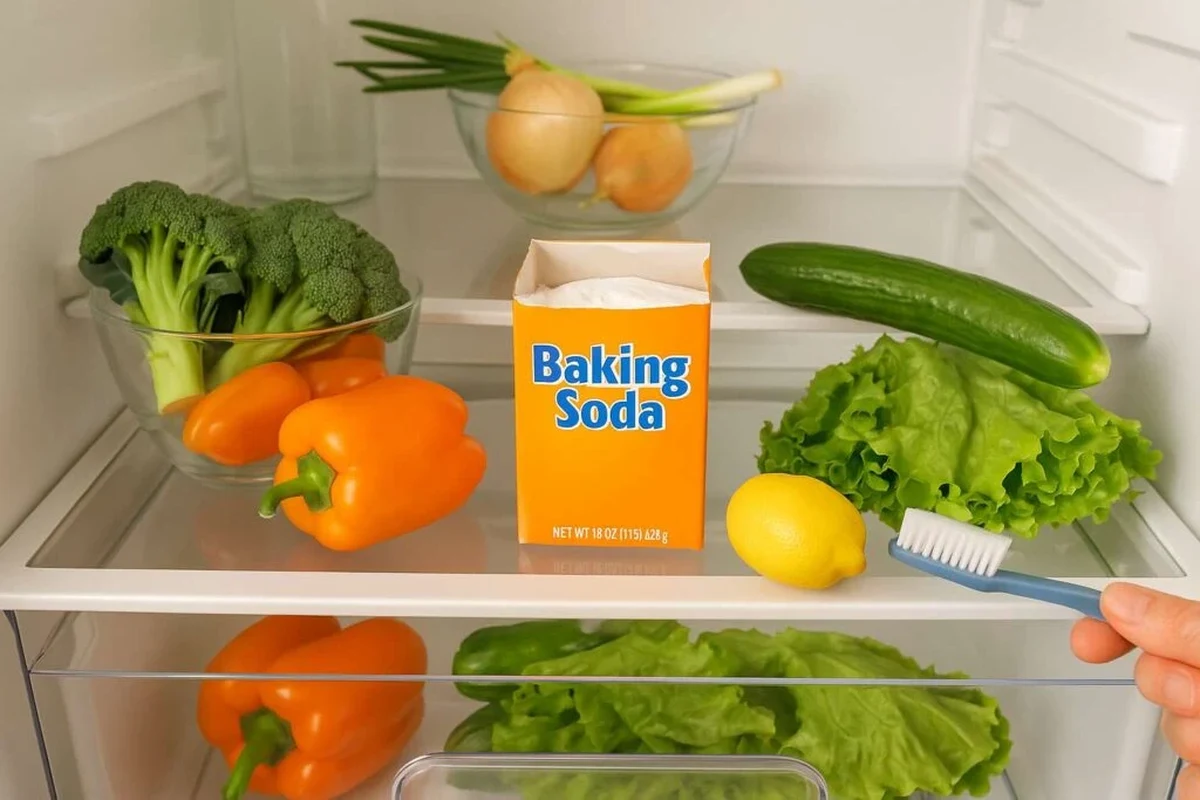
Baking soda, or sodium bicarbonate, helps reduce odor by interacting with certain acidic odor molecules and by changing the pH of the surrounding environment. That is why it can calm down sour, sweaty, and stale smells instead of just covering them up with perfume.
The important limit is that baking soda does not destroy every odor source. It can help with lingering smells in the air or on porous surfaces, but it will not fully remove smoke damage, mildew growth, pet urine soaked deep into padding, or a spoiled-food spill that still needs cleaning.
How sodium bicarbonate interacts with acidic and smelly compounds
Many household odors come from volatile compounds that drift into the air from food, moisture, bacteria, or cleaning residues. Baking soda is mildly alkaline, so it can neutralize some acidic compounds and make them less noticeable.
This is why it is often useful in refrigerators, trash bins, and shoes. Those spaces usually hold trapped odors, and a small open container of baking soda can slowly reduce the smell instead of masking it for an hour and then fading away.
Baking soda is not a fragrance product. Its odor control comes mainly from chemical neutralization and odor adsorption on the powder’s surface, not from adding a scent.
What it can reduce versus what it cannot truly remove
Baking soda can reduce mild food odors, mustiness, and some sour or acidic smells. It can also help freshen porous materials like fabric, carpet, and upholstery when the odor is not deeply embedded.
It cannot reliably fix a problem that is still active. If a drain is clogged, a trash can is dirty, or a pet accident has soaked into a cushion, the odor source must be cleaned first or the smell will keep coming back.
Why Baking Soda Became a Go-To Odor Control Method
Baking soda became a household staple because it is inexpensive, easy to find, and simple to use. It also feels familiar in a kitchen setting, which matters for a product people want near food storage and everyday cleaning tasks.
For readers who like practical kitchen science, this is similar to why some simple methods remain useful even when newer gadgets appear. A low-cost, low-risk approach still has a place, especially when you want a basic solution rather than a scented cover-up. If you enjoy practical home-kitchen fixes, our baking soda trick that actually works fast and easy explains another simple use case.
Common household uses in kitchens, refrigerators, trash bins, and closets
People commonly place baking soda in refrigerators, freezers, pantry shelves, trash bins, closets, and laundry areas. It is especially useful where air does not move much and odors tend to sit in one place.
In kitchens, it is often used around food storage because it has no strong perfume. That makes it appealing when you want a neutral smell instead of a scented product that competes with fresh ingredients.
Why the method remains popular in 2026 despite newer freshening products
Even with air purifiers, gels, sprays, and charcoal bags on the market, baking soda remains popular because it is simple and predictable. It does not require batteries, plugs, or special setup, and most households already have it on hand.
It is also flexible. You can use it dry, make a paste, or place it in an open container, which gives you a few different ways to match the odor problem to the space.
Best Places to Use Baking Soda for Freshening Different Rooms
The best results usually come from small, enclosed, or porous spaces. Baking soda is most effective where odors linger close to the surface and where the powder has time to sit undisturbed.
Refrigerators, freezers, and pantry shelves
Refrigerators are one of the classic uses because they trap mixed food smells. Place an open container on a shelf and replace it regularly so it can keep absorbing light odors instead of sitting there after it has done its work.
Freezers and pantry shelves can benefit too, especially if a container tipped over, a package leaked, or a strong-smelling ingredient sat too long. Just make sure the baking soda stays dry so it can work properly.
Carpets, upholstery, shoes, laundry hampers, and pet areas
For fabrics and other porous surfaces, baking soda can help with everyday stale smells. Sprinkle a thin layer on a dry carpet or upholstery surface, let it sit, then vacuum thoroughly.
Shoes and laundry hampers are also common targets because they collect moisture and trapped odor. Pet areas can benefit from baking soda only after the area is cleaned and dried; otherwise, it is just a temporary cover.
Do not use baking soda as a substitute for proper pet-accident cleanup. If urine or other liquids have soaked into padding, follow a full cleaning process and check manufacturer guidance for carpets, upholstery, or mattresses.
Garbage cans, drains, sinks, and moisture-prone corners
Trash cans often need both cleaning and deodorizing. Baking soda can help after the can is washed and dried, but it will not overcome old residue stuck to the sides or lid.
For sinks and drains, baking soda may help with light odors, but persistent drain smells usually need a deeper fix. Moisture-prone corners, basements, and closets can also benefit, though you should first look for leaks, damp materials, or mold growth.
How to Use Baking Soda Effectively Without Wasting It
The key is to use enough baking soda to reach the odor, but not so much that you create a messy cleanup. A thin, even application is often better than a thick pile that cakes up and becomes hard to remove.
Sprinkling, open-container, and paste methods
Sprinkling works well on carpets, fabric surfaces, and shoe interiors. Let it sit long enough to contact the odor, then vacuum or shake it out completely.
An open-container method is best for enclosed spaces like refrigerators, closets, and cabinets. A paste, made with a little water, is better for scrubbing sinks, bins, and some hard surfaces where you want mild abrasion along with odor control.
How much to use and how long to leave it in place
There is no single exact amount that fits every situation. The right amount depends on the size of the area, how strong the odor is, and whether the surface is porous or smooth.
For light odors, a small open container or a thin sprinkle is often enough. For stronger but still manageable smells, leave it in place for several hours or overnight when possible, then remove it fully and reassess.
Humidity matters. In damp rooms, baking soda can clump and lose effectiveness faster, so it may need to be replaced more often than in a dry pantry or cabinet.
When to replace baking soda for continued odor control
Replace it when the odor comes back, the powder looks damp, or the container has been sitting in place long enough that it is no longer helping. In a refrigerator or closet, that may be every few weeks or sooner, depending on conditions.
If the smell remains strong after replacement, the problem is probably not the baking soda. That usually means the source still needs cleaning, drying, or removal.
Common Mistakes That Make Baking Soda Seem Ineffective
Most complaints about baking soda come from using it on the wrong problem or expecting it to behave like a scented air freshener. It is a helper, not a full odor-removal system.
Using it on heavy odors without cleaning the source first
If the source is still dirty, wet, or decomposing, the smell will keep returning. Baking soda can reduce the odor in the air, but it cannot erase the material causing the smell.
The room still smells even after baking soda is placed out.
Clean the source first, dry the area well, then use baking soda as a finishing step for residual odor.
Expecting instant fragrance instead of gradual odor reduction
Baking soda works gradually. If you want a strong scent right away, this is the wrong product, because it is designed to reduce odor rather than perfume the room.
That slower action can actually be a strength in kitchens and food storage areas. A neutral result is often more useful than a heavy fragrance that mixes badly with food smells.
Overusing it on delicate surfaces or in damp conditions
Too much powder can be difficult to remove from fabrics and corners, especially if the surface is textured. On delicate materials, always check care instructions first and test in a hidden spot if you are unsure.
In damp spaces, baking soda may clump and lose effectiveness faster. If moisture is the main issue, fix the moisture problem first or the odor will keep returning.
Safety, Surface Compatibility, and Cleanup Considerations
Baking soda is generally considered a mild household product, but safe use still matters. Surface type, food contact, and cleanup all affect whether it is the right choice.
What surfaces are usually safe and where caution is needed
Many hard, non-porous surfaces can handle baking soda well, including stainless steel sinks, many trash bins, and some countertops. Still, delicate finishes, polished stone, and soft fabrics should be treated more carefully.
Always check manufacturer instructions for appliances and surfaces when available. If you are unsure about a material, test in a hidden area before using it broadly.
Keep baking soda away from electrical components, wet outlets, and appliance vents. Dry powder can be messy, but moisture near electricity is the bigger hazard.
Pet, child, and food-contact safety basics
For most homes, baking soda is a familiar pantry item, but it should still be stored out of reach of small children and pets. Do not let pets eat large amounts of any cleaning product or deodorizer.
For food-contact areas, wipe or rinse surfaces after use so no powder remains where food will touch. If a surface is used for direct food prep, clean it according to the product or surface guidance before using it again.
How to vacuum, wipe, or dispose of used baking soda properly
Used baking soda on carpets or upholstery should be vacuumed thoroughly so it does not linger in fibers. On hard surfaces, wipe it up with a damp cloth and then dry the area fully.
If it has absorbed strong odors or picked up dirt, dispose of it in the trash rather than reusing it. Do not pour large amounts down drains unless you know the plumbing can handle it and the powder is fully flushed with plenty of water.
Baking Soda vs. Other Odor-Fighting Options
Baking soda is only one tool in the home-odor toolbox. The best option depends on the smell, the surface, and whether you need neutralization, absorption, filtration, or disinfection.
Comparison with vinegar, activated charcoal, air purifiers, and commercial deodorizers
Vinegar can help with some odors, especially on hard surfaces, but its own smell can be sharp at first. Activated charcoal is often stronger for adsorption in enclosed spaces, while air purifiers help with airborne particles rather than residue on surfaces.
Commercial deodorizers may add fragrance or use stronger formulas, but they vary widely in ingredients and purpose. If you want to compare general odor-control approaches in the home, a practical breakdown of appliance and safety concerns can be helpful, such as our guide on whether air fryers are dangerous when kitchen safety is the main concern.
When baking soda is the better budget-friendly choice
Baking soda is often the best choice when the odor is mild, the space is small, and you want a low-cost option that is easy to replace. It is also useful when you do not want a strong scent near food storage or in a bedroom closet.
For many households, that combination of affordability and simplicity is the real advantage. It is not flashy, but it is practical.
When another solution works better for persistent or chemical odors
If the odor is caused by smoke, mold, sewage, solvents, or a deep spill, another solution is usually needed. Those smells often require source removal, ventilation, cleaning, or professional remediation depending on the situation.
Air purifiers can help with airborne odor particles, and activated charcoal may outperform baking soda in some enclosed spaces. For appliance-related kitchen questions, you may also find it useful to review our article on whether air fryers need to preheat when you are trying to keep cooking odors and heat management under control.
Final Verdict: When Baking Soda Is Worth Using for Odor Control
Baking soda is worth using when you want a simple, budget-friendly way to reduce mild odors in the kitchen, refrigerator, closet, trash area, or on dry fabrics. It works best as part of a cleanup routine, not as a replacement for one.
If the smell is light and the source is already clean, baking soda is a smart first step. If the odor is strong, wet, or persistent, clean the cause first and use baking soda only as a finishing helper.
Practical examples of the best use cases in a real home
Use it in a refrigerator after removing old leftovers, in shoes after they have dried out, or in a closet that smells stale from poor airflow. It can also help freshen a trash bin after washing and drying the container.
Those are the kinds of jobs where baking soda makes sense: small, contained, and routine. It is most effective when the problem is manageable and you are patient enough to let it sit.
Recap of limitations, realistic expectations, and best next steps
The short answer to does baking soda absorb odors is yes, but only to a point. It can reduce many common household smells, yet it cannot fully fix a dirty source, deep contamination, or severe moisture damage.
For best results, clean first, dry thoroughly, use baking soda in the right place, and replace it when it stops working. That approach keeps expectations realistic and makes the method far more useful in everyday home care.
Frequently Asked Questions
Baking soda can help neutralize and reduce some odors rather than just masking them. It works best on mild smells and in enclosed spaces where it has time to sit.
It depends on the odor strength and the surface, but several hours or overnight is common for many household uses. Stronger smells usually need cleaning first and may need repeat treatment.
It can help with light pet odors on dry surfaces or fabrics after cleaning. It will not solve urine that has soaked into padding or subflooring without deeper cleaning.
Baking soda is commonly used in kitchens and refrigerators, but food-contact surfaces should still be wiped or rinsed before use. Follow product and surface instructions when available.
Replace it when odors return or the powder becomes damp or clumpy. The timing varies with humidity, how often the door opens, and how strong the food odors are.
For smoke, mold, sewage, or chemical odors, cleaning the source, improving ventilation, activated charcoal, or an air purifier may work better. Persistent problems may need professional help.

