
Powdery Mildew Baking Soda Spray That Really Works
A powdery mildew baking soda spray can help slow early fungal spread when it is mixed lightly and applied with good coverage. It works best as part of a broader plan that also improves airflow, spacing, and watering habits.
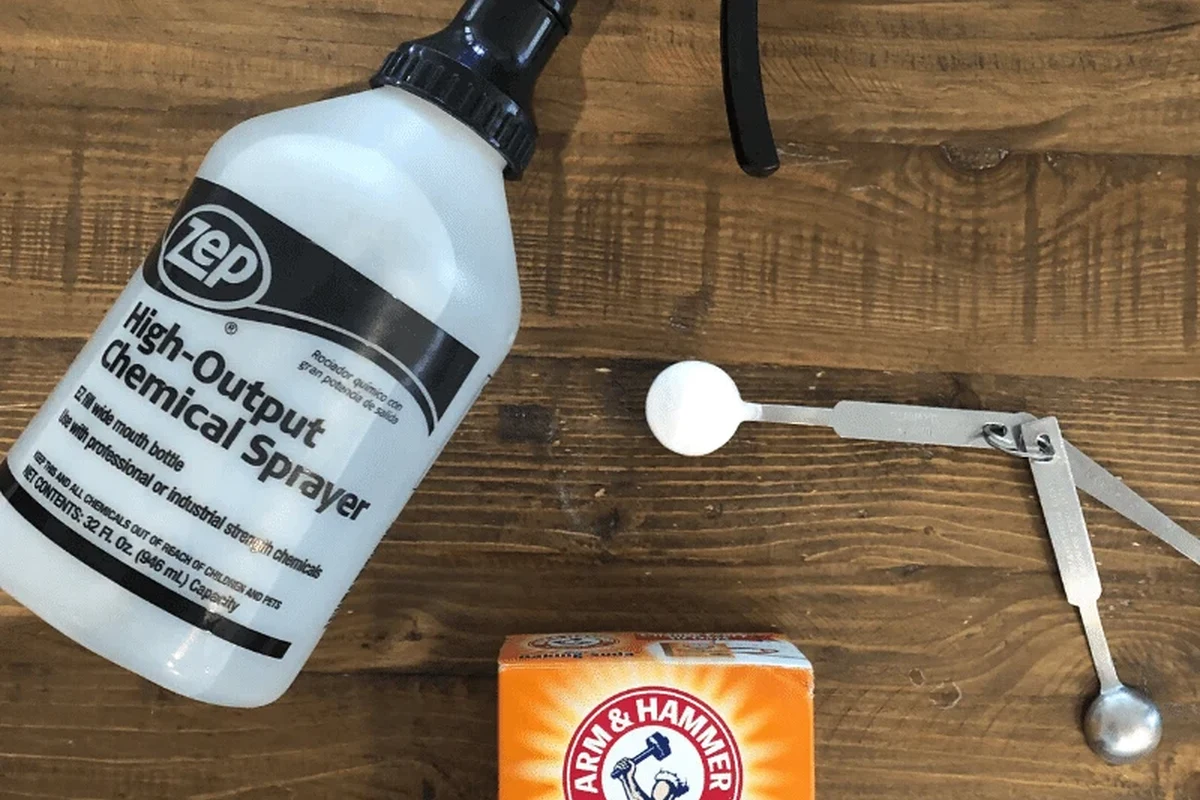
- Best use: Works best on early powdery mildew, not severe plant damage.
- Mix carefully: Use a mild baking soda solution and only a small amount of soap or.
- Apply smartly: Spray tops, undersides, and inner foliage in cool, low-sun conditions.
- Avoid burn: Too much soda, hot weather, and stressed plants raise the risk of leaf scorch.
- Prevent return: Improve airflow, spacing, pruning, and watering habits after treatment.
Frequently Asked Questions
A mild starting point is about 1 teaspoon per quart of water with a small amount of soap or horticultural oil. Always test on a small area first because plant sensitivity can vary.
Yes, if the mix is too strong or the plant is stressed or sensitive. Hot sun, drought, and repeated heavy spraying can all increase the risk of leaf scorch.
Reapply after rain or overhead watering if the coating has been washed off. For active mildew, repeat only as needed based on plant response and weather conditions.
It is usually better for early infections than severe outbreaks. If the plant is heavily covered or damaged, you may need stronger labeled treatments or professional advice.
You can use it on some edible plants if they tolerate it, but you should test first and follow food safety guidance. Wash produce well before eating and follow any product-label instructions for added ingredients.
Using too much baking soda is one of the most common mistakes. Another big issue is spraying in hot sun or missing the hidden mildew inside dense foliage.

