
Baking Soda and Vinegar for Stain Removal That Works
Baking soda and vinegar can help remove fresh, light stains, grease, odors, and residue when used carefully. They are not a fix for every stain, so spot-test first and switch methods when the material or stain type calls for it.
Baking soda and vinegar for stain removal is popular because it feels simple, affordable, and close at hand. Used the right way, it can help lift light residue, reduce odors, and loosen some fresh messes before they set.
- Best use: Fresh, light stains on washable fabrics and hard kitchen surfaces.
- Main limit: Old, dyed, protein-based, or delicate-material stains often need a different cleaner.
- Technique matters: Use small amounts, blot gently, and rinse or launder after treatment.
- Safety first: Spot-test, avoid natural stone and harsh chemical mixes, and follow care labels.
Why Baking Soda and Vinegar Keep Showing Up in Stain-Removal Advice
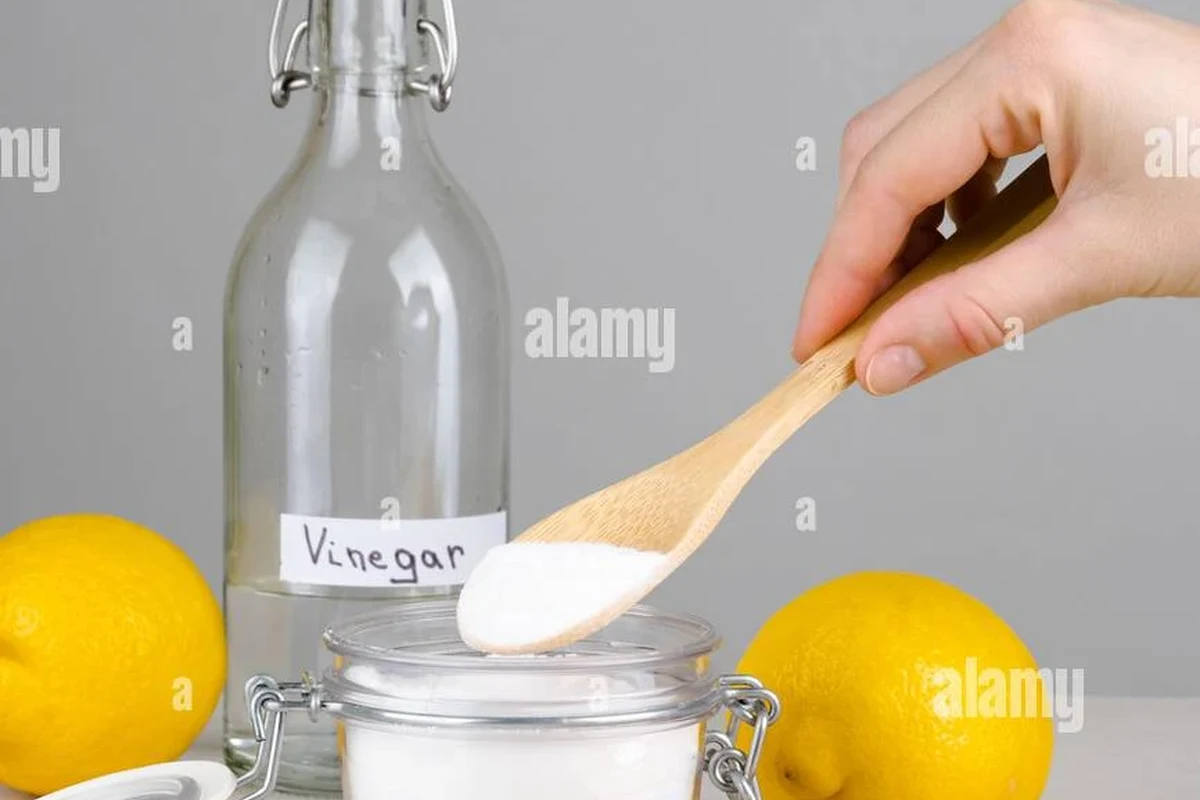
This combo shows up everywhere because most kitchens already have both ingredients, and they are easy to use on small messes. Baking soda is a mild abrasive and deodorizer, while vinegar helps break down some mineral film and fresh grime.
People also like it because it is often a reasonable first attempt before moving to a stronger cleaner. If you are dealing with an everyday spill on washable fabric, a counter, or a pan, it can be worth trying before you reach for something harsher.
What makes this combo popular for kitchen, laundry, and upholstery messes
In a busy kitchen, stains are often a mix of oil, food particles, moisture, and odor. Baking soda can help absorb some of that surface residue, and vinegar can support a light cleaning action when it is used carefully.
That makes the method appealing for aprons, towels, counters, and other surfaces that get frequent but not severe messes. It is also familiar to home bakers who already keep both ingredients on hand for cooking and cleanup.
When a simple household method is worth trying before harsher cleaners
A simple method makes sense when the stain is fresh, light, and on a surface that can handle gentle scrubbing or blotting. It is also a good first step when you want to avoid immediately using a specialty product on a small spot.
For example, a faint coffee ring on a washable towel or a greasy mark on a baking tray may respond well to a careful treatment. For more stubborn stains, the method may help as a pre-cleaning step even if it does not solve the problem on its own.
Baking soda and vinegar foam when they meet, but the fizz itself is not the main cleaning force. The real help comes from the ingredients’ separate cleaning actions plus manual wiping, blotting, or scrubbing.
How Baking Soda and Vinegar Work on Different Types of Stains
The method works best when the stain is sitting on the surface rather than deeply bonded to fibers or finishes. Baking soda can provide gentle abrasion, while vinegar can help loosen some residue and neutralize certain odors.
It is important to keep expectations realistic. This is a practical household cleaner, not a universal stain remover.
The role of mild abrasion, deodorizing, and bubbling action
Baking soda’s fine texture can help physically lift grime when you rub it gently. Vinegar can support cleaning by helping dissolve some film, especially on hard surfaces, while also cutting through certain smells.
The bubbling happens because the ingredients react with each other, but that reaction is brief. It can help spread the mixture across a surface, yet it does not replace contact time and a little manual effort.
What the mixture can help with: grease, odors, food spills, and light residue
This method can be useful on grease splatters, light food stains, and lingering smells in textiles or bins. It may also help with surface residue on baking sheets, counters, and cutting boards.
For kitchen use, it is especially handy when a stain is still fresh and has not been heat-set. If the mark is mild, the combination may be enough to reduce the visible spot and the odor at the same time.
What it cannot do well: set-in dye stains, protein stains, and delicate fabrics
Set-in dye stains, such as dark berry juice or colored sauce that has dried deeply into fabric, often need a targeted stain remover. Protein stains like egg, milk, or blood usually respond better to cold water and an enzyme-based cleaner.
Delicate fabrics and specialty finishes can also be damaged by scrubbing or acid exposure. If the item is valuable or labeled dry clean only, it is safer to follow the care label and test a hidden area first.
Do not assume fizz means success. If a stain is old, heat-set, or tied to a delicate material, this method may only partly help or may be the wrong choice altogether.
Best Ways to Use Baking Soda and Vinegar for Common Stain Scenarios
The safest approach depends on the surface. On fabrics, controlled blotting is usually better than soaking, while hard surfaces often benefit from a paste or a light spray followed by wiping.
Pre-treating laundry stains on cotton, denim, and everyday washable fabrics
For washable fabrics, gently remove any excess food first. Then apply a small amount of baking soda directly to the stain, add a little vinegar if needed, and let the area foam briefly before blotting or brushing lightly.
Cotton and denim usually tolerate this better than silk, wool, or embellished fabrics. After treatment, rinse and wash according to the care label, using the water temperature recommended for the garment.
Cleaning sink, countertop, and cutting-board stains without damaging surfaces
On sinks and cutting boards, a baking soda paste can help lift dull marks and light discoloration. Add a small splash of vinegar only if the surface material can handle it, then wipe clean and rinse well.
Be careful with natural stone, unsealed wood, and finishes that can etch or dull. A gentle cleaner is better than a strong scrub if the surface is prone to damage.
Tackling carpet, upholstery, and mattress spots with a controlled application
For carpet or upholstery, use the method sparingly. Sprinkle a little baking soda, mist or dab with vinegar on a cloth rather than pouring it directly on the spot, and blot instead of rubbing.
Too much liquid can push the stain deeper into padding or stuffing. For mattresses and upholstered furniture, less moisture is usually safer and easier to dry fully.
Always test a hidden area first on fabric, carpet, or finished wood. A quick spot test can help you avoid color loss, water rings, or surface dulling.
Using the method on baking trays, pans, and kitchen tools with baked-on residue
Baking sheets and pans often need a paste-like approach. Spread baking soda over the stained area, add vinegar carefully, let the mixture loosen the residue, and then scrub with a non-scratch pad.
This is especially useful for browned grease and baked-on food marks that cling after normal washing. For heavily carbonized buildup, you may need to repeat the process or switch to a stronger cleaner approved for the pan material.
Step-by-Step Application: Ratios, Timing, and Technique That Matter
For stain removal, exact amounts are less important than using enough product to cover the spot without flooding it. Small stains usually need only a light sprinkle or a thin paste, while larger areas may need more coverage and a little patience.
- Check the care label or surface instructions
- Test a hidden spot first
- Blot up excess spill before treating
- Use clean cloths so you do not spread the stain
How much baking soda and vinegar to use for small versus larger stains
For a small fabric spot, start with enough baking soda to cover the stain lightly. Add vinegar drop by drop or with a damp cloth so the area becomes moist, not soaked.
For a larger stain on a hard surface, you can use a thicker paste and a broader wipe area. The goal is full contact, not a thick pile of product.
Whether to apply separately or as a paste-first approach for better results
Many people get better control by using baking soda first, then adding vinegar only where needed. That keeps the reaction localized and prevents the mixture from bubbling away before it has time to work.
On pans, counters, and some sinks, a paste-first approach can stay in place longer than a foamy pour. On fabrics, separate application often makes it easier to manage moisture and blot the spot cleanly.
How long to let it sit before blotting, scrubbing, rinsing, or laundering
Short contact time is usually enough for fresh stains. Let the mixture sit briefly, then blot or scrub lightly so you can see whether the mark is lifting.
If the stain is stubborn, a longer rest may help, but do not let the area stay wet for so long that it spreads or damages the material. Afterward, rinse thoroughly or launder as appropriate.
Why agitation level, water temperature, and blotting method affect outcomes
Gentle agitation helps loosen residue without pushing it deeper into fibers. Blotting lifts stain material out, while hard rubbing can flatten the fibers and make the mark harder to remove.
Water temperature matters too. For many fabrics, cool water is safer at first, especially if the stain might be protein-based. Always follow the garment or surface guidance when it conflicts with general advice.
Common Mistakes That Reduce Cleaning Power or Cause Damage
Most failures come from using too much product, too much force, or the wrong cleaner for the surface. A careful method usually works better than an aggressive one.
Using too much vinegar on natural stone, grout, or delicate finishes
Acidic vinegar can etch some stone surfaces and weaken certain finishes over time. Grout and sealed materials may also react poorly if the cleaner is used too often or left on too long.
If you are unsure about the material, choose a pH-neutral cleaner or check the manufacturer’s care guidance first.
Expecting the fizz to do all the work instead of manual cleaning
The bubbling is visible, which makes it feel powerful, but the reaction is short-lived. After that, you still need wiping, blotting, or scrubbing to lift the loosened residue.
Think of the fizz as a helper, not the whole method. The best results come from combining the ingredients with the right amount of friction and rinsing.
Rubbing stains deeper into fabric or spreading them across the surface
Rubbing can enlarge the stain and drive it into the weave of the fabric. On upholstery and carpet, it can also distort the pile and leave a fuzzy patch after drying.
Blot from the outside toward the center when possible. That keeps the stain from spreading and gives you more control over the cleanup.
Mixing with bleach, ammonia, or other cleaners without checking safety
Never combine vinegar with bleach or ammonia, and do not mix random cleaners together. Unsafe combinations can release harmful fumes or create unpredictable results.
If you are already using a specialty cleaner, read the label before adding anything else. When in doubt, use one product at a time and rinse before switching.
- Use a small amount and work slowly
- Spot-test delicate materials
- Blot, then rinse or launder
- Flooding fabrics or upholstery
- Scrubbing delicate surfaces hard
- Mixing cleaners without checking labels
Safety, Surface Compatibility, and When to Skip This Method
Safety matters because stain removal often involves fabrics, heat, sharp tools, and chemical cleaners in the same space. Good ventilation and careful labeling are part of a tidy, safe kitchen routine in 2026 homes.
Which fabrics, finishes, and materials need a spot test first
Always spot-test silk, wool, rayon, velvet, dyed upholstery, painted surfaces, and natural stone. These materials may react unpredictably to moisture, acidity, or abrasion.
If a hidden test spot changes color, dulls, or feels rough after drying, stop using the method on that item.
Situations where enzyme cleaners or specialty stain removers perform better
Protein stains, heavy grease, ink, dye transfer, and old set-in marks often need a more targeted product. Enzyme cleaners can be especially helpful for organic stains because they are designed to break down specific soil types.
For cookware with severe buildup, a product made for that material may be safer and more effective than a homemade mix.
Ventilation, gloves, and storage tips for keeping cleaning supplies safe in 2026 homes
Use the method in a well-ventilated area, especially if you are cleaning a closed room or a small bathroom sink. Gloves can help if your skin is sensitive or if you are cleaning multiple spots in one session.
Store vinegar, baking soda, and other cleaners separately, and keep them out of reach of children and pets. If a label gives specific storage or use directions, follow those first.
Real-World Examples: What Works Best in a Home Baking and Kitchen Setting
In a baking kitchen, the most common stains are not dramatic. They are the small, repeated messes from batter, butter, coffee, fruit, and sauces that land on fabric or cookware during a busy prep session.
Grease splatters on aprons, tea towels, and oven mitts
Fresh grease usually responds better than old grease. Sprinkle baking soda to absorb surface oil, then treat lightly with vinegar and wash the item as soon as practical.
Tea towels and aprons often benefit from a pre-treatment before laundering. Oven mitts should be checked carefully because thick batting can hold moisture longer than expected.
Fruit juice, coffee, and sauce stains on washable kitchen textiles
These stains are common because they contain pigments and sugars that cling to fibers. A quick response matters, since heat from drying can make them harder to remove later.
For washable linens, a gentle pre-treatment can help reduce the visible mark before the main wash. If the stain remains after washing, repeat only if the care label allows it.
Baking sheet discoloration, oven-side residue, and stubborn food marks
Baking sheets often show a mix of dark residue, grease, and dull discoloration rather than one single stain. Baking soda and vinegar can loosen that layer enough to make scrubbing easier.
For oven-side residue or tray marks, the method is often best as a first pass. If the residue is still firmly bonded, a product designed for baked-on grease may be more effective.
If you also use countertop appliances during cleanup, follow the manufacturer’s instructions for any electrical parts, vents, or removable trays. For appliance safety topics, it is always smart to check official guidance before using liquid cleaners near controls or heating elements.
How to Decide If Baking Soda and Vinegar Is the Right Stain-Removal Choice
The best use for baking soda and vinegar for stain removal is as a careful first step on fresh, light, or surface-level messes. It is simple, inexpensive, and useful when you want to try a gentler option before moving to something stronger.
Situations where the method is a smart first step
Choose this method for greasy splatters, light food stains, odors, and residue on washable or hard surfaces that can handle mild scrubbing. It is also a good option when the stain is small and you want to avoid harsher chemicals at the start.
Signs you should switch to a stronger or more targeted cleaner
Switch methods if the stain is old, deeply colored, protein-based, or still visible after a careful first treatment. Also change course if the surface is delicate, the stain keeps spreading, or the item’s care instructions rule out moisture or acid.
Practical recap for choosing the safest and most effective approach
Use baking soda and vinegar as a controlled, surface-aware cleanup method, not a cure-all. Start small, spot-test when needed, blot instead of rubbing, and choose a different cleaner when the stain type or material calls for it.
That balanced approach gives you the best chance of removing the mess without creating a new one.
For valuable textiles, specialty finishes, or serious stains, follow the care label or manufacturer guidance first. If you are unsure, a professional cleaner or a purpose-made stain remover may be the safer choice.
Frequently Asked Questions
Sometimes they can lighten old stains, but they usually work best on fresh messes. If a stain is set in or heat-set, a targeted stain remover is often more effective.
You can, but many jobs work better if you apply baking soda first and add vinegar in a controlled amount. That gives you more contact time and less mess.
No. Delicate fabrics, dry-clean-only items, and heavily dyed textiles should be spot-tested first or cleaned according to the care label.
It is most useful for grease, light food spills, odors, and surface residue. It is less effective on protein stains, ink, and strong dye transfer.
Yes, on many common kitchen surfaces. Avoid using vinegar on natural stone and check the surface care instructions if you are unsure.
Stop scrubbing hard and switch to a cleaner made for that stain type or surface. For valuable items, follow the care label or consult a professional cleaner.

