
Baked Baking Soda Uses Benefits and Easy Tips
Baked baking soda is heated sodium bicarbonate used mainly to increase alkalinity, browning, and flavor control in select recipes. It works best in pretzels, bagels, crackers, and dark cookies when measured carefully and stored dry.
Baked baking soda is a small ingredient change that can make a noticeable difference in color, flavor, and texture. In the right recipes, it helps bakers get stronger browning, better spread, and a cleaner alkaline taste.
- What it is: Heated baking soda that behaves more alkalinely than regular soda.
- Best uses: Great for browning, darker crusts, and richer toasted flavor.
- Main caution: It is not a direct swap for baking powder or regular baking soda.
- Success factor: Measure by weight, keep it dry, and use a recipe designed for it.
What Baked Baking Soda Is and Why Bakers Use It
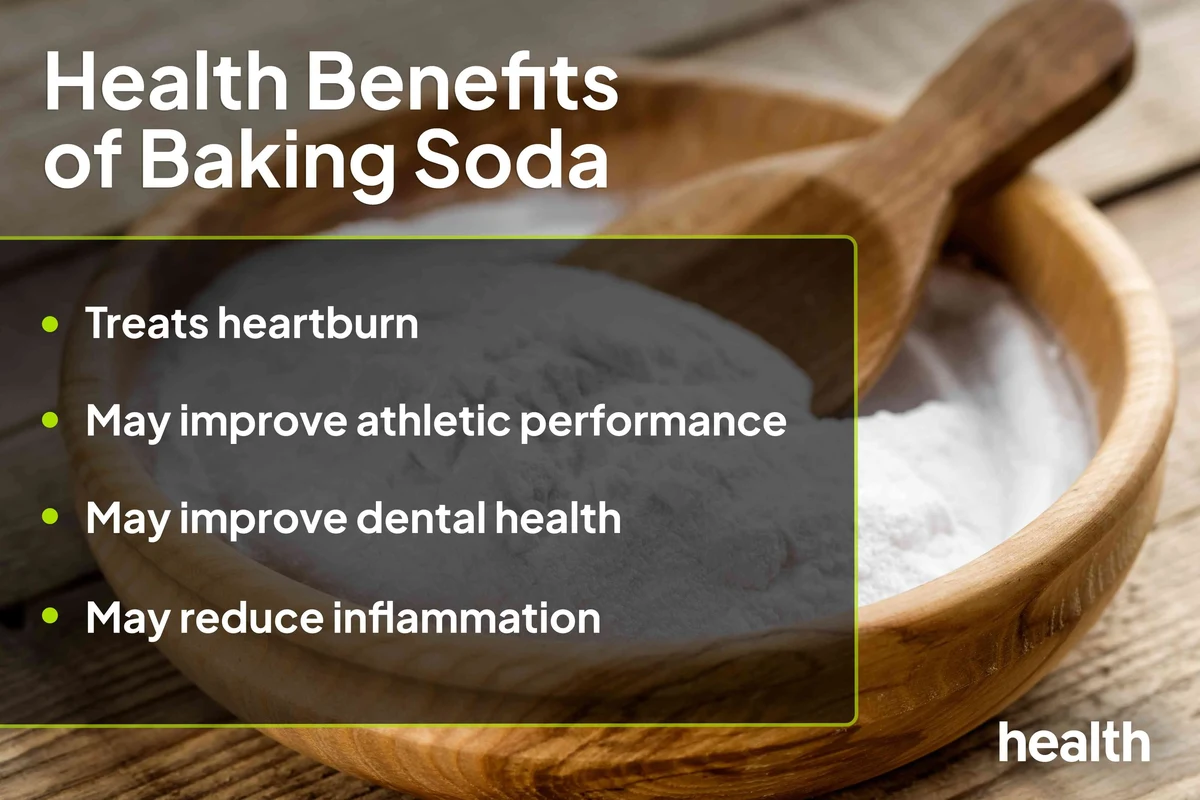
Baked baking soda is regular sodium bicarbonate that has been heated until it changes form and becomes less reactive in the finished dough. Bakers use it when they want the flavor and browning effects of alkalinity without the full leavening strength of fresh baking soda.
The chemistry behind sodium bicarbonate after heating
When sodium bicarbonate is heated, it loses carbon dioxide and water, leaving behind a more alkaline compound often called sodium carbonate. That shift matters because sodium carbonate is stronger and more caustic than regular baking soda, so it behaves differently in dough and batter.
In practical terms, the ingredient no longer acts like a normal leavener. Instead, it mainly changes pH, which affects browning, flavor, and how certain starches and proteins behave during baking.
How baked baking soda differs from regular baking soda and baking powder
Regular baking soda is a leavening agent that needs acid and moisture to create gas. Baking powder contains both an acid and a base, so it can work on its own in many formulas.
Baked baking soda is not a direct substitute for either one. It is usually used for its alkalinity, not for lift, so it belongs in recipes where a recipe developer has planned for that effect.
Why this ingredient matters in modern baking and pastry work
Modern baking often depends on fine control. Small pH changes can alter crust color, cookie spread, and the way cocoa or molasses flavors show up.
That is why pastry students and production bakers study ingredients like this alongside other technique basics, such as oven control and dough handling. If you are learning how heat affects baking tools and results, you may also find it useful to review topics like air fryer preheating and how heat circulation changes browning.
Alkaline doughs often brown faster because higher pH speeds up the Maillard reaction, the set of browning reactions that create deeper crust color and more toasted flavor.
Common Uses of Baked Baking Soda in Baking Pastry Schools Kitchens
In a teaching kitchen, baked baking soda is most useful in formulas where browning and flavor balance matter more than extra rise. It is especially helpful in dense, low-acid doughs and in recipes that need a more pronounced bakery-style crust.
Boosting browning in pretzels, bagels, and crackers
Pretzels and bagels often benefit from an alkaline surface because it helps the crust turn a deeper brown during baking. Crackers can also gain a more even color and a slightly sharper flavor when the dough is more alkaline.
That said, the ingredient must be used carefully. Too much alkalinity can make the crust overly dark before the interior is fully baked.
Improving alkalinity for Dutch-style cocoa and chocolate bakes
Chocolate cakes, brownies, and cookies made with Dutch-process cocoa often rely on a balanced pH for color and flavor. Baked baking soda can deepen the cocoa tone and reduce sharpness in some formulas.
This is one reason it shows up in darker desserts that should taste round and mellow rather than acidic or tangy. The effect depends on the cocoa type, sugar level, and whether the recipe already includes acidic ingredients.
Supporting texture in cookies, gingerbread, and savory doughs
In cookies, a more alkaline dough can encourage spread and create a chewier bite. In gingerbread, it may soften harsh acidity and help the finished cookie bake to a warmer brown color.
Some savory doughs also benefit from the stronger browning and slightly crisper shell. For a related heat-and-crispness topic, see our guide on whether air fryers toast bread well enough to replace a toaster in some kitchens.
Example formulas where baked baking soda can change results
Think of formulas like pretzel dough, dark cocoa cookies, rye-based crackers, and some molasses or spice cookies. These are the kinds of recipes where a small pH shift can change both color and taste.
In classroom work, the difference may show up as a darker edge, a less sharp aroma, or a more even crust. In production, that can matter as much as volume or sweetness.
Useful when you want a darker, more bakery-style exterior and a stronger toasted note.
Helps push color and can soften a sour or flat cocoa impression.
Benefits, Flavor Effects, and Visual Results to Expect
The main benefits of baked baking soda are visual and sensory. It can deepen color, influence aroma, and change the way a crust forms as the dough bakes.
How alkalinity changes color, aroma, and crust development
Higher alkalinity encourages browning, especially on surfaces that dry out early in the bake. That usually means darker edges, a more golden or mahogany crust, and a smell that leans toasted rather than sharp.
In some pastries, that extra browning also improves the look of the finished item without needing a longer bake time, which helps protect texture inside the crumb.
When baked baking soda creates a smoother or less soapy flavor
Regular baking soda can leave a soapy or metallic note if it is not balanced by enough acid. Baked baking soda changes the balance because it is already transformed and is often used in formulas designed to avoid that raw soda taste.
It does not remove all off-flavors by itself. The recipe still has to be balanced with the right sugar, fat, salt, and moisture.
Where it can improve spread, chew, and crispness
In cookies, a more alkaline environment may increase spread and encourage a thinner, chewier edge. In crackers and some savory doughs, it can support crispness by helping the surface brown more evenly.
Results vary by flour strength, dough temperature, and oven calibration. A cool, firm dough may spread less than a warm one even with the same formula.
How to Make Baked Baking Soda Safely and Accurately
Because this ingredient is created by heating regular baking soda, accuracy matters. The goal is to transform it without burning it, contaminating it, or exposing it to moisture before use.
Oven temperature, time, and the signs that it has fully baked
Home and school kitchens often use a low oven heat for this process, but the exact temperature and time can vary by oven model and amount spread on the pan. The key is to heat the baking soda until it changes from a fine white powder to a drier, more granular-looking product.
If you are making it for class or production, follow a tested formula or instructor guidance rather than guessing. Oven calibration, pan thickness, and rack position all affect the result.
Do not use a hot pan or inhale the dust while transferring baked baking soda. Keep it away from children, label it clearly, and treat it as a strong alkaline ingredient rather than a casual pantry item.
Measuring by weight for consistent results in a pastry setting
Weight is more reliable than volume because fine powders pack differently from one scoop to the next. In a pastry classroom, even a small measuring error can change browning and flavor more than expected.
If a formula is written in grams, keep it in grams. That is the easiest way to make repeatable results across different batches and student teams.
Cooling, handling, and avoiding moisture exposure
Let the baked baking soda cool fully before storing it. Warm powder can create condensation in a container, which makes the ingredient clump and lose consistency.
Store it in a dry, sealed container and avoid placing it near sinks, steam tables, or dishwashers. Moisture is the fastest way to weaken its usefulness.
Wear dry hands or gloves when handling the cooled powder, and clean spills promptly. Strongly alkaline powders can irritate skin and eyes, especially in a busy teaching kitchen.
Easy Tips for Using It in Real Recipes
The easiest way to use baked baking soda is to treat it as a specialty ingredient, not a general replacement. Start with formulas that already call for it or use it in a small, controlled adjustment.
How to substitute it without changing the whole formula
Do not swap baked baking soda for regular baking soda one-for-one unless the recipe specifically explains that substitution. The two ingredients do not behave the same way, and the balance of acid, salt, and moisture may need adjustment.
In practice, it is safer to use a formula built for baked baking soda than to improvise. If you do experiment, change one variable at a time so you can see the effect.
When to pair it with acidic ingredients and when not to
Pairing depends on the goal. If you want leavening, fresh baking soda plus acid is the usual path; if you want alkalinity for browning or flavor, the baked version may be the better fit.
Too much acid can cancel the effect you are trying to create. Too little balance can leave the dough harsh or overly dark, so the formula has to be read as a whole.
Ingredient brands matter. Cocoa, flour, molasses, and even salt levels can shift pH and moisture enough to change the final result, especially in cookies and crackers.
Scaling up for batch production or classroom demonstrations
In larger batches, consistency matters more because small measurement errors multiply. Use the same sifted or unsifted method every time, and keep the baking soda dry until the moment it is needed.
For demonstrations, label the control batch and the alkaline batch clearly so students can compare color, aroma, and texture. That makes the lesson easier to see and remember.
Practical examples for cookies, pretzels, and specialty doughs
For cookies, use it when you want darker edges and a chewier bite. For pretzels, it can support a richer crust and more pronounced browning.
For specialty doughs like spice crackers or dark chocolate bakes, it can help smooth sharp notes and create a more developed baked aroma. If your goal is simply lift, though, regular baking soda or baking powder is usually enough.
Common Mistakes That Lead to Flat, Bitter, or Weak Results
Most problems come from confusion, overuse, or poor storage. Because baked baking soda is less familiar than everyday leaveners, it is easy to misuse it in a formula that was not designed for it.
Confusing baked baking soda with baking powder or regular soda
This is the most common mistake. Baking powder provides lift; regular baking soda provides lift plus alkalinity; baked baking soda is mainly for stronger alkalinity after heating.
Using the wrong ingredient can flatten a recipe, change flavor, or make the crust brown too fast. Always check the formula name and the ingredient list carefully.
Overbaking, underbaking, or storing it in a humid kitchen
If it is underbaked, it may not have changed enough to give the intended effect. If it is overhandled in a humid kitchen, it can absorb moisture and clump before use.
Humidity is a real issue in school kitchens, especially near dish areas and proofing cabinets. Keep the container closed and return it to storage quickly after measuring.
The dough browns too quickly on the outside but stays underdone in the center.
The formula may be too alkaline, the oven too hot, or the pan too dark. Reduce the amount, verify oven temperature, or switch to a lighter pan if the recipe allows.
Using too much and creating harsh flavor or excessive browning
More is not better here. Too much alkaline ingredient can push the flavor into harsh territory and make the crust look burned before the inside is ready.
That risk is especially high in thin cookies, crackers, and small rolls that bake quickly. A measured hand matters more than a heavy one.
Ignoring recipe balance, especially fat, sugar, and acidity
Fat softens texture, sugar supports browning, and acidity can change both flavor and leavening behavior. Baked baking soda works within that balance, not outside it.
If a recipe is already sweet, dark, and rich, adding more alkalinity may overdo the effect. Read the whole formula before making any adjustment.
- Use a formula that is designed for alkalinity
- Measure by weight and keep the ingredient dry
- Watch color and aroma as the best doneness cues
- Swapping it blindly for baking powder
- Storing it in a humid, open container
- Adding extra just to force more browning
Storage, Shelf Life, and Kitchen Safety Considerations
Good storage keeps the ingredient predictable. Since its usefulness depends on dryness and proper handling, a little organization goes a long way in a school or home bakery.
Best containers, labeling, and moisture control
Use a clean, airtight container with a clear label that says baked baking soda. If your kitchen stores multiple white powders, labeling is essential to prevent mix-ups.
Keep it in a cool, dry cabinet away from steam, sinks, and cleaning chemicals. That helps preserve texture and reduces the chance of accidental contamination.
How long it stays useful in a home or school bakery
There is no universal shelf life that fits every kitchen because storage conditions vary so much. In general, it remains useful as long as it stays dry, uncontaminated, and free-flowing.
If it clumps, smells odd, or has been stored open in a humid room, it is safer to replace it. When in doubt, make a fresh batch or use a fresh ingredient for critical work.
Safe handling practices for students and instructors
Students should avoid tasting it directly and should wash hands after handling. Instructors should also remind learners that alkaline powders can irritate eyes and skin, especially during measuring and transfer.
For any food safety concern involving allergens, cross-contact, or raw ingredients in a recipe, follow school policy and recognized guidance from official food safety sources such as USDA or FDA.
Should You Use Baked Baking Soda in Your Next Bake?
Baked baking soda is worth the extra step when you want stronger browning, a more developed toasted flavor, or a specific alkaline effect in the formula. If you only need lift, regular baking soda or baking powder is usually the simpler choice.
When it is worth the extra step and when regular baking soda is enough
Choose baked baking soda for pretzels, bagels, crackers, dark cocoa bakes, and some chewy cookies. Choose regular baking soda when the recipe needs standard leavening and acid balance rather than extra alkalinity.
That distinction keeps you from overcomplicating a simple bake. It also helps you avoid flavor issues that come from using the wrong leavener for the job.
Best use cases for home bakers, pastry students, and small bakeries
Home bakers may use it for a special recipe or a controlled experiment. Pastry students can use it to learn how pH affects browning and flavor, which is a useful lesson in ingredient science.
Small bakeries may find it helpful when a signature product needs a darker crust or a more balanced cocoa profile. As with any formula change, test carefully before making it part of regular production.
Final practical recap for deciding whether to keep it in your pantry
If you bake often with pretzel dough, cocoa-rich cookies, or savory crackers, baked baking soda can earn a place in your pantry. If your recipes are mostly standard cakes, muffins, and quick breads, you may not need it often.
For most bakers, the best approach is simple: keep it only if you understand why the recipe calls for it, store it dry, and measure it carefully. That way, the ingredient works as a tool, not a surprise.
- Improves browning and crust color
- Can soften sharp or soapy soda flavor
- Helps with chewy or crisp textures in select recipes
- Easy to confuse with other leaveners
- Can overbrown if used too heavily
- Needs dry storage and accurate measuring
For bakers and students who want more control over color and flavor, baked baking soda is a useful specialty ingredient. For everyday baking, though, the simplest leavener is often still the best one.
Frequently Asked Questions
No. Baked baking soda is heated sodium bicarbonate that becomes more alkaline and behaves differently in recipes. It is usually used for browning and flavor, not for standard leavening.
Usually no. Baking powder provides lift, while baked baking soda mainly changes alkalinity, so the recipe balance will not be the same.
Pretzels, bagels, crackers, dark cocoa cookies, and some gingerbread-style or savory doughs are common uses. These recipes benefit from deeper browning and a more toasted flavor.
It should look drier and slightly more granular than the original powder. Exact time and temperature can vary by oven, pan, and batch size, so follow a tested formula when possible.
Store it in a sealed, clearly labeled container in a cool, dry place. Moisture can make it clump and reduce consistency in baking.
Yes. Too much can cause harsh flavor, overly fast browning, or a bitter taste, especially in thin cookies and crackers.

