
Easy Recipe for Baking Soda Slime Kids Will Love
Baking soda slime is made by mixing glue with baking soda and a suitable activator, then kneading until the texture turns stretchy. Add the activator slowly and adjust in small amounts so the slime does not become sticky or stiff.
Baking soda slime is a simple sensory activity that uses a few pantry and craft ingredients to create stretchy, hands-on play. This recipe for baking soda slime is easy to adjust, so you can make it softer, firmer, or more elastic depending on how kids want to play.
- Start small: Add activator gradually for better texture control.
- Use the right ingredients: Glue, baking soda, and proper contact lens solution matter most.
- Watch the feel: Stop when the mixture pulls from the bowl and kneads cleanly.
- Fix carefully: Tiny adjustments work better than big corrections.
- Store sealed: Airtight storage helps the slime last longer.
What “Baking Soda Slime” Is and Why Kids Love It
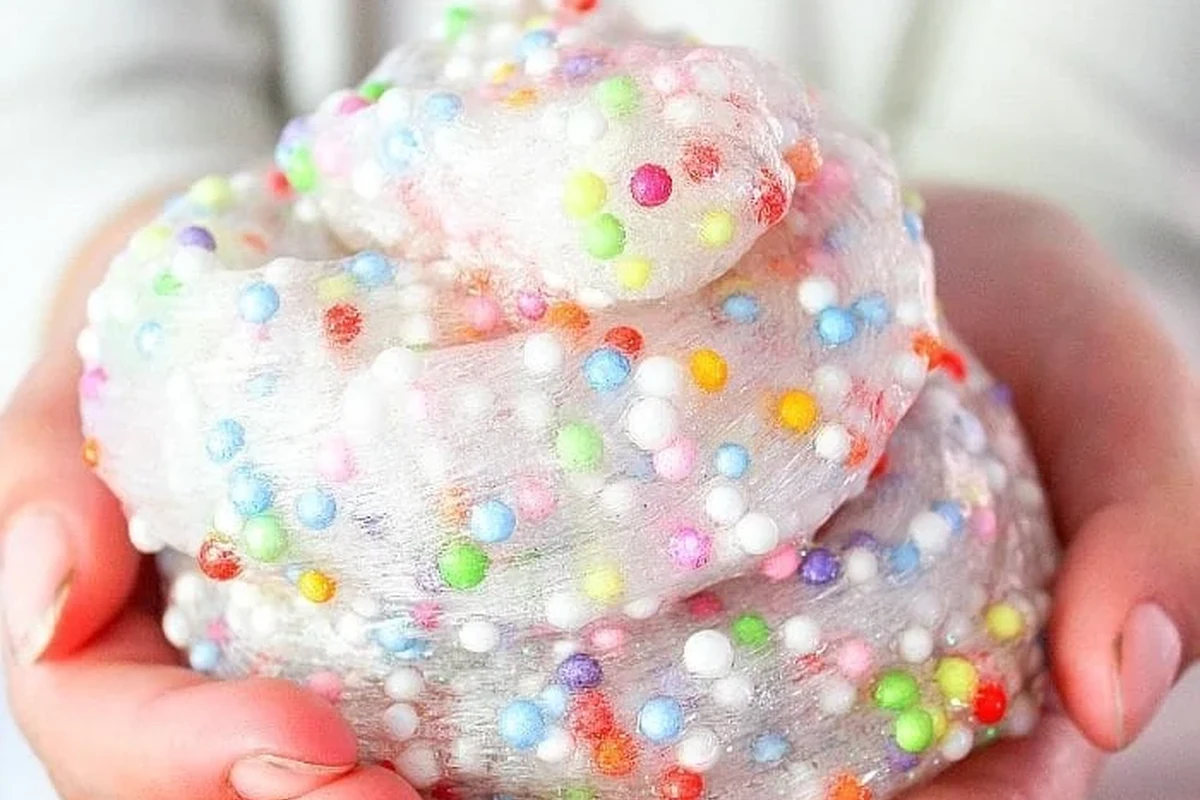
Baking soda slime is a glue-based slime that gets its texture from a combination of baking soda and a slime activator, usually contact lens solution. The result is a smooth, stretchy mass that is less messy than many craft doughs and more interactive than a basic glue mixture.
It is popular because children can see the mixture change almost immediately. The texture shifts from sticky and loose to thicker and more cohesive as the ingredients bind together.
How this sensory activity differs from traditional slime recipes
Traditional slime recipes often rely on borax or other strong activators, while this version usually uses baking soda plus contact lens solution. That makes it a familiar kitchen-style project for families who want a gentler, beginner-friendly method.
The feel is also slightly different. Baking soda slime can start out softer and more pliable, then become firmer as you knead it, which makes the mixing stage part of the fun.
Why baking soda matters in the texture and reaction
Baking soda helps prepare the glue mixture so the activator can work more evenly. In practical terms, it can improve how quickly the slime comes together and help reduce stringy spots that stay too wet.
It does not create slime by itself. The real texture change happens when the activator interacts with the glue polymers, but baking soda helps support that transition.
Glue slime works because long polymer chains in the glue link up and trap water, creating a stretchy network instead of a liquid.
Ingredients, Ratios, and Safe Substitutions
For a basic batch, you only need a few ingredients and a small mixing bowl. If you want a broader overview of baking soda uses in the kitchen and home, see this baking soda trick that actually works fast and easy guide for another practical example of how this ingredient behaves.
Core ingredients: glue, baking soda, contact lens solution, and optional color
The core ingredients are white school glue or clear craft glue, baking soda, contact lens solution that contains boric acid or sodium borate, and optional food coloring or washable liquid color. The exact brand matters because different glues and solutions can thicken at different rates.
Measurement guidance for stretchy vs. firmer slime
A common starting point is about 1/2 cup glue, 1/4 teaspoon baking soda, and 1 to 2 tablespoons contact lens solution added gradually. This usually gives a medium-stretch slime that is easy to knead.
For a softer slime, use a little less activator and stop mixing as soon as the mixture pulls away from the bowl. For a firmer slime, add a little more activator in tiny amounts, but only after the base has already started to set.
Because glue formulas vary, the same measurement may not give the same result every time. Humidity, brand differences, and how accurately you measure can all change the final texture.
Common substitutions and what they change in the final result
Clear glue makes a more glossy, see-through slime, while white glue usually gives a creamier, opaque look. Glitter glue can work, but it may already contain additives that slightly change the texture.
If you do not have contact lens solution with the right active ingredients, the slime may not form properly. Water alone will not activate the glue, and too much liquid can make the mixture thin and slippery.
Always check the ingredient label on contact lens solution before using it in slime. Do not use eye drops, and do not use any product that is not intended for lens care without verifying its ingredients and safety.
Step-by-Step Method for Making the Slime
The method is simple, but the order matters. If you add the activator too quickly, the slime can clump before the ingredients mix evenly.
Mixing the base correctly before adding the activator
Start by pouring the glue into a bowl, then stir in the baking soda until the mixture looks uniform. If you want color, add it now so the pigment distributes evenly before the slime thickens.
The base should look smooth and slightly thicker than glue alone, but still pourable. This is the stage where a well-mixed base helps prevent streaks and dry pockets later.
Mix glue, baking soda, and any color in a bowl until the mixture is even and smooth.
Drizzle in contact lens solution a little at a time while stirring constantly.
When the slime starts to pull away from the bowl, pick it up and knead it with clean hands.
How to add the baking soda and activator gradually
After the base is mixed, add the contact lens solution in small splashes rather than all at once. Stir after each addition so you can see when the slime begins to gather into a mass.
Once the mixture starts clinging to the spoon and leaving the sides of the bowl cleaner, switch to kneading. That is usually the point where hand mixing works better than a utensil.
Keep slime ingredients away from food-prep surfaces, and wash hands after handling. Even though this is a craft project, it should still be treated as a non-food item.
Signs the slime is ready to knead and play with
The slime is ready when it no longer looks wet and runs off the spoon in a thick stream rather than a liquid one. It should feel tacky but not coat your fingers heavily.
If it still leaves a lot of residue on the bowl, it needs a little more activator or a few more minutes of kneading. If it feels dry and crumbly, you likely added too much activator.
Texture Control: How to Fix Slime That Is Too Sticky, Too Stiff, or Too Runny
Most slime problems come from adding too much or too little activator. The best fix is usually a small adjustment, not a big correction.
Adjusting with small additions instead of overcorrecting
Add activator in drops or teaspoons, not large pours. A tiny change can make a big difference once the slime starts forming, so slow adjustments are safer than trying to rescue the batch all at once.
If the slime is already close to the right texture, knead it for a minute before adding anything else. Sometimes the mixture just needs time to absorb the liquid evenly.
The slime feels sticky even after several minutes.
Add a few drops of activator, then knead again. Sticky slime often means the glue has not fully linked up yet.
The slime is stiff and tears when stretched.
Work in a tiny bit of glue if the batch is still very fresh, or stop adding activator next time. Over-activating is the usual cause.
What to do when the slime tears, clumps, or won’t hold shape
Clumps usually mean the activator hit one area of the bowl too quickly. Stir more slowly next time and add the liquid around the edge of the bowl so it spreads out.
If the slime tears instead of stretching, it is usually too dry or too heavily activated. A small amount of extra glue may help soften it, but only if you add it gradually and knead thoroughly.
- Add activator a little at a time
- Knead after each adjustment
- Stop when the slime is slightly tacky
- Pouring in activator all at once
- Adding lots of water to fix thickness
- Using the slime before it finishes setting
Practical examples for different play textures
For a stretchy, slow-pull slime, stop mixing while it still has a soft sheen and only barely sticks to your fingers. This version is good for long pulls and gentle squeezing.
For a firmer slime that holds shape, add a little more activator and knead until it feels denser. This version is better for molds, shapes, and less messy play.
Ingredient Roles and the Science Behind the Recipe
This recipe is a good example of kitchen chemistry, even though it is a craft project rather than a baked good. The ingredients change texture because of how they interact at the molecular level.
Why baking soda helps the activator work more effectively
Baking soda can help create a more workable base so the activator spreads through the glue more evenly. It supports the process, but it is not the ingredient that makes slime on its own.
When you mix in the activator, the glue begins to thicken because the polymers start linking together. That is why the mixture changes from sticky liquid to flexible slime.
How glue polymers create stretch and bounce
Glue contains long chains called polymers. Once the activator starts linking those chains, they form a network that traps water and gives the slime its stretch.
This is also why the slime can bounce back after being folded or squeezed. The network is flexible, but it still has enough structure to hold together.
What children can observe during the mixing process
Kids can watch the slime change from glossy and runny to thicker and more matte as it sets. They can also notice how the bowl gets cleaner as the mixture pulls away from the sides.
That makes this recipe useful for simple science talk: more liquid means looser texture, while more linking means firmer texture. It is a hands-on way to observe cause and effect.
Safety, Supervision, and Cleanup for Family Use
Although this is a simple project, it still needs basic supervision. Young children should not handle slime ingredients alone, especially around eyes, mouths, or open cuts.
Age-appropriate handling and adult supervision tips
Adults should measure the activator and help with the mixing, especially for younger children. Older kids can stir and knead with supervision once the ingredients are combined.
Keep the activity on a washable surface and use a dedicated bowl and spoon. Do not use tools that you also use for cooking.
Allergy, eye-contact, and skin-sensitivity precautions
Check labels for glue, coloring, and contact lens solution before starting. If anyone has skin sensitivity, test with brief contact first and stop if irritation appears.
Keep the slime away from eyes and do not let children put it in their mouths. If a child has a known allergy or a history of strong skin reactions, review the product labels carefully and follow professional medical guidance as needed.
Slime is not edible. If eye contact or a skin reaction occurs, rinse with plenty of water and follow the product label instructions or contact a qualified medical professional if symptoms continue.
Simple cleanup methods for tables, hands, and clothing
Most residue comes off hands with warm water and soap after the slime is removed. For tables, wipe up the batch while it is still together rather than letting it dry into small pieces.
If slime gets on clothing, gently lift off as much as possible first. Then wash the fabric according to the garment care label, since some dyes and glues can leave marks if they sit too long.
Storage, Freshness, and How Long the Slime Lasts
Slime usually lasts longer when it is sealed tightly and kept away from heat and dust. A small airtight container is the best simple storage option for home use.
Best containers and storage conditions
Use a plastic container with a tight lid or a resealable bag with most of the air pressed out. Store it at room temperature, not in direct sunlight or near a warm appliance.
If the container is left open, the slime will dry out faster and lose its stretch. Clean hands also help, since crumbs and dirt can change the texture.
When the slime starts to dry out or break down
Slime usually starts to feel less elastic when it loses moisture. It may become rubbery, stiff, or crumbly depending on how much air exposure it had.
If it smells off, has visible mold, or has picked up unknown debris, discard it. For home craft projects, freshness matters as much as texture.
How to refresh old slime without ruining the texture
If the slime is only slightly dry, knead in a drop or two of water or a tiny amount of glue, depending on whether it feels brittle or just tight. Add very little at first, because too much liquid can make it sticky again.
If the slime has broken down badly, it is usually better to start over. Small refreshes work best when the batch is still mostly intact.
- Easy to make with common supplies
- Adjustable texture for different play styles
- Good hands-on sensory activity
- Texture varies by glue brand and activator type
- Can become sticky or stiff if overmixed
- Needs supervision and cleanup
Final Recap: The Best Way to Make Baking Soda Slime Kids Will Enjoy
The best recipe for baking soda slime is the one that starts with a well-mixed glue base, uses activator slowly, and stops at the right texture before the slime gets overworked. If you want a softer result, stop early; if you want a firmer result, add activator in very small amounts.
For families who like simple kitchen science, this is a low-cost, flexible project that rewards careful measuring. If you want a related kitchen chemistry read, the same kind of ingredient logic appears in our guide on a baking soda trick that actually works fast and easy, where small adjustments make a noticeable difference.
Choosing the right consistency for play, learning, or gifting
Stretchy slime is best for sensory play, while firmer slime works better if you want a neater, more shape-holding batch. For gifting, a medium texture is usually the safest choice because it is less likely to feel too sticky or too stiff right away.
Common mistakes to avoid on the first try
The biggest mistakes are adding too much activator, skipping the slow mixing stage, and trying to fix texture problems with large amounts of liquid. If you keep the additions small and pay attention to how the slime feels, the recipe is much easier to control.
- Use a bowl and spoon reserved for craft use
- Check the activator label before mixing
- Keep paper towels nearby for cleanup
- Supervise children closely during handling
For readers who want to understand more about safe household product use, especially with heat or electrical appliances, our article on whether air fryers are dangerous shows the same careful habit of checking instructions and limits before starting a project.
Frequently Asked Questions
White school glue is the most beginner-friendly option, while clear glue gives a glossier finish. Different brands can change the final texture, so small test batches help.
A small amount is usually enough, often around 1/4 teaspoon for a basic batch. The exact amount depends on the glue brand and how firm you want the slime to be.
Sticky slime usually needs a little more activator or more kneading. Add only a few drops at a time so you do not make it too stiff.
Not all liquids will activate slime, and eye drops or plain water will not work the same way. Check the label and use only a product designed for lens care with the right active ingredients.
It can last several days to a couple of weeks if stored in an airtight container and handled with clean hands. Dry air, dirt, and heat will shorten its life.
It is a supervised craft, not a food. Keep it away from eyes and mouths, check product labels for sensitivities, and follow the instructions on the ingredients you use.

