
Best Baking Soda Free Deodorant for Sensitive Skin
Baking soda free deodorant is often a better choice for sensitive skin because it removes a common irritant. The best formulas still need the right balance of odor control, moisture management, and low-fragrance ingredients.
If regular deodorants sting, itch, or leave your underarms red, a baking soda free deodorant can be a better fit. The best options focus on odor control without the high-alkaline ingredient that often triggers irritation in sensitive skin.
- Gentler base: Baking soda free formulas can reduce underarm stinging and redness.
- Different job: Deodorant controls odor; it usually does not stop sweat like an antiperspirant.
- Best ingredients: Magnesium, zinc, arrowroot, and soothing emollients are common helpful choices.
- Test slowly: Patch test and track wear-time before deciding a product works.
- Watch triggers: Fragrance, alcohol, and essential oils can still irritate sensitive skin.
What Makes a Baking Soda Free Deodorant Better for Sensitive Skin?
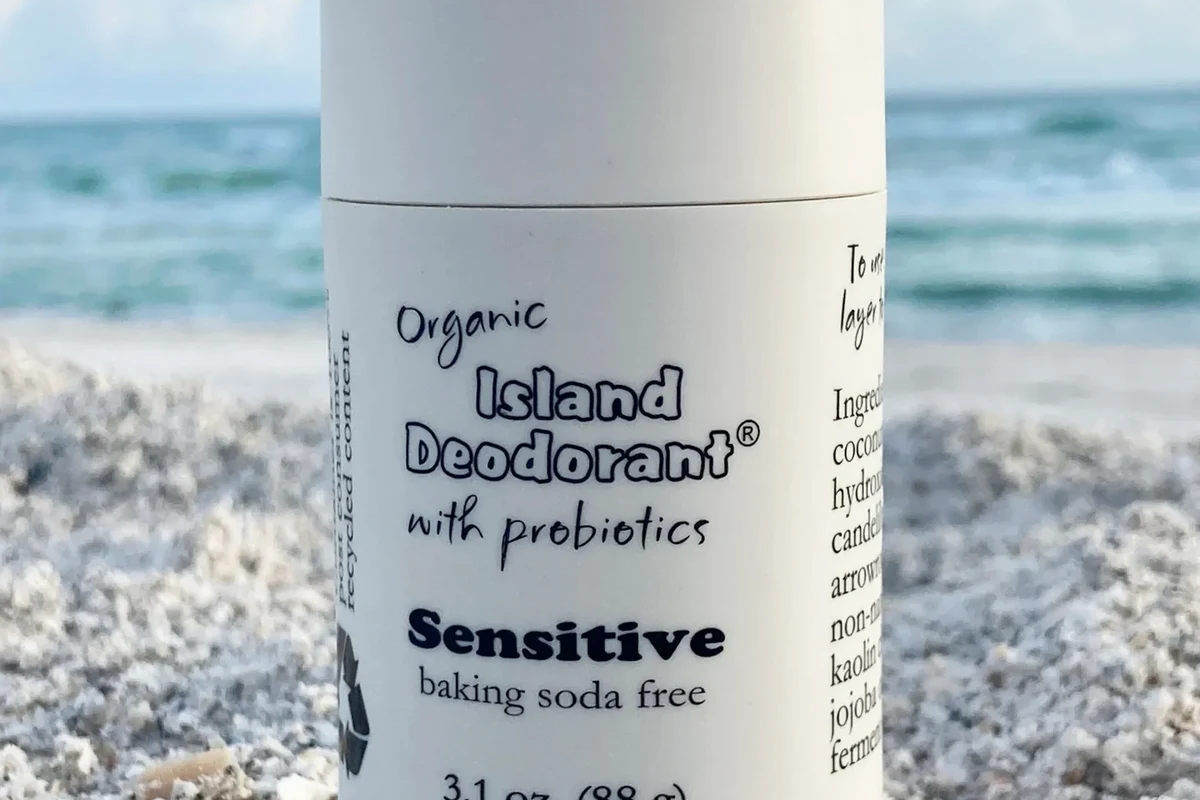
Baking soda is effective at reducing odor, but it can be too harsh for some people. It has a high pH, and that can disturb the skin barrier in the underarm area, especially when the skin is already dry, freshly shaved, or prone to eczema and contact dermatitis.
A baking soda free deodorant is often better because it usually relies on gentler odor-fighting ingredients and more skin-soothing bases. That does not mean every formula will be irritation-free, but it does reduce one of the most common causes of underarm discomfort.
Underarm irritation is not always caused by deodorant alone. Fragrance, essential oils, preservatives, and shaving can also trigger redness or burning, so read labels carefully and stop using any product that causes a reaction.
For readers who also want to understand how ingredient choices affect performance in other kitchen products, our guide on whether air fryers are toxic shows the same idea in a different context: the formula or material matters as much as the label promise.
How Baking Soda Free Deodorant Works: Ingredients That Replace Odor Control
Deodorant and antiperspirant are not the same thing. Deodorant helps reduce odor-causing bacteria and mask smell, while antiperspirant uses aluminum-based salts to reduce sweat output. A baking soda free deodorant usually focuses on odor management rather than blocking sweat completely.
That means you may still sweat, especially during exercise, hot weather, or stress. The product is working if odor stays controlled and your skin stays comfortable, even if you feel some moisture.
Common alternatives like magnesium, zinc, arrowroot, and probiotics
Magnesium hydroxide and similar magnesium-based ingredients are popular because they can help reduce odor without the same irritation risk as baking soda. Zinc compounds are also used for their odor-fighting support, while arrowroot and starches help absorb some moisture and improve the dry feel on skin.
Some formulas include probiotics or ferments, which are meant to support a healthier skin environment rather than act like a hard odor blocker. Results vary by formula, but these ingredients can be useful when the goal is gentler daily wear.
Many baking soda free deodorants work best when the formula balances odor control with moisture absorption. That balance matters more than any single “natural” ingredient on the front label.
What to expect from natural odor and sweat management in 2026 formulas
Modern baking soda free deodorant formulas are often designed to feel lighter, dry faster, and be easier to layer with body care products. In 2026, many brands are also focusing on fragrance-free options, refill systems, and simpler ingredient lists for sensitive users.
Still, “natural” does not automatically mean gentle. Some botanical extracts and essential oils can irritate the underarm area just as much as baking soda, especially after shaving or on broken skin.
How to Choose the Right Baking Soda Free Deodorant for Your Skin Type
The best choice depends on how reactive your skin is, how much you sweat, and whether you prefer a dry or creamy finish. Think of it like choosing the right baking pan: the same batter behaves differently depending on the surface, and deodorant formulas behave differently depending on your skin.
- Know whether your main issue is odor, sweat, or irritation
- Check for fragrance sensitivity, shaving sensitivity, and eczema history
- Look at the full ingredient list, not just the front label
Roll-on, stick, cream, and gel formats compared
Roll-ons usually spread a thin layer and can feel more even on sensitive skin, but they may take longer to dry. Sticks are convenient and mess-free, though some can drag on dry skin if the formula is too firm.
Cream deodorants often feel richest and can be easier to apply in a controlled amount, while gels may dry quickly and feel lighter. The best format is the one you will use consistently without irritation.
- Roll-ons can give even coverage
- Creams are easy to customize by amount
- Gels often feel light and quick-drying
- Sticks may pull on dry skin
- Roll-ons can feel damp at first
- Creams can transfer if overapplied
Scented vs. fragrance-free options for allergy-prone users
If you have allergies or frequent irritation, fragrance-free is usually the safer starting point. “Unscented” is not always the same as fragrance-free, because some products still use masking fragrances to cover raw ingredient smells.
Scented formulas can be pleasant, but they add another possible trigger. If your skin has reacted before, keep the first test simple and avoid products with long lists of essential oils or strong perfume blends.
Best Ingredient Profiles to Look For on the Label
When you read a deodorant label, look for a short list of ingredients that support odor control and skin comfort. A good formula should reduce the chance of friction, dryness, and stinging while still doing the basic job of deodorizing.
Soothing ingredients for irritation-prone underarms
Look for ingredients such as aloe, glycerin, shea butter, jojoba, squalane, or panthenol when you want more slip and less friction. These ingredients can help the product feel less drying and may support the skin barrier during daily use.
For people who shave, a formula with a smoother glide can matter as much as the odor-control active. Less tugging usually means less stinging, especially right after hair removal.
Some deodorants are marketed as “clean” or “minimal,” but that does not guarantee they are gentle. A short ingredient list can still include a strong fragrance, drying alcohol, or an essential oil that bothers sensitive skin.
Ingredients that may still cause dryness, clogging, or reactions
Even baking soda free deodorant can cause problems if it contains denatured alcohol, heavy fragrance, or irritating essential oils. Some people also react to coconut-derived ingredients, starches, or waxy bases, especially if their skin is already inflamed.
Clogging is less common in the underarm area than on the face, but heavy occlusive formulas can still feel sticky or uncomfortable in humid weather. If a product seems fine at first but starts to itch after a few days, the formula may be too rich or simply not compatible with your skin.
Common Mistakes People Make When Switching to Baking Soda Free Deodorant
Switching deodorants is a little like changing oven settings: the result can look different at first, and you need time to judge the new method fairly. A few common mistakes lead people to quit too early or blame the wrong ingredient.
Expecting antiperspirant-level sweat blocking
A deodorant is not meant to stop sweat the way an antiperspirant does. If you expect completely dry underarms, you may think the product failed when it actually did its job by reducing odor.
If sweat is your main concern, you may need an antiperspirant or a separate strategy, depending on your skin tolerance and personal preference. For some people, the better goal is comfortable odor control rather than dryness at all costs.
Using too much product or switching too quickly between formulas
More product does not always mean better odor control. Overapplying can leave residue, increase friction, and make it harder to tell whether the formula itself is working.
It also helps to avoid switching products every day. Give a new deodorant several days of consistent use unless you notice burning, rash, or swelling. Sudden changes make it hard to identify the real cause of irritation.
The deodorant smells fine at first, but irritation appears after several days.
Check for fragrance, alcohol, and essential oils, then simplify to a fragrance-free formula with a gentler base. Stop use if redness or burning gets worse.
Real-World Use Cases: Which Baking Soda Free Deodorant Fits Different Lifestyles?
The best choice depends on when and where you wear it. A formula that feels perfect for office days may not hold up as well during workouts, travel, or humid weather.
For workouts, office wear, travel, and hot climates
For workouts and hot climates, look for a formula with stronger odor control and some moisture absorption, such as magnesium plus starch or zinc. Quick-drying gels and lighter sticks can be useful when you need less residue under clothes.
For office wear, a fragrance-free or lightly scented formula is usually easier to live with, especially in shared spaces. For travel, a compact stick or cream container can be more practical than a runnier roll-on, depending on baggage and temperature changes.
Choose a stronger odor-control formula with a dry finish, but avoid harsh fragrance if you apply after shaving.
Pick a low-mess format that layers well under clothing and does not leave heavy residue.
For teens, postpartum users, and people with eczema or contact dermatitis
Teens often do best with a simple, fragrance-free formula because skin sensitivity can change quickly during adolescence. Postpartum users may also prefer gentler deodorants, especially if hormones, sweating, or skin sensitivity have shifted.
People with eczema or contact dermatitis should be especially cautious with scented products and essential oils. If the underarm skin is already compromised, a minimal formula and a patch test are important before full use.
Do not apply deodorant to broken, freshly shaved, or visibly inflamed skin if it burns on contact. If you have a diagnosed skin condition, follow your clinician’s guidance and check product labels for known triggers.
How to Test a New Deodorant Safely and Judge Whether It Is Working
Testing a new deodorant is best done in stages. A careful approach helps you separate normal adjustment from a true irritation problem, and it keeps you from giving up on a formula too early.
Patch testing, wear-time tracking, and irritation signs to watch for
Start with a patch test on a small area of skin, ideally where you can monitor it for 24 hours or longer. If there is no redness, burning, swelling, or itching, use the product on one underarm first before applying it to both sides.
Track odor control, comfort, and residue for several days. A simple note in your phone is enough: when you applied it, how long odor stayed controlled, and whether the skin felt dry, tight, or itchy by evening.
- Test one new product at a time
- Wait long enough to judge wear-time fairly
- Apply to clean, fully dry skin
- Layering several new products at once
- Testing right after shaving
- Ignoring a mild burn that keeps getting worse
When to stop using a product and seek medical advice
Stop using the product if you develop swelling, hives, blistering, intense burning, or a rash that spreads beyond the application area. Those can be signs of a stronger reaction, not just ordinary adjustment.
If irritation does not improve after stopping the product, or if you have repeated reactions to multiple deodorants, speak with a qualified clinician or dermatologist. Serious allergy questions should be handled with professional guidance and careful label review, not guesswork.
Final Verdict: How to Pick the Best Baking Soda Free Deodorant for Sensitive Skin
The best baking soda free deodorant for sensitive skin is usually the one with a simple formula, a gentle odor-control active like magnesium or zinc, and minimal fragrance. If your skin reacts easily, start with fragrance-free products and a format that reduces rubbing, such as a smooth cream or a soft roll-on.
Just as important, set the right expectation: deodorant should control odor, not necessarily stop sweat. If you test carefully, avoid overapplying, and watch for irritation signs, you will have a much better chance of finding a formula that works for daily life.
Choose a baking soda free deodorant with a short, skin-friendly ingredient list, then judge it by comfort and odor control over several days. If irritation appears, stop use and switch to a simpler fragrance-free option or get medical advice for persistent reactions.
For readers comparing ingredient safety and everyday practicality across kitchen and home products, our related guides on whether air fryers are dangerous and whether air fryer liners are safe follow the same careful approach: check the material, understand the limitation, and match the product to the use case.
Frequently Asked Questions
It often is, because it removes one common irritant from the formula. But fragrance, alcohol, and essential oils can still cause reactions, so the full ingredient list matters.
Usually no. Most deodorants help control odor, while antiperspirants are designed to reduce sweat.
Give it several days of consistent use if your skin is comfortable. Stop sooner if you notice burning, swelling, hives, or a spreading rash.
Magnesium, zinc, arrowroot, and similar moisture-absorbing or odor-fighting ingredients are common choices. Soothing ingredients like aloe, glycerin, and shea butter can also help sensitive skin.
Fragrance-free is usually the safer starting point for allergy-prone users. It lowers the chance of irritation, although you should still patch test any new product.
Stop if you get swelling, hives, blistering, intense burning, or a rash that keeps spreading. If symptoms persist after stopping, ask a qualified clinician or dermatologist for advice.

