
Washing Teeth with Baking Soda Is It Safe and Effective

Baking soda can help remove light surface stains, but it should be used gently and only occasionally. It is not a replacement for fluoride toothpaste or professional dental care.
Washing teeth with baking soda can be a simple way to help lift surface stains, but it is not a full replacement for regular toothpaste. Used carefully, it may support a cleaner-looking smile; used too often or too aggressively, it can cause problems.
- Mild stain help: Baking soda can lift some surface discoloration from coffee, tea, and similar stains.
- Not a full toothpaste: It does not replace fluoride or the cavity protection of regular toothpaste.
- Use carefully: A thin paste, soft brush, and light pressure reduce the risk of enamel wear.
- Watch for warning signs: Sensitivity, bleeding, or irritation means you should stop and reassess.
What “Washing Teeth with Baking Soda” Actually Means in 2026
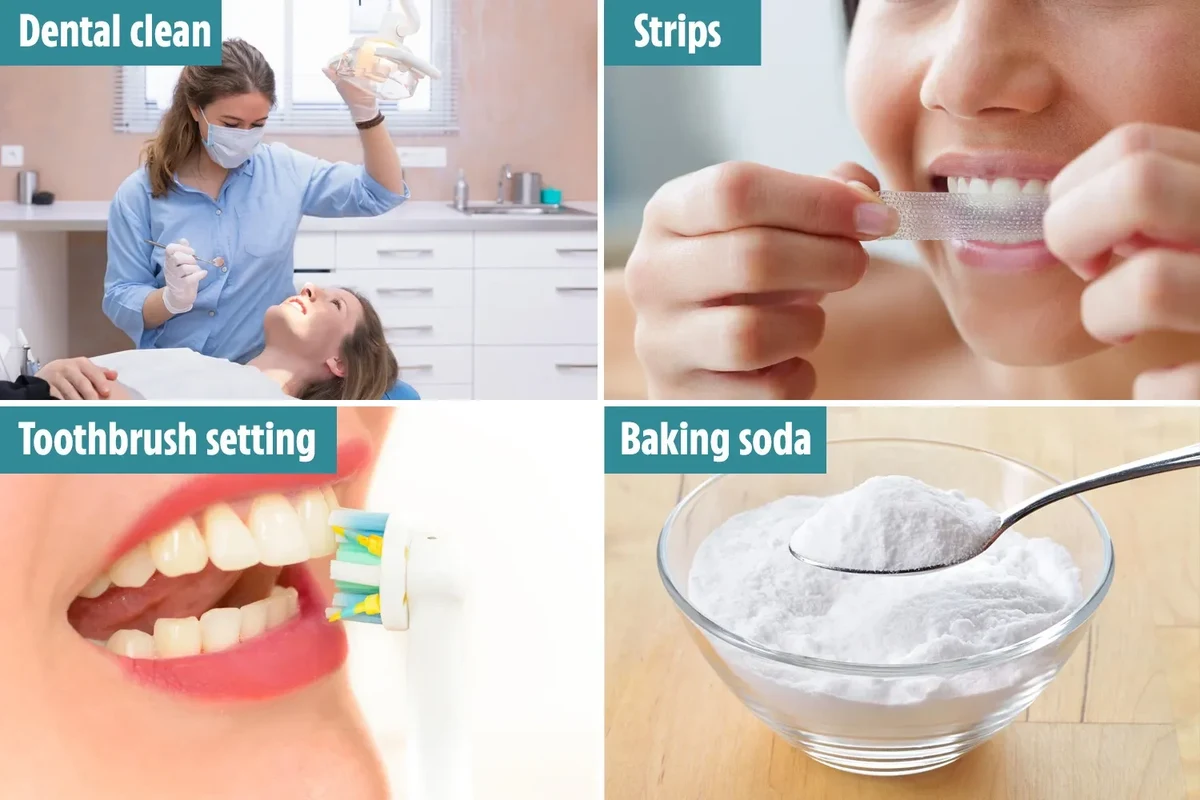
In everyday use, “washing teeth with baking soda” usually means brushing with a paste made from sodium bicarbonate and water, or brushing with a toothpaste that already contains baking soda. It is not the same as scrubbing hard with dry powder, which is more likely to feel gritty and abrasive.
In 2026, the phrase also shows up in a lot of quick-cleaning advice online, which can make it sound like a whitening shortcut. A more accurate way to think about it is as a mild stain-removal method, not a bleaching treatment.
If you are looking for a broader explanation of how this ingredient is used in everyday cleaning, our baking soda trick that actually works article covers the basic behavior of the ingredient in simple terms.
How Baking Soda Works on Teeth: Abrasion, pH Balance, and Stain Removal
Baking soda works in three main ways. First, it has a fine, mild abrasive texture that can help remove surface debris and staining from coffee, tea, and some foods. Second, it can help neutralize acids in the mouth for a short time, which may make the mouth feel less sour after eating or drinking acidic items.
Third, it dissolves easily in water, so it can spread across tooth surfaces without the heavy grit you get from some homemade scrubs. That said, “mild” does not mean “risk-free,” especially if you brush hard or use it too often.
Why it can help with surface stains
Most of the whitening effect people notice comes from removing stains sitting on the outside of the enamel. That is why baking soda may help with discoloration from coffee, tea, red wine, or tobacco-type staining.
It can make teeth look cleaner, but only to a point. If the color change is inside the tooth, or if the stain is heavy and long-standing, baking soda usually will not do much.
Why it does not replace fluoride toothpaste
Fluoride toothpaste does more than clean. It helps strengthen enamel and lower the risk of cavities, which is why it remains the standard daily choice in most dental guidance.
Baking soda on its own does not provide the same cavity-prevention benefit. For that reason, it is better viewed as an occasional add-on or a short-term alternative, not a permanent replacement for regular toothpaste.
Baking soda is alkaline, so it can temporarily reduce acidity in the mouth after eating or drinking something acidic. That effect is short-lived and does not replace normal oral care.
Is It Safe for Daily Use? What Dentists and Current Guidance Say
For many people, occasional use of baking soda on teeth is considered low risk when it is done gently. Daily use is where caution matters, because even mild abrasion can add up if you brush too firmly, use a rough paste, or already have sensitive teeth.
Current dental guidance generally favors fluoride toothpaste for routine brushing, with baking soda used selectively rather than as the main daily cleaner. If you have dental work, gum disease, or tooth sensitivity, it is smart to ask a dentist before making it a habit.
Enamel wear, gum irritation, and sensitivity risks
Enamel is hard, but it is not indestructible. Repeated abrasion from any cleaner, including baking soda, can contribute to wear if the brushing technique is too aggressive or the paste is too coarse.
Gums can also get irritated if the paste is rubbed in with too much pressure. People with already-sensitive teeth may notice a sharp, zinging feeling afterward, especially if the enamel is thin or the gums have receded.
Who should avoid or limit baking soda use
People with exposed root surfaces, enamel erosion, active gum recession, or frequent sensitivity should be careful. The same is true for anyone wearing braces, having recent dental work, or dealing with mouth sores.
If you have a history of cavities, dry mouth, or ongoing dental pain, baking soda should not be your only cleaning method. In those cases, a dentist can help you choose a safer routine that fits your mouth.
If brushing with baking soda causes burning, increased sensitivity, bleeding, or a rough “sanded” feeling on the teeth, stop using it and switch back to a gentle fluoride toothpaste until you can get dental advice.
How to Use Baking Soda on Teeth the Safer Way
The safest approach is to keep the paste thin, brush gently, and use it only from time to time. A little goes a long way, and more powder does not mean better whitening.
Think of it like a delicate finishing step rather than a heavy-duty scrub. That mindset helps prevent the common mistake of overdoing it.
Simple brushing method and practical measurement examples
Start with a small amount of baking soda, about a pinch to 1/4 teaspoon, mixed with enough water to form a soft paste. You can dip a soft toothbrush into it or spread a thin layer on the bristles.
Brush lightly for about two minutes, using small circles rather than scrubbing back and forth. Rinse well, then follow with your regular oral care routine if needed.
Mix a small pinch of baking soda with a few drops of water until it looks smooth, not sandy.
Use light pressure and short strokes. Let the paste do the work instead of pressing harder.
Rinse thoroughly, then use fluoride toothpaste at another time of day if that is part of your routine.
How often to use it and when to stop
For most people, occasional use makes more sense than daily use. If you notice increased sensitivity, gum irritation, or a chalky feeling on the teeth, scale back or stop.
A good rule is to treat baking soda as a short-term stain helper, not a permanent replacement. If you are using it more often than a few times a week, it is worth rethinking the routine with a dental professional.
- Use a soft toothbrush.
- Keep the paste thin and smooth.
- Brush with light pressure only.
- Do not replace fluoride toothpaste long term.
Common Mistakes People Make When Brushing with Baking Soda
The biggest problems usually come from trying to turn a mild ingredient into a harsh scrub. That can leave teeth feeling overly clean at first, but it may also increase wear or irritation over time.
Using too much pressure or a gritty paste
If the paste feels sandy, it is more likely to scratch than soothe. A smooth paste spreads better and is easier to control.
Pressure matters just as much as the ingredient. A hard toothbrush grip can be rough on enamel and gums even when the cleaner itself is mild.
The paste feels scratchy, and teeth feel more sensitive afterward.
Use less powder, add more water, and switch to a soft brush with lighter pressure.
Mixing it with harsh ingredients or replacing regular toothpaste
Some DIY mixes add lemon juice, vinegar, or other strong ingredients. Those acids can be rough on enamel, and combining them with abrasive scrubbing is a bad tradeoff.
Another common mistake is using baking soda alone and skipping fluoride toothpaste altogether. That may leave you with less cavity protection than your daily routine should provide.
- Use baking soda occasionally and gently.
- Keep fluoride toothpaste in your routine.
- Stop if your mouth feels irritated.
- Scrubbing hard for a faster whitening effect.
- Mixing with lemon, vinegar, or other harsh acids.
- Using it as your only toothpaste.
Comparing Baking Soda with Whitening Toothpaste and Professional Cleaning
Baking soda, whitening toothpaste, and professional cleaning all serve different needs. The best choice depends on whether you are dealing with light surface stains, more noticeable discoloration, or buildup that needs a dental hygienist’s tools.
The main difference is that baking soda is a simple mild abrasive, while whitening toothpaste often combines abrasives with stain-fighting ingredients and a more complete oral-care formula.
Simple stain helper
Best for occasional surface stain control and a quick clean feel. It is limited for deeper discoloration and does not replace fluoride.
VS
Daily routine option
Best for regular use when you want stain control plus standard toothpaste benefits. Results vary by formula and by how much staining is present.
Best use cases for mild at-home stain control
Baking soda makes the most sense when you want a low-cost, occasional option for light surface stains. It can be useful after a few days of coffee or tea drinking, especially if you are careful with technique.
It is also a reasonable backup if you want a short-term cleaner feel before an event. Just keep expectations realistic: it can brighten the outside look of teeth, but it will not dramatically change tooth color.
When whitening strips, toothpaste, or a dental visit make more sense
If you want more noticeable whitening, whitening strips or a dentist-recommended product may be a better fit than baking soda alone. Those products vary widely, so check the directions and any sensitivity warnings before using them.
If stains are stubborn, uneven, or paired with plaque buildup, a professional cleaning may be the most effective step. That is especially true when the discoloration is near the gumline or has been building for a long time.
Tooth color changes can come from many causes, including age, enamel thickness, medications, and habits. Baking soda only addresses a narrow part of the picture: surface staining.
Signs Baking Soda Is Not the Right Choice for Your Teeth
Not every mouth responds the same way. If the cleaner feel comes with discomfort, that is a sign to step back rather than push through.
Persistent stains, pain, bleeding, or enamel concerns
If stains do not improve after a short period, baking soda is probably not the right tool for the job. Persistent discoloration may need a different whitening method or a professional assessment.
Pain, bleeding, or a rough edge feeling on the teeth can point to irritation or enamel wear. Those are not symptoms to ignore just because the mouth looks a little brighter.
When to ask a dentist before continuing
Ask a dentist before continuing if you have ongoing sensitivity, gum recession, a history of enamel erosion, or recent dental treatment. It is also wise to check in if you are unsure whether the stain is surface-level or something deeper.
If you want a broader look at how baking soda fits into home care habits, our baking soda trick that actually works article gives more context on safe, practical use. For anyone concerned about appliance safety in the kitchen, it is also worth reading about whether air fryers are dangerous and how to use household tools responsibly.
Final Verdict: Is Washing Teeth with Baking Soda Safe and Effective?
Washing teeth with baking soda can be safe and somewhat effective when it is used gently, occasionally, and for light surface stains. It is not a full replacement for fluoride toothpaste, and it should not be treated like a strong whitening treatment.
If you want a simple at-home option, keep the paste thin, brush softly, and stop at the first sign of irritation. For deeper stains, sensitivity, or ongoing concerns, a dentist-guided plan is the better choice.
Baking soda can help with mild stain removal, but the safest routine is occasional use alongside regular fluoride toothpaste. If your teeth are sensitive or your stains are stubborn, professional dental advice is the smarter next step.
Frequently Asked Questions
Daily use is not ideal for everyone. It may be too abrasive for sensitive teeth or gums, so many people should use it only occasionally and keep fluoride toothpaste in the routine.
It can make teeth look cleaner by removing some surface stains. It does not bleach teeth, so results are usually mild and gradual.
You can, but many people do better using a small amount with water or choosing a toothpaste that already contains baking soda. Do not use it to replace fluoride toothpaste long term.
It can contribute to enamel wear if used too often or brushed too hard. Gentle, occasional use is less likely to cause problems.
Stop using it and switch back to a gentle fluoride toothpaste. If sensitivity continues, ask a dentist to check for enamel wear, gum recession, or another issue.
Usually not. It works best on surface stains, while deeper discoloration may need whitening toothpaste, strips, or a professional cleaning.