Baking soda can last a long time, but its real shelf life depends on storage and whether it still fizzes strongly in acid. If it smells stale, clumps badly, or reacts weakly, replace it for reliable baking.
If you have ever opened a box of baking soda and wondered whether it is still strong enough to help your cookies rise, the short answer is yes, but only for so long. In most kitchens, baking soda lasts a long time when stored well, yet its performance can fade after opening, especially if moisture and odors get in.
- Performance matters: Baking soda is judged by how well it reacts, not only by the date.
- Storage controls freshness: Keep it dry, sealed, and away from heat and odors.
- Test before important bakes: A quick vinegar reaction can reveal weak baking soda.
- Weak soda changes results: Flat cookies, dense cakes, and low-rising quick breads can all point to old soda.
- Replace when in doubt: If it clumps, smells off, or fizzes poorly, a fresh container is the safer.
What “Shelf Life” Means for Baking Soda in a Real Kitchen
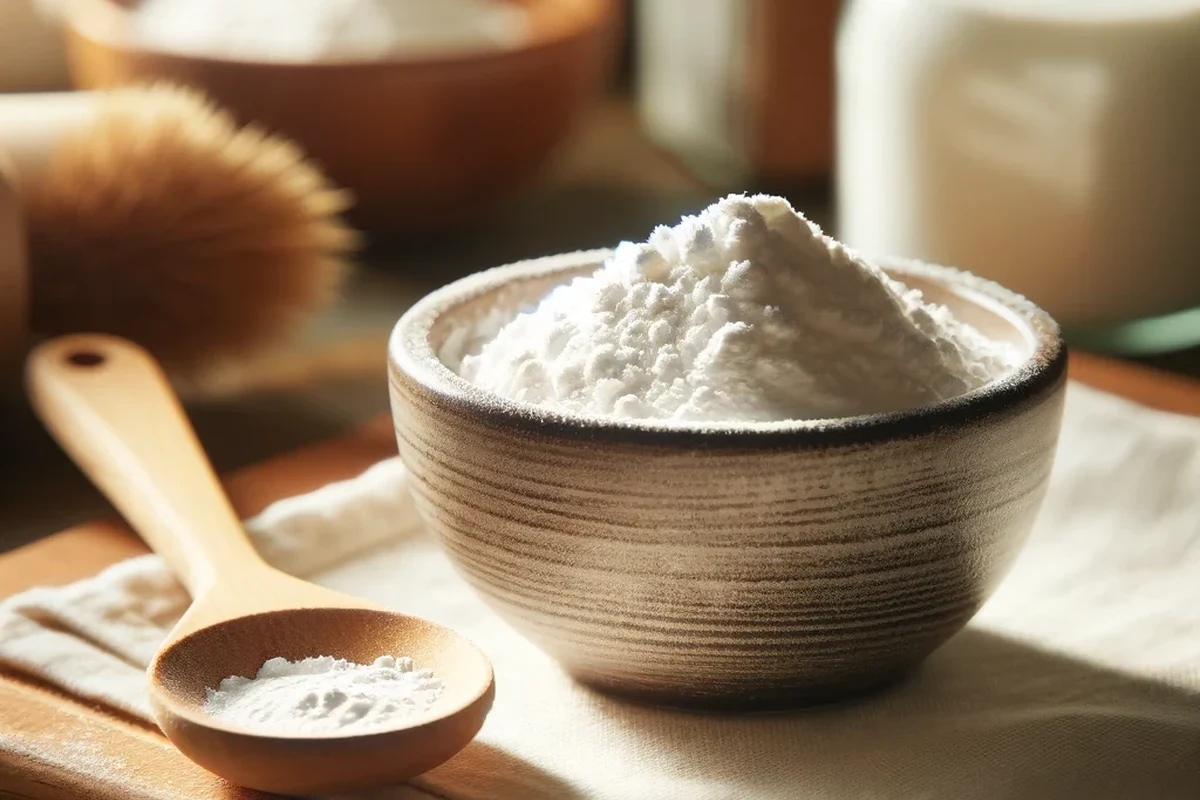
Shelf life for baking soda is not just about whether a printed date has passed. In baking, the real question is whether the ingredient still performs the job you need it to do: release carbon dioxide when it meets an acid and heat, neutralize acidity, and support browning.
That is why a box can look fine and still be less reliable in a recipe. For a deeper look at ingredient behavior, see our guide to the baking soda and vinegar reaction, which shows why freshness matters in a simple, visible way.
Why baking soda expires by performance, not just by date
Baking soda is a stable chemical powder, so it does not spoil in the same way milk or eggs do. Instead, it can lose usefulness if it absorbs moisture, picks up odors, or gets contaminated by other ingredients.
That means a best-by date is a guideline, not a guarantee. A newer box stored badly may perform worse than an older box kept sealed and dry.
How storage conditions change how long baking soda lasts
Heat, humidity, and air exposure are the main reasons baking soda weakens. A pantry near the stove or dishwasher can be a poor choice because steam and warmth encourage clumping and odor absorption.
In a dry, cool cabinet, baking soda usually stays dependable much longer. In a damp kitchen or a classroom prep area with frequent opening and closing, it may need replacement sooner.
How Long Does Baking Soda Last Unopened and After Opening?
For most home bakers, unopened baking soda lasts a long time, often well beyond the date on the package if it has been stored properly. After opening, the clock is less about food safety and more about how well the powder keeps its strength.
Typical pantry shelf life for sealed boxes and bulk containers
Sealed baking soda commonly stays usable for years in a dry pantry. The exact time depends on package quality, storage temperature, and whether the container has been punctured, crushed, or exposed to humidity.
Bulk containers can also last well, but only if the lid closes tightly and the scoop stays dry. A loose cap or a spoon left inside can shorten freshness faster than the ingredient itself would suggest.
What changes once the package is opened
Once opened, baking soda starts interacting with the kitchen environment. It can absorb smells from onions, spices, garlic, and cleaning products, which does not always make it unsafe, but it can make it less pleasant and less predictable in baking.
It also clumps more easily after opening. Clumping is not automatic failure, but it is a sign the powder has been exposed to moisture.
How different brands and package types affect freshness
Original cardboard boxes are convenient and common, but they are not the best barrier against humidity after opening. Resealable plastic tubs and tightly closed jars often protect the powder better, especially in busy kitchens.
Some brands package baking soda in larger pantry-size containers, while others sell smaller boxes that are easier to use quickly. If you bake only occasionally, a smaller package may stay fresher simply because it is used before the powder has time to absorb kitchen moisture.
Baking soda and baking powder are not the same ingredient, and they do not age the same way in a recipe. If you want a clear comparison, our article on using baking soda instead of baking powder safely explains when substitutions work and when they do not.
Signs Your Baking Soda Has Lost Its Strength
The most useful signs are not dramatic. Old baking soda often looks normal at first glance, so you need to check for subtle changes in texture, smell, and reaction.
Visual and texture clues that are easy to miss
Look for hard clumps, a stale or dusty smell, and a powder that no longer feels light and free-flowing. If the box has been open for a long time and the powder has absorbed odors, it may still react in baking but can leave an off note in delicate recipes.
Color changes are less common, but any visible contamination, wet spots, or signs of insects mean it should be replaced right away.
The vinegar test and what a weak reaction actually means
A simple freshness check is to add a small spoonful of baking soda to a little vinegar or another acid. Fresh baking soda should fizz quickly and clearly because it is releasing carbon dioxide.
If the reaction is slow, weak, or barely visible, the powder may be old, damp, or partly contaminated. One weak test does not always mean the entire container is useless, but it does mean you should not rely on it for an important bake.
Do not taste-test baking soda straight from the container to judge freshness. Use a small amount in a separate bowl, and keep the main container away from wet utensils and shared scoops.
Common baking failures that point to old baking soda
When baking soda is weak, cookies may spread too much, quick breads may rise less, and cakes can feel denser than expected. You may also notice a less even crumb because the leavening does not begin strongly enough during mixing and baking.
If a recipe has enough acid and the rest of the method is correct, old baking soda is one of the first ingredients to suspect when the texture seems flat or heavy. For more on judging replacement timing, our guide on when baking soda expires and how to tell gives a practical breakdown.
Best Storage Practices to Make Baking Soda Last Longer
Good storage is the easiest way to extend usable life. Baking soda does not need refrigeration, but it does need protection from moisture, odor transfer, and heat.
Keeping moisture, odors, and heat away from the container
Store baking soda in a cool, dry cabinet away from the stove, sink, dishwasher, or oven vent. Every time the container is opened in a steamy kitchen, it has a chance to absorb moisture from the air.
Keep the scoop dry and never shake powder back into the container if it has touched wet ingredients. Even a little water can start clumping and shorten shelf life.
Choosing between original box, airtight jars, and labeled storage
The original box is fine for short-term use if you bake often and finish it quickly. For longer storage, an airtight jar or sealed plastic container usually gives better protection, especially in humid climates.
Label the container with the opening date if you keep multiple pantry staples in similar jars. That small habit helps you avoid guessing later, which matters in both home kitchens and baking classrooms.
Where to store baking soda in a home kitchen or baking classroom
In a home kitchen, the best spot is usually a high, dry shelf in a pantry or cupboard. In a classroom or shared bakery training space, it is wise to keep it clearly labeled and sealed because more hands mean more chances for moisture and cross-contamination.
If you use baking soda for cleaning as well as baking, keep a separate container for food use. That avoids confusion with products that may have absorbed cleaning odors or picked up nonfood residue.
If you bake only a few times a year, buy smaller boxes of baking soda and replace them more often. Smaller packages are easier to keep fresh than one large container that sits open for months.
How Baking Soda Works in Baking and Why Freshness Matters
Baking soda is a chemical leavener, which means it helps baked goods rise by creating gas inside the batter or dough. It also affects browning and flavor balance, especially in recipes with acidic ingredients.
Its role in leavening, browning, and flavor balance
When baking soda meets an acid such as buttermilk, yogurt, brown sugar, citrus, or vinegar, it produces carbon dioxide bubbles. Those bubbles expand in the oven and help create lift.
Baking soda also raises pH slightly, which can improve browning and reduce sharp acidity in certain recipes. Used in the right amount, it can make chocolate cookies taste rounder and quick breads look more evenly browned.
Baking soda works best when a recipe has enough acid to react with it. If there is not enough acid, the finished baked good can taste soapy or metallic and may brown too quickly.
When old baking soda can affect rise, spread, and texture
Fresh baking soda gives a recipe a predictable burst of gas early in mixing and again in the oven. If it is weak, that burst is smaller, so the batter may not set with the structure you expect.
That can mean less rise in cakes, flatter tops on muffins, or uneven spread in cookies. The effect is not always obvious in every recipe, but it is easiest to notice in bakes that rely heavily on soda for lift.
Practical examples from cookies, cakes, and quick breads
In cookies, weak baking soda may change spread and browning, leaving them paler or more compact than intended. In cakes, especially those with acidic dairy or cocoa, the crumb can turn tighter and less tender.
Quick breads such as banana bread or soda bread depend on reliable leavening for a good rise, so old soda can make them feel dense even when the mixing method is correct. For that reason, freshness matters more in these recipes than in dishes where baking soda is used only in a small amount for cleaning or odor control.
Common Mistakes That Make Baking Soda Seem “Bad” Too Soon
Sometimes the ingredient is not the problem. A recipe can fail for other reasons that look like expired baking soda, so it helps to check the basics before throwing the container away.
Confusing baking soda with baking powder
Many baking problems start with using the wrong leavener. Baking soda needs acid to work well, while baking powder already contains its own acid component and behaves differently in recipes.
If you want to compare them directly, our article on whether baking soda and baking powder are the same can help you avoid that common mix-up.
Using damp measuring tools or contaminated scoops
A wet spoon can start clumping the powder, and a scoop used in another ingredient can introduce moisture or crumbs. That contamination may make the baking soda seem old even when the main container is still fairly fresh.
Use a clean, dry measuring spoon every time, and close the lid right after measuring. In a shared kitchen, this simple habit prevents most storage problems.
Mixing up expiration dates, lot codes, and best-by labels
Best-by labels are about quality, not a hard safety cutoff. Lot codes are for tracking production, and they are not the same as a freshness date.
For baking soda, a printed date should be treated as a guide. The real test is whether the powder still fizzes well and performs in your recipe.
Your cookies are flatter, your quick bread is denser, or the soda barely fizzes in vinegar.
Check storage conditions, test a small amount in acid, and replace the container if the reaction is weak or the powder smells stale.
When to Replace Baking Soda and How to Decide in 2026
The simplest rule is this: replace baking soda when it no longer reacts strongly, when it has absorbed odors, or when it has been stored open in poor conditions for a long time. If you bake often, you may never notice a problem because you use it before it ages much.
Simple replacement rules for home bakers and students
For home bakers, a practical approach is to mark the opening date and test the powder if it has been sitting for many months. For baking students, it is smart to treat opened baking soda like a pantry ingredient that should be checked regularly rather than assumed to be fresh forever.
If you are building a classroom pantry, rotate older containers forward and keep new stock sealed until needed. That habit reduces waste and makes recipe results more consistent.
When it is still safe to use versus when it is not worth the risk
Baking soda is generally not a food safety risk just because it is old. The bigger issue is performance, plus contamination from moisture, odors, or dirty utensils.
If the powder is dry, clean, and still fizzes strongly, it is usually still usable. If it is damp, smells odd, or gives a weak reaction, it is usually not worth trusting in an important recipe.
Final recap: how long baking soda lasts and the smartest way to keep it reliable
So, how long does baking soda last? Unopened baking soda can stay useful for a long time, and opened baking soda can still last well if it is kept dry, sealed, and away from odors and heat. The best habit is to store it carefully and test it before a recipe that depends on a strong rise.
If you want the most reliable results, keep one container for baking only, measure with dry tools, and replace any box that has lost its fizz. That small routine saves time, reduces baking failures, and keeps your pantry more predictable.
If a baking soda container has been exposed to water, pests, or obvious contamination, discard it. When in doubt, choose a fresh container rather than risking a recipe that depends on accurate leavening.
Frequently Asked Questions
Add a small amount to vinegar or another acid. Fresh baking soda should fizz quickly and strongly.
It does not spoil like perishable food, but it can lose strength after opening if it absorbs moisture or odors. Proper storage helps it last much longer.
You can use it if it still fizzes strongly and has been stored clean and dry. If the reaction is weak, replace it for better baking results.
Keep it in a cool, dry cabinet in a tightly closed container. Avoid storing it near the stove, sink, or dishwasher.
The issue may be the wrong leavener, a measuring error, or not enough acid in the recipe. Oven temperature, humidity, and mixing method can also affect the result.
It is usually still safe, but odor absorption can affect flavor in baking. If the smell is strong or unpleasant, replace it.
