
Baking Soda Lemon Juice Uses Benefits and Tips
Baking soda lemon juice works by creating a fast acid-base reaction that can help lift batters and brighten flavor. It is useful when the recipe is balanced, but it can fail if mixed too early or used in the wrong formula.
Baking soda lemon juice is a simple kitchen combination, but it only works well when you understand what each ingredient is doing. In baking, it can help with lift, flavor, and color; in cleaning, the fizz is useful, but the reaction is short-lived.
- Reaction: Baking soda and lemon juice create carbon dioxide, which can add quick lift.
- Balance: The recipe must contain enough acid to neutralize the soda cleanly.
- Timing: Mix and bake promptly so the rise happens in the oven, not the bowl.
- Flavor: Too much soda tastes soapy; too much lemon can make batter overly tart and.
- Best use: This pairing works best in quick breads, muffins, cupcakes, and demonstrations.
What Baking Soda and Lemon Juice Actually Do in Baking and Cleaning
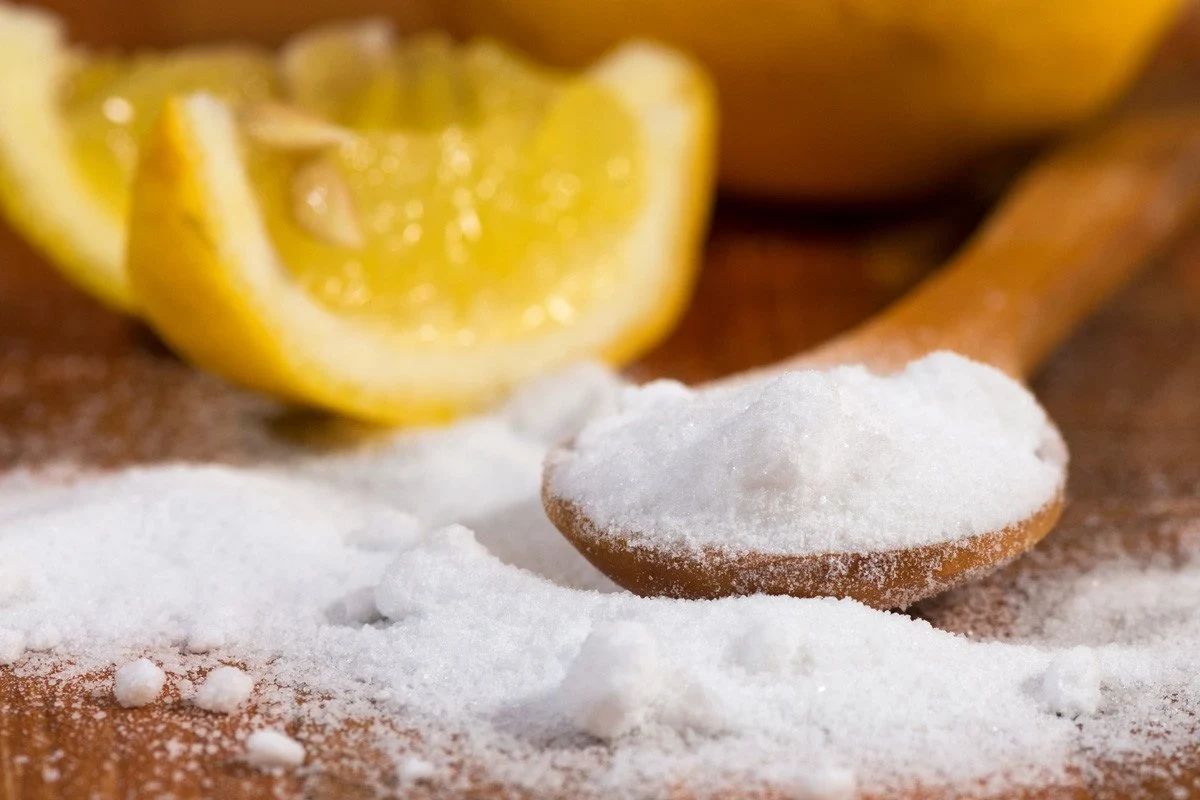
Baking soda is an alkaline ingredient, while lemon juice is acidic. When they meet, they react quickly and release carbon dioxide gas, which creates fizz and can add temporary lift to batters or help loosen residue on surfaces.
That same reaction is why this pairing shows up in both pastry kitchens and home cleaning routines. If you want a deeper look at the gas-producing side of the reaction, our guide to the baking soda and vinegar reaction explained simply covers the same basic science with another acid.
How the acid-base reaction creates fizz, lift, and residue
When baking soda meets lemon juice, the acid neutralizes the soda and releases bubbles of carbon dioxide. In a batter, those bubbles can expand in the oven and help the finished product rise.
The catch is that the reaction starts as soon as the ingredients combine. If the batter sits too long, some of the gas escapes before baking, which means less lift in the final crumb. The reaction also leaves behind salts and water, so the balance of ingredients matters for taste and texture.
Why this combination is useful in pastry kitchens and home baking
Pastry students often learn this pairing because it shows how acidity affects structure, flavor, and browning. It is a useful teaching tool for understanding why some recipes need baking soda, why others need baking powder, and why a recipe can go flat if the chemistry is off.
It is also practical in everyday baking when a formula already contains an acidic ingredient, such as yogurt, buttermilk, sour cream, molasses, citrus, or natural cocoa. If you are comparing leaveners, our article on using baking soda instead of baking powder safely explains when substitution works and when it does not.
Use baking soda lemon juice as a chemistry lesson first and a recipe tool second. The best results come from recipes that already need both acidity and quick lift.
Best Uses for Baking Soda Lemon Juice in Baking Pastry Schools Lessons
In a pastry classroom, this mixture is most useful when the lesson is about reaction timing, acidity, and texture. It is not a universal shortcut for all baked goods, but it can be helpful in specific formulas and demonstrations.
Leavening quick breads, muffins, and cupcakes when recipe acidity is present
Quick breads, muffins, and some cupcakes often contain enough acid for baking soda to work properly. Lemon juice may be part of the recipe itself, or the batter may already include another acidic ingredient that makes soda appropriate.
The key is that the recipe must be balanced. Too little acid leaves a soapy or metallic taste, while too much acid can make the crumb too soft or overly tart.
Brightening flavors in glazes, syrups, and fruit fillings
Lemon juice can sharpen the flavor of glazes, syrups, and fruit fillings, especially when the base is sweet. A small amount can make berries taste fresher and keep a pastry from tasting flat.
Baking soda is not usually used for flavor in these applications, but a tiny amount may be used in a controlled recipe to tame excess acidity. That is a precision move, not a general habit, because even a small measuring error can change the taste quickly.
When instructors use the mixture for demonstrations instead of finished pastry formulas
Instructors often use baking soda lemon juice for demonstrations because the bubbles appear fast and clearly. Students can see the reaction, observe the timing, and connect the visual fizz to oven spring or surface cleaning.
For finished pastries, though, instructors usually prefer complete formulas with the correct leavener already built in. That keeps the lesson focused on balance rather than improvisation.
Lemon juice is not interchangeable with every acidic ingredient. Its water content, flavor strength, and acidity level can vary by brand, freshness, and whether it is bottled or freshly squeezed.
Correct Ratios, Measuring Tips, and Method for Reliable Results
There is no single perfect ratio for every recipe, because the right amount depends on the batter’s total acidity, moisture, and intended texture. Still, a few practical rules can help beginners avoid common mistakes.
How much baking soda to use with lemon juice in common baking scenarios
In many recipes, baking soda is used in small amounts, often measured in fractions of a teaspoon, because it is powerful. Lemon juice may be added in teaspoon or tablespoon amounts depending on the formula, but the exact balance should come from the recipe rather than guesswork.
A useful rule of thumb is to keep the soda amount aligned with the total acid in the batter, not just the lemon juice alone. If the recipe already includes buttermilk, yogurt, brown sugar, honey, cocoa, or another acid, that changes the calculation.
- Measure with proper spoons, not kitchen spoons
- Check whether the recipe already contains acidic ingredients
- Use fresh baking soda for the most reliable reaction
- Preheat the oven before mixing if the batter depends on quick lift
Timing the reaction so lift happens in the oven, not in the bowl
For best results, mix baking soda into the dry ingredients and lemon juice into the wet ingredients until the last practical moment. Then combine, portion, and bake promptly.
If you stir too early, the bubbles form and escape before heat can set the structure. That is one of the most common reasons a batter looks lively in the bowl but bakes up dense.
Measure ingredients first, preheat the oven, and line pans before combining the acid and soda.
Get the batter into the oven quickly so the gas expansion happens while the structure is setting.
Cool enough for the crumb to finish setting before slicing, frosting, or filling.
How to scale the mixture for small test batches and classroom practice
For classroom practice, small batches are safer and more informative than large ones. A test batch makes it easier to judge rise, flavor, and crumb without wasting ingredients.
When scaling down, keep the same ratio of acid to soda and measure carefully. Tiny amounts are easy to overdo, so use accurate measuring spoons and avoid rounding up unless the recipe specifically allows it.
Do not assume “a little extra” baking soda will improve lift. Too much soda can leave a bitter, soapy taste and may weaken the crumb instead of helping it.
How Ingredient Roles Affect Texture, Browning, and Flavor
This pairing changes more than rise. It also affects how the pastry spreads, how tender the crumb feels, how brown the surface gets, and how the finished flavor reads on the palate.
Baking soda’s impact on spread, tenderness, and color
Baking soda raises pH, which can soften gluten development slightly and encourage browning. That is why cookies or cakes with the right amount of soda may spread a bit more and take on a deeper color.
Used correctly, it can create a tender, lighter crumb. Used incorrectly, it can make the texture coarse or leave an off flavor that is hard to cover.
Lemon juice’s acidity, moisture, and flavor contribution
Lemon juice brings acid, liquid, and a bright citrus flavor. In a glaze or filling, it can make sweetness taste cleaner and less heavy.
Because it adds moisture, it can also loosen a batter or filling. That is helpful in some formulas and harmful in others, especially if the recipe already has a high liquid content.
How too much of either ingredient changes crumb, taste, and appearance
Too much baking soda can darken the surface too quickly, create a coarse crumb, and leave a bitter aftertaste. Too much lemon juice can make the batter overly wet, sharply tart, or weak in structure if the balance is not adjusted.
The best pastry results come from restraint. The goal is not to make the batter fizz as much as possible; the goal is to create the right reaction for the formula.
Common Mistakes Students and Home Bakers Make with This Combination
Most failures with baking soda lemon juice come from substitution errors, poor timing, or ignoring the recipe’s overall balance. These mistakes are common because the reaction is visible, which can make it seem simpler than it is.
Using lemon juice as a direct substitute for all acidic ingredients
Lemon juice can replace some acid in a formula, but it is not a universal substitute for buttermilk, yogurt, sour cream, or cream of tartar. Those ingredients behave differently because they bring different amounts of water, fat, solids, and tang.
If you change one ingredient, you often need to adjust the rest of the formula as well. Otherwise, the batter may be too loose, too sharp, or too weak to hold its shape.
Adding too much baking soda and creating a soapy aftertaste
Excess soda is one of the fastest ways to ruin a delicate pastry. The taste can be sharp, alkaline, or soapy, and the crumb may look darker than expected.
If a recipe tastes off after baking, the soda amount is often the first thing to check. The second thing is whether the acid level was strong enough to neutralize it.
Mixing too early and losing the reaction before baking
Once the acid and soda meet, the reaction begins right away. If you let the batter sit on the counter, you lose some of the gas that should have helped the bake rise.
This matters most in small cakes, muffins, and quick breads, where oven spring is part of the finished texture. For that reason, many instructors teach mise en place before combining wet and dry ingredients.
Ignoring recipe balance in cakes, scones, and cookies
Cakes, scones, and cookies each need different levels of spread, tenderness, and lift. A soda-and-lemon approach that works in one formula may fail in another.
If you are unsure, compare the recipe’s acid sources and leavening system before making changes. That habit is more reliable than trying to force the same trick into every dough or batter.
- Match the soda to the recipe’s total acid
- Mix and bake quickly when lift matters
- Use accurate measuring tools
- Guessing at the ratio
- Using extra soda for “more rise”
- Letting the batter sit too long before baking
Troubleshooting Flat, Dense, Bitter, or Overly Tart Results
When baking soda lemon juice does not behave as expected, the problem is usually a ratio issue, ingredient quality issue, or timing issue. Careful observation can tell you which one is most likely.
Signs the batter needs more acid or less soda
If the baked item tastes soapy, chalky, or oddly alkaline, there may be too much baking soda or too little acid. If it rises quickly and then collapses, the structure may have been pushed too far before it set.
If the result is flat and tight, the recipe may not have enough acid to activate the soda fully, or the batter may have sat too long before baking.
How to adjust for weak lemon juice, old baking soda, or inaccurate measuring
Fresh lemon juice is usually brighter and more reliable than juice that has sat open for a long time. Baking soda also loses effectiveness over time if it is stored poorly or exposed to moisture.
If you suspect old baking soda, check freshness before relying on it in an important batch. If measuring was inaccurate, remake the formula with proper spoons and level measurements rather than trying to correct the baked result after the fact.
Practical classroom examples of fixing failed batches
If a muffin batch is dense, an instructor may look first at whether the soda and lemon were mixed too early or whether the oven was underheated. If cookies are too dark and bitter, the likely issue may be excess soda or too much acid imbalance in the dough.
In a teaching kitchen, the best fix is often to bake a second small batch with one controlled change. That makes the cause easier to identify than changing several variables at once.
Dense muffins with little rise.
Check oven preheat, measure fresh ingredients, and combine wet and dry ingredients just before baking.
Storage, Safety, and Kitchen Handling Tips for 2026
Good storage and sanitation matter because both ingredients are common in shared kitchens. Lemon juice is perishable, and baking soda can lose strength if it absorbs moisture or odors from the storage area.
How to store baking soda and fresh lemon juice for best performance
Store baking soda in a sealed container away from strong odors and moisture. For baking use, it is best to keep it dry and replace it if it seems clumpy or weak.
Fresh lemon juice should be refrigerated and handled like other perishable kitchen ingredients. If you are unsure about storage or safe holding times, follow manufacturer labels and recognized food safety guidance such as USDA or FDA recommendations for refrigeration and cross-contamination prevention.
Food safety and sanitation when using citrus in shared training kitchens
In shared kitchens, wash hands, sanitize cutting boards, and keep citrus prep separate from ready-to-eat foods. Juice splashes can spread onto nearby surfaces, so clean the area promptly.
If your recipe includes eggs, dairy, or raw flour, follow standard food safety practices for those ingredients as well. Citrus does not remove the need for proper sanitation.
Be careful when squeezing citrus near sharp tools, mixers, or hot pans. Wet hands and slippery countertops can lead to cuts, spills, or burns.
When lemon juice is not the best choice for sensitive equipment or long prep timelines
Lemon juice can be a poor choice if a batter must sit for a long time before baking. The reaction fades too soon, and the final bake may lose volume.
It may also be less ideal when a recipe needs a very neutral flavor or when acidic liquid could affect delicate equipment finishes or metal-reactive ingredients. In those cases, a different acid or a double-acting leavener may be the better fit.
Final Verdict: When Baking Soda Lemon Juice Is Worth Using and When to Choose Another Approach
Baking soda lemon juice is worth using when the recipe already needs acidity, quick lift, or a bright citrus note. It is especially useful for teaching reaction timing, because students can see how chemistry affects structure in real time.
For pastry students, instructors, and home bakers, the best decision is to use this combination only when the formula supports it. If the recipe needs a more predictable rise, a longer holding time, or a milder flavor, baking powder, cream of tartar, or another acid source may be the better choice. If you want a broader comparison of leavening options, our guide to whether baking soda and baking powder are the same is a helpful next read.
Use baking soda lemon juice when you need a fast acid-base reaction and the recipe is designed to handle it. Choose another leavener when you need more stability, less tartness, or a formula that can sit before baking.
Frequently Asked Questions
Sometimes, but only in recipes that already have enough acid and do not need a long holding time. Baking powder is usually more reliable when the recipe is not built around an acid-base reaction.
The bubbles likely escaped before the batter reached the oven. This usually happens when the batter sits too long, the oven is not fully preheated, or the ratio is unbalanced.
Common signs include a soapy or bitter taste, darker color, and a crumb that seems coarse or weak. If that happens, reduce the soda and make sure the recipe has enough acid to balance it.
Yes, but the flavor and acidity can differ from fresh juice, so results may vary. For important recipes, check the label and expect some variation from brand to brand.
Keep baking soda sealed and dry, away from moisture and odors. Refrigerate fresh lemon juice and follow food safety guidance for perishable ingredients.
Cream of tartar, yogurt, buttermilk, or another acid may work better when the recipe needs a different flavor, more stability, or less liquid. The best choice depends on the formula and the final texture you want.

