How to Polish Silver with Baking Soda for a Brilliant Shine
Baking soda can polish many silver pieces by gently lifting tarnish or helping with an aluminum-foil soak for heavier buildup. Use a soft touch, rinse well, and avoid delicate, coated, or stone-set items unless you test first.
If you want to polish silver with baking soda, the method is simple, affordable, and effective for many everyday pieces. The key is using the right technique so you remove tarnish without scratching the finish or damaging delicate details.
- Best method: Use a baking soda paste for light tarnish and a foil bath for heavier.
- Safety first: Avoid aggressive scrubbing, especially on plated, antique, or decorated silver.
- Finish matters: Rinse and dry completely so residue does not leave a cloudy film.
- Test carefully: Always check a hidden spot on items with coatings, glue, stones, or enamel.
What Baking Soda Does to Tarnished Silver and Why It Works
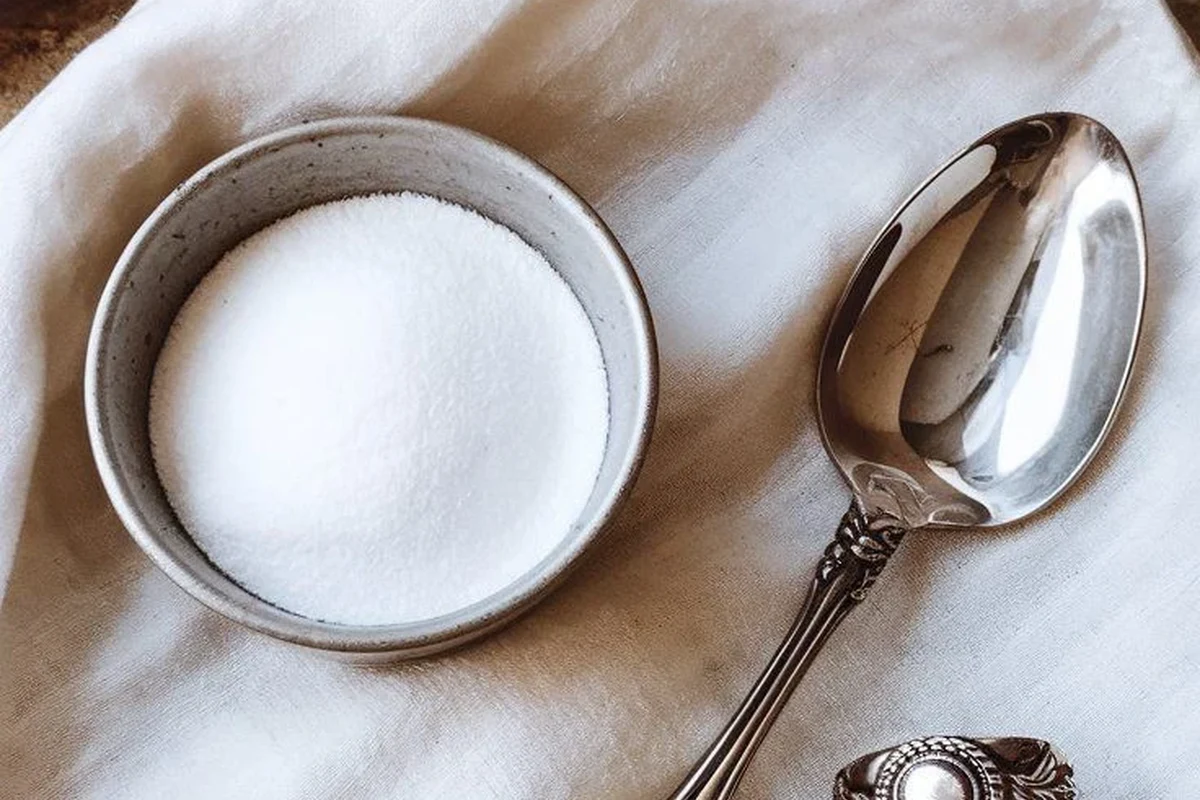
Baking soda helps silver in two different ways: as a mild abrasive for light tarnish and, when paired with aluminum, as part of a chemical reaction that can reduce heavier tarnish. Tarnish is usually silver sulfide, which forms when silver reacts with sulfur compounds in the air.
That means you are not “washing dirt” off silver so much as removing or reversing a thin surface layer of discoloration. For a broader look at how this ingredient behaves in cleaning, see our guide to the baking soda reaction explained simply.
The gentle abrasive action that lifts surface tarnish
When you mix baking soda with a little water, you get a paste with a fine texture. That texture can loosen light tarnish and residue from handled pieces like forks, spoons, and serving utensils.
The important word is gentle. Baking soda is less aggressive than many commercial powders, but it can still leave micro-scratches if you scrub hard or use too dry a paste.
How the baking soda and aluminum reaction helps on heavily tarnished pieces
For heavier tarnish, silver can be cleaned in a bath lined with aluminum foil and filled with hot water, baking soda, and sometimes salt. In that setup, the silver and aluminum create a transfer reaction that helps move tarnish off the silver and onto the foil.
This method is especially useful when a piece is dark but not physically dirty. It is also a good example of why baking soda is more than a baking ingredient; it can change chemical conditions in useful ways.
When baking soda is appropriate and when it is not
Baking soda is a good choice for sterling silver, many silver-plated items, and plain silver pieces with moderate tarnish. It is also practical when you want a low-cost cleaning method for items you use often.
It is not the best choice for silver with soft gemstones, pearls, glued decorations, lacquered finishes, or mixed materials that could be damaged by water or abrasion. If you are unsure, stop and choose a safer cleaning method.
Tarnish often builds faster in humid rooms, airtight containers with sulfur-containing materials, or areas where silver is stored with rubber, felt, or certain papers.
Supplies You Need for Safe Silver Polishing at Home
You do not need a long list of tools to clean silver well. The safest setup is usually the simplest one, with soft materials and a nonreactive container.
Choosing the right baking soda, water, and soft cloths
Use plain baking soda, clean water, and soft cloths such as microfiber or lint-free cotton. The cloth should feel smooth in your hand, not rough or scratchy.
If you need a reference point for baking soda quality and storage, our guide to baking soda expiration and replacement can help you decide when a box is still fresh enough for household use.
When to use aluminum foil, a nonreactive bowl, or a polishing tray
For the soaking method, line a bowl or tray with aluminum foil, shiny side up if you prefer, then place the silver so it touches the foil. Use a nonreactive bowl, such as glass or ceramic, so the container itself does not interfere with the process.
For paste polishing, a small bowl is enough. Keep the bowl away from metal containers that could react or scratch the item during handling.
Optional extras: cotton swabs, microfiber, and gloves
Cotton swabs help clean small carved areas, around handles, or near decorative edges. Microfiber cloths are useful for final buffing because they pick up residue without leaving much lint behind.
Gloves are optional, but they can help keep fingerprints off freshly cleaned silver. That matters because oils from your hands can speed up the return of dull spots.
Step-by-Step Method to Polish Silver with Baking Soda
The best method depends on the level of tarnish. Light tarnish usually responds well to a paste, while darker pieces may need the foil-and-soak method.
Preparing the silver by removing dust, grease, and loose residue
Before you polish, rinse the piece with lukewarm water if it is safe to do so, then dry it lightly. If the item has fingerprints, food residue, or greasy buildup, wipe that off first with a soft cloth and a small amount of mild soap if needed.
This prep step matters because rubbing grit into silver can create dullness. A clean surface also helps you see whether the tarnish is actually gone or just covered by residue.
- Check whether the piece has stones, enamel, glue, or lacquer.
- Wash off loose dirt and food residue first.
- Gather a soft cloth, baking soda, and clean water.
- Choose a nonreactive bowl if you plan to soak the item.
Mixing a polishing paste for light tarnish
For light tarnish, mix baking soda with just enough water to make a spreadable paste. It should feel creamy, not dry and sandy. If it looks crumbly, add a few drops of water at a time.
Apply the paste with your fingers or a soft cloth using small circular motions. Let the paste do the work; do not press hard, especially on engraved or polished surfaces.
If the paste starts to dry on the silver, add a little water to the cloth instead of scrubbing harder. A damp, smooth paste is less likely to leave streaks.
Using the soaking method for deeper tarnish
Line a bowl or tray with aluminum foil, then place the silver on the foil so it touches the metal. Add baking soda and pour in hot water, enough to cover the item or reach the tarnished areas.
Let the piece sit until the tarnish loosens. The exact time depends on how dark the silver is, the size of the item, and how much contact it has with the foil. Check it periodically rather than leaving it unattended for too long.
Use care with hot water, especially on thin handles, glued parts, or mixed-material items. Hot water can loosen adhesives, and metal edges may become uncomfortable to handle.
Rinsing, drying, and buffing to a bright finish
After polishing or soaking, rinse the silver thoroughly with clean water if the item allows it. Any baking soda residue left behind can dry into a chalky film and make the surface look cloudy.
Dry the piece right away with a soft towel, then buff it with a microfiber cloth until it shines. A final buff is often what brings back the clean, reflective look people want from silver.
If you still see dark areas after the first round, repeat the process gently rather than switching to a harsher scrubber. Multiple light passes are usually safer than one aggressive one.
How to Tailor the Method for Different Silver Items
Not every silver item should be treated the same way. Shape, finish, and construction all affect how safely you can use baking soda.
Flatware, serving pieces, and everyday tableware
Flatware and serving pieces are usually the easiest items to clean because their surfaces are broad and easy to rinse. A paste works well for light tarnish, while the foil bath is useful for forks, spoons, trays, and serving utensils with heavier discoloration.
Be careful with hollow-handled pieces or items with glued joins. Too much soaking can create problems where the handle meets the working end.
Jewelry, chains, and pieces with small crevices
Jewelry often has tiny spaces where paste can hide. Chains, filigree, and charm bracelets may need cotton swabs or a soft brush to remove residue from links and corners.
If the piece contains stones, pearls, or adhesive settings, avoid soaking unless you know the materials can handle it. A quick wipe with a barely damp cloth is often safer.
Silver-plated items versus sterling silver
Sterling silver is solid silver alloy, while silver-plated items have a thin silver layer over another metal. Baking soda can be used on both in many cases, but plated items need a lighter touch because the silver layer is thinner.
If a plated piece is already worn, scratched, or showing base metal, aggressive rubbing can make the damage more visible. In that case, gentler cleaning is the better choice.
Antique, engraved, or delicate decorative silver
Antique silver often has details that collectors value, including darkened recesses or natural patina. Overpolishing can remove that character and flatten the contrast in engraved patterns.
For decorative pieces, work slowly around raised edges and use a soft cloth rather than an abrasive pad. If the item is valuable or historically important, professional cleaning may be the safer route.
- Affordable and easy to find
- Works well for light to moderate tarnish
- Useful for many everyday silver items
- Can scratch if used too aggressively
- Not ideal for stones, lacquer, or glued parts
- May remove desirable patina on antiques
Common Mistakes That Can Scratch or Dull Silver
Most silver-cleaning problems come from rushing. Baking soda is helpful, but the wrong application can leave the item looking worse than before.
Using too much pressure or an overly gritty paste
A paste that is too dry can feel sandy and drag across the metal. That is when small scratches become more likely, especially on polished serving pieces.
Use light pressure and keep the paste smooth. If the silver is still dark, repeat the process instead of pressing harder.
Polishing over stones, pearls, enamel, or glued parts
Decorative materials do not always react well to water, abrasion, or heat. Pearls, some gemstones, enamel, and glued embellishments can loosen, cloud, or scratch.
When an item has mixed materials, clean only the silver-safe sections and protect the rest. If that is difficult, choose another cleaning method.
Skipping the rinse and leaving residue behind
Baking soda residue can dry into a white film that makes silver look hazy. That is a common reason people think the polish “did not work.”
Rinse well and dry completely. The final buff should happen only after all residue is gone.
Overcleaning pieces that need their natural patina
Some silver items are meant to show age in the recessed areas. If you clean every dark line away, the piece can lose depth and character.
That does not mean you should leave heavy grime on the item. It means you should decide whether you want a bright mirror finish or a softer, aged look before you start.
The silver looks cloudy after cleaning.
Most often, this means baking soda residue is still on the surface. Rinse again, dry fully, and buff with a clean microfiber cloth.
Safety Tips and When to Avoid Baking Soda on Silver
Silver care is simple, but it still deserves the same caution you would use with any household cleaning task. A little planning protects both the item and your sink, counters, and hands.
Protecting hands, sink surfaces, and surrounding finishes
Wear gloves if your skin is sensitive or if you plan to handle several pieces. Keep the work area clear, and avoid letting hot water splash onto finished counters or nearby appliances.
If you are cleaning in a sink, use a basin or towel to protect delicate surfaces from accidental knocks. Silver can dent, and sinks can scratch.
Why some oxidized, lacquered, or mixed-material items need another method
Some silver items are intentionally darkened in recessed areas, and others have protective coatings. Baking soda can interfere with those finishes or remove the look the maker intended.
Mixed-material items are especially tricky because each material reacts differently. When in doubt, use the gentlest possible method or follow the manufacturer’s care instructions if available.
How to test a small hidden area first
Before cleaning a new or valuable piece, test a small hidden spot such as the back of a handle or underside of a base. Look for color change, dulling, streaking, or any sign that the surface is reacting badly.
If the test spot looks fine, continue slowly. If it does not, stop and switch methods.
Do not use baking soda on silver items if you are unsure about coatings, glued decorations, or fragile finishes. A quick test spot is safer than trying to fix damage later.
How to Keep Polished Silver Shining Longer
Cleaning silver is only part of the job. Storage and handling habits matter just as much if you want the shine to last.
Proper drying and storage to slow future tarnish
Moisture speeds up tarnish, so dry every piece fully before putting it away. Store silver in a dry place, ideally in anti-tarnish cloth, felt, or a lined box made for silver storage.
Avoid storing silver with rubber bands, newspapers, or materials that may release sulfur compounds. Those materials can make tarnish return faster.
Simple maintenance habits after handling or serving
After using silver for serving or dining, wipe it with a soft cloth before storage. Fingerprints, food acids, and moisture all leave behind a film that dulls the finish.
For pieces used often, a quick wipe is usually enough between deeper cleanings. That routine keeps build-up from becoming a bigger project later.
How often to polish based on use and storage conditions
There is no single schedule that fits every household. Pieces used weekly may need light maintenance more often, while stored items may only need periodic polishing when tarnish appears.
Humidity, air quality, and storage materials all affect how quickly silver darkens. Check the pieces visually rather than polishing on a fixed schedule if they are not visibly tarnished.
If you store silver in a drawer, add a soft lining and keep the pieces separated. Less rubbing means fewer fine scratches over time.
Final Verdict: When Baking Soda Is the Best Choice for Silver Care
Baking soda is one of the best first-line options when you want to clean silver at home without spending much or using harsh products. It is especially useful for everyday flatware, serving pieces, and sterling silver with light to moderate tarnish.
Best-use scenarios for quick, affordable tarnish removal
Choose baking soda when the silver is plain, the tarnish is visible but not extreme, and the item does not include delicate add-ons. The paste method works well for spot cleaning, while the foil bath helps with deeper discoloration.
When a commercial silver polish or professional cleaning makes more sense
If the piece is antique, heavily detailed, lacquered, or set with fragile materials, a commercial polish designed for that item or a professional cleaner may be the safer option. That is also true when you are unsure about the finish or the piece has value beyond its appearance.
Practical recap for choosing the right approach for your silver
Use a baking soda paste for light tarnish, a foil-and-soak method for heavier tarnish, and a test spot whenever the item is delicate or unfamiliar. If the silver needs only a quick refresh, baking soda is usually the easiest place to start.
For related cleaning science, you may also find our guides on baking soda for oven cleaning and baking soda in laundry helpful. The same rule applies across the home: choose the gentlest method that still gets the job done.
If your goal is a simple, budget-friendly way to brighten silver, baking soda is often the right choice. Use a light touch, rinse well, and avoid delicate or coated items unless you have tested a hidden area first.
Frequently Asked Questions
Yes, for many plain silver pieces you can use baking soda when tarnish appears. Use a gentle touch and avoid frequent heavy scrubbing on delicate or antique items.
Use paste for light tarnish and the foil bath for darker tarnish. The best method depends on the item’s condition, shape, and whether it has stones, glue, or a special finish.
It can if the paste is too dry or you scrub too hard. Keep the mixture smooth and use soft cloths to reduce the risk of scratches.
Often yes, but plated items need a lighter touch because the silver layer is thin. If the plating is worn or damaged, test a hidden spot first.
Cloudiness usually means residue is still on the surface. Rinse thoroughly, dry the piece completely, and buff it with a clean microfiber cloth.
Avoid it on silver with pearls, soft stones, enamel, lacquer, glued parts, or uncertain finishes. For valuable antiques or mixed-material items, a professional cleaner may be safer.