
7 Smart Uses for Baking Soda in the Garden
Baking soda can help with mild garden mildew, light odor control, and simple cleaning jobs, but it is not a cure-all. Use it sparingly, test first, and switch to a stronger option when the problem is more serious.
Baking soda in the garden is popular for a reason: it is inexpensive, easy to find, and useful in a few very specific situations. Used carefully, it can help with some fungal problems, light odor control, and basic cleaning jobs, but it is not a cure-all for plant health.
- Best use: Mild powdery mildew control and basic garden cleanup.
- Main limit: It will not replace real pest or disease treatment.
- Safety first: Too much baking soda can burn leaves or leave residue.
- Smart approach: Pair it with airflow, pruning, and good watering habits.
Why Baking Soda Still Matters in the 2026 Garden
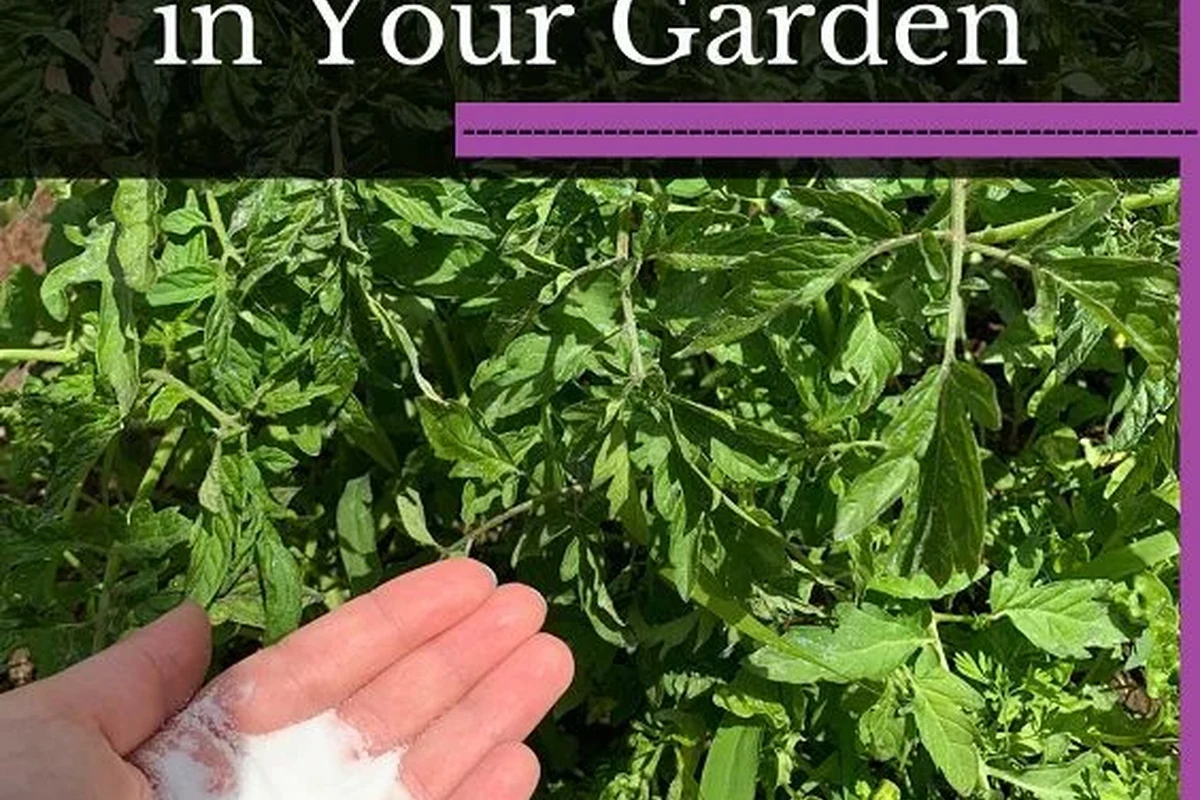
Gardeners keep coming back to baking soda because it offers a simple, low-toxicity option for small problems. It can be part of a practical routine, especially when you want to avoid reaching for stronger products too quickly.
What baking soda can and cannot do for plants, soil, and pests
Baking soda is sodium bicarbonate. In the garden, it may change the surface environment on leaves or around odors, but it does not act like a fertilizer, a soil amendment, or a complete pest treatment. It can help in limited cases, yet it will not fix poor drainage, compacted soil, heavy insect infestations, or advanced disease.
If you are thinking about it as a cleaning or deodorizing helper, it behaves much more predictably. If you are thinking about it as a plant treatment, results depend on the plant, the weather, the mix, and how early you catch the problem. That is why it is best used as one tool, not the whole plan.
Why gardeners keep searching for low-cost, low-toxicity solutions
Many home gardeners want a solution that is affordable, easy to mix, and less harsh than some synthetic options. They also want something they can use quickly between watering, pruning, and harvesting tasks. That practical need is a big reason baking soda keeps showing up in garden advice.
For comparison, it helps to think the way bakers think about leavening: the right ingredient can help in the right formula, but the wrong substitution can ruin the result. If you want a broader look at household chemistry, our baking soda and vinegar reaction explained simply article shows why mixing ingredients does not always create a stronger cleaner or treatment.
Always test any spray on a few leaves first. Wait a day or two before treating the whole plant so you can spot leaf burn or spotting early.
1. Use Baking Soda to Help Manage Powdery Mildew
Powdery mildew is one of the most common reasons gardeners reach for baking soda. This white, dusty fungal growth often shows up on leaves, stems, and sometimes fruit surfaces when conditions are warm, humid, and crowded.
How the mixture works on leaves and fungal growth
Baking soda can make the leaf surface less friendly to mildew growth. It does not “kill everything” in the way a strong fungicide might, but it may slow spread when the problem is caught early and the plant still has good airflow.
The surface effect matters more than the soil effect here. A light spray can help reduce visible growth, but the plant still needs better spacing, pruning, and watering habits to keep mildew from returning.
Suggested dilution ratios and when to spray
Common home-garden mixes vary, so verify instructions on any product label if you are using a commercial spray. A typical DIY approach uses a small amount of baking soda in water, sometimes with a drop of mild soap to help it stick to leaves. The exact ratio matters because too much can leave residue or stress tender foliage.
Spray in the early morning or late evening, not in strong sun. Cooler conditions reduce the chance of scorch and give the solution time to dry more evenly. Reapply only as needed, since frequent spraying can leave buildup on leaves.
Common mistakes that burn foliage or reduce effectiveness
The biggest mistake is using too strong a mix. Another common error is spraying stressed plants during heat, drought, or direct afternoon sun, when leaves are already vulnerable. Wetting the plant too heavily can also create runoff that does little for mildew control.
Important
Do not assume more baking soda means better results. Overuse can leave residue, raise surface alkalinity, and damage sensitive leaves, especially on young or thin foliage.
2. Use Baking Soda as a Mild Pest-Deterring Spray
Baking soda sometimes gets mentioned as a pest spray, but it should be treated as a light deterrent rather than a true insect control product. It may discourage some soft-bodied insects in limited situations, especially when combined with careful washing or physical removal.
Best use cases for aphids, ants, and soft-bodied insects
On a small scale, a light spray may make leaves less appealing to aphids or similar pests. It can also help wash away honeydew and surface grime that attract ants. For many gardeners, the practical benefit is less about killing insects and more about making the plant easier to manage.
That said, if insects are multiplying quickly or spreading across several plants, baking soda alone is usually too weak. In those cases, physical removal, insecticidal soap, or another targeted approach is more realistic.
Why baking soda is not a full pest-control replacement
Baking soda does not work like a systemic insecticide, and it does not provide long-lasting protection. Rain, watering, and new growth all reduce its effect. If you need dependable control, especially for recurring infestations, you will likely need a stronger and better-targeted option.
If you are comparing household ingredients, remember that some mixes are useful for cleaning but not for living plants. Our baking soda vinegar cleaning ovens guide is a good reminder that a product can be effective in one setting and inappropriate in another.
Safety notes for beneficial insects and pollinator areas
Be careful near flowers that attract bees and other pollinators. Even mild sprays can coat petals or disturb beneficial insects if applied directly. Aim at affected leaves only, and avoid spraying open blossoms whenever possible.
Spray coverage matters more than brute strength. A thin, even film on the right leaf surface is usually more useful than a heavy wet coating that drips off.
3. Use Baking Soda to Reduce Fungal Pressure on Garden Plants
Beyond powdery mildew, baking soda may help lower general fungal pressure in some garden settings. It is most useful when disease is still light and the plant environment can be improved at the same time.
Where it may help on roses, cucumbers, squash, and tomatoes
Roses, cucumbers, squash, and tomatoes are all plants gardeners often watch closely for fungal issues. Baking soda may be useful when you see early leaf spotting, a dusty coating, or conditions that encourage disease spread. It is not a cure, but it can fit into an early-response routine.
For plants that are already heavily infected, the best next step is usually pruning damaged growth, improving airflow, and removing badly affected leaves according to safe garden practice. If the disease is severe, a stronger product may be needed.
How weather, humidity, and airflow affect results
Humidity and poor airflow make fungal issues harder to control. A crowded bed, overhead watering, and damp evening leaves all work against you. Baking soda may help a little, but it cannot overcome a wet, still environment by itself.
Think of it like baking in a humid kitchen: the same formula behaves differently when the environment changes. Garden sprays are similar. The weather around the plant can make the difference between a helpful treatment and one that barely seems to work.
Signs the problem needs a stronger intervention
If leaves keep curling, yellowing, or dropping, the problem may be beyond a simple baking soda spray. Rapid spread, repeated regrowth of spots, or fruit damage are signs that you need a more serious plan. At that point, choose a product matched to the disease or ask a local extension service for guidance.
Garden disease control works best when you combine treatment with prevention: spacing, pruning, watering at the base, and removing infected debris.
4. Use Baking Soda to Freshen Garden Tools, Pots, and Surfaces
Baking soda is often more reliable as a cleaner than as a plant spray. It can help remove soil stains, mild odors, and residue from tools, pots, benches, and other garden surfaces without the harshness of some stronger cleaners.
Cleaning soil stains, residue, and odors without harsh chemicals
For dirty pots and hand tools, a paste or light scrub can loosen dried soil and mineral film. It also helps neutralize some odors in bins, storage corners, and damp areas. This makes it practical for cleanup after repotting, pruning, or compost handling.
If you are already familiar with baking soda as a household cleaner, this use will feel familiar. It is similar to how people use it for laundry or odor control, where the goal is to lift residue rather than disinfect a surface completely.
Best materials for use on metal, plastic, and ceramic
Baking soda is usually a good fit for plastic pots, glazed ceramic, and many hand tools. On metal, it can help with grime, but you should still dry the tool well afterward to limit rust. For delicate finishes, use a soft cloth or sponge instead of an abrasive scrub.
For more cleaning context, see our baking soda for smoke odors article, which shows how the ingredient absorbs and softens unwanted smells in another setting.
What to avoid so you do not scratch or corrode equipment
Avoid aggressive scrubbing on coated tools, painted surfaces, or anything with a finish that can scratch easily. Do not leave wet paste sitting on metal for long periods. Rinse and dry thoroughly so residue does not build up or cause corrosion over time.
5. Use Baking Soda to Test and Tweak Garden Soil Habits
Some gardeners use baking soda in rough home experiments to get a sense of whether soil may be acidic. This is not a precise method, but it can prompt better questions about plant choice and soil care.
What baking soda can suggest about acidic soil conditions
In informal testing, a reaction with baking soda may suggest acidic conditions. That does not give you an exact pH number, and it does not explain whether the issue is normal acidity, poor drainage, or another soil problem. It is only a clue.
Soil chemistry is more complex than a single fizz test. Organic matter, moisture, and mineral content all affect how plants perform, which is why one quick kitchen-style test should never be treated as a final answer.
Why it is not a substitute for a real soil test
A proper soil test is still the best way to understand pH and nutrient levels. Baking soda can suggest a direction, but it cannot replace a lab or reliable home test kit. If your plants are struggling, a real test gives you far better information for amending the soil safely.
How to pair this with pH testing for smarter plant choices
Use baking soda only as a rough clue, then confirm with a pH test before changing your planting plan. That way, you can match acid-loving or alkaline-tolerant plants to the soil you actually have. This is the garden version of checking ingredient ratios before changing a recipe.
6. Use Baking Soda to Help With Garden Odors, Compost Areas, and Pathways
Odor control is one of the most practical uses for baking soda in the garden. It can help freshen bins, lid edges, and damp corners where smells tend to build up.
Where it can reduce smell around bins, bins lids, and damp corners
A light sprinkle or open container nearby can help absorb some odor around compost bins, trash lids, and storage areas. It is most useful where moisture and organic residue create a stale smell. It will not eliminate every odor, but it can make the area more manageable.
How to apply it lightly without affecting soil balance
Use it sparingly and keep it in contained areas. A thin application on a surface is better than spreading it through beds or mixing it into the soil. In the garden, the goal is targeted cleanup, not changing the soil chemistry across a wide area.
Common overuse problems in beds, compost, and containers
Too much baking soda can leave white residue and may interfere with the balance of the area where you use it. In compost, heavy use is unnecessary and can work against the natural breakdown process. In containers, too much can stress roots if it keeps getting washed into the potting mix.
Keep baking soda dry and sealed between uses. A damp container clumps easily, and clumped powder is harder to measure accurately for sprays or cleaning mixes.
7. When Baking Soda in the Garden Is the Right Choice—and When It Is Not
Baking soda is best for small, early, and manageable problems. It is also useful for cleaning tools and freshening odor-prone spaces. When used with restraint, it can be a smart part of a home gardener’s routine in 2026.
Best practical scenarios for home gardeners in 2026
Choose baking soda when you need a low-cost option for mild mildew, light odor control, or simple cleanup. It works best when the plant is still healthy enough to recover and when you can improve airflow, watering habits, and spacing at the same time.
It is also a reasonable first step if you want to avoid stronger products until you know the problem is worth treating more aggressively. That cautious approach often saves time and reduces unnecessary spraying.
Situations that call for neem oil, horticultural soap, or professional help
If insects are spreading fast, use a more targeted product such as horticultural soap or neem oil, following the label carefully. If disease is severe, recurring, or affecting a large part of the garden, professional diagnosis may be the smarter choice. For edible crops, always follow recognized food safety and label guidance before spraying near harvest.
And if you are ever unsure whether a product is appropriate for a specific plant, check the manufacturer’s directions or local extension resources. That is especially important for young plants, stressed plants, and anything growing close to harvest.
Final recap: choosing safe, effective, and realistic uses for baking soda
The best way to think about baking soda in the garden is as a helper, not a miracle fix. It can support mildew control, mild odor cleanup, and basic maintenance, but it cannot replace good growing conditions or a true pest plan. For most gardeners, the smartest results come from using it lightly, testing first, and stopping when a better tool is needed.
- Low cost and easy to find
- Useful for mild mildew and odor control
- Handy for cleaning pots and tools
- Not a full pest or disease solution
- Can burn leaves if overused
- Works poorly in wet, crowded garden conditions
For readers who want to keep learning the ingredient science behind everyday household uses, our does baking soda expire and when to replace it guide can help you decide whether the box in your pantry is still worth using. Freshness matters in the kitchen, and it can matter in the garden too.
Frequently Asked Questions
Use a light dilution in water and test it on a few leaves first. Exact ratios vary by plant, weather, and whether you are treating mildew or just trying a mild deterrent.
Yes, especially if the mix is too strong or the plant is stressed by heat or drought. Spray in cooler parts of the day and avoid frequent heavy applications.
It may help with very light pest pressure, but it is not a full insect control product. For larger infestations, horticultural soap, neem oil, or another targeted treatment is usually more effective.
It can be used carefully on some edible plants, but you should always follow label directions and avoid spraying too close to harvest unless the product guidance allows it. When in doubt, check official extension or manufacturer advice.
It is usually better not to spread it broadly through garden soil. Baking soda is more useful as a targeted spray, cleaner, or odor helper than as a soil amendment.
For serious fungal or insect problems, use a product matched to the issue, such as horticultural soap, neem oil, or a labeled fungicide. If the problem is widespread, local extension help or a garden professional can be a better next step.

