Yes, baking soda can help reduce odors, especially mild ones in enclosed spaces like fridges and shoes. It works best after you clean the source of the smell and give it enough time.
Yes, baking soda can absorb and help control odors in many everyday situations, but it does not magically erase every smell. It works best on light to moderate odors and on surfaces or spaces where the odor source is already being cleaned or removed.
- Best at mild odors: Works well for everyday smells in small, enclosed spaces.
- Not a full fix: Strong, recurring, or hidden odors usually need cleaning first.
- Use it correctly: Open containers, enough contact time, and good placement matter.
- Replace as needed: Old or moisture-exposed baking soda loses usefulness.
- Kitchen-friendly choice: It helps reduce odors without adding heavy fragrance.
What Baking Soda Is and Why It’s Known for Odor Control
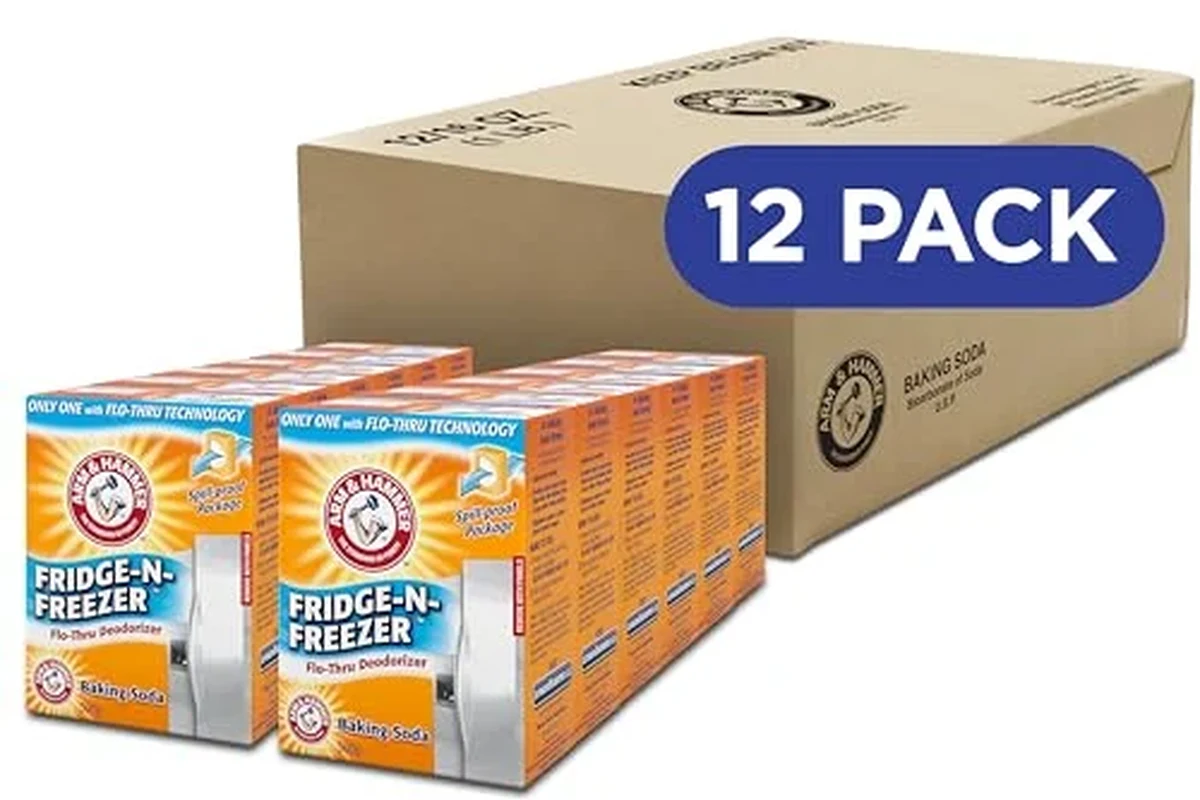
Baking soda is sodium bicarbonate, a mild alkaline powder that has long been used in kitchens for baking and cleaning. In odor control, its value comes from how it interacts with certain acidic odor compounds and moisture in the air.
In a baking kitchen, that matters because many smells come from food breakdown, sour dairy, grease, or fermentation byproducts. If you want a related look at how it behaves in other cleaning situations, our article on baking soda for smoke odors explains another common use case.
The science behind sodium bicarbonate and acidic odor molecules
Many unpleasant odors are caused by volatile compounds that float into the air and reach your nose. Some of those compounds are acidic, and baking soda can help reduce their sharpness by reacting with them or changing the pH around them.
That reaction does not mean every smell disappears instantly. It is closer to making the odor less noticeable than to removing a stain from fabric or scrubbing grease off a pan.
Baking soda is often more effective on odors that are mild, fresh, and spread through air or fabric than on odors caused by a hidden source like spoiled food or mold.
Why baking soda is different from masking sprays and scented fresheners
Sprays and scented fresheners usually cover a smell with another smell. Baking soda works differently because it helps reduce odor intensity instead of adding perfume on top.
That is why it is popular in refrigerators, shoes, trash bins, and cleaning routines where a clean, neutral smell is the goal. It is not a fragrance product, so the result is usually less dramatic but often more practical.
Does Baking Soda Absorb Odors or Just Neutralize Them?
The short answer is that people use “absorb” loosely, but baking soda mainly helps neutralize certain odors and can also trap some odor molecules on its surface. In everyday language, both ideas are part of why it seems to work.
What “absorb,” “adsorb,” and “neutralize” mean in everyday use
“Absorb” usually means a material pulls something into itself, like a sponge taking in water. “Adsorb” means particles cling to the surface of a material, which is closer to how baking soda behaves with some odors.
“Neutralize” means reducing the chemical strength of the odor-causing compound. For most home use, the practical answer is simple: baking soda can lessen odors, but it does not always remove the source.
How baking soda performs on weak, strong, and lingering smells
On weak odors, baking soda often works well enough to make a noticeable difference over time. In a fridge, pantry, or shoe, it may help the space smell less stale after a few hours or days.
On strong odors, it may only reduce the smell slightly. Lingering smells from grease, spoiled food, pet accidents, or mildew usually need cleaning first, and sometimes a stronger product or replacement of the affected item.
Common misconceptions that lead to disappointing results
One common mistake is expecting a small open box to overpower a large room. Another is assuming baking soda can fix an odor without removing the spill, leak, or food source causing it.
People also sometimes expect instant results. Odor control is usually gradual, especially when the smell has settled into fabric, grout, plastic, or porous surfaces.
- Low-cost and easy to keep on hand
- Useful for mild everyday odors
- Does not add heavy fragrance
- Not strong enough for every smell
- Slow to work in some situations
- Cannot replace deep cleaning
Best Real-World Uses for Baking Soda Odor Removal
Baking soda is most useful where odors are moderate, contained, and easy to reach. In a baking or home kitchen, it fits naturally into routine cleanup because it can help keep storage and prep areas smelling fresher.
Refrigerators, freezers, and pantry storage areas
Refrigerators are one of the most common places people use baking soda because odors can build up from produce, leftovers, and spills. A box or bowl placed in the fridge may help reduce background smells, especially if the fridge is already clean.
Freezers and pantries can also benefit when odors come from packaging, stale ingredients, or nearby food storage. For best results, remove spoiled food first and check containers for leaks or open packaging.
Carpets, upholstery, shoes, trash bins, and kitchen drains
On carpets and upholstery, baking soda can help with light odors when sprinkled, left in place, and vacuumed up later. Shoes and trash bins are also common use areas because they trap smells in a small space.
Kitchen drains are different. If you are dealing with a drain odor, baking soda may help a little, but it is usually better as part of a cleaning routine rather than the only fix. For more on that approach, see our guide to clean drains with vinegar and baking soda.
When baking soda works well in baking spaces and home kitchens
In baking spaces, baking soda can help with odors from flour dust, stored ingredients, and general kitchen air after cooking. It is especially handy when you want a neutral environment before baking delicate items like sponge cake, custards, or pastry cream.
It also makes sense in areas where scented products would be distracting. A neutral-smelling prep space is easier to work in when you are trying to notice the smell of browned butter, toasted nuts, or fresh dough.
If you are comparing odor-control methods, baking soda is usually best for routine maintenance, while enzyme cleaners, degreasers, or thorough washing are better for active contamination.
How to Use Baking Soda Correctly for Odor Control
Using baking soda well is mostly about surface area, placement, and patience. A thin, well-placed layer or an open container usually works better than dumping a large pile in one spot.
Recommended amounts for open boxes, bowls, and surface sprinkling
For enclosed spaces like a refrigerator or cabinet, an open box or a small bowl is often enough for light odor control. For carpets or fabric, a light, even sprinkle is better than a thick layer that is hard to remove.
There is no single universal amount because room size, airflow, and odor strength all matter. If the smell is stronger, you may need more than one container or repeated treatment rather than a bigger pile in one place.
Contact time, placement, and ventilation for better results
Baking soda needs time to work. For air or surface odors, leave it in place long enough for the smell to interact with the powder, and place it as close as practical to the source without blocking airflow.
Ventilation also matters. If you can safely air out the area first, do that before or after treatment. In a kitchen, good airflow helps remove odor molecules instead of trapping them indoors.
- Remove the odor source if possible
- Choose a dry area or dry the surface first
- Use enough product for the space size
- Keep pets and children away from loose powder
Cleaning up residue safely after treatment
After odor treatment, vacuum or wipe away residue carefully. On fabrics, test a small hidden area first so you do not leave a pale spot or texture change behind.
For food-contact areas, make sure all powder is removed before using the surface again. Baking soda is common in kitchens, but that does not mean it should stay on prep surfaces or inside appliances where it can mix with food.
Do not use baking soda on hot surfaces, wet electrical areas, or anything that could be damaged by residue. If you are cleaning near outlets, appliance motors, or cords, unplug first and keep moisture away.
When Baking Soda Is Not Enough
Some odors are chemical, biological, or structural problems rather than simple air smells. In those cases, baking soda may help a little, but it will not solve the real issue.
Odors caused by grease, mold, spoiled food, or pet accidents
Grease smells cling to surfaces and often need detergent or a degreasing cleaner. Mold odors usually point to moisture, and the moisture source must be fixed before the smell can truly go away.
Spoiled food should be removed immediately, and pet accidents often need an enzyme cleaner because the odor comes from proteins and other residues that baking soda alone may not fully break down.
Situations that require deep cleaning, enzyme cleaners, or replacement
If the odor is embedded in carpet padding, upholstery foam, or old plastic storage containers, deep cleaning may be necessary. In some cases, replacement is the most practical solution, especially when the material has absorbed smell for a long time.
For more stubborn household odors, a targeted approach is usually better than repeating the same treatment. If the source is a drain, trash can, or appliance interior, clean the source first and use baking soda only as a finishing step.
Signs the source of the smell must be removed, not covered
If the odor returns quickly after treatment, the source is probably still present. If you notice dampness, discoloration, slime, visible spoilage, or recurring pet odor, do not rely on baking soda alone.
That is also the point where you should think about safety, not just smell. Persistent mold, sewage-like odors, or strong chemical smells may need professional help or a more specific cleaning method.
The smell keeps coming back even after using baking soda.
Look for the source first. Clean spills, remove spoiled food, address moisture, and then use baking soda for maintenance.
Common Mistakes People Make With Baking Soda Odor Removal
Most disappointing results come from technique, not from the ingredient itself. A small adjustment in placement or cleanup can make a noticeable difference.
Using too little product or expecting instant results
A tiny amount in a large space often will not do much. Likewise, expecting an immediate change can make a useful method seem ineffective when it just needs more time.
For larger areas, you may need multiple containers or repeated applications. The goal is steady odor reduction, not a perfume-like burst of freshness.
Leaving it in place too long without replacing it
Baking soda does not stay equally effective forever. Once it has absorbed moisture and interacted with odors, it may lose usefulness and should be replaced.
If a box or bowl has been sitting for a long time, refreshing it is usually better than assuming it is still working. If you are unsure whether your pantry stock is still useful, our guide on whether baking soda expires can help you judge when to replace it.
Mixing it with the wrong cleaners or applying it to sensitive surfaces
Baking soda is mild, but that does not make it compatible with every surface or cleaner. On delicate finishes, soft fabrics, or specialty materials, always check care instructions first.
Also avoid combining cleaning products casually. If you are using another cleaner, read the label and follow the manufacturer’s instructions instead of assuming every home remedy is safe to mix.
- Use baking soda on clean, dry surfaces
- Replace it when odor control fades
- Match the method to the smell source
- Expecting it to fix mold or spoilage alone
- Using it on every surface without testing
- Leaving hidden spills untreated
Safety, Storage, and Shelf Life in 2026
In 2026, the basic advice is still simple: store baking soda dry, sealed, and clearly labeled. Good storage helps it stay useful for both baking and cleaning.
How to store baking soda so it stays effective
Keep it in a cool, dry place away from steam and humidity. Moisture is the main enemy because it can reduce the powder’s usefulness for odor control and baking.
If you use baking soda for both baking and cleaning, consider keeping separate containers. That helps prevent cross-use confusion and keeps the food container clean.
Food-safe versus cleaning-only containers and labeling
A food-safe container is the better choice for any baking ingredient you plan to use in recipes. For cleaning-only baking soda, a clearly labeled jar or box can help avoid accidental use in food.
This matters in busy kitchens where ingredients and cleaners can get mixed up. Clear labeling is a simple habit that helps prevent mistakes.
Surface compatibility, allergy concerns, and household safety
Although baking soda is generally considered a common household ingredient, people can still be sensitive to dust or residue. If powder gets airborne, avoid inhaling it and keep it out of children’s reach.
For allergy or health concerns, check product labels and seek qualified guidance when needed. If a surface is food-contact or specialty-coated, follow the manufacturer’s care instructions before applying any powder.
If you already use baking soda in baking, remember that the freshness and storage of your ingredient can affect both recipe performance and odor-control results.
Final Verdict: Does Baking Soda Absorb Odors for Everyday Use?
Yes, baking soda can absorb or more accurately help trap and neutralize some odors in everyday home use, especially mild ones. It is most useful as a simple, low-cost maintenance tool for fridges, shoes, bins, and other enclosed spaces.
Best use cases, limitations, and practical expectations
The best results come when you remove the source of the smell first, then use baking soda to reduce what remains. It is not a cure-all for strong, embedded, or recurring odors.
If you expect gradual odor reduction rather than instant fragrance, baking soda is often worth keeping in your kitchen. If you need a stronger fix, pair it with cleaning, ventilation, or a more specific product for the type of odor you have.
How Baking Pastry Schools Editorial Team recommends using it wisely
The Baking Pastry Schools Editorial Team recommends treating baking soda as part of a cleaning system, not the entire system. Use it for light odor control, refresh it regularly, and always check whether the smell is telling you something needs to be cleaned or removed.
That practical approach keeps your kitchen fresher and helps you avoid wasting time on a fix that cannot reach the real problem.
Baking soda is a useful odor helper for everyday kitchen and home use, but it works best on mild smells and clean surfaces. For strong or recurring odors, remove the source first and use baking soda as a finishing step.
Frequently Asked Questions
Yes, it can help reduce mild refrigerator odors over time. For best results, clean spills and spoiled food first, then place an open box or bowl inside.
It usually works gradually, not instantly. Light odors may improve in a few hours or days, while stronger smells may need repeated treatment and cleaning.
It may help with light surface odors, but pet accidents usually need a deeper clean. Enzyme cleaners are often a better choice for urine and organic residue.
It works differently because it helps reduce odor instead of masking it with fragrance. That makes it a better fit for neutral-smelling kitchens and storage spaces.
Replace it when the odor reduction fades or the powder has been exposed to moisture for a long time. Exact timing depends on the space, humidity, and how strong the smell is.
No, some delicate or specialty surfaces may be affected by powder or abrasion. Always check the care instructions and test a hidden spot first.