
How to Unclog Sink with Baking Soda Fast and Easy

Baking soda can unclog a sink when the blockage is light, greasy, or soap-based. If the drain is fully blocked or the problem keeps coming back, switch to a plunger, snake, or plumber.
If you need to unclog sink with baking soda, the fastest safe method is usually a simple baking soda and vinegar flush followed by hot water. It works best on light kitchen or bathroom buildup, not on major blockages deep in the pipe.
- Best use: Works well on light grease, soap scum, and residue near the drain.
- Safer approach: Use hot tap water, not boiling water, unless your pipes are rated for it.
- Main limit: It will not fix deep clogs, hair plugs, or serious line blockages.
- Good habit: A monthly baking soda rinse can help control odors and buildup.
Why Baking Soda Helps Clear a Clogged Sink
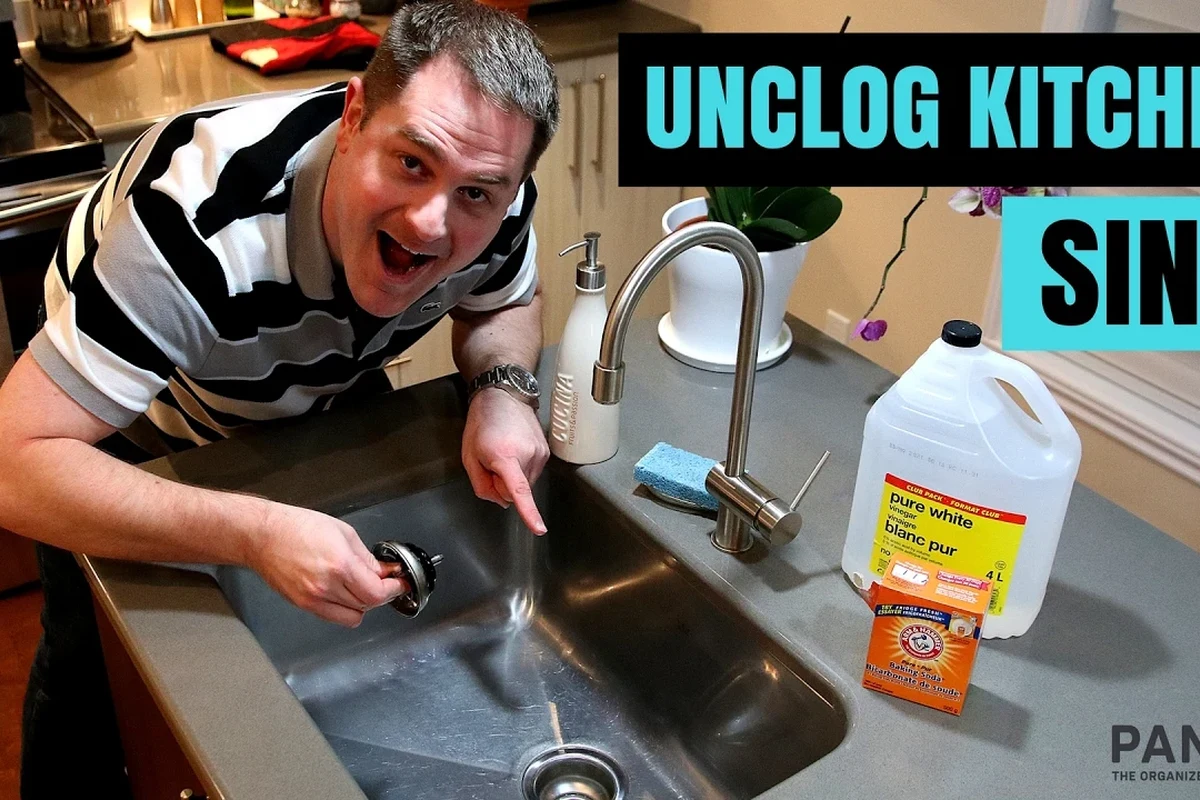
Baking soda is a mild alkaline powder, so it can help loosen greasy residue and neutralize sour drain odors. When it reacts with vinegar, it creates fizzing carbon dioxide that can help disturb soft buildup near the drain opening. For a deeper look at that reaction, see our guide to the baking soda and vinegar reaction.
How baking soda works with vinegar, hot water, and grease buildup
The fizz does not “blast” a clog out of the pipe, but it can help break up soap film, light grease, and food residue. The hot water that follows is what often does the practical work by softening fat and carrying loosened debris away. In a sink that drains slowly rather than one that is completely blocked, that combination can make a noticeable difference.
Baking soda is most helpful when the clog is soft, fresh, or sticky. Hard mineral scale, tree roots, and compacted foreign objects usually need a different fix.
What kinds of sink clogs this method can and cannot handle
This method is best for grease, soap scum, toothpaste, and small food particles. It is less effective on hair clogs, heavy sludge, or anything lodged farther down the drain line. If the sink backs up immediately every time you use it, the problem may be beyond the trap and not something baking soda can solve.
Before You Start: Safety, Sink Type, and Drain Setup
Before you pour anything down the drain, take a moment to look at the sink setup. A few quick checks can keep you from making the clog worse or creating a safety problem.
Checking for standing water, garbage disposals, and double sinks
If there is standing water, remove as much as you can with a cup before you start. For sinks with a garbage disposal, make sure it is turned off and never put your hand inside the opening. In a double sink, block the second drain so the mixture stays in the clogged side long enough to work.
- Remove standing water if the basin is full.
- Turn off the garbage disposal and unplug it if needed.
- Seal the second sink drain in a double-basin setup.
- Use a drain cover or stopper to control the reaction.
When to avoid this method and call a plumber instead
Skip the DIY approach if the sink is overflowing, sewage is backing up, or multiple drains in the home are slow at the same time. Those are signs of a larger line problem, not a simple sink clog. If you have already tried gentle methods and the drain still will not move, professional help is the safer choice.
Never mix drain-cleaning chemicals with baking soda, vinegar, or any other household cleaner. If a commercial drain opener was used recently, follow the product label and wait before trying anything else.
What You Need for the Fastest Baking Soda Drain Method
You do not need many supplies, but the right amounts matter. Small, measured steps work better than dumping in extra product and hoping for a stronger reaction.
Measuring the right amount of baking soda, vinegar, and hot water
A common starting point is about 1/2 cup of baking soda followed by about 1 cup of vinegar, then a flush with hot tap water. Exact amounts can vary with sink size and clog severity, but this ratio is usually enough for a light clog. Use hot tap water rather than boiling water unless your plumbing manufacturer specifically says boiling water is safe for your pipes.
Helpful tools: cup, funnel, stopper, gloves, and drain cover
A funnel helps get the baking soda into the drain instead of onto the sink surface. Gloves are useful if the drain has grime or if you need to remove debris from the opening. A stopper or drain cover helps trap the fizz in the pipe where it can do the most good.
Step-by-Step: How to Unclog a Sink with Baking Soda
This is the most reliable version of the method for a light clog. Work slowly and keep the ingredients in the drain long enough to react before flushing.
Remove any visible food scraps, hair, or soap buildup from the drain opening. If the sink has a removable stopper or strainer, clean that first so the mixture can reach the clog instead of sitting on top of debris.
Pour the baking soda directly into the drain, then add the vinegar slowly. Cover the drain right away with a stopper or drain cover so the bubbling stays concentrated in the pipe.
Wait about 10 to 15 minutes for light buildup. You may hear fizzing or gurgling as the ingredients move through the drain. That sound is normal and usually means the reaction is happening where you want it.
After the wait, pour in hot tap water in a steady stream. Do not use boiling water unless your plumbing is rated for it, since very hot water can stress older pipes or some fixtures.
If the sink is still slow, you can repeat the process once. If there is no improvement after a second try, stop and move to another method instead of overloading the drain with more ingredients.
Flushing the drain with hot water without damaging pipes
The safest approach is hot tap water, not a rolling boil. That matters more with PVC plumbing, older glued joints, or fragile fixtures. If you are unsure what your sink uses, check the home’s plumbing records or ask a plumber before using extreme heat.
Keep your face and hands away from the drain while the vinegar and baking soda react. The bubbling can splash mildly, especially in a small basin or a partially blocked sink.
Best Use Cases for Kitchen and Bathroom Sinks
Baking soda is not a universal drain fix, but it is a practical first step for certain everyday clogs. The best results usually come from small, recent buildup rather than long-term blockage.
Grease, soap scum, toothpaste, and light food residue
Kitchen sinks often clog from grease and tiny food particles, while bathroom sinks usually slow down from soap scum and toothpaste. Those are the kinds of residue that respond best to a mild fizz-and-flush approach. If you also want a broader drain-cleaning overview, our guide on how to clean drains with vinegar and baking soda covers the same basic chemistry in a different context.
How the method differs for stainless steel, porcelain, and PVC plumbing
The sink basin material matters less than the plumbing underneath, but it still affects how carefully you work. Stainless steel and porcelain can handle the mixture easily, though you should still avoid harsh scrubbing while the sink is wet. PVC plumbing is common in many homes, and it is one reason hot tap water is safer than boiling water unless you know the pipe rating.
If your sink has a garbage disposal, this method may help with odor and light residue, but it will not fix a jammed motor or a hard object stuck in the unit.
Common Mistakes That Make the Clog Worse
Most DIY drain problems come from using the right idea in the wrong way. Small errors can waste time, create a mess, or push the blockage deeper.
Using too much baking soda or too little vinegar
More powder does not automatically mean a stronger clean. If the vinegar amount is too low, the mixture may not fizz enough to reach the buildup, and too much dry powder can clump in the drain. A measured ratio is usually more effective than guesswork.
Pouring boiling water into fragile pipes or a full sink
Boiling water can be risky for some plumbing materials and may splash back if the sink is already full. It is better to remove standing water first, then use hot tap water in a controlled pour. That reduces the chance of burns and helps the flush move steadily through the drain.
Repeating the method when the clog is actually deep in the line
If the sink briefly improves and then clogs again, the blockage may be farther down than the baking soda can reach. Repeating the same method over and over usually delays the real fix. At that point, a plunger, snake, or trap cleaning is a better next step.
The sink still drains slowly after one or two attempts.
Stop adding more mixture and move to a plunger, drain snake, or trap inspection. A deeper blockage needs mechanical removal, not just fizz.
What to Do If the Sink Is Still Clogged
When baking soda does not solve the problem, the next step depends on what the drain is doing. A slow drain and a fully blocked sink need different levels of pressure and cleaning.
Using a plunger, drain snake, or trap cleaning as the next step
A sink plunger can help dislodge soft clogs near the trap, especially if you cover the overflow opening on a bathroom sink. If that fails, a drain snake can reach hair and compacted debris farther down the pipe. For a more direct fix, cleaning the P-trap under the sink may remove the blockage entirely, but only do this if you are comfortable turning off water and placing a bucket below the pipe.
Signs the blockage is beyond a DIY fix
Call a plumber if water backs up into other fixtures, you smell sewage, or the clog returns quickly after cleaning. Also get help if you suspect a broken pipe, root intrusion, or a collapsed drain line. Those issues are not drain-maintenance problems; they are plumbing repairs.
- Cheap and easy first step
- Good for light grease and soap buildup
- Low-risk when used with hot tap water
- Not strong enough for major clogs
- May not work on hair or deep blockages
- Can waste time if used repeatedly on the wrong problem
Prevention Tips to Keep the Drain Flowing in 2026
The best drain fix is the one you do not need. A few simple habits can reduce clogs and keep sink odors under control.
Smart habits for grease, coffee grounds, hair, and food scraps
Do not pour cooking grease into the sink, even if it is warm and liquid. Wipe pans with a paper towel first, strain food scraps before rinsing, and keep coffee grounds out of the drain. In the bathroom, use a drain cover to catch hair before it reaches the pipe.
- Wipe greasy pans before washing
- Use a sink strainer or drain cover
- Rinse with plenty of water after washing dishes
- Pouring oil or fat down the drain
- Letting hair collect in the stopper
- Using the sink as a trash bin
Routine maintenance with baking soda and hot water for odor control
A small monthly baking soda rinse can help keep odors down, especially in a lightly used bathroom sink. This is more of a maintenance habit than a clog cure. If you want a deeper cleanup routine, the same gentle approach is often less harsh than stronger products and easier on everyday plumbing.
For readers who like simple household uses, our article on a baking soda trick that actually works explains another practical way this ingredient helps around the home.
Final Verdict: When Baking Soda Is the Right Fix
Baking soda is a smart first move when a sink is draining slowly from grease, soap, or light residue. It is fast, inexpensive, and reasonably safe when you use measured amounts and hot tap water instead of extreme heat.
Choosing the fastest safe method based on clog severity and sink type
If the clog is mild, the baking soda and vinegar method is usually the easiest place to start. If the sink is fully blocked, backs up in other drains, or has a deep hair or grease plug, skip straight to mechanical cleaning or professional help.
When to switch from DIY cleaning to professional help
The best rule is simple: try gentle DIY cleaning once, maybe twice, then stop if the drain does not improve. That keeps you from wasting time and protects your plumbing from unnecessary stress. In a busy kitchen or bathroom, a quick call to a plumber can be faster and safer than repeated guessing.
Use baking soda for light sink clogs, odor control, and routine maintenance, especially when you want a low-risk first step. Switch to a plunger, snake, trap cleaning, or a plumber when the blockage is deep, severe, or affecting more than one drain.
Frequently Asked Questions
A common starting point is about 1/2 cup of baking soda followed by about 1 cup of vinegar. The exact amount can vary by sink size and clog severity, but measured amounts work better than guessing.
Hot tap water is usually safer than boiling water. Boiling water can damage some pipes or splash back, so only use it if your plumbing manufacturer says it is safe.
Usually not very well. Baking soda is better for grease, soap scum, toothpaste, and light food residue than for compacted hair clogs.
A wait of about 10 to 15 minutes is a common starting point for a light clog. If the sink still drains slowly after one or two tries, move to a plunger or drain snake.
It is usually safer to use hot tap water rather than boiling water with PVC plumbing. If you are unsure about your pipe material, check the home’s plumbing records or ask a plumber.
Call a plumber if multiple drains are backing up, sewage odors are present, or the clog returns quickly after cleaning. Those signs can point to a deeper plumbing issue.