
Baking Soda Paste for Bug Bites Relief That Works Fast
Baking soda paste can give quick, temporary itch relief for mild bug bites on intact skin. It is not suitable for broken skin, allergic reactions, or infection signs.
Baking soda paste for bug bites is a simple at-home remedy many people still reach for when an itch starts fast and they want quick, low-effort relief. Used the right way, it can calm mild irritation, but it is not a fix for allergic reactions, broken skin, or infection.
- Best use: Mild mosquito bites and small stings on unbroken skin.
- Mixing rule: Make a thick, spreadable paste with plain baking soda and water.
- Safety limit: Stop if the skin burns, stings, or dries out.
- Not for: Open bites, spreading redness, infection, or severe allergy symptoms.
- Better pairing: Use a cold compress and avoid scratching for steadier relief.
What Baking Soda Paste for Bug Bites Is and Why People Still Use It in 2026
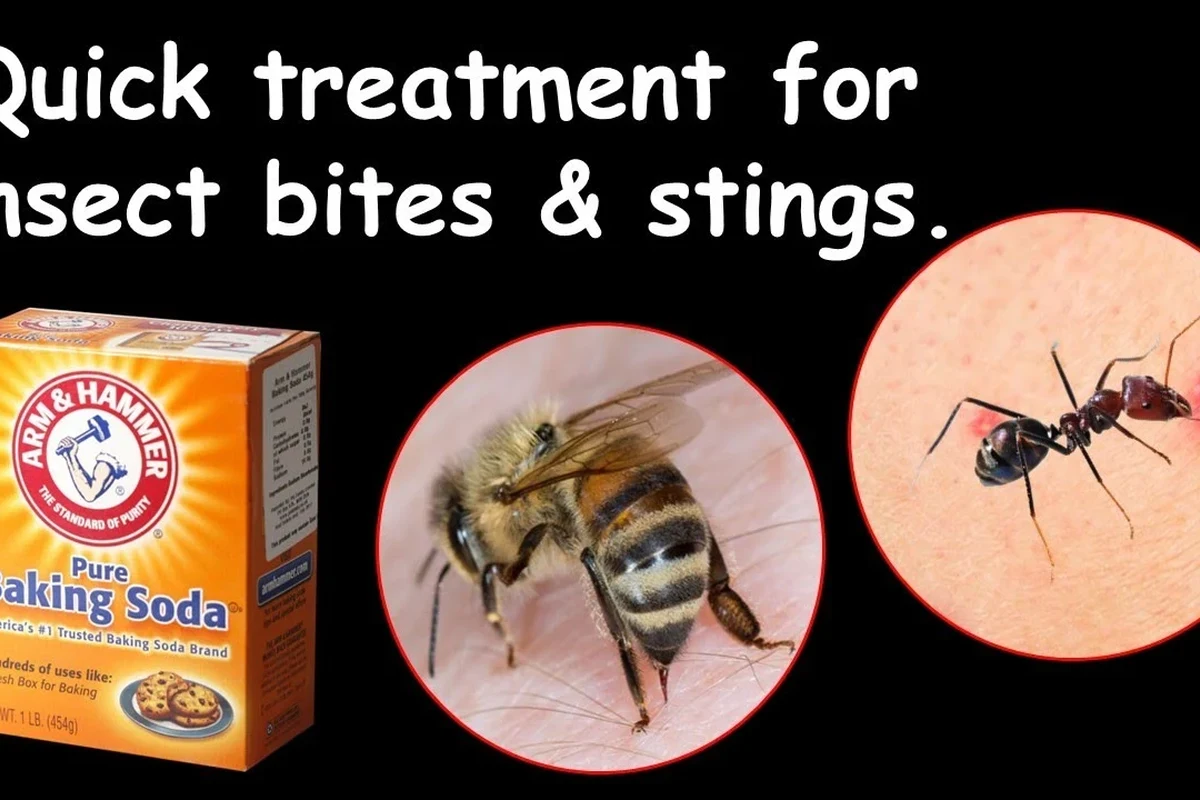
Baking soda paste is just baking soda mixed with a small amount of water until it forms a spreadable paste. People use it on bug bites because the paste can feel cooling as it dries and may help ease the urge to scratch.
How the paste works on itchy, irritated skin
The main idea is simple: a paste can temporarily calm the surface of the skin and reduce the feeling of wet, hot, or inflamed irritation. Baking soda is mildly alkaline, so some people find it helpful for short-term comfort, especially when the bite is fresh and the skin is intact.
That said, relief is usually temporary. If the skin is already very inflamed, the paste may not do much beyond drying the area, which can sometimes make sensitive skin feel tighter.
When it may help most: mosquito bites, minor stings, and mild swelling
This remedy is most often used for small mosquito bites, tiny insect stings, and minor swelling where the skin is not broken. In those cases, the paste may take the edge off the itch long enough to stop scratching and let the area settle.
If you are comparing simple home remedies, this is one of the gentlest options when used briefly. It is also easy to make with an ingredient many kitchens already have, much like the kind of basic ingredient know-how covered in our article on whether baking soda expires and when to replace it.
When it is not the right choice: broken skin, allergic reactions, or signs of infection
Do not use baking soda paste on open bites, scratched skin, or areas that are oozing. The paste can sting on broken skin and may add more irritation instead of soothing it.
It is also not the right choice if the bite is part of a bigger allergic reaction, such as trouble breathing, facial swelling, widespread hives, or dizziness. For those symptoms, seek urgent medical help right away. If the skin is spreading red, warm, or painful, or if there is pus, infection needs medical attention rather than a home remedy.
How to Make Baking Soda Paste for Bug Bites Safely at Home
The safest version is the simplest one. You only need a small amount of baking soda and enough clean water to make a paste that spreads without running off the skin.
Basic ratio: baking soda and water consistency that spreads without dripping
Start with about 1 tablespoon of baking soda and add a few drops of water at a time, stirring until you get a thick paste. The texture should be similar to soft frosting or toothpaste: smooth enough to spread, but not so wet that it slides off.
If the paste is too thin, it will run and dry unevenly. If it is too dry, it can feel gritty and may drag on already irritated skin.
Measuring does not need to be exact for this home remedy, but the paste should always be fresh. Different baking soda brands and even humidity in the kitchen can slightly change how much water you need.
Optional adjustments for sensitive skin and temporary relief
If your skin tends to react easily, use less baking soda and more water so the paste is thinner and easier to remove. You can also test a tiny amount on a small spot first and wait a few minutes to see whether it feels comfortable.
For very sensitive skin, a cool compress may be a better first step than any paste. Some people also prefer to pair simple home care with a stronger anti-itch product, especially when the bite is large or very swollen.
Clean mixing, fresh application, and why leftovers should be discarded
Mix the paste in a clean bowl and use a clean spoon or fingertip to apply it. Do not dip back into the bowl after touching the bite, because that can contaminate the remaining paste.
Throw away any leftovers after use. A fresh batch is safer and less likely to pick up dirt, skin bacteria, or moisture that changes the texture.
Use only plain baking soda, not scented or cleaning blends. Products made for scrubbing or deodorizing may include additives that do not belong on skin.
How to Apply the Paste for Fast Relief Without Irritating the Skin
Application matters as much as the mixture itself. A thin, even layer is usually enough; piling it on thick can make cleanup harder and may dry the skin more than necessary.
Step-by-step application time, thickness, and removal
Wash the bite with mild soap and water, then pat it dry. Avoid scrubbing, which can make the itch worse.
Spread just enough paste to cover the bite. A light coating is usually better than a thick mound.
Leave it on long enough to dry slightly, then rinse it off with cool water. Pat dry instead of rubbing.
How long to leave it on before rinsing
For most people, a short application is best. Leaving the paste on until it starts to feel tight or chalky is usually enough, and that often means only a few minutes to around 10 minutes depending on the thickness and the weather.
There is no single perfect time because skin sensitivity varies. If the area starts feeling overly dry before that, rinse it off sooner.
What to do if the bite area starts burning, stinging, or drying out
If you feel burning, stinging, or a sharp tightening sensation, wash the paste off right away. That usually means the skin is too sensitive for this method, or the paste was too concentrated.
After rinsing, switch to a cold compress and avoid scratching. If redness keeps spreading or the discomfort increases instead of settling, stop using the paste and watch for signs that need medical care.
- Use a thin layer on intact skin
- Rinse after a short period
- Stop if the skin feels irritated
- Leaving it on for hours
- Using it on broken skin
- Applying more paste to “make it work faster”
What Results to Expect and How Fast Relief Usually Happens
“Fast” in this case usually means a noticeable reduction in itch soon after application, not a cure. The bite may still look red or raised for a while even if the itch calms down.
What “fast” means for itch reduction and swelling
For a mild bite, some people feel relief within minutes as the paste dries and the urge to scratch drops. Swelling may also look a little less puffy once the skin is left alone and cooled.
For more inflamed bites, the paste may only partially help. If the area is hot, very swollen, or painful, the result may be minimal and short-lived.
Many itch-relief home remedies work less by “fixing” the bite and more by changing the skin’s surface feel long enough to interrupt the scratch cycle.
Examples of typical response for mild bites versus more inflamed bites
A small mosquito bite on intact skin may calm down enough for you to forget about it for a while, especially if you also use a cold compress. A larger bite that has been scratched several times may keep itching because the skin barrier is already irritated.
That difference matters. Once the skin is raw, the problem is no longer just the bite itself; it is also the damage caused by scratching.
When repeated use is reasonable and when it is not
Repeating the paste once or twice in a short period may be reasonable for a mild, intact bite if the skin tolerates it. If you need to reapply again and again, the remedy is probably not the best fit for that bite.
Repeated use is not a good idea if the area becomes dry, red, or tender. At that point, stop and choose a gentler option.
Common Mistakes People Make With Baking Soda Paste
Most problems come from using too much baking soda, leaving the paste on too long, or applying it to skin that is already damaged. A simple remedy can still irritate skin if it is used too aggressively.
Using too much baking soda or making the paste too dry
A dry, crumbly paste can scratch the bite as you spread it. Too much baking soda can also make the mixture harsher than necessary.
Think of it like a baking formula: balance matters. Just as you would not guess wildly when adjusting a recipe, the same idea applies here—small changes are easier on the skin.
Applying it to open bites, scratched skin, or large irritated areas
If the bite has been scratched open, skip the paste. On larger irritated patches, the drying effect can become uncomfortable across a wider area and may cause more redness.
For those situations, cooling the skin and preventing further scratching is usually a better first move. If you are curious about how baking soda behaves in other contexts, our guide to the baking soda and vinegar reaction explains why baking soda changes texture and feel when mixed with liquids.
Leaving it on too long and causing extra dryness or redness
Long contact time can leave the skin chalky and uncomfortable. If you notice flaking, tightness, or a white residue that is hard to rinse, the paste probably stayed on too long or was mixed too thick.
Short contact is usually enough for this remedy. More time does not necessarily mean more relief.
Assuming it can replace medical care for severe reactions
Baking soda paste is a comfort measure, not emergency treatment. It cannot stop anaphylaxis, treat infection, or fix a bite that is becoming seriously inflamed.
If symptoms are severe or unusual, get medical help instead of trying to manage everything at home. For general ingredient safety and product-label awareness, it is always smart to use the exact product you intend and not a cleaner or specialty powder by mistake.
Safer Ways to Pair Baking Soda Paste With Other Bug Bite Relief Methods
The best bug bite care is often a combination of simple steps. A paste may help the itch, while other methods reduce swelling and keep the area from getting worse.
Cold compresses, gentle washing, and avoiding scratching
A cold compress can be one of the most effective first steps because it helps numb the area and reduce swelling. Gentle washing also removes sweat, dirt, and anything else that may be aggravating the skin.
Most importantly, avoid scratching. Scratching breaks the skin barrier, which can turn a minor bite into a longer-lasting irritation.
When over-the-counter anti-itch products may be a better fit
If the bite is very itchy, large, or on a sensitive area, an over-the-counter anti-itch product may work better than baking soda paste. Products such as hydrocortisone cream or calamine lotion are often used for itch relief, but follow the label directions and check whether they are appropriate for the person using them.
For children, people with skin conditions, or anyone with allergies, label reading matters. If you are unsure, ask a pharmacist or clinician before using a new product.
How to choose relief based on age, skin sensitivity, and bite severity
Younger children and people with eczema or very reactive skin often do better with the least irritating option first. That may mean a cool compress, gentle cleansing, and close observation before trying anything more drying.
For a simple, intact mosquito bite on an adult with normal skin, baking soda paste can be a reasonable short-term choice. For a more intense reaction, it is usually better to choose a product designed for itch relief or seek medical advice.
- Easy to make from common kitchen ingredients
- May reduce itch quickly on mild bites
- Simple to rinse off when used briefly
- Can dry or irritate sensitive skin
- Not suitable for open or infected bites
- Not a replacement for medical treatment
When to Skip Baking Soda Paste and Seek Medical Help Instead
There are clear cases where home care is not enough. If the symptoms look more serious than a routine bite, the safest move is to stop self-treating and get help.
Allergic reaction warning signs that need urgent attention
Seek urgent medical attention if there is trouble breathing, swelling of the lips or face, throat tightness, faintness, or widespread hives. These are not normal bite symptoms and can become dangerous quickly.
If you know you have a history of severe insect allergy, follow your emergency plan and use prescribed medication as directed. Do not wait to see whether a paste helps.
Symptoms of infection, spreading redness, or worsening pain
Watch for redness that spreads, skin that feels hot to the touch, pus, fever, or pain that keeps getting worse. Those signs suggest the area may need medical evaluation rather than another layer of home remedy.
A bite that becomes more painful over time is especially worth paying attention to. A simple itch should gradually settle, not intensify day after day.
Special caution for children, people with eczema, and very sensitive skin
Children may scratch more and irritate the skin faster, so it is especially important to keep remedies gentle and supervised. People with eczema or very sensitive skin may react to the drying effect of baking soda more quickly than others.
If the skin barrier is already fragile, a mild compress and careful observation may be safer than a paste. When in doubt, choose the least irritating option and ask for professional guidance if symptoms do not improve.
Final Verdict: Is Baking Soda Paste for Bug Bites Worth Trying?
For a quick, simple option on a mild, intact bug bite, baking soda paste can be worth trying. It is inexpensive, easy to make, and may reduce itch long enough to stop scratching.
Best-use recap for quick, simple itch relief
The best use is short-term relief on small mosquito bites, minor stings, and mild swelling where the skin is not broken. Use a thin layer, leave it on briefly, and rinse it off if the skin feels dry or irritated.
Who is most likely to benefit from this remedy
Adults with normal skin and a single uncomplicated bite are the most likely to find it helpful. It is less useful for very sensitive skin, large reactions, or bites that have already been scratched raw.
Practical decision guide for choosing baking soda paste versus other options
Choose baking soda paste if the bite is mild, intact, and mainly itchy. Choose a cold compress or an over-the-counter anti-itch product if the area is more inflamed or your skin tends to react easily.
Skip the paste and get medical help if you see allergic reaction symptoms, infection signs, or anything that feels severe. That balanced approach gives you the best chance of fast relief without making the skin worse.
Baking soda paste for bug bites is a reasonable short-term remedy for mild itch on intact skin, but it works best when used lightly and briefly. If the bite is broken, spreading, very swollen, or part of an allergic reaction, choose medical care or a more appropriate treatment instead.
Frequently Asked Questions
Mix baking soda with a few drops of clean water until it forms a thick, spreadable paste. It should be smooth and not runny.
Leave it on only briefly, usually until it starts to dry, then rinse it off. If the skin feels tight, itchy, or irritated, remove it sooner.
Yes, it may help calm mild itch from mosquito bites on intact skin. It is most useful for temporary relief, not for severe swelling or broken skin.
No, it is better to avoid baking soda paste on broken skin because it can sting and cause more irritation. Use a gentler option and watch for infection.
Rinse it off, stop using the paste, and switch to a cold compress. If redness, pain, or swelling keeps increasing, seek medical advice.
Get urgent help for trouble breathing, facial swelling, faintness, or widespread hives. Also seek care for spreading redness, pus, fever, or worsening pain.
