
Baking Soda Shoe Odor Fix That Really Works Fast
Baking soda can help remove shoe odor quickly when the shoes are dry and the smell is mild to moderate. For heavy sweat, mildew, or wet shoes, you usually need cleaning and full drying first.
Baking soda can help with shoe odor fast, especially when the smell is caused by trapped moisture and everyday sweat. It is not a magic fix for every pair, but used the right way, it can make shoes smell much fresher by the next day.
- Best use: Overnight on dry sneakers, canvas shoes, and removable insoles.
- Main limit: It will not fix wet shoes, mold, or deep buildup by itself.
- Safer method: Use a light coating or a sock-filled sachet to avoid residue.
- Better results: Remove insoles, clean dirt first, and dry shoes fully.
Baking Soda Shoe Odor: Why It Works and When It Actually Helps
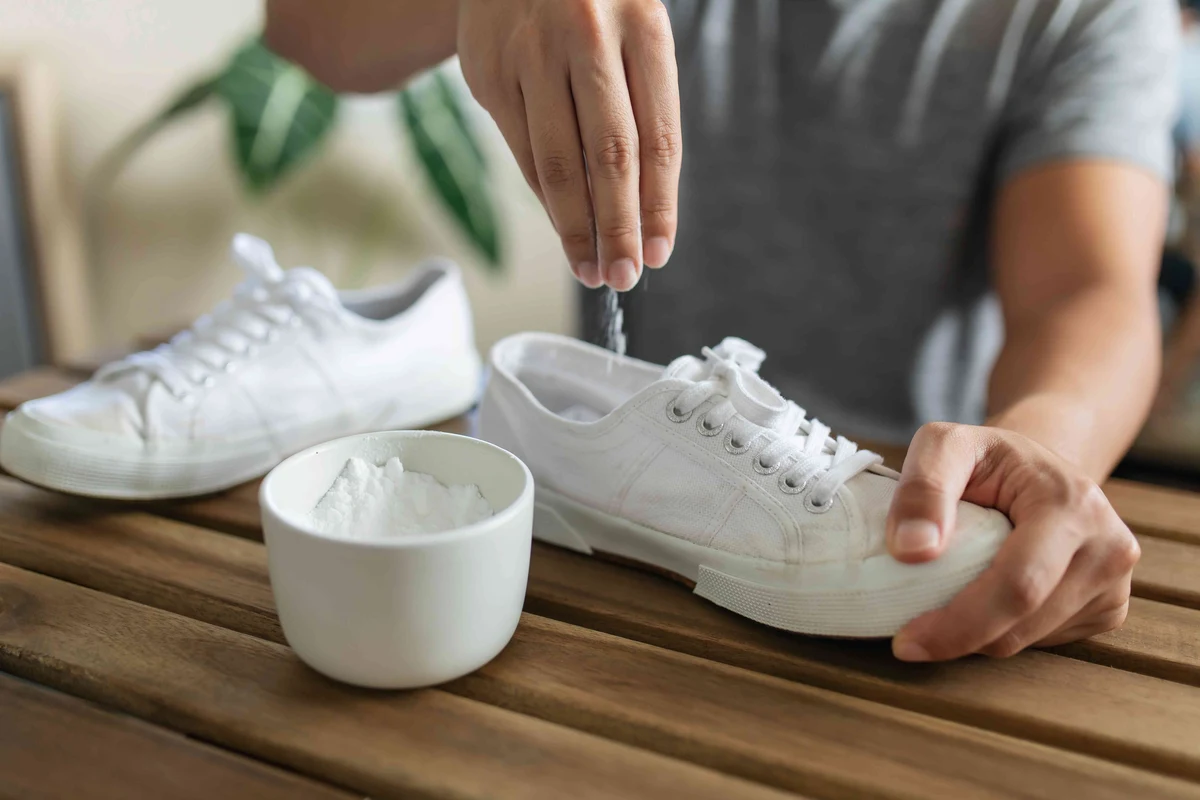
Baking soda helps because it can absorb some moisture and neutralize acidic odor compounds left behind by sweat and bacteria. That is why it is often useful for gym shoes, sneakers, and canvas shoes that smell stale after a long day.
The effect is strongest when the odor problem is mild to moderate and the shoes are dry. If you want a broader breakdown of how this ingredient behaves in cleaning, our guide to baking soda in laundry benefits explains the same moisture-absorbing idea in another setting.
How baking soda absorbs moisture and odor-causing compounds
Shoe odor usually comes from a mix of sweat, skin oils, bacteria, and dampness. Baking soda does not kill every odor source, but it can help pull down the smell by reducing moisture and buffering some of the acidic compounds that make shoes stink.
That is why it works best as a deodorizer, not a deep sanitizer. If the inside of the shoe still feels damp, the powder may help temporarily, but the smell will often return unless the moisture source is addressed.
Which shoe materials respond best: sneakers, canvas, leather, insoles, and gym shoes
Breathable materials usually respond best because they dry faster and let baking soda do its job. Sneakers, canvas shoes, removable insoles, and gym shoes are the easiest to treat because air can move through them more easily.
Leather and suede need more caution. You can often use a light deodorizing method, but you should avoid heavy powder buildup, and you should always check the shoe manufacturer’s care instructions first.
When baking soda is not enough on its own, especially for heavy sweat or mold smells
If the odor is sharp, sour, musty, or smells like mildew, baking soda alone is usually not enough. That kind of smell often means the shoe needs a full clean, complete drying, or a stronger odor treatment.
Very strong odor can also point to bacteria buildup inside the lining or a moisture problem that keeps returning. In those cases, a deeper cleaning step matters more than adding extra powder.
If a shoe smells musty after being stored in a humid space, the problem may be trapped moisture rather than sweat alone. Drying conditions matter as much as the deodorizer you choose.
The Fastest Baking Soda Shoe Odor Fix for Same-Day Results
If you need a quick turnaround before work, school, or training, the fastest method is to treat dry shoes overnight. The goal is to let the baking soda sit long enough to absorb odor and moisture, then remove every trace before wearing the shoes again.
Step-by-step overnight deodorizing method for active shoes
Do not add baking soda to wet shoes. If needed, air-dry them first so you do not trap moisture inside.
This opens up the shoe and lets the powder reach the areas where odor tends to settle most.
Use enough to coat the insole area in a thin layer, then tilt and tap the shoe so the powder spreads instead of clumping.
Leave the shoes in a dry, ventilated area for several hours, then shake out the powder before wearing.
If you are comparing this with other household deodorizing methods, our article on baking soda for smoke odors shows a similar principle: the ingredient works best when it has time to sit on the problem area.
How much baking soda to use for one pair and how to distribute it safely
For one pair of shoes, start with a light, even coating rather than a thick pile. Too much powder makes cleanup messy and can leave residue on socks or skin.
A good rule is to use just enough to cover the interior surface in a thin layer. If the shoes are delicate or lined with soft material, a sachet method may be safer than sprinkling loose powder directly inside.
Best timing for maximum odor control before work, school, or training
Overnight is usually the easiest timing because the shoes sit unused for several hours. If you need them sooner, even a few hours can help with mild odor, but the result may be less noticeable.
For active shoes, the best routine is to treat them after wear, let them sit through the night, and remove the powder in the morning. That gives you the best chance of freshening the shoes before the next use.
Place the shoes near moving air, but not in direct heat. Heat can warp glue, dry out some materials too quickly, or damage delicate finishes.
Safer Ways to Use Baking Soda Inside Shoes Without Damaging Them
How you apply the powder matters almost as much as the powder itself. A careful method helps you control odor without making a mess or stressing the shoe material.
Powder-in-shoe method versus sachet or sock-filled method
The loose powder method works well for sturdy sneakers and canvas shoes because it gives direct contact with the odor source. It is fast and simple, but it can be dusty.
A sachet or sock-filled method is cleaner and often better for leather, suede, or shoes with delicate linings. Just fill a clean sock or fabric pouch with baking soda, tie it closed, and place it inside the shoe overnight.
- Fast odor control for everyday shoes
- Low-cost and easy to repeat
- Works well overnight
- Can leave residue if overused
- Less effective on very wet or moldy shoes
- May be too messy for delicate materials
How to protect delicate linings, glued soles, and moisture-sensitive materials
Use less powder on shoes with sensitive linings, and avoid rubbing it aggressively into the interior. If the shoe has glued construction, do not soak it or combine the powder with excess liquid unless the care label allows it.
For specialty footwear, the safest approach is usually a light deodorizing treatment plus good drying. When in doubt, check the brand’s cleaning instructions so you do not weaken adhesives or discolor the material.
Common mistakes: overfilling, leaving residue, and using it on wet shoes
One of the biggest mistakes is adding too much baking soda and then not removing it fully. Leftover powder can transfer to socks, feel gritty, and make the shoe interior look chalky.
Another common problem is using it on damp shoes. If moisture is trapped inside, the odor can become worse later because the shoe never truly dries out.
Do not use baking soda as a substitute for proper drying on wet shoes, especially after rain, washing, or heavy sweating. Trapped moisture can lead to mildew and a stronger smell.
How to Deep Clean Shoes Before Treating Odor
Baking soda can help with smell, but it cannot remove all dirt, sweat film, or bacteria buildup by itself. For odor that keeps coming back, a quick pre-clean makes the deodorizing step work much better.
Removing insoles and laces for better odor control
Take out removable insoles whenever possible. They usually hold the most sweat, so treating them separately often makes a bigger difference than treating the shoe body alone.
Laces can also trap odor and dirt, especially in athletic shoes. Washing or airing them separately helps the whole shoe smell cleaner once everything goes back together.
Pre-cleaning sweat, dirt, and bacteria buildup that baking soda cannot remove
Start by brushing out loose dirt and wiping the inside with a slightly damp cloth if the care label allows it. For washable shoes, a mild soap solution may be more effective than powder alone because it removes the residue that feeds odor.
This is also where a laundry-safe approach can help. If the insoles are removable and washable, a gentle cleaning routine similar to baking soda to laundry detergent benefits may support odor removal, but always follow the item’s care instructions.
Drying completely before deodorizing to avoid trapping moisture
Drying is the step people skip most often. Even a good deodorizer struggles if the shoe is still holding water in the foam, lining, or seams.
Let shoes air-dry fully in a ventilated space before adding baking soda. Sunlight can fade or damage some materials, so indirect airflow is usually the safer choice.
Odor often returns after cleaning when the shoe interior stays damp. Air movement is just as important as the deodorizing ingredient itself.
Practical Baking Soda Shoe Odor Methods for Different Shoe Types
Different shoes need different handling. The best method depends on how much airflow the shoe has, what it is made of, and whether the inside can be cleaned safely.
Running shoes and workout sneakers
Running shoes and workout sneakers are usually the best candidates for baking soda because they often have removable insoles and breathable uppers. A light overnight treatment works well after a sweaty workout.
If the shoes are machine-washable, check the manufacturer’s guidance first. Washing may remove odor better than powder alone, especially when sweat has soaked deep into the foam.
Kids’ school shoes and everyday canvas shoes
Kids’ shoes often need a gentle, low-mess method because they are worn daily and can collect odor quickly. A sock-filled sachet is often easier to manage than loose powder.
Canvas shoes usually respond well because they dry faster and tolerate simple deodorizing methods. Still, if they are muddy or stained, clean them first so the baking soda can focus on odor instead of surface dirt.
Leather, suede, and specialty footwear: what to avoid
Leather and suede need extra care because too much powder, moisture, or scrubbing can change the finish. Use a light approach and avoid any method that leaves the material wet unless the care instructions clearly allow it.
For special-occasion shoes, boots, or expensive materials, test a small hidden area first if you are using any cleaner. If the odor is severe, a shoe-specific deodorizing product may be a safer choice than repeated powder treatments.
What to Combine With Baking Soda for Stronger Odor Control
Baking soda works best as part of a simple odor-control routine. If you combine it with drying and airflow, the results are usually better than using powder alone.
Pairing baking soda with ventilation, sun-free drying, and odor-absorbing inserts
After wearing shoes, open them fully and let them dry in a ventilated spot. Odor-absorbing inserts or removable cedar-style products can help maintain freshness between uses, especially in athletic shoes.
If you want to understand why powder plus airflow can be effective, our guide to this baking soda trick explains how simple dry-contact methods can deliver quick results.
When vinegar, activated charcoal, or enzyme cleaners make more sense
Vinegar can help with some odor problems, but it is not always a better choice than baking soda. If you are treating a washable shoe and need to break down heavier smell sources, a vinegar-based step may be useful, but it should be used carefully and only when the material can handle it.
Activated charcoal is a good option for ongoing odor control because it absorbs smells over time. Enzyme cleaners make more sense when the odor comes from organic buildup, such as sweat and bacteria trapped in fabric or insoles.
Using laundry-safe cleaning steps for washable shoes and removable insoles
Washable shoes and removable insoles can often benefit from a more complete cleaning routine. Mild detergent, careful rinsing, and full drying may remove more odor than any single deodorizer.
If you are unsure whether a shoe can be washed, check the label or the manufacturer’s website first. That is especially important for glued soles, foam-heavy athletic shoes, and shoes with decorative trims.
- Use baking soda on dry shoes
- Air out shoes after every wear
- Clean removable insoles separately
- Dumping in too much powder
- Using it as the only fix for mildew
- Leaving residue inside the shoe
How to Prevent Shoe Odor From Coming Back
The best odor fix is the one you do not have to repeat constantly. A few small habits can keep shoes fresher for much longer.
Rotation habits, sock choices, and moisture control after wear
Rotating shoes gives each pair more time to dry fully. That simple habit often helps more than people expect because moisture is one of the main causes of recurring odor.
Clean, moisture-wicking socks can also reduce how much sweat ends up inside the shoe. After wearing shoes, loosen the laces and open the tongue so air can circulate.
Cleaning schedule for athletic shoes, work shoes, and seasonal footwear
Athletic shoes usually need the most attention because they collect sweat quickly. Work shoes and seasonal footwear may need less frequent cleaning, but they still benefit from regular airing and occasional deodorizing.
Set a cleaning rhythm based on how often the shoes are worn, how much you sweat, and whether the shoes dry quickly. There is no single schedule that fits every pair.
Storage tips that reduce trapped humidity and recurring smell
Store shoes in a dry place with airflow, not in a sealed bag or damp closet corner. If the room is humid, odor can return even after a good cleaning because the shoes never fully dry between wears.
For long-term storage, make sure shoes are clean, fully dry, and lightly stuffed with paper or a breathable insert if needed. That helps them keep their shape while reducing stale smells.
Choosing the Right Fix: When Baking Soda Is Enough and When You Need Something Stronger
Baking soda is a smart first step for mild to moderate shoe odor, especially when the shoes are dry and breathable. It is inexpensive, simple, and often effective when used overnight and paired with good drying habits.
Signs the odor problem is mild, moderate, or severe
Mild odor usually smells stale only when you put the shoe close to your nose. Moderate odor is noticeable when the shoes are off, and severe odor lingers in the room or comes back quickly after cleaning.
Severe odor often means the shoe needs a deeper wash, new insoles, or a stronger cleaner. If you notice visible mold, persistent dampness, or a sour smell that never fades, baking soda alone is not the right fix.
When to replace insoles, wash shoes, or use a targeted deodorizing product
If the insoles are worn out, flattened, or permanently smelly, replacing them can be more effective than repeated deodorizing. Insoles absorb a lot of sweat, so they are often the first part of the shoe to fail.
Wash shoes when the material allows it, and use a targeted deodorizing product when the odor is too strong for a simple household remedy. For any product, follow the label and the shoe maker’s instructions rather than guessing.
The shoe still smells after a baking soda treatment.
The odor source is likely deeper than surface smell. Clean the insoles, dry the shoes longer, and consider a stronger treatment if the smell is from mildew or heavy sweat buildup.
Recap of the best-use scenario for baking soda shoe odor control in 2026
In 2026, the best use for baking soda shoe odor control is still the same: dry shoes, light odor, and a need for a fast, low-cost fix. It works best as part of a routine that includes cleaning, airflow, and regular drying.
If you want the simplest plan, use baking soda overnight on dry shoes, remove the powder in the morning, and keep the shoes well aired out after every wear. For heavy odor, mold, or moisture damage, move beyond baking soda and treat the cause directly.
Even though this is a shoe-care method, the same basic safety rule applies: keep powders away from wet surfaces and never seal moisture inside. Good drying prevents bigger problems later.
Frequently Asked Questions
Overnight is usually best for most dry shoes. Mild odor may improve in a few hours, but stronger smells often need more time.
It can leave residue if you use too much or fail to remove it fully. Delicate materials like suede and some leather shoes need a lighter approach.
No, it works better on dry shoes. Using it on wet shoes can trap moisture and make odor or mildew worse.
Sneakers, canvas shoes, gym shoes, and removable insoles usually respond best. Breathable materials and dry interiors give the best results.
The odor source may be deep in the insole, lining, or trapped moisture. Try a deeper clean, full drying, or replacing worn insoles.
You can use them as separate cleaning steps, but they are not always better together. For shoes, drying and cleaning the material safely usually matter more than mixing products.
