
Food Grade Baking Soda Uses Benefits and Buying Guide
Food grade baking soda is a key baking ingredient for lift, browning, and texture when the recipe includes enough acid. Choose a clearly labeled food-safe product, measure it carefully, and store it dry for the most reliable results.
Food grade baking soda is one of the simplest ingredients in the bakery, but it only works well when you understand what it is and how to use it. In pastry and baking school kitchens, the difference between a light crumb and a flat, bitter batch often comes down to the right sodium bicarbonate, the right amount, and the right recipe balance.
- Use case: Best for recipes with acidic ingredients like buttermilk, yogurt, molasses, or natural cocoa.
- Measurement: Small errors matter, so follow the recipe and measure accurately.
- Quality: Buy clearly labeled food grade baking soda, not cleaning-grade product.
- Storage: Keep it sealed, dry, and away from moisture and chemicals.
What Food Grade Baking Soda Is and Why It Matters in Baking
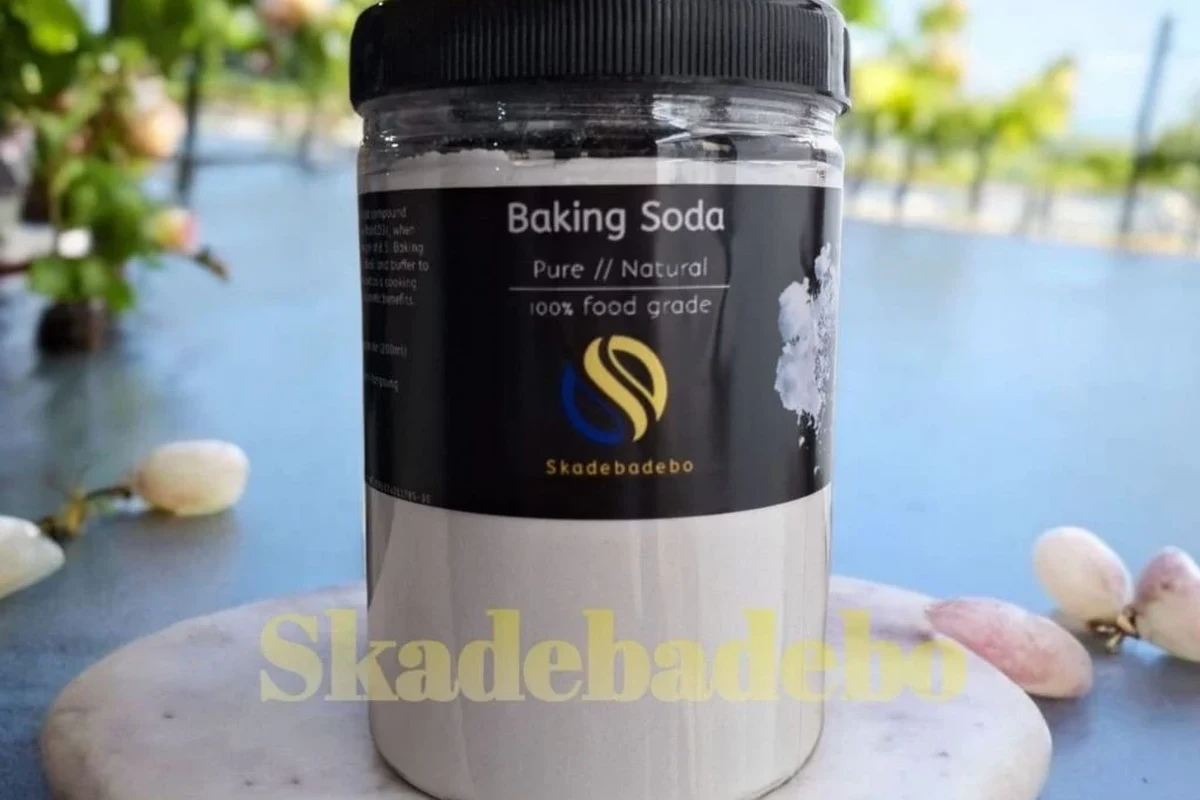
Food grade baking soda is sodium bicarbonate made and packed for edible use. It is the same basic chemical compound many bakers know from the pantry, but the label matters because the product should be intended for food preparation and meet food-use expectations for purity and handling.
How food grade differs from industrial and cleaning-grade sodium bicarbonate
Food grade baking soda is produced and labeled for recipes, while industrial or cleaning-grade versions may be intended for scrubbing, deodorizing, or other non-food tasks. Even when the ingredient name sounds similar, packaging, purity standards, and intended use are not the same, so bakers should not assume a cleaning product is safe for batter or dough.
If you are comparing pantry ingredients, it helps to separate baking use from cleaning use the same way you would when reading about using baking soda instead of baking powder safely. The chemistry may be related, but the application and the amount needed are not interchangeable.
Why purity, labeling, and intended use matter for bakers and pastry students
Purity matters because baking soda is usually used in small amounts, and even a slight off-note can affect flavor and color. Clear labeling also helps students and small bakeries avoid cross-use mistakes in shared kitchens, especially when cleaning supplies and food ingredients are stored near one another.
For any packaged ingredient, read the ingredient statement and intended-use labeling before bringing it into a baking classroom or production kitchen. If a product is not clearly sold for food use, do not use it in recipes.
Core Uses of Food Grade Baking Soda in Pastry and Bakery Work
In baking, food grade baking soda is valued because it reacts quickly and helps doughs and batters rise without long proofing. It is especially useful in recipes that already contain an acidic ingredient, since that acid helps activate the soda and create carbon dioxide gas.
How it works as a leavening agent in cookies, cakes, muffins, and quick breads
When sodium bicarbonate meets acid and moisture, it releases gas bubbles that expand in the oven. Those bubbles help lift the structure of cookies, muffins, cakes, and quick breads before the starches and proteins set.
This makes baking soda especially useful in batters that need a fast rise and a tender bite. It is also one reason a recipe may call for it in combination with buttermilk, yogurt, sour cream, molasses, brown sugar, citrus juice, or natural cocoa.
Its role in browning, spread, tenderness, and flavor balance
Baking soda raises pH, which can encourage browning and deepen the color of baked goods. That is why chocolate cookies, ginger cookies, and some spice cakes often bake up darker and more richly flavored when soda is used correctly.
It can also affect spread in cookies and tenderness in cakes by changing how dough proteins behave. Used well, it can make a cookie more evenly browned and a crumb more delicate; used poorly, it can push the flavor toward bitter or soapy.
Baking soda is not a complete substitute for baking powder in most recipes. Baking powder already contains acid, while baking soda usually needs acidic ingredients in the batter to work properly.
Examples of when baking soda is the right choice versus baking powder
Baking soda is the better choice when the formula already includes enough acid to activate it. Think of recipes with buttermilk, brown sugar, natural cocoa, molasses, or yogurt, where the soda can react and also help with flavor and color.
Baking powder is often better when a recipe needs lift but does not have much acid. If you want a deeper comparison, see our guide on whether baking soda and baking powder are the same and why the two ingredients behave differently.
Benefits, Limitations, and Common Mistakes with Baking Soda
Food grade baking soda offers strong advantages, but it is not forgiving when used carelessly. The same ingredient that improves texture and browning can also create a harsh taste or weak structure if the formula is unbalanced.
- Helps baked goods rise quickly
- Improves browning and color
- Can create a lighter, more tender crumb
- Works efficiently in acidic recipes
- Can taste soapy if overused
- May cause excess spread or collapse
- Needs enough acid to activate well
- Can overbrown delicate products
Advantages in texture, color, and recipe efficiency
One of the biggest benefits of baking soda is efficiency. It reacts immediately once moistened and mixed with acid, so recipes do not need a long waiting period to build lift.
That quick action supports a fine crumb in muffins and a good spread in cookies. It also helps home bakers and students work with straightforward formulas, especially when the recipe is designed around a simple acid-base reaction.
How overuse affects taste, color, and structure
Too much baking soda can leave a metallic, bitter, or soapy taste. It can also make baked goods brown too quickly on the outside while staying underbaked in the center, which is a common problem in dark cookies and dense cakes.
Structure can suffer too. Excess soda may weaken the batter balance, creating a coarse crumb, sunken center, or uneven rise, especially if the oven runs hot or the pan is too small.
Why acidic ingredients are often necessary for proper activation
Baking soda needs acid to do its best work in most baking formulas. Without enough acid, some soda may remain unreacted, which can leave an unpleasant flavor and reduce the quality of the rise.
That is why recipe balance matters more than simply adding more leavener. If you are trying to understand a recipe swap, the explanation in this baking soda and vinegar reaction guide can help you see how acid changes the reaction.
How to Measure and Use Food Grade Baking Soda Correctly
Correct measurement is essential because baking soda is powerful in small amounts. In both professional and home baking, the exact amount depends on the recipe, acidity level, flour type, pan size, and even oven calibration.
Typical measurement ranges in professional and home baking
Most recipes use baking soda in small measured quantities, often a fraction of a teaspoon to a few teaspoons for a full batch. The right amount depends on the total batter weight and how much acid is present, so it is better to follow the formula than to guess.
Do not increase baking soda just to force more rise. Extra soda can damage flavor and structure, and the result may not be taller or lighter at all.
Mixing method, timing, and ingredient pairing for best results
For best performance, mix baking soda evenly into the dry ingredients unless the recipe says otherwise. Uneven mixing can leave pockets of strong alkalinity, which show up as bitter spots or uneven color.
Once wet and dry ingredients come together, move efficiently. Since the reaction begins quickly, batters that sit too long before baking can lose part of their lift before they enter the oven.
Signs of proper rise and doneness in baked goods
Properly used baking soda usually produces a steady rise, even browning, and a crumb that feels set but not dry. Muffins should dome without collapsing, cookies should spread in a controlled way, and quick breads should spring back lightly when touched in the center.
Measure accurately, sift or whisk dry ingredients if needed, and combine wet and dry components without overmixing.
Watch for even lift, browning at the edges, and a center that is set according to the recipe.
Let the structure finish setting before slicing or removing from the pan too early.
Troubleshooting flat, soapy, or overly browned results
If baked goods are flat, the recipe may need more acid, better mixing, fresher soda, or a hotter oven that sets the structure sooner. If the flavor is soapy, the likely issue is too much baking soda or too little acid to neutralize it.
Flat cookies, dense muffins, or a weak rise.
Check measuring accuracy, verify oven temperature, and confirm the recipe contains enough acidic ingredients for the amount of soda used.
Buying Guide: How to Choose the Right Food Grade Baking Soda in 2026
Buying food grade baking soda is usually simple, but the best choice depends on how often you bake and how much consistency you need. A school kitchen, a home pantry, and a small bakery will not always want the same package size or quality controls.
What to look for on labels, packaging, and ingredient statements
Look for clear food-use labeling, a simple ingredient statement, and packaging that is intact and dry. If the label is vague, damaged, or meant for cleaning, choose a different product.
For bakers who also keep pantry and cleaning supplies in the same room, it helps to read labels carefully and store products separately. If you are comparing brands, our baking soda brand review may help you think through packaging and use-case differences.
Bulk bags versus small retail boxes for schools, bakeries, and home use
Small boxes are convenient for home bakers and occasional use because they are easy to label, store, and replace. Bulk bags can make sense for classrooms, bakeries, and production kitchens where the ingredient is used often and tracked carefully.
Checking freshness, storage conditions, and shelf life before buying
Before buying, check the best-by date or lot information if available, and inspect whether the package has been exposed to moisture. Baking soda is stable, but damp storage can cause clumping and reduce confidence in measurement.
If you are unsure whether your current box is still useful, our guide on when baking soda expires and when to replace it can help you make a practical decision.
When to choose certified food-safe or quality-tested brands
Choose certified food-safe or quality-tested brands when you are buying for a school, bakery, or any kitchen with strict ingredient controls. That is especially important when the ingredient will be used in shared production, allergen-aware workspaces, or curriculum-based training where consistency matters.
Storage, Safety, and Handling for Baking School Kitchens
Good storage protects both quality and safety. Baking soda should stay dry, sealed, and clearly separated from non-food cleaning products so students do not confuse one for the other.
Best storage containers, moisture control, and pantry placement
Keep food grade baking soda in its original container or in a clean, food-safe airtight container with a clear label. Store it away from sinks, dishwater, steam, and flour dust that can complicate measuring and cleanup.
In teaching kitchens, label every ingredient container clearly and keep cleaning chemicals in a separate cabinet. A simple storage system prevents accidental misuse and protects students from contamination.
Cross-contamination and contamination-prevention practices
Use clean scoops, dry measuring tools, and dedicated containers whenever possible. If the same spoon is used in a wet ingredient and then returned to the soda container, moisture can shorten the life of the ingredient and create clumps.
Cross-contact with allergens is also a concern in shared kitchens. For serious allergy questions, product labels and qualified guidance matter more than assumptions, especially when ingredients are transferred into unlabeled bins.
Safety notes for cleaning up spills and avoiding misuse in recipes
Small spills are easy to sweep or wipe up while keeping the area dry. If a spill mixes with water, clean it promptly so it does not leave a slippery residue on counters or floors.
Never use a cleaning product in a recipe just because it looks like baking soda. If a product is not clearly food grade, keep it out of the kitchen workflow and away from utensils, mixers, and ingredient bins.
Practical Buying and Usage Scenarios for Students, Home Bakers, and Small Bakeries
The best purchase depends on your baking volume and your need for consistency. A beginner may only need a small box, while a pastry program or small bakery may need a larger, easier-to-track supply.
Budget-friendly options for beginners and classroom use
For beginners, a standard retail box is usually the most practical option because it is inexpensive, easy to store, and simple to replace. In classroom use, smaller packages can also help instructors monitor freshness and reduce waste.
Scaling up for production baking and consistent batch results
For production baking, consistency matters more than convenience alone. Larger-format purchases can be sensible if the ingredient is used regularly, stored properly, and tracked with a first-in, first-out system.
That said, bigger is not always better. If the ingredient sits too long in a humid room or an open bin, clumping and quality loss can create more problems than it solves.
Examples of when a higher-grade or larger-format purchase makes sense
A higher-grade or carefully quality-tested product makes more sense when you bake the same formula every day, teach multiple students from the same stock, or need dependable results for selling finished goods. In those cases, the value is not just the ingredient itself, but the consistency it brings to the process.
- Match the package size to your actual usage
- Store it dry and clearly labeled
- Use recipes that include enough acid for the soda
- Using an unlabeled cleaning product in food
- Guessing the amount instead of measuring
- Keeping opened containers near steam or moisture
Final Verdict: How to Decide if Food Grade Baking Soda Is the Right Choice
Food grade baking soda is the right choice when you need a fast, efficient leavener and the recipe has enough acid to support it. It is also the right choice when you want better browning, controlled spread, and a cleaner pantry setup for food work.
Recap of the most important buying, usage, and storage factors
Buy a clearly labeled food product, measure it carefully, and store it in a dry, sealed container away from cleaning supplies. Check freshness, use the right amount for the recipe, and remember that more soda does not mean better rise.
For most bakers, food grade baking soda is a smart pantry staple when used in the right recipe and stored well. Choose the package size and quality level that fits your baking volume, then let the recipe—not guesswork—decide the amount.
Best-use recommendations based on recipe type, skill level, and baking goals
Choose baking soda for cookies, muffins, quick breads, and other formulas with acidic ingredients. Choose a more cautious, measured approach if you are a beginner, because the ingredient is effective but not forgiving.
For students and small bakeries, the best results usually come from simple habits: accurate measuring, clean storage, and understanding the acid in the recipe. That is the practical difference between a dependable bake and a batch that needs troubleshooting.
Frequently Asked Questions
Use the amount listed in the recipe, because baking soda is strong and small changes matter. The right amount depends on the acidity of the ingredients, pan size, and oven performance.
Sometimes, but not always. Baking powder already includes acid, so the swap changes both the chemistry and the final texture.
Baking soda raises pH, which can encourage browning during baking. That can improve color and flavor in some recipes, but too much may cause overbrowning.
Check for clumping, moisture exposure, and the package date if available. If you are unsure, test it in a recipe or replace it for dependable results.
Too much can create a bitter or soapy taste and may weaken the structure of the bake. It can also cause uneven browning and a coarse crumb.
Store it in a dry, sealed, clearly labeled container away from steam and cleaning chemicals. Good storage helps prevent contamination, clumping, and ingredient mix-ups.
