
Is Baking Soda and Bicarbonate the Same Explained

Yes, baking soda and bicarbonate are usually the same ingredient: sodium bicarbonate. The name changes by country, but the baking function is the same when the label refers to food-grade sodium bicarbonate.
Yes—most of the time, baking soda and bicarbonate mean the same ingredient in baking: sodium bicarbonate. The main difference is usually the name on the label, not the function in the recipe.
- Same ingredient: Baking soda and bicarbonate usually both mean sodium bicarbonate.
- Recipe context matters: Baking soda needs acid to work well in most formulas.
- Not a baking powder swap: Baking powder includes acid and is not one-to-one with baking soda.
- Measure carefully: Too much or too little changes flavor, browning, and texture.
- Check the label: Use food-grade sodium bicarbonate, not cleaning products.
What “Baking Soda” and “Bicarbonate” Mean in Baking and Chemistry
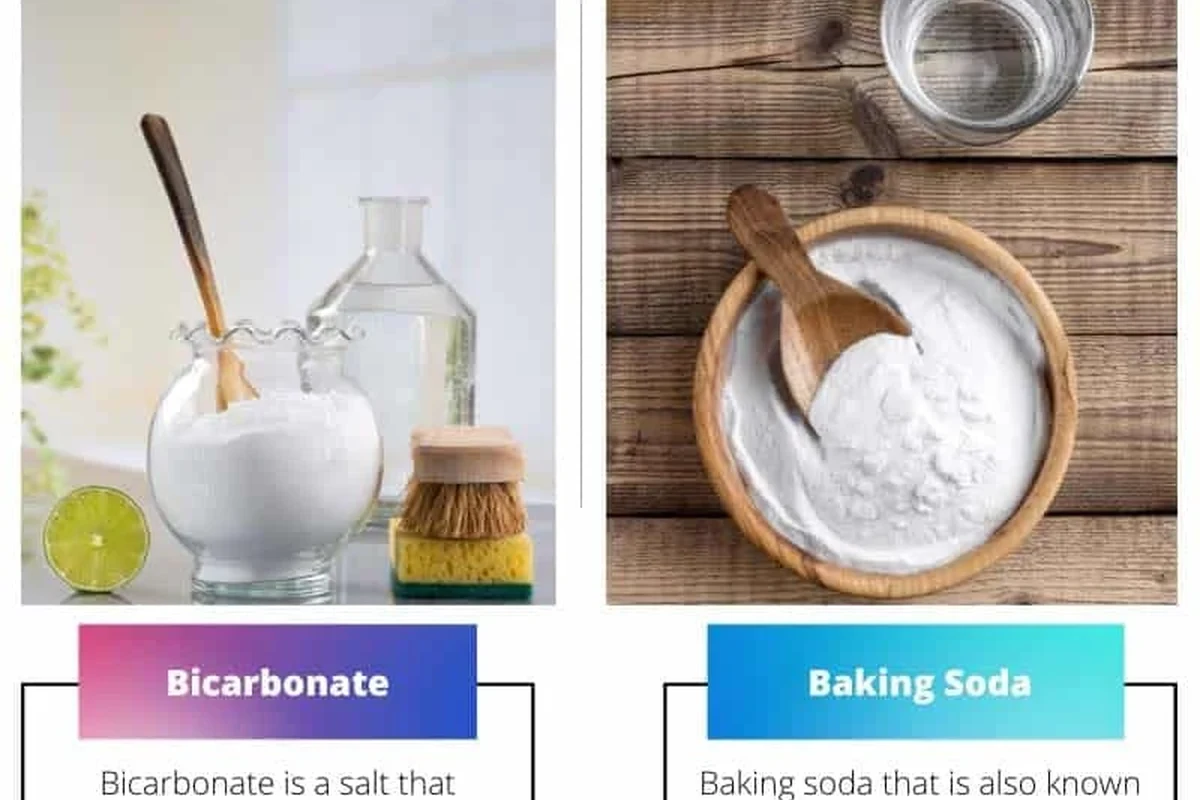
In kitchen language, baking soda is the common name for sodium bicarbonate. In chemistry, bicarbonate is the older everyday term many people use for the same compound, especially in countries where labels and recipes follow British-style naming.
The ingredient matters because it helps baked goods rise when it reacts with an acid. That reaction is one reason it shows up in cookies, muffins, quick breads, and some cakes.
Why the two terms are often used interchangeably
People use the terms interchangeably because they usually point to the same white, fine powder sold for baking. In a recipe, “bicarbonate of soda,” “sodium bicarbonate,” and “baking soda” generally refer to the same leavening ingredient.
The confusion comes from language, not from a different product. If you are reading a recipe from another country or from an older cookbook, the wording may change while the ingredient itself stays the same.
How sodium bicarbonate is named in different countries and labels
In the United States, the package usually says baking soda. In the United Kingdom, Ireland, Australia, New Zealand, and many Commonwealth-style recipes, you may see bicarbonate of soda or sodium bicarbonate.
That is why baking students should learn to identify the chemical name, not just the household name. If you are comparing labels or translating a formula, it helps to know that the ingredient identity is the key detail, not the wording.
Sodium bicarbonate is an alkaline ingredient, which means it can neutralize acids and help create lift in baked goods.
Is Baking Soda and Bicarbonate the Same? The Practical Answer for Bakers
The practical answer is yes, when the label is referring to sodium bicarbonate. For baking, that means the same ingredient can be used under either name if the recipe expects sodium bicarbonate.
This is especially useful when you are reading international recipes, class notes, or older formula cards. A student who knows the chemical name can avoid unnecessary substitutions and reduce mistakes in the mixing stage.
Where the terms match exactly
They match exactly when the product is plain sodium bicarbonate with no added acid or fillers meant to change its behavior. In that case, baking soda and bicarbonate are the same functional ingredient in the dough or batter.
That means a recipe calling for 1 teaspoon of baking soda can usually be filled by 1 teaspoon of bicarbonate of soda, as long as the product is plain sodium bicarbonate and not a specialty blend.
When product labels can still create confusion
Some labels use local naming conventions, and some shoppers confuse baking soda with baking powder. Baking powder contains baking soda plus acid and starch, so it does not behave the same way in a recipe.
Another source of confusion is cleaning products. A box used for household cleaning may still be sodium bicarbonate, but baking students should only use food-grade product in recipes and food preparation. When in doubt, check the ingredient statement on the package.
Examples from recipes, grocery packaging, and school notes
A recipe might say “bicarbonate of soda” in a sponge cake, while a grocery box in the same kitchen says “baking soda.” Those two labels can still point to the same ingredient.
School notes may shorten the ingredient to “bicarb,” especially in pastry programs or older training materials. The safest habit is to confirm the chemical name and the role it plays in the formula before measuring.
If a recipe asks for baking soda but the ingredient list also includes an acid such as buttermilk, yogurt, molasses, lemon juice, or brown sugar, the formula is likely designed for sodium bicarbonate specifically.
How Baking Soda Works in Doughs, Batters, and Pastries
Baking soda works through an acid-base reaction. When sodium bicarbonate meets an acid and moisture, it releases carbon dioxide gas, which creates bubbles that help the batter or dough rise.
That gas expansion is one reason baked goods can become lighter and more open in texture. The effect depends on mixing, temperature, and how quickly the batter goes into the oven.
Acid-base reaction and carbon dioxide release
Once baking soda is mixed with an acidic ingredient, the reaction starts right away. Heat then helps expand the gas bubbles and set the structure during baking.
This is why many recipes with baking soda are mixed and baked without long delays. If the batter sits too long, some of the gas can escape before the oven has a chance to set the crumb.
What happens when there is not enough acid
If there is not enough acid to balance the baking soda, the leftover soda can taste soapy, bitter, or slightly metallic. The baked item may also brown too fast or develop an odd aftertaste.
On the other hand, too much acid without enough soda can leave the product dense and under-risen. Good baking formulas balance the two sides of the reaction so the final texture tastes clean and looks even.
How it affects browning, spread, and crumb texture
Baking soda raises pH, which can deepen browning and encourage a more spread-out cookie shape. That is one reason chocolate cookies and ginger cookies often use it.
In cakes and muffins, it can help create a tender crumb if the formula is balanced. In pastries, the result can range from delicate lift to noticeable spread, depending on fat content, sugar level, and oven heat.
Common Baking Scenarios Where Bicarbonate Is Used
Bicarbonate is common in recipes that need quick chemical leavening. It is especially useful when the batter already contains an acidic ingredient that can activate it.
For students, it helps to think of baking soda as a formula ingredient, not just a “rise booster.” Its effect depends on the rest of the recipe.
Cakes, cookies, muffins, and quick breads
Cakes with cocoa, buttermilk, sour cream, or yogurt often use baking soda. Cookies and muffins may also use it to encourage spread, tenderness, and browning.
Quick breads such as banana bread or soda bread may rely on it as part of the main lift. If the recipe is built around a fast batter rather than yeast fermentation, baking soda may be doing a lot of the structural work.
Traditional recipes that list bicarbonate instead of baking soda
Older recipes and many international recipes say bicarbonate of soda instead of baking soda. Some family recipes also use “bicarb,” which is a common shorthand in home kitchens.
If the rest of the formula includes an acidic ingredient, the substitution is usually straightforward. If the recipe does not include acid, the formula may have been designed with another leavener or a specific ingredient balance in mind.
Examples of substitutions that work and ones that do not
Swapping baking soda for bicarbonate usually works because they are the same ingredient. The bigger issue is not the name; it is whether the recipe has enough acid to activate it correctly.
Substituting baking soda for baking powder is not a direct one-to-one swap. For more on that difference, see our baking soda and baking powder comparison and this guide to using baking soda instead of baking powder safely.
Do not assume every “white powder” in the pantry is interchangeable. Baking soda, baking powder, washing soda, and cleaning products are different items with different uses and safety limits.
Measurement, Conversion, and Substitution Rules Students Should Know
For baking school and real-world production, the safest rule is to measure by the recipe’s stated unit and verify the ingredient identity on the package. If a formula is written in grams, use grams; if it is written in teaspoons, level the measure carefully.
Ingredient brands and measuring style can affect results. A packed spoon, a humid kitchen, or a different grind size can change the amount that actually ends up in the bowl.
How to read grams, teaspoons, and package directions correctly
Grams are usually the most reliable way to measure baking soda because they reduce variation from spooning technique. Teaspoons are common in home recipes, but they can vary depending on how level the spoon is.
Package directions may also matter if a product is sold in a region with different naming conventions. Read the ingredient statement first, then compare the amount to the recipe before adding it to the mix.
Replacing baking soda with bicarbonate in international recipes
If a recipe says bicarbonate of soda, use baking soda as the direct equivalent when the product is plain sodium bicarbonate. The same applies in reverse.
The more important step is checking the acid balance. If the recipe was developed in another country, ingredient names may differ, but the chemistry still needs to make sense in your kitchen.
When baking powder is not a direct substitute
Baking powder is not the same as bicarbonate because it already includes acid. That means it can work in recipes without acidic ingredients, while baking soda usually cannot.
If you replace one with the other without adjusting the formula, the texture, flavor, and rise can change. In pastry classes, this is one of the most common ingredient errors because the names sound similar but the chemistry is different.
- Easy direct swap when labels differ only by name
- Reliable rise when paired with acid
- Useful for browning and cookie spread
- Can taste bitter if overused
- Does not replace baking powder one-for-one
- Needs the right acid balance to perform well
Common Mistakes That Change Results in the Oven
Most baking soda problems are not caused by the ingredient itself. They happen when the amount, timing, or recipe balance is off.
Small measurement errors can create big changes in flavor and structure, especially in delicate cakes or cookies.
Using too much and creating soapy or metallic flavors
Too much baking soda leaves extra alkaline residue in the finished bake. That can taste unpleasant and may also make the crumb look darker than expected.
If a recipe tastes off, the issue may be an unbalanced formula rather than a bad oven. Check the measurement first, then review whether the recipe contains enough acidic ingredients to activate the soda fully.
Baked goods taste soapy, bitter, or metallic.
Reduce the soda to the recipe amount, confirm the measuring spoon is level, and make sure the formula includes enough acid to react with it.
Using too little and getting dense or pale baked goods
Too little baking soda can leave muffins heavy and cookies flatter than intended. The baked item may also look paler because there is less alkaline help with browning.
If the recipe depends on baking soda for lift, reducing it too much can make the structure tight and the crumb less tender. This is especially noticeable in quick breads and drop cookies.
Mixing up baking soda with baking powder or washing soda
Baking powder and baking soda are not the same ingredient, and washing soda is not for food. Confusing them can ruin a recipe and, in the case of non-food products, create a safety issue.
If you are unsure, read the full label and check whether the package is food-grade. When baking in a school kitchen, label storage containers clearly so students do not grab the wrong product.
Keep food ingredients separate from cleaning products. Never use laundry or household soda in a recipe unless the package is clearly food-grade sodium bicarbonate.
Storage, Freshness, and Safety for Home and School Kitchens
Baking soda stores well, but it can still lose strength over time or pick up odors if it is left open. A sealed container in a dry pantry is usually the best choice.
In a teaching kitchen, clean scoops and closed storage help prevent cross-contact and keep the ingredient dry. Moisture is the biggest enemy of fine powder consistency.
How to store sodium bicarbonate so it stays effective
Keep it tightly closed and away from steam, sinks, and hot appliances. If the box is opened often, transfer the contents to a clean, dry, airtight container if your kitchen system allows it.
Do not store it next to strong-smelling ingredients if you want neutral flavor. Baking soda can absorb odors from the surrounding area, which is not ideal for pastry work.
Simple freshness tests before baking class or production
A simple check is to place a small amount in a bowl and add a little vinegar or another acid. If it fizzes quickly, the ingredient is still active enough for most baking uses.
For a more recipe-relevant check, review the expiration or best-by date and look for clumping from moisture. For more storage guidance, see our guide to when baking soda expires.
Food safety and handling notes for learners and beginners
Baking soda is generally safe to handle in normal food preparation, but standard kitchen hygiene still matters. Wash hands, keep measuring tools clean, and avoid cross-contact if you are cooking for someone with allergies or sensitivities.
For any serious allergy question, ingredient-label checks and qualified medical guidance are the right next steps. Baking soda itself is not a major allergen, but the products it is used with may contain allergen risks from the recipe or processing environment.
- Confirm the package says sodium bicarbonate or baking soda
- Check whether the recipe includes an acid source
- Measure carefully with a level spoon or scale
- Keep food ingredients separate from cleaning products
- Mix and bake promptly if the batter depends on soda for lift
Final Recap: Which Term to Use and What Baking Students Should Remember
For baking, baking soda and bicarbonate are usually the same thing: sodium bicarbonate. The name changes by country, but the ingredient role stays the same when the label is referring to the food ingredient.
What matters most is reading the full package, matching the recipe’s acid balance, and measuring accurately. If you want a deeper chemistry example, our article on the baking soda and vinegar reaction shows how the fizzing action relates to leavening.
Choosing the right term for recipes, exams, and ingredient labels
Use the term that matches the recipe or exam wording, but understand that the underlying ingredient is usually sodium bicarbonate. In class, saying “baking soda” or “bicarbonate of soda” is fine if you can also identify the chemical name.
This habit helps when you move between home recipes, school tests, and professional kitchens. It also reduces mistakes when a formula comes from a different region or cookbook style.
What to verify on packaging, in class, and in real-world baking jobs
Always verify whether the product is food-grade sodium bicarbonate, especially in shared kitchens or storage rooms. Then confirm the recipe’s leavening plan, because a correct ingredient name does not guarantee the formula is balanced.
For baking students, the best takeaway is simple: the terms are usually the same, but the recipe context decides how they behave. When you understand that, you can read labels with more confidence and get more consistent results in the oven.
- Match baking soda with bicarbonate of soda as the same ingredient
- Check for acid in the recipe before mixing
- Measure carefully and bake promptly
- Assuming baking powder is the same as baking soda
- Using household cleaning soda in food
- Ignoring flavor changes from too much soda
If a recipe says baking soda, bicarbonate of soda, or sodium bicarbonate, treat them as the same baking ingredient unless the package says otherwise. The real test is whether the formula has the right acid, measurement, and timing for the result you want.
Frequently Asked Questions
Yes. In baking, baking soda and bicarbonate of soda usually mean sodium bicarbonate, the same ingredient with different regional names.
Usually yes, if the recipe means plain sodium bicarbonate. The more important check is whether the recipe also includes enough acid to activate it.
Baking soda reacts with acid and moisture to release carbon dioxide gas. That gas helps batter and dough rise and affects texture.
Too much baking soda can leave a soapy, bitter, or metallic taste. It can also change browning and make the crumb less pleasant.
No. Baking powder contains baking soda plus acid and starch, so it behaves differently and is not a direct one-to-one substitute.
Store it in a sealed container in a dry pantry away from odors and moisture. Check the package date and test it if you are unsure about freshness.