
Alkaline Baking Soda Water Benefits You Need to Know
Alkaline baking soda water can improve browning, texture, and specialty finishes in the right recipes. Use it sparingly, because too much can create harsh flavor and uneven results.
Alkaline baking soda water is a simple kitchen tool that can change color, flavor, and texture in specific recipes. Used well, it can help bakers create better browning, firmer dough surfaces, and the distinct finish needed in foods like pretzels and some noodles.
- Best use: Works well for pretzels, bagels, and other crust-focused bakes.
- Main benefit: Encourages deeper browning and a more toasted finish.
- Biggest risk: Too much baking soda can cause soapy or metallic taste.
- Practical rule: Start small, mix evenly, and test one recipe at a time.
- Limit: It changes pH, but it does not replace leavening or good dough development.
What “Alkaline Baking Soda Water” Means in Modern Baking
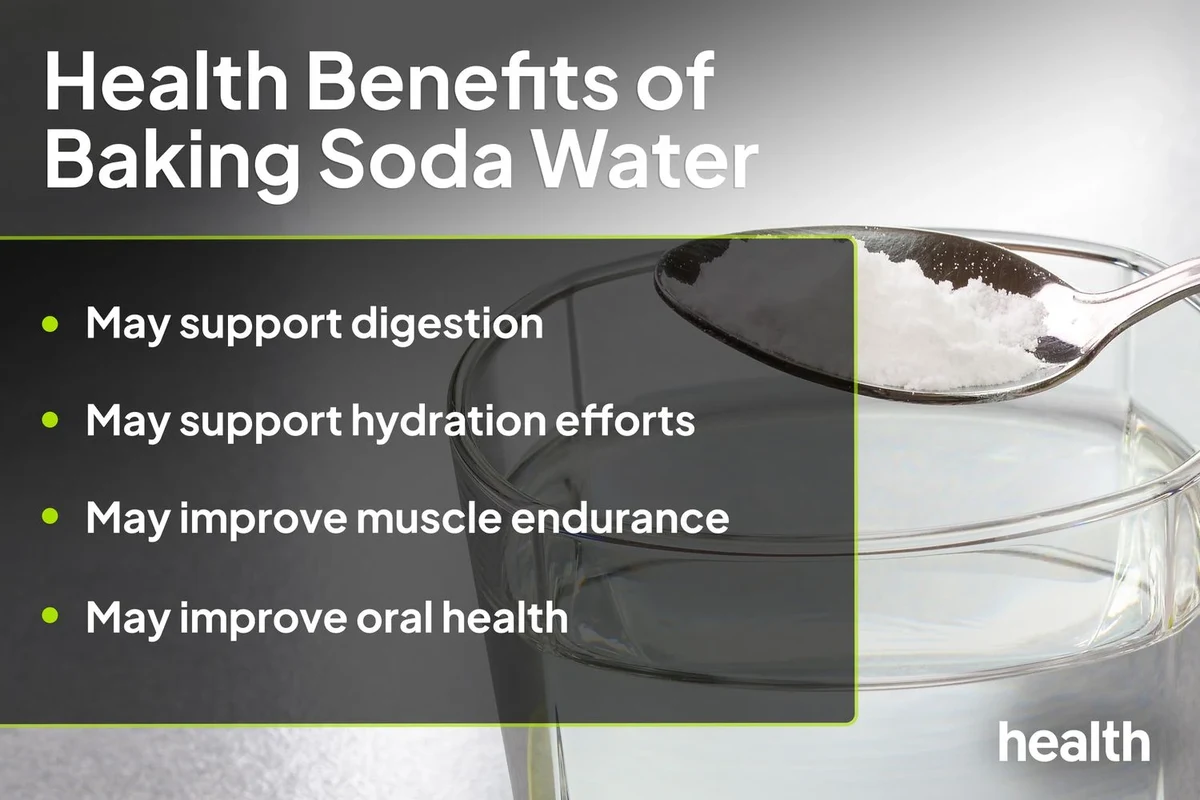
Alkaline baking soda water is water made more basic, or less acidic, by dissolving a small amount of baking soda in it. In practical baking terms, that higher pH can affect how proteins, starches, and sugars behave during mixing and heating.
This is not the same thing as using baking soda as a leavener inside a batter. The goal is usually surface change, not lift, which is why the technique shows up in specialty baking rather than everyday cake or cookie formulas.
How baking soda changes water chemistry and why that matters in 2026
Baking soda, or sodium bicarbonate, raises the alkalinity of water because it neutralizes some acidity. That matters because alkaline conditions can speed up browning reactions and change how dough or batter surfaces set in the oven or on the stovetop.
In modern baking, this is still a useful technique because many recipes now aim for precise color and texture. Whether you are in a pastry classroom or a home kitchen, the effect depends on the exact amount used, the recipe’s acidity, and the heat of the cooking method.
Alkalinity often deepens browning faster than plain water, but too much can push flavor toward bitter, soapy, or metallic notes.
Common uses in baking, pastry prep, and kitchen cleanup
In baking, alkaline water is most often used for pretzels, some bagels, and specialty noodles. It can also support deeper color in cocoa-based batters and help certain surfaces dry or brown more evenly.
Outside baking, bakers sometimes use a mild baking soda solution for cleanup because the alkalinity can help loosen residue. For food-contact surfaces, always rinse well and follow normal food-safety practices from recognized sources such as the FDA or USDA when needed.
Key Benefits for Bakers, Pastry Students, and Home Cooks
The main value of alkaline baking soda water is control. It gives you another way to influence appearance and texture when a recipe needs more than plain water can provide.
Improved browning, color, and flavor development in baked goods
Alkaline conditions encourage faster browning, which can make crusts look richer and more appetizing. That is one reason pretzels and bagels often have a darker, more bakery-style finish than soft sandwich bread.
Flavor can also shift. A small amount of alkalinity can add depth, but too much usually tastes harsh and can overpower delicate pastry flavors, especially in butter-forward doughs.
Potential effects on dough handling, texture, and surface finish
When used lightly, alkaline water can make some dough surfaces feel a little firmer and less sticky. That can help with shaping, scoring, and getting a smoother finish before baking.
It does not replace good dough development. Gluten strength, hydration, mixing time, and resting still matter more than the water’s pH, so this technique works best as a finishing tool rather than a fix for weak dough.
Results vary by flour brand, protein level, dough temperature, and how much acid is already in the recipe.
When alkaline water is useful for pretzels, noodles, and specialty pastries
Alkaline baking soda water is especially useful when a recipe depends on a chewy bite or a glossy, browned surface. Pretzels are the classic example, but some noodle styles also benefit from a slightly alkaline environment.
For pastry students, this is a helpful example of how chemistry affects appearance. A small change in pH can make a major difference in the finished product, even when the ingredient list looks almost the same.
How to Use Alkaline Baking Soda Water Safely and Correctly
The safest approach is to start mild and build only if a recipe specifically calls for a stronger alkaline effect. Because baking soda is potent, a little goes a long way in water.
Practical measurement guidance for different kitchen uses
Use the smallest amount that gives the result you want. For light surface alkalinity, many bakers begin with a very small quantity of baking soda in a measured amount of water, then adjust only after checking the recipe or testing a small batch.
If you are following a formula, follow that formula first. If you are experimenting, keep notes on the amount used, the recipe type, and the final color or flavor so you can repeat the result later.
- Measure the water before adding baking soda
- Use a clean spoon and bowl
- Decide whether the goal is browning, texture, or cleanup
- Test on a small batch first when possible
Mixing method, water temperature, and dissolving tips
Stir baking soda into water until it is fully dissolved and no gritty particles remain. Warm water usually dissolves it more easily than cold water, but you do not need boiling water for most baking uses.
Once mixed, use the solution consistently. Uneven dissolving can create hot spots of alkalinity, which may leave some areas darker or more strongly flavored than others.
Start with the exact amount called for or the amount you plan to test.
Stir until fully dissolved so the mixture stays even.
Apply the mixture while it is fresh and consistently mixed.
Ingredient compatibility: when it helps and when it can backfire
Alkaline water works best in recipes that can handle a deeper, more savory or toasted profile. It is often a poor match for very delicate pastries, light sponge cakes, or formulas that already rely on acidity for flavor balance.
If a recipe includes buttermilk, yogurt, sour cream, cocoa, or another acidic ingredient, the final result may change more than expected. That can be useful in some cakes, but it can also interfere with the intended taste or color if you add extra alkalinity without adjusting the formula.
Do not assume alkaline baking soda water is interchangeable with baking powder, yeast, or proofing. It changes pH, but it does not create the same leavening effect.
Common Mistakes That Reduce Results or Affect Taste
Most problems come from using too much baking soda or using it in the wrong recipe. The technique is simple, but the margin for error is smaller than many beginners expect.
Using too much baking soda and creating a soapy or metallic flavor
Too much baking soda can leave an obvious aftertaste. In finished baked goods, that usually shows up as a soapy, metallic, or overly alkaline note that lingers after swallowing.
If that happens, the solution is usually to lower the amount next time rather than masking the flavor with more sugar or salt. In some recipes, a small amount of added acid may help balance flavor, but that should be done carefully and with recipe testing.
The crust looks dark, but the flavor tastes harsh or chemical-like.
Reduce the baking soda amount, mix more evenly, and check whether the recipe already has enough acidity to balance the pH.
Expecting the same outcome across all flours, batters, and doughs
Different flours absorb water differently, and different batters brown at different rates. A strong bread flour dough will not behave like a tender cake batter, even if you use the same alkaline water.
Humidity, oven calibration, pan color, and rack position also matter. A dark pan and a hot oven can make browning appear faster, which may make the alkaline effect seem stronger than it really is.
- Test one recipe at a time
- Keep notes on flour and oven settings
- Watch for color, aroma, and surface set
- Changing multiple variables at once
- Using the same dose in every dough
- Assuming more alkalinity means better results
Confusing alkaline water with leavening, hydration, or proofing aids
Alkaline water does not replace proper hydration, mixing, fermentation, or proofing. If a dough is dense because it is underdeveloped or underproofed, adding more alkalinity will not solve the structural issue.
Think of it as a surface and flavor tool. It can improve the final look, but it cannot fix weak technique in the rest of the formula.
Best Baking Applications for Alkaline Baking Soda Water
Some recipes benefit clearly from this technique, while others do not need it at all. The best use cases are the ones where color, chew, and surface character are part of the goal.
Pretzels, bagels, and crust-focused doughs
Pretzels are the most familiar example because their signature color and flavor depend on an alkaline treatment. Bagels and similar crust-focused doughs can also benefit when you want a more pronounced exterior and a slightly denser bite.
For these items, look for even browning, a set crust, and a pleasant toasted aroma. If the crust darkens too quickly before the center is done, the solution may be too strong or the oven too hot.
Best when you want a deep brown crust and classic savory flavor.
Useful for tighter crumb, glossy surface, and stronger crust color.
Chocolate cakes, cocoa-based batters, and darker color development
Cocoa can respond well to alkaline conditions because it often looks and tastes richer when the pH shifts upward. That is one reason some chocolate cakes have a darker, more intense color than vanilla cakes of the same style.
Still, balance matters. Too much baking soda can flatten the flavor or make the crumb coarse, so this works best when the recipe is designed with the chemistry in mind.
If a chocolate batter already contains acidic ingredients, adjust cautiously. A small change can be enough to deepen color without disturbing the crumb.
Pastry and noodle techniques where alkalinity changes texture or appearance
Some noodles use alkalinity for elasticity, color, and a firmer bite. In pastry work, alkaline water may be useful when a recipe wants a more pronounced sheen or a slightly different surface set.
These are specialty applications, so the exact method depends on the cuisine and the intended finish. If you are studying pastry professionally, compare the recipe’s purpose with the final texture you want before adding alkalinity.
Storage, Freshness, and Safety Considerations
Because this is a simple water mixture, it is best used fresh and kept clearly labeled if you are making it ahead. The longer it sits, the more likely it is to be used inconsistently or confused with plain water.
How long mixed alkaline water stays useful before losing consistency
For the most reliable results, mix only what you need for the task at hand. If it sits for a while, the bigger issue is usually not spoilage but inconsistency from settling, contamination, or simple confusion with another container.
If you must store it briefly, keep it covered and labeled. Discard it if it looks dirty, has been contaminated, or no longer seems evenly mixed.
Food safety, utensil choice, and avoiding reactive containers
Use clean, food-safe containers and utensils. Glass, stainless steel, and many food-safe plastics are common choices, while damaged or unknown containers are better avoided.
For cleanup tasks, rinse food-contact items thoroughly after using a baking soda solution. If you are working around raw eggs, raw flour, or other ingredients with safety concerns, follow normal kitchen hygiene and official food-safety guidance.
Keep baking soda solutions away from eyes and store them out of reach of children. If you are using hot water, watch for steam and splash burns.
Signs that a mixture is too strong, too weak, or no longer effective
If the result tastes harsh, the mixture is probably too strong. If the recipe looks unchanged, the solution may be too weak or the application method may not suit the food.
When in doubt, compare a small test batch with a plain-water version. That side-by-side check is often the fastest way to see whether the alkaline treatment is actually helping.
Should You Use It? A Practical Decision Guide for Baking Pastry Schools Readers
For many recipes, plain water is still the best choice. Use alkaline baking soda water when you specifically want more browning, a firmer surface, or a traditional effect in a specialty item.
When alkaline baking soda water is worth using in training or at home
It is worth using when the recipe depends on visible color change, characteristic chew, or a more toasted finish. It is also a useful teaching tool because it shows how small chemistry changes can alter the final product.
In a class setting, it can help students learn to observe surface color, aroma, and texture rather than relying on timing alone. That skill carries over to many other baking projects.
When plain water, milk, or another ingredient is the better choice
Choose plain water when you want a neutral base and maximum control. Choose milk or another liquid when the recipe needs fat, sugar, protein, or tenderness more than alkalinity.
If the formula already has a clear flavor balance, adding baking soda water may do more harm than good. This is especially true for delicate pastries where subtle butter or vanilla notes should stay front and center.
Final recap for choosing the right approach based on your baking goal
Alkaline baking soda water is a targeted technique, not a universal upgrade. It works best when you want deeper browning, a more specialized texture, or a classic pretzel- or noodle-style finish.
If your main goal is tenderness, lift, or a neutral flavor, another ingredient is usually the better choice. For readers comparing techniques, it can help to also review related kitchen safety topics like are air fryers dangerous and cleanup-focused guides such as are air fryer baskets dishwasher safe when evaluating tools and methods in a modern kitchen.
For pastry students and home bakers alike, the best rule is simple: use alkaline water only when the recipe needs what alkalinity does best. If you stay measured, keep notes, and taste critically, you will know quickly whether it belongs in your baking routine.
Use alkaline baking soda water when your goal is darker color, a firmer surface, or a specialty finish that plain water cannot provide. Skip it for delicate bakes and use the simplest liquid that matches the recipe’s intended flavor and texture.
Frequently Asked Questions
Start with the smallest amount that fits your recipe or test batch. The right amount depends on the food, the water volume, and how much browning or texture change you want.
No. It changes pH and can affect color and flavor, but it does not work like a full leavener.
That usually means too much baking soda was used or the recipe was not balanced with enough acidity. Reduce the amount next time and test a smaller batch.
Sometimes, but only when the recipe is designed for it. It can darken cocoa-based batters, but too much may affect flavor and crumb.
It is best used fresh. If you store it briefly, keep it covered, labeled, and discard it if it becomes dirty or inconsistent.
Yes, when used in small measured amounts for cooking and baking. Use food-safe containers, avoid overuse, and follow standard food-safety guidance.