
Baking Soda and Ant Killer Methods That Actually Work

Baking soda can be part of a homemade ant bait, but it is not a dependable stand-alone ant killer. It works best for small, visible indoor problems and usually fails when the infestation is larger or the nest is hidden.
Baking soda and ant killer methods get a lot of attention because they are cheap, easy to try, and already in many kitchens. The short version: baking soda may help in some small ant situations, but it is not a reliable stand-alone solution for larger infestations.
- Best use: Small, localized ant activity near visible trails or entry points.
- Main limit: Baking soda is less reliable than targeted commercial baits.
- Placement matters: Ants must find and feed on the bait for any chance of success.
- Root causes matter: Food, moisture, and entry gaps must also be addressed.
Baking Soda and Ant Killer: What It Can and Cannot Do in 2026
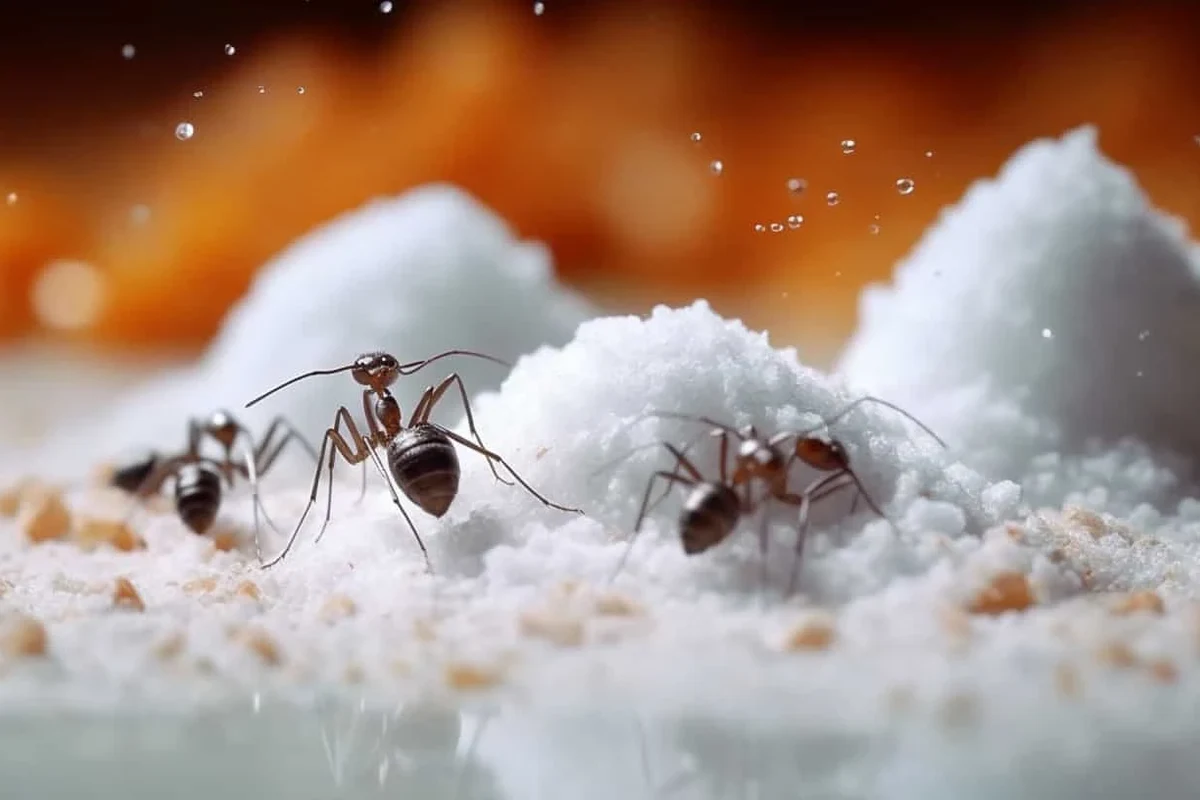
People keep searching for baking soda and ant killer because they want a low-cost fix that does not involve harsh chemicals. That makes sense, especially for small indoor problems near sinks, counters, or pantry edges.
Still, baking soda is not a proven “instant ant killer” in the same way a targeted commercial bait can be. It may contribute to control in some homemade bait setups, but results depend on the ant species, the food source, and whether the colony can actually take the bait back home.
Why this method stays popular in home pest control searches
The method stays popular because it sounds simple and uses common pantry ingredients. It also fits the way many homeowners think about pests: if ants are eating something, then a bait they carry back should help reduce the problem at the source.
There is also a practical appeal. Baking soda is familiar, inexpensive, and already used for cleaning and odor control, so people often try it before buying a pest-control product.
The science behind baking soda, sugar baits, and colony disruption
The idea behind baking soda and sugar bait is attraction plus delayed impact. Sugar draws foraging ants in, and the hope is that they carry the mixture back to the nest, where it may affect more than just the ants you can see.
The science here is less certain than many online claims suggest. Baking soda can react with acids, but ant control is not as simple as a kitchen reaction. In real homes, the bigger issue is whether ants eat enough of the bait, whether the bait stays appealing, and whether the colony accepts it.
Foraging ants often follow scent trails. If you remove those trails too early, the bait may never reach the nest in the first place.
When it may help with small indoor ant problems versus infestations
Baking soda-based methods may be worth trying when you see a few ants in one area and can clearly trace them to a food source or entry point. That is the kind of situation where a simple bait has a chance to be noticed and carried away.
If ants are appearing in multiple rooms, returning after repeated cleanup, or nesting in walls or outdoor soil, baking soda is usually not enough. Those situations often need a stronger baiting plan, better sanitation, and sometimes professional help.
How Baking Soda-Based Ant Control Works in Real-World Conditions
In theory, homemade ant bait should work because worker ants bring food back to the colony. In practice, that only happens when the bait matches what the ants want at that moment.
That is why one homeowner may see ants disappear after a few days, while another sees no change at all. The difference is often not the baking soda itself, but the species, the nest location, and what else is available to the ants.
Common baiting logic: attraction, ingestion, and delayed effect
The usual logic is simple: make the bait sweet enough to attract foragers, place it on a trail, and wait. The goal is to let ants feed without disturbing them so they keep returning.
Some people also use a dry mixture near trails, hoping ants pick up particles and carry them back. The practical limitation is that ants are selective. If the bait is too dry, too messy, or less appealing than crumbs, syrup, or pet food, they may ignore it.
Why results vary by ant species, nest location, and food availability
Different ant species have different feeding habits. Some prefer sweet foods, while others respond more strongly to protein or grease, especially at certain times of year.
Nest location matters too. If the nest is inside a wall void, under flooring, or outside near a foundation, the bait may never reach the colony in a useful way. Food availability matters as well: if the ants already have access to better food, they may not take your homemade bait.
When people say a homemade ant method “worked,” they often mean the visible trail stopped. That does not always prove the colony was eliminated.
Examples of situations where users report better or worse outcomes
Better outcomes are often reported when the ant activity is light, the trail is easy to find, and the bait is placed close to the path without being disturbed. Small kitchen invasions near a sink or window frame are the classic example.
Worse outcomes are common when the bait is placed randomly, the area is cleaned too aggressively, or the ants are nesting somewhere unreachable. Outdoor nests, moisture-damaged walls, and repeated seasonal invasions usually need more than a pantry remedy.
Safe Baking Soda and Ant Killer Methods People Actually Try
If you want to try baking soda and ant killer methods, the safest approach is to keep the application small and controlled. The goal is to observe ant behavior, not to dust the entire kitchen.
Baking soda with sugar bait for foraging ants
A common DIY approach is to mix baking soda with sugar and place a small amount where ants are actively foraging. The sugar is there to attract, while the baking soda is the ingredient people hope will help disrupt the colony.
Keep the amount small. A large pile is more likely to be avoided, scattered, or cleaned up before ants have time to feed. A tiny bait station is usually easier to monitor and less disruptive in a kitchen.
Do not place homemade bait where children, pets, or food-prep tools can reach it. Even common pantry ingredients can create choking or contamination risks when left loose.
Dry baking soda placement near entry points and trails
Some people try a dry line or light placement near cracks, baseboards, or visible trails. This is less about baiting and more about creating a small barrier near likely movement paths.
The downside is that ants may simply walk around it, and a thick layer can make a mess without improving control. If you use dry baking soda, keep it light and targeted, then watch whether ants continue to travel through the area.
Using baking soda around cracks, sinks, and pantry edges without overapplying
Edges and entry points are the most practical places to test a homemade method because that is where ant traffic is easiest to see. Sinks, pantry corners, and gaps near trim often show the first signs of activity.
Use only enough to observe a response. Overapplying can leave residue on food-contact surfaces, make cleanup harder, and create the false impression that more product will equal better control.
Measurements, Placement, and Timing That Affect Results
With homemade ant control, exact measurements matter less than consistency and placement. The best bait in the wrong spot will do nothing, while a modest amount placed on an active trail has a better chance of being noticed.
Practical ratios people use and why exact amounts matter less than consistency
Many DIY methods use roughly equal parts baking soda and sugar, though some people adjust the mix depending on how strongly ants are feeding. There is no universal ratio that works for every home or every ant species.
What matters more is whether the bait stays available long enough for foragers to return. If the mixture dries out, gets wiped away, or is ignored, the exact ratio will not rescue it.
If you are testing a homemade bait, start with a very small amount first. It is easier to add more later than to clean up a big spill or overwhelm the trail.
Where to place bait for highest ant traffic and lowest disruption
Place bait directly near active trails, not in random corners. Look for steady movement along baseboards, under sinks, behind appliances, or near tiny wall gaps.
A shallow lid or small dish can help keep the bait contained. That makes it easier to monitor whether ants are feeding and reduces the chance that the mixture gets spread across the floor.
How long to wait before judging whether the method is working
Give the method time before deciding it failed. In many home pest situations, it may take a couple of days to a week to see whether ant traffic decreases, though the timeline depends on the colony and the amount of competing food available.
If the bait is untouched after a reasonable observation period, or if ant activity increases, the method may not be a good fit. At that point, it is usually smarter to switch strategies than to keep adding more baking soda.
Common Mistakes That Make Baking Soda Ant Control Fail
Most failed attempts come down to one of three problems: too much product, too much cleaning, or the wrong expectation. Homemade bait only works if ants can find it, feed on it, and carry it away.
Using too much bait and driving ants away
Big piles can make ants suspicious or simply create a cleanup problem. In kitchens, excess bait can also spread into cracks and attract moisture, which makes the area harder to manage.
Small, controlled placements are usually better. Think “test and observe,” not “cover the whole area.”
Cleaning trails too early and losing the foraging path
Ants leave scent trails that help others follow the route. If you deep-clean the area before baiting has a chance to work, you may erase the path and prevent more ants from finding the bait.
A light cleanup around food debris is helpful, but avoid repeatedly scrubbing the exact trail you want to monitor. If needed, wait until after the baiting test is complete.
Expecting baking soda to solve moisture, sanitation, or nest-access issues
Ants are often responding to water, crumbs, grease, or easy entry points. If a sink leaks, pet food sits out, or pantry items are exposed, the colony has a reason to keep coming back.
Baking soda cannot fix those root causes. It may reduce visible traffic, but long-term control usually depends on sanitation, sealing gaps, and removing moisture sources.
Ants keep returning even after you place bait.
Check for crumbs, standing water, pet food, and open entry points. If the colony has easy access to better food or moisture, the bait will lose appeal.
Safety, Cleaning, and Household Limitations
Because baking soda is a common kitchen ingredient, it can seem harmless in every setting. That is not always true once you use it as a pest-control material near food, pets, or children.
Pet and child safety around homemade bait stations
Loose bait can be reached, spilled, or eaten by pets and small children. Even if the ingredients are familiar, the placement and concentration still matter.
If you try a homemade station, keep it out of reach and check it frequently. For households with curious pets or toddlers, a commercial bait station with better containment may be the safer option.
Do not place any bait where it can be mistaken for food. If you cannot keep it fully contained, use another method.
Food-contact surfaces, pantry storage, and cleanup concerns
Baking soda can leave a powdery residue, especially if overapplied. That is a concern on counters, shelves, and pantry floors where food is stored or prepared.
Clean up carefully after the test period and keep dry ingredients sealed. If you use the method near food-contact surfaces, wipe the area thoroughly before cooking or restocking pantry items.
When baking soda is not the right choice for kitchens, walls, or outdoor nests
Baking soda is a poor fit when ants are nesting in walls, coming from outdoors in large numbers, or repeatedly finding moisture inside the home. It is also not ideal if you need a fast, reliable result in a busy kitchen.
For stubborn or hidden infestations, a targeted bait and exclusion plan is usually more effective. If you want a broader home-care approach, our guides on baking soda vinegar cleaning ovens and clean drains with vinegar baking soda show how important placement and cleanup are in any baking soda method.
Better Long-Term Ant Control Options Compared With Baking Soda
If your goal is lasting control, baking soda is usually only one small part of the answer. The strongest results come from combining baiting with prevention and, when needed, professional treatment.
When commercial baits outperform DIY methods
Commercial ant baits are often formulated to stay attractive longer and deliver a more predictable dose. That can matter when ants are picky, the infestation is active, or the colony is large.
DIY baking soda mixtures may still be worth a try for a minor issue, but they are less dependable. If you need a better comparison, think of homemade bait as a low-risk experiment and commercial bait as the more targeted tool.
- Cheap and easy to test
- Uses ingredients already in the kitchen
- Can help you monitor ant traffic
- Unreliable against larger infestations
- May be ignored by some ant species
- Can create cleanup and safety concerns
Sealing entry points, removing food sources, and moisture control
These are the steps that usually make the biggest difference over time. Seal cracks, store food in closed containers, wipe up spills quickly, and fix leaks under sinks or behind appliances.
Moisture control matters because ants need water, not just food. If the kitchen stays dry and clean, the home becomes much less attractive even before any bait is used.
When to escalate to professional pest control for recurring infestations
If ants keep coming back after repeated cleanup and bait attempts, the colony may be hidden in a wall, foundation, or outdoor structure. That is when a professional inspection can save time and reduce trial-and-error.
This is especially true if you see multiple trails, large numbers of ants, or activity in several parts of the home. A pest professional can identify the likely species and choose a treatment approach that matches the problem.
Final Recommendation: Choosing the Right Ant Control Method for Your Home
Baking soda and ant killer methods can be a reasonable first experiment for a small, visible indoor ant problem. They are most useful when you can find the trail, keep the bait contained, and give it enough time to work.
Best use cases for baking soda-based methods
Use baking soda-based methods when ant activity is light, localized, and easy to monitor. A few ants near a sink, pantry edge, or window frame is the kind of situation where a cautious DIY trial makes sense.
If you do try it, keep the bait small, place it on active trails, and watch whether the ants actually feed. That is the real test, not whether the mixture looks clever or popular online.
Situations where another approach is more effective
If you are dealing with recurring trails, hidden nests, or ants that ignore the bait, move on to a better option. Commercial baits, sealing, moisture control, and sanitation usually outperform a homemade baking soda mixture.
For stubborn or widespread problems, the fastest path is often to stop experimenting and use a more targeted pest-control plan. That is especially true in kitchens where food safety and cleanup matter.
Practical recap for homeowners deciding what to try first
Start small, place bait where ants are already traveling, and keep expectations realistic. Baking soda may help in limited cases, but it is not a guaranteed ant killer and it will not fix the root cause by itself.
If the problem is minor, it can be a low-cost trial. If the problem keeps returning, the better move is to treat the home as a system: remove food, reduce moisture, block entry points, and choose a stronger control method when needed.
Should I keep using baking soda if the ants are still active after a few days?
Usually no. If the bait is not being taken or the ants keep returning, switch to a more effective control method rather than adding more powder.
Frequently Asked Questions
It may help in some small DIY bait setups, but it is not a guaranteed ant killer. Results depend on the ant species, how the bait is placed, and whether ants actually feed on it.
Many people use roughly equal parts baking soda and sugar, but there is no universal ratio that works for every home. Small test amounts matter more than exact measurements.
Place it near active trails, entry points, sink areas, or pantry edges where ants are already traveling. Avoid random placement because ants may never find it.
It can take a few days to about a week to judge whether the method is helping, though timing varies by infestation and ant species. If nothing changes, the bait may not be effective.
Only if it is kept fully contained and out of reach. Loose bait can still create choking, contamination, or accidental ingestion risks.
Use another method if ants keep returning, the problem is widespread, or the nest seems hidden in walls or outdoors. Commercial baits, sealing entry points, and professional pest control are often more effective.