
Baking Soda for Car Battery Corrosion Removal Guide

Baking soda can safely remove light car battery corrosion by neutralizing acidic residue and loosening the crust around the terminals. It works best when the battery is intact, the area is dried well, and you use it as a cleanup step rather than a repair for battery failure.
Baking soda can help remove light to moderate car battery corrosion because it neutralizes the acidic residue that builds up around terminals. Used carefully, it is a simple DIY cleanup method, but it is not a fix for a failing battery, damaged cables, or a charging problem.
- Neutralizes residue: Baking soda helps break down acidic corrosion on terminals and cable ends.
- Use mild solution: A small amount of baking soda with water is usually enough for safe cleaning.
- Dry thoroughly: Leftover moisture can speed up future corrosion.
- Watch for damage: Cracks, leaks, or repeated buildup need professional attention.
Baking Soda for Car Battery Corrosion: What It Does and Why It Works
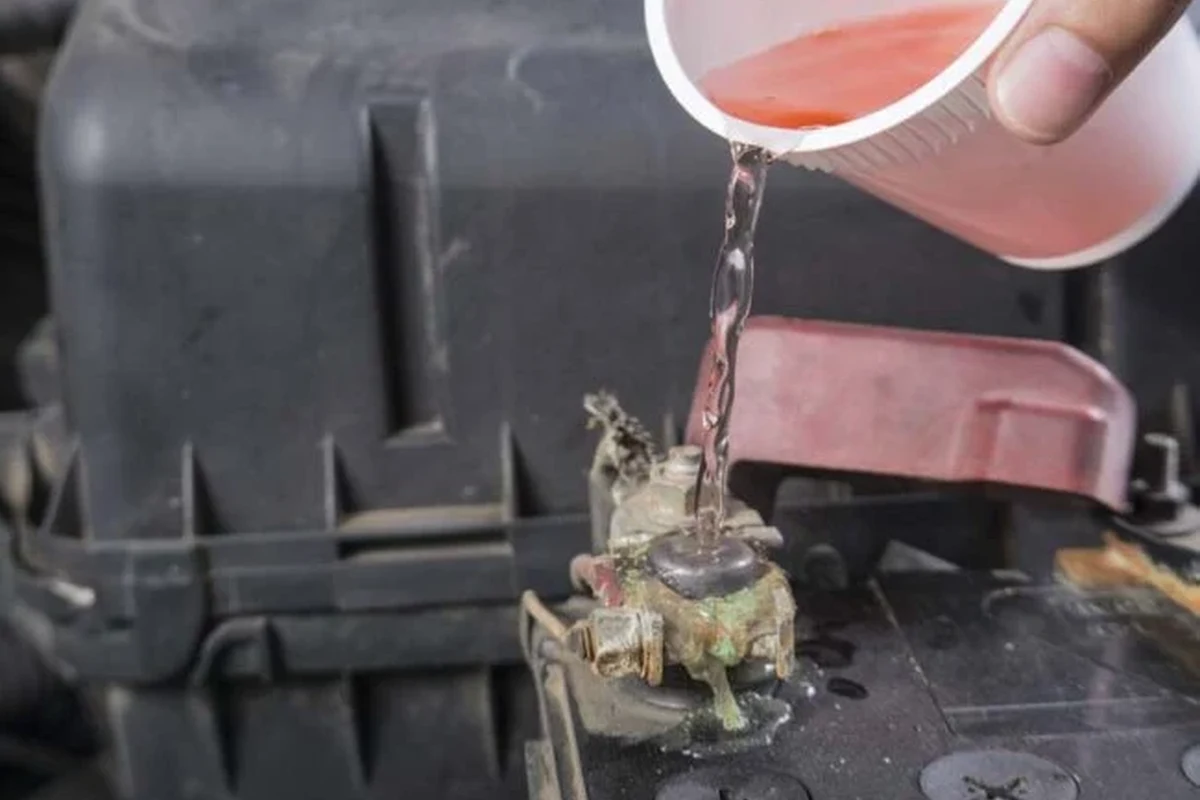
Battery corrosion usually appears as a white, blue, or green crust around the terminals and cable ends. That buildup often comes from small amounts of acid vapor or leakage reacting with metal and air, which is why a mild alkaline cleaner like baking soda can be useful.
The basic chemistry is simple: baking soda helps neutralize acidic residue so the crust loosens and can be wiped away. If you want a plain-language explanation of how that kind of reaction works, our guide to the reaction between baking soda and vinegar shows why bubbling and neutralizing are often linked in cleaning tasks.
How baking soda neutralizes acidic battery corrosion
Baking soda is sodium bicarbonate, which is mildly alkaline. When it touches acidic corrosion, it reacts with the acid and helps break down the crusty deposit, making it easier to remove with a brush or cloth.
This is helpful on battery terminals because the corrosion is often dry on the outside but still chemically active underneath. The goal is not to soak the battery; it is to stop the acid from continuing to eat at the metal contact points.
Corrosion can interfere with electrical flow even when the battery still has charge. A car may crank slowly, click, or lose power to accessories if the connection is poor enough.
Signs the corrosion is the real problem, not a dead battery
If the car has a strong battery but acts weak, look closely at the terminals first. Visible crust, loose clamps, or a powdery buildup around the posts often points to a connection issue rather than a fully dead battery.
Common clues include dim lights, intermittent starting, or power that returns after the cables are moved. If the battery case is swollen, cracked, or leaking, that is a different problem and needs more caution than a routine cleaning.
What You Need Before Cleaning Battery Corrosion
Before you start, gather everything first so you are not handling tools while acid residue is exposed. Good preparation matters here the same way it does in baking: once you begin, you want a smooth process with fewer chances to make a mess.
Recommended baking soda-to-water ratio for safe cleaning
A common starting mix is about 1 tablespoon of baking soda in 1 cup of water. That gives you a mild solution that is strong enough to neutralize light corrosion without being overly wet.
If the buildup is heavy, some people make a paste with a little less water so it clings better. Use only enough to coat the corrosion, since excess liquid can run into areas you do not want to wet.
The exact amount can vary depending on how much corrosion is present and how easy it is to reach the terminals. Start mild, then repeat if needed rather than making the mix stronger right away.
Protective gear, tools, and materials to gather first
Wear gloves and eye protection before you touch the battery area. Even a small amount of residue can irritate skin or eyes, and a loose flake can fall when you brush the terminal.
Use a non-metal brush if possible, plus rags for wiping and drying. A wrench may be needed if you decide to disconnect the battery, but use only the correct size so you do not round off the hardware.
When to disconnect the battery and when to avoid touching it
For light cleanup, some drivers clean around the terminals without removing the battery, but that should still be done carefully with the engine off and keys out of the ignition. If the corrosion is moderate or you need to remove cable ends, disconnecting the battery is often the safer choice.
Do not touch the battery if you see cracks, leaks, a swollen case, or signs of heat. In those cases, stop and follow the battery manufacturer’s guidance or get professional help.
Always work in a well-ventilated area. Car batteries can release hydrogen gas, and sparks, flames, or smoking nearby can create a serious hazard.
Step-by-Step Guide to Cleaning Car Battery Corrosion with Baking Soda
The cleaning process is straightforward, but the order matters. Think of it like careful prep in the kitchen: protect the area first, apply the solution second, and dry everything thoroughly at the end.
Preparing the engine bay and protecting nearby components
Start with the engine off and the parking brake set. If possible, remove jewelry and keep metal tools away from both terminals at the same time, since accidental contact can create a spark.
Place a rag or towel around nearby sensitive parts if the corrosion is messy. You are mainly trying to keep the baking soda solution on the terminals and cable ends, not on belts, open connectors, or painted surfaces.
- Engine off and cooled down
- Battery area visible and accessible
- Gloves and eye protection on
- Tools ready and within reach
- No open flame, smoking, or sparks nearby
Applying the baking soda solution to terminals and cable ends
Dip the brush into the baking soda solution and apply it directly to the corroded areas. You should see light fizzing if the corrosion is acidic, which is a sign the neutralizing action is working.
Do not pour the solution all over the battery. Controlled application is better because it reduces the chance of pushing moisture into electrical connections or onto other components.
Scrubbing buildup without damaging clamps or posts
Use gentle pressure and short strokes. The goal is to loosen the crust, not grind away the metal on the terminal posts or cable clamps.
If the buildup is stubborn, reapply the solution and wait a minute before brushing again. A battery brush is helpful, but even then, avoid aggressive scraping with screwdrivers or steel tools that can scar the surfaces.
Keep the brush, wrench, and cable ends from touching both battery terminals at once. A direct bridge between terminals can create sparks and damage the system.
Rinsing, drying, and checking for leftover residue
After the corrosion loosens, wipe away the residue with a damp cloth, then dry the area thoroughly. Use only a small amount of water, because lingering moisture can encourage more corrosion later.
Check the tops and sides of the terminals for white powder or damp residue. If the metal still looks dirty or crusty, repeat the process lightly rather than leaving partially cleaned buildup in place.
Common Mistakes That Can Make Battery Corrosion Worse
Most problems come from rushing. A battery cleanup should be controlled and dry as soon as possible, especially because water and electricity do not mix well around exposed terminals.
Using too much water or letting moisture sit on the battery
Heavy rinsing can spread corrosion residue into nearby spaces and leave water trapped around the terminals. That moisture can speed up future buildup if it is not dried off completely.
Use just enough liquid to activate the baking soda and lift the crust. Then dry the area with a clean rag and let it air out before reconnecting or starting the car.
Cleaning while the battery is still connected incorrectly
Cleaning a connected battery without care can create a short if tools or cable ends bridge the terminals. That is why many DIY guides recommend disconnecting the negative cable first when deeper cleaning is needed.
If you are unsure about disconnecting, consult the vehicle manual or a qualified mechanic. Manufacturer instructions matter here because battery layouts vary by car model.
Over-scrubbing, using metal tools, or ignoring cable damage
Scrubbing too hard can damage the clamp or terminal surface, which may create a weaker connection later. Metal tools can also scratch or bridge parts that should stay separate.
Also inspect the cable insulation and clamp ends. If the cable is swollen, frayed, or badly pitted, cleaning alone will not restore a reliable connection.
- Use a mild baking soda solution
- Dry the battery area completely
- Inspect cables after cleaning
- Soaking the battery with water
- Scraping with sharp metal tools
- Ignoring cracked or damaged parts
Safety Considerations When Using Baking Soda Around Car Batteries
Battery maintenance is not difficult, but it does deserve respect. The main risks are chemical exposure, sparks, and hidden battery damage that can turn a simple cleanup into a larger repair.
Why hydrogen gas, sparks, and open flames are a serious risk
Lead-acid batteries can release hydrogen gas, especially during charging or if they are damaged. Hydrogen is highly flammable, so a small spark from a tool or static discharge can be dangerous.
That is why you should keep cigarettes, lighters, and open flames away from the work area. Good ventilation and careful tool handling are basic safety steps, not optional ones.
How to handle cracked batteries, leaks, or heavy corrosion
If the battery case is cracked or leaking, do not treat it like a normal cleaning job. Stop, avoid direct contact, and follow the battery maker’s instructions for disposal or replacement.
Heavy corrosion that keeps returning quickly may also point to an overcharging issue or an old battery nearing failure. In that case, baking soda can clean the symptom, but it does not solve the cause.
Proper disposal of contaminated rags, residue, and waste water
Used rags and paper towels may contain acidic residue, so handle them carefully and dispose of them according to local waste rules. Do not leave them where children, pets, or other drivers can touch them.
If you collect runoff water, avoid pouring it where it could harm plants or surfaces. When in doubt, use minimal liquid in the first place so there is less waste to manage.
How to Prevent Battery Corrosion After Cleaning
A clean battery is only half the job. Prevention matters because corrosion usually returns when moisture, acid vapor, or loose connections remain in the system.
Applying terminal protectors, dielectric grease, or anti-corrosion spray
After the terminals are clean and dry, many drivers use a terminal protector, dielectric grease, or an anti-corrosion spray. These products help slow down air and moisture exposure at the contact points.
Follow the product label and vehicle guidance, since some products are meant for the terminal post and others for the clamp or felt washer. More product is not always better.
Terminal protectors and anti-corrosion sprays
These are best used after cleaning, not before. They work by creating a barrier that helps reduce future buildup, but they should never cover active corrosion or dirt.
Keeping terminals tight and checking for charging system issues
Loose terminals can vibrate, heat up, and corrode faster. After cleaning, make sure the clamps fit snugly and do not twist by hand.
If corrosion keeps coming back, the alternator or charging system may be overworking the battery. That is the point where a cleanup becomes a diagnostic issue, not just a maintenance chore.
Maintenance habits that help in humid, hot, or winter conditions
Humidity and heat can speed corrosion, while winter can reveal weak connections that were already there. Check the battery area during routine oil changes or seasonal prep, especially if your car sits outside.
Simple habits help: keep the top of the battery dry, inspect for white crust early, and test the battery if starting becomes inconsistent. If you also use baking soda around the home, our guide on baking soda in laundry benefits shows how the same ingredient can be useful in other cleaning tasks.
When Baking Soda Is Enough and When You Need a Mechanic
Baking soda is a good first step for light corrosion, but it is not a cure-all. The key is knowing when the issue is surface buildup and when it is a deeper electrical or battery problem.
Examples of mild corrosion that DIY cleaning can fix
Light white powder on the terminal, a small amount of crust around the cable end, or a car that starts normally after the connection is cleaned are all signs that DIY cleaning may be enough. In those cases, the battery may still be healthy.
If the clamps and posts are intact and the car starts reliably after drying and reconnecting, you have likely solved a contact issue rather than a battery failure.
Warning signs of battery failure, alternator trouble, or cable replacement
Repeated corrosion, a battery older than expected service life, slow cranking after cleaning, or dashboard warning lights can point to a larger issue. Clicking sounds, dimming under load, or charging problems should not be ignored.
If the cable ends are pitted or the insulation is damaged, replacement may be a better fix than repeated cleaning. A mechanic can test the battery and charging system to separate a weak battery from an alternator problem.
Choosing between a quick cleanup, battery service, or full replacement
A quick cleanup is usually right for mild buildup and otherwise normal battery performance. Battery service or replacement makes more sense when the battery is old, damaged, or repeatedly corroding despite proper care.
If you are unsure, choose the safer path and get the battery checked. That is often less costly than waiting until the car will not start at all.
Final Recap: Best Use Cases for Baking Soda on Car Battery Corrosion
Baking soda for car battery corrosion is best used as a mild neutralizer for light to moderate buildup on terminals and cable ends. It works well when the battery is otherwise intact, the vehicle is off, and you can clean, dry, and protect the area properly afterward.
Practical decision guide for homeowners, drivers, and DIY beginners
If you see surface corrosion and the battery case looks normal, a careful baking soda cleanup is a reasonable first step. If you see cracks, leaks, heavy damage, or repeated corrosion, skip the guesswork and have the battery or charging system checked.
For readers who like understanding the science behind common household ingredients, our article on when baking soda expires and should be replaced is a useful companion piece, since old baking soda can still be fine for some cleaning jobs but may not perform the same way in every task.
What a clean battery should look like after the process is done
After cleaning, the terminal area should look dry, metallic, and free of crusty residue. The clamps should sit firmly, nearby parts should not be wet, and there should be no active fizzing or powder left behind.
That clean, dry finish is the real goal: better electrical contact, less corrosion, and a safer battery area for the next time you start the car.
Frequently Asked Questions
A mild mix is about 1 tablespoon of baking soda in 1 cup of water. Use only enough to wet the corrosion lightly, then dry the area well.
Light cleanup may be possible without disconnecting, but it must be done carefully with the engine off. For heavier corrosion or cable removal, disconnecting the battery is usually safer.
It often appears as white, blue, or green powdery buildup around the terminals and cable ends. The buildup can also look crusty or damp.
No. Baking soda can clean corrosion and improve contact, but it cannot restore a failing battery or fix alternator problems.
Use only a small amount of water or a damp cloth so you do not soak nearby components. After cleaning, dry the battery area thoroughly.
Call a mechanic if the battery is cracked, leaking, swollen, heavily damaged, or keeps corroding after cleaning. You should also get it checked if the car still starts poorly after the terminals are cleaned.