
Baking Soda and Beans Tips for Faster Softer Cooking
Baking soda can help beans cook faster and soften more evenly when used in very small amounts. It works best for older beans, hard water, and recipes that need a creamy texture, but too much can make beans mushy or soapy.
Baking soda and beans can be a useful kitchen shortcut when you want legumes to cook faster and turn softer. Used carefully, it can help with old beans, hard water, and stubborn skins without changing the whole dish into mush.
- Use lightly: A small pinch to about 1/8 teaspoon per pound is a cautious starting point.
- Best candidates: Older dry beans, chickpeas, black beans, kidney beans, and hard-water batches.
- Watch the texture: Too much soda can cause mushiness, soapy flavor, or broken skins.
- Mind the acid: Tomatoes, vinegar, and lemon can slow softening and change the result.
- Test often: Stop cooking as soon as the beans reach the texture your recipe needs.
Baking Soda and Beans: Why This Old Pantry Trick Still Matters in 2026
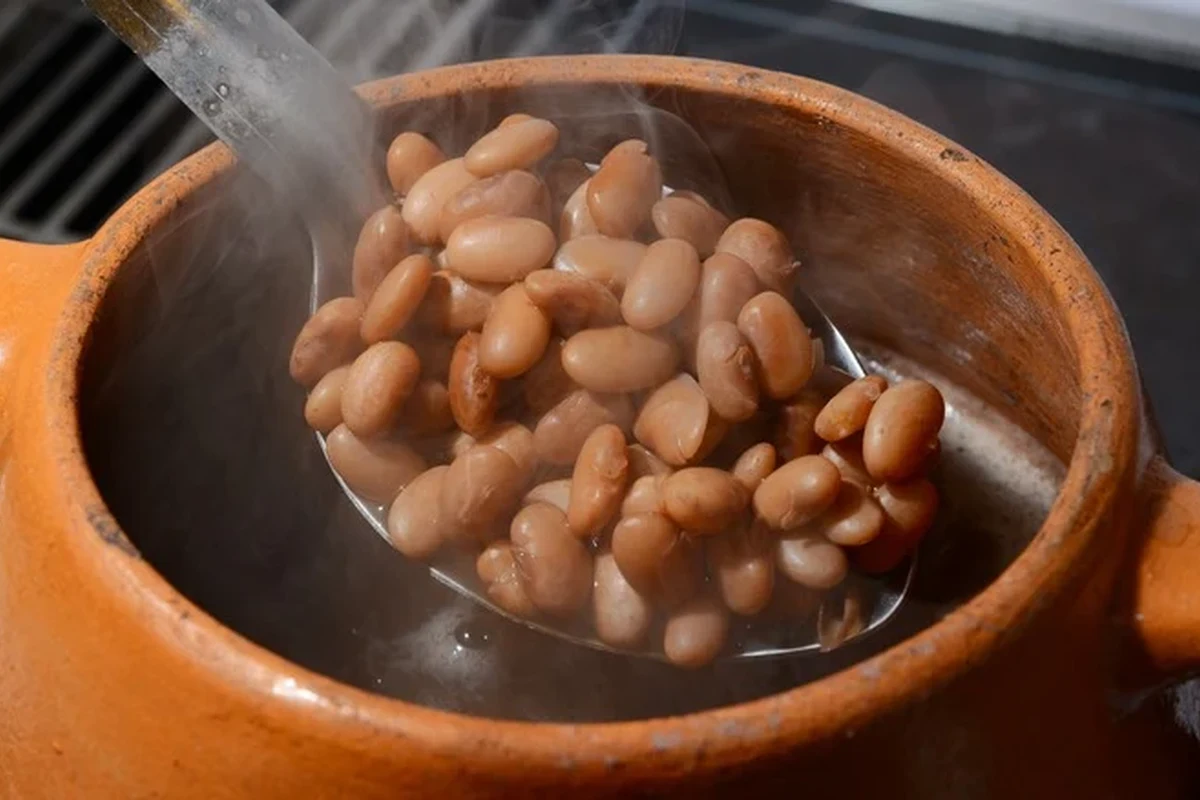
This method is still relevant because many home cooks want reliable, low-cost ways to speed up bean cooking. It can be especially helpful when dry beans are older, your tap water is hard, or you need a smoother texture for soups and spreads.
At a basic level, baking soda raises the pH of the cooking water. That change can help break down some of the structural material in bean skins and cell walls, which softens the beans sooner and can reduce cook time. It is the same kind of ingredient science that makes small changes matter in baking, which is why understanding baking soda versus baking powder is useful even outside cake and cookies.
What baking soda actually does to bean skins, pectin, and cook time
Beans contain pectin and other structural compounds that help them hold shape. In alkaline water, those structures break down more easily, so the skins soften and the interior can become tender sooner.
That does not mean all beans behave the same way. Some varieties respond quickly and evenly, while others can go from firm to fragile if the soda level is too high or the cooking time runs long.
Hard water can slow bean softening because minerals in the water affect how the bean structure breaks down during cooking.
Which bean varieties benefit most: black beans, chickpeas, kidney beans, and more
Black beans, chickpeas, kidney beans, navy beans, pinto beans, and cannellini beans are common candidates for a small baking soda boost. These are the legumes many cooks use for soups, dips, chili, salads, and meal prep, so texture matters.
Chickpeas often benefit when you want a creamy center for hummus. Kidney beans and black beans can also soften faster, though they still need gentle heat and enough water to avoid uneven cooking.
Older dry beans are usually the best candidates for this method because age can make them slow to soften, even after soaking.
How Much Baking Soda to Use with Beans Without Ruining Texture
The safe approach is to use a very small amount. More is not better here, because the goal is to gently shift the cooking water, not make it strongly alkaline.
Practical measurement ranges for soaked, unsoaked, and canned beans
For dry beans, a small pinch to about 1/8 teaspoon per pound of beans is a cautious starting point in many home kitchens. If you are cooking a larger pot, scale slowly rather than adding a full spoonful at once.
For soaked beans, use less than you would for unsoaked beans because soaking already gives you a head start. For canned beans, soda is usually unnecessary since they are already cooked; if you want them softer for a mash, rinse and warm them gently instead of relying on more alkalinity.
Exact amounts can vary by bean age, water hardness, and pot size. When in doubt, start with less baking soda and add only if the beans are still stubborn after a reasonable cook time.
Why too much baking soda can make beans mushy, soapy, or overly soft
Too much baking soda can weaken bean structure too quickly. The result may be a mushy texture, a slippery surface, or a soapy taste that is hard to hide in the finished dish.
That is especially noticeable in recipes where you want beans to stay intact, such as bean salads, grain bowls, or soups with clearly defined pieces. If you want the beans to hold shape, use the smallest effective amount and check them often near the end of cooking.
How water hardness and bean age affect the amount needed
Hard water can make beans cook more slowly, so a tiny amount of baking soda may help more than it would in soft water. Older beans also tend to need more help because their skins and interiors lose moisture over time in storage.
Freshly purchased beans from a high-turnover store may soften without any soda at all. Beans that have sat in a pantry for a long time are more likely to benefit from soaking plus a small soda adjustment.
Step-by-Step Method for Faster, Softer Bean Cooking
The best results come from combining good prep with patient cooking. Baking soda helps, but it works best when the beans have enough water, steady heat, and enough room to move.
Rinsing, soaking, and when to add baking soda before or during cooking
Start by sorting and rinsing the beans. Remove broken pieces and debris, then soak if your recipe allows time; soaking can help beans cook more evenly even before soda enters the picture.
You can add baking soda to the soaking water or to the cooking water, but use only a small amount either way. If you add it during cooking, dissolve it in a little water first so it spreads evenly instead of clumping on the bean surface.
Check for stones, damaged beans, or dust before cooking.
Soaking helps with even cooking, especially for larger beans and older stock.
Use a light hand and mix it into plenty of water.
Keep the simmer steady so skins soften without splitting too early.
Stovetop, pressure cooker, and slow cooker timing differences
On the stovetop, soda can shorten the time to tenderness, but the pot still needs a gentle simmer. A hard boil can break beans apart before the centers are fully soft.
In a pressure cooker, the effect may be even more noticeable because heat and pressure speed up softening. In a slow cooker, the soda can help, but the long cooking time means you should watch texture carefully so the beans do not over-soften near the end.
Best for control and frequent testing. Good when you want beans soft but still distinct.
Best for speed. Watch closely because small changes in timing can affect texture a lot.
Best for hands-off batches. Use caution with soda because long heat can push beans past tender.
How to test doneness for soups, stews, salads, and refried-style beans
For soups and stews, beans should be tender enough to bite cleanly but not collapse into the broth unless that is the goal. For salads, they should hold shape when stirred and cooled.
For refried-style beans, you want them soft enough to mash smoothly with a spoon. If the beans still feel chalky in the center, keep cooking in short intervals and test again rather than assuming the soda will finish the job instantly.
When Baking Soda Helps Most and When It Can Backfire
This trick is most useful when the beans are fighting you. It is less helpful when the beans are already tender or when the recipe depends on a bright, acidic flavor profile.
Using it for old beans, hard water, and stubborn legumes
If beans stay hard after soaking, baking soda may be the nudge they need. It is also helpful when your water is mineral-heavy and the beans seem to resist softening even after a long simmer.
For cooks who batch-prep beans for the week, this can save time and reduce waste. It is one reason this method still shows up in practical kitchen advice alongside other pantry habits like simple baking soda tricks that actually work and other everyday uses.
Cases where you should skip it: delicate beans, canned beans, and acid-heavy dishes
Skip baking soda when the beans are already tender, especially if they are canned. It is also a poor fit for delicate dishes where you want a clean flavor and a firm bean texture.
If the recipe includes tomatoes, vinegar, lemon, or other acidic ingredients, soda can work against the softening process. Acid slows down bean tenderness, so adding soda and acid together can create unpredictable results unless the recipe is built for that balance.
- Use a tiny amount for stubborn dry beans
- Add acidic ingredients after beans are tender
- Test texture often near the end of cooking
- Using soda as a fix for every bean recipe
- Adding lots of acid before the beans soften
- Leaving beans unattended once they turn tender
How acidic ingredients like tomatoes, vinegar, and lemon change the outcome
Acidic ingredients strengthen bean structure and slow softening. That is useful in some dishes when you want beans to stay firm, but it is a problem when you want them to turn creamy quickly.
If your recipe needs tomatoes or lemon, cook the beans first until nearly tender, then add the acidic ingredients later. That timing helps preserve texture and avoids the tough, never-quite-soft result that frustrates many home cooks.
- Faster softening for dry beans
- Helpful with hard water and older beans
- Can improve creamy textures for mashing
- Too much can make beans mushy
- Acidic recipes can cancel the benefit
- Flavor can turn flat or soapy if overused
Common Mistakes Home Cooks Make with Baking Soda and Beans
Most problems come from using too much, using it too soon, or assuming it can fix every batch. Beans are forgiving in some ways, but they still need balance.
Adding too much soda, too early, or without enough liquid
A heavy hand with baking soda can destroy the texture before the bean center is fully cooked. It can also make the liquid slippery and leave an off taste that is hard to remove later.
Not using enough water is another common issue. Beans need plenty of liquid to move freely and soften evenly, so a crowded pot can lead to uneven cooking even if the soda amount is correct.
Beans are soft on the outside but still firm in the middle, or they taste soapy.
Lower the soda amount next time, keep the simmer gentle, and make sure the beans are fully covered with liquid.
Confusing baking soda with baking powder in bean cooking
Baking soda and baking powder are not the same thing. Baking powder includes acid and starch, so it is not the right tool for changing bean-cooking water in the same controlled way.
If you are unsure which ingredient you have, check the label before using it. This matters in the kitchen just as much as it does in baking, where the wrong leavener can change the final texture completely.
Overcooking after softening and losing bean shape completely
Once the beans reach the texture you want, stop the aggressive cooking. Soda may get you there faster, but it does not protect the beans from overcooking.
That is especially important for black beans, kidney beans, and chickpeas used in salads or grain bowls. If you need the beans to stay intact, turn off the heat a little early and let residual heat finish the job.
Food Safety, Flavor, and Nutrition Considerations
Baking soda is a useful kitchen ingredient, but it should still be handled thoughtfully. Good technique matters for flavor, sodium, and safe storage after cooking.
How to avoid off-flavors and preserve a clean bean taste
Use the smallest amount that gives you the texture you want. That is the simplest way to keep the bean flavor clean and avoid the flat, alkaline taste that comes from overuse.
Rinsing cooked beans can help if the cooking liquid tastes too strong. For dishes like hummus, chili, and bean soup, the seasoning should support the beans rather than fight the soda.
Hot bean liquid can splatter during simmering and blending. Keep lids slightly offset, stir carefully, and use caution when transferring beans to a blender or food processor.
What baking soda can do to nutrients, sodium levels, and digestion
Baking soda adds sodium, so it is not neutral from a nutrition standpoint. If you are watching sodium intake, use it sparingly and factor in the rest of the recipe.
Alkaline cooking can also affect some nutrients, especially if beans are cooked very long or in a lot of water. For digestion, some people find thoroughly cooked beans easier to eat, but serious digestive concerns should be discussed with a qualified health professional.
Safe storage for cooked beans and how to reheat without breaking texture
Cool cooked beans promptly and refrigerate them in a covered container. Follow recognized food-safety guidance from the USDA or FDA for safe cooling, storage, and reheating practices.
When reheating, use gentle heat and enough moisture to prevent drying out. A splash of water or broth can help the beans warm evenly without breaking apart.
Best Practices for Consistent Results in Everyday Cooking
If you cook beans often, consistency matters more than a one-time shortcut. The best results come from matching the method to the bean type, the recipe, and how much time you have.
How to adjust for different bean sizes, brands, and storage age
Larger beans usually need more time than smaller ones, and different brands can behave differently because of age and storage conditions. Even the same bean type can vary from batch to batch.
That is why it helps to keep notes for your own kitchen. If one bag of chickpeas softens quickly and another stays firm, the difference may be storage age rather than your technique.
- Check whether the beans are old or freshly purchased
- Decide if the recipe needs beans to stay whole or turn creamy
- Confirm whether acidic ingredients are added early or late
- Use a pot with enough room for plenty of water
Simple real-world examples for soups, meal prep, and batch cooking
For a bean soup, a tiny soda addition can help older beans soften before the vegetables overcook. For meal prep, it can make a big batch of black beans or pinto beans more reliable across several lunches.
For refried-style beans, soda can help create a smoother mash with less time on the stove. For salad beans, use caution so they stay firm enough to toss with dressing and vegetables.
Helpful when older beans need a push and the goal is a soft, spoonable texture.
Good for batch cooking when you want consistent tenderness across several servings.
Useful for a smoother mash without excessive simmering.
How to decide between soaking only, soda-assisted cooking, or pressure cooking
If you have time, soaking alone is often enough for many bean recipes. If the beans are old, the water is hard, or the batch is stubborn, a small amount of baking soda can help.
If speed matters most, pressure cooking may be the better first choice, but still follow your appliance manual and verify timing for the specific bean type. A good rule is to choose the least aggressive method that gives you the texture you need.
Final Recap: The Smart Way to Use Baking Soda and Beans
Baking soda and beans can be a smart match when you need faster softening, especially for older dry beans, hard water, or creamy recipes. The key is to use a very small amount, add it with enough liquid, and stop cooking as soon as the beans reach the texture you want.
When the method is worth it, what to watch for, and how to choose the right approach
Use this method when the beans are stubborn and you want a practical kitchen fix, not a dramatic flavor change. Skip it when the recipe is acid-heavy, the beans are already tender, or you need a very firm final texture.
For most cooks, the smartest path is simple: soak when you can, use baking soda sparingly when needed, and rely on careful tasting and texture checks to finish the job. That approach gives you softer beans without losing the shape, flavor, or balance that makes the dish work.
Frequently Asked Questions
Start with a very small amount, such as a pinch to about 1/8 teaspoon per pound of dry beans. The exact amount depends on bean age, water hardness, and the texture you want.
Yes, but use less than you would for unsoaked beans. Soaking already helps the beans cook more evenly, so baking soda should be a light adjustment rather than the main method.
Too much baking soda can weaken the bean structure and make the beans overly soft. Overcooking after they soften can also cause them to lose shape completely.
Usually no, because canned beans are already cooked. If you want them softer for mashing, rinse them and warm them gently instead of adding more soda.
Yes. Acidic ingredients like tomatoes, vinegar, and lemon can slow bean softening, so they are usually best added after the beans are already tender.
It can be safe when used sparingly, but it adds sodium and can affect flavor and texture if overused. For storage, cooling, and reheating, follow USDA or FDA food-safety guidance.
