
Baking Soda and Gardening Tips for a Thriving Garden

Baking soda can help with a few small garden problems, especially early surface fungus and cleanup on hard surfaces. It should be used sparingly because too much can burn leaves and upset soil balance.
Baking soda and gardening can be a helpful pairing in a few narrow situations, but it is not a cure-all for plant problems. Used carefully, it may support spot treatments and cleanup jobs; used too often, it can damage leaves and disrupt soil balance.
- Best use: Mild spot treatments for surface-level issues like early powdery mildew.
- Main limit: It is not a fertilizer or a real soil amendment.
- Biggest risk: Overuse can cause leaf burn and salt buildup.
- Safer approach: Test one small area before treating the whole plant.
- Better long-term fix: Improve airflow, watering, and spacing first.
Baking Soda and Gardening: What It Can and Can’t Do in a Modern Garden
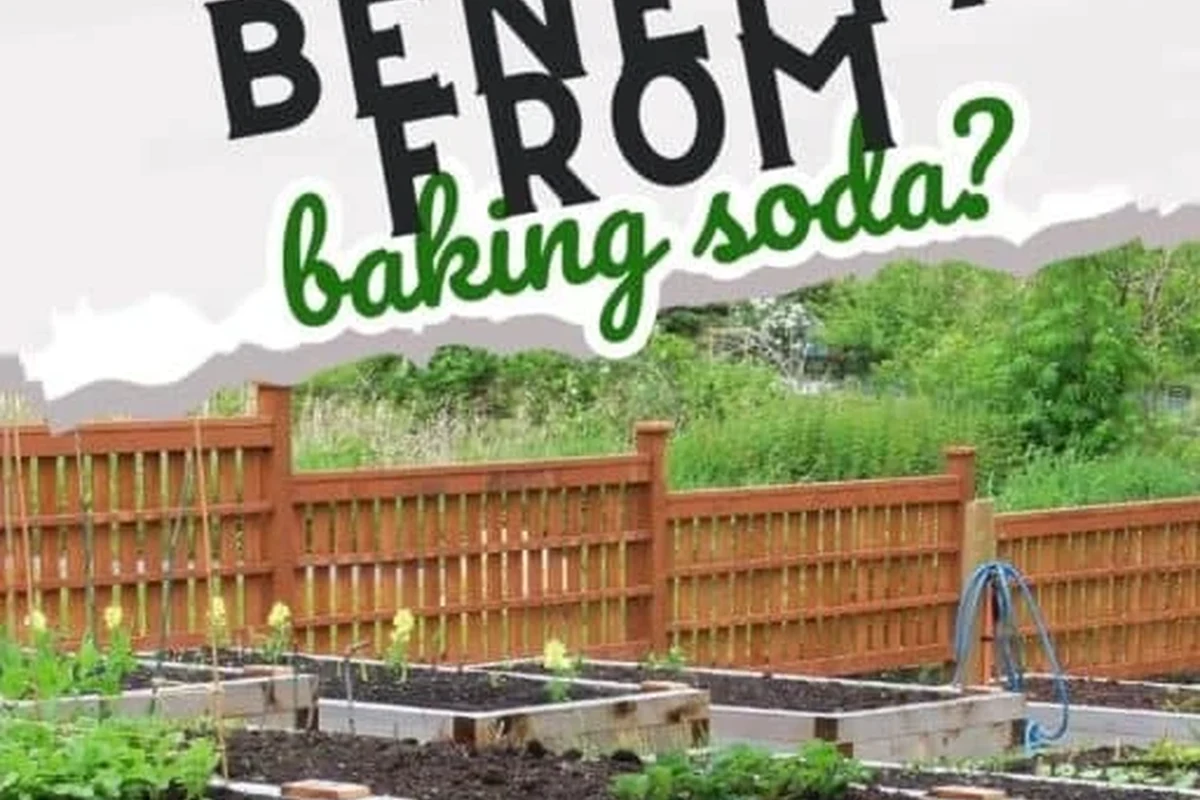
Why do gardeners still reach for baking soda in 2026? Mostly because it is inexpensive, easy to find, and tied to a long list of home-garden tips that circulate online. It also has a familiar role in the kitchen, so it feels safe and practical even when the garden problem is more complicated.
That said, many claims go beyond what baking soda can reliably do. It may help with some surface-level fungal issues and odor control around hardscape areas, but it does not replace good watering habits, soil care, or targeted pest control. If you have ever compared it with other home remedies like the baking soda and vinegar reaction, the key lesson is the same: chemistry can be useful, but only when it matches the job.
Why gardeners still search for baking soda in 2026
Gardeners often want a low-cost option that feels less harsh than commercial products. Baking soda seems appealing because it is already in the pantry and can be mixed into a spray or sprinkled in a few places.
It also gets attention because some problems in the garden are visible on the surface, such as white powdery patches on leaves or mild odors on patios and containers. Those are the kinds of issues where a simple, limited-use approach can sometimes make sense.
Common claims versus what the evidence actually supports
The strongest claim you will see is that baking soda “kills fungus” or “fixes every plant disease.” That is too broad. Baking soda can change the surface environment on a leaf, which may make it harder for some fungi to spread, but it is not a broad-spectrum disease cure.
It is also not a fertilizer, a soil conditioner, or a substitute for lime. If you are trying to correct soil pH, baking soda is usually the wrong tool because repeated use can create uneven salt buildup rather than a stable growing medium.
When baking soda is useful, and when it is the wrong tool
Baking soda is most useful for limited, surface-level jobs. Think of it as a spot treatment, not a garden strategy.
It is the wrong tool when plants are already stressed, when a disease is deep in the soil, or when the issue is caused by poor airflow, overwatering, or nutrient imbalance. In those cases, the fix should start with the growing conditions, not the spray bottle.
How Baking Soda Works in the Garden: pH, Fungi, and Surface Effects
To understand baking soda and gardening, it helps to keep the chemistry simple. Baking soda is sodium bicarbonate, a mildly alkaline compound that can change the pH on a leaf or surface where it lands.
That change can matter because some fungal spores prefer certain surface conditions. But the effect is local and temporary, which is why baking soda is usually considered a support tool rather than a stand-alone treatment.
Basic chemistry in plain language
In plain terms, baking soda can make a surface less friendly to some fungi by shifting it away from the conditions they prefer. It does not “sterilize” the plant, and it does not travel through the plant to protect every leaf.
That is one reason dilution matters so much. A light solution may help with a specific surface issue, while a strong one can leave residue or scorch tissue. If you want a similar example of how an ingredient works differently depending on use, see our guide on using baking soda instead of baking powder safely.
How it may affect powdery mildew and other fungal issues
Powdery mildew is the most common reason gardeners try baking soda. Because the disease appears on the leaf surface, a mild spray may slow spread when used early and paired with pruning, spacing, and dry foliage.
It may help less with diseases that are already inside the tissue or rooted in the soil. Once a problem is widespread, a baking soda spray is usually too weak to do the whole job on its own.
Why leaf burn and soil imbalance can happen with overuse
More is not better here. Too much baking soda can leave sodium on leaf surfaces, which may dry out tissue and cause burn, especially in hot sun or on tender growth.
Repeated use around the root zone can also contribute to salt buildup in the soil. That can interfere with water uptake and make plants look thirsty even when the soil is moist.
Never assume a stronger baking soda mix will work better. On plants, stronger often means more residue, more leaf stress, and a higher chance of damage.
Practical Ways to Use Baking Soda in Gardening Without Harming Plants
If you decide to use baking soda, keep the application narrow and purposeful. It works best when you treat a problem area instead of spraying every leaf in the yard.
Spot-treatment approaches for leaves and stems
Use baking soda only on plants that appear to tolerate it well, and only on the affected area. A light spray on upper and lower leaf surfaces is more sensible than drenching the plant.
Do not spray during intense sun or when leaves are already wilted. Moisture plus heat can increase the chance of burn, and stressed foliage is less forgiving.
Using baking soda around pathways, containers, and hard surfaces
Baking soda is often more practical on non-plant surfaces than on plants themselves. It can help freshen containers, pathways, and hardscape areas where odor or light residue is the issue.
It can also be useful for cleaning up around pots and benches, much like it is used in other household tasks such as refreshing carpet surfaces or cleaning shoes. The idea is the same: it is best for surface cleanup, not deep correction.
Examples of safe, limited-use applications for home gardeners
Common low-risk uses include a light spray for an early powdery mildew patch, a small cleanup job on a container rim, or a freshening treatment on a walkway where plants are not directly exposed.
These uses work best when you test first, wait, and watch for leaf response. That habit matters more than the exact recipe because plant sensitivity varies by species, age, and weather.
Think “small area first.” A test patch on one leaf or one container edge can save you from spreading a bad reaction across the whole garden.
Mixing Ratios, Application Methods, and Timing That Matter
With baking soda, the safest approach is usually the mildest one that still fits the task. Stronger mixtures are more likely to leave residue or damage leaves, especially on delicate plants.
Typical dilution ranges and why stronger is not better
Garden recipes vary, but most home-use suggestions stay in the mild range. The exact ratio depends on the plant, the problem, and what else is in the spray, so it is wise to follow a trusted source and verify before treating a large area.
If you are using a homemade spray, avoid the temptation to double the powder “just to be safe.” In plant care, concentration is a tradeoff: too little may do nothing, but too much can create new problems.
Recipe results can vary with water quality, humidity, leaf thickness, and plant type. Always check a small section first and give it time to show whether the plant tolerates the mix.
Spray coverage, reapplication frequency, and weather timing
Coverage matters because baking soda only works where it lands. Missed spots can let mildew continue spreading, while over-spraying can leave too much residue on the leaf.
Reapply only as needed, not on a fixed “more is better” schedule. Dry, mild weather is usually safer than hot afternoons or windy days, and rain can wash the treatment away before it has any effect.
How to test a small area before treating the whole garden
Choose one healthy-looking leaf or one small section of the plant and apply the diluted solution. Wait at least a day, and longer if the weather is hot, to see whether spotting, curling, or edge burn appears.
If the test area stays normal, you can treat a limited section next. If the plant reacts badly, stop and switch to another control method.
- Confirm the problem is suitable for a surface treatment.
- Mix a mild solution, not a stronger one.
- Test one small area before treating the whole plant.
- Avoid hot sun, drought stress, and tender new growth.
Common Mistakes Gardeners Make With Baking Soda
Most baking soda mistakes come from using it like a cure-all. That usually leads to too much product, too many applications, or the wrong target altogether.
Applying it too often or in too high a concentration
This is the most common problem. Frequent spraying can leave sodium behind, and that buildup is hard on leaves and roots.
If one application does not solve the issue, pause and reassess rather than immediately increasing the dose. The plant may need airflow, pruning, or a different treatment.
Using it on sensitive plants, seedlings, or stressed foliage
Seedlings, thin-leaved ornamentals, and plants under drought stress are more likely to show damage. Their tissues are simply less able to handle residue or pH shifts.
When in doubt, skip baking soda on tender growth. A safer option is usually to improve growing conditions first and use a more targeted product if needed.
Confusing baking soda with soil amendments or fertilizer
Baking soda is not a substitute for compost, fertilizer, or a real pH amendment. It does not add balanced nutrients, and it does not reliably improve soil structure.
If your soil needs correction, get the soil tested and choose an amendment that matches the result. Baking soda is a surface tool, not a soil plan.
Mixing it with incompatible products and creating plant damage
Some gardeners combine baking soda with other home remedies without checking whether the mix is stable or plant-safe. That can lead to leaf burn, clogging, or unpredictable residue.
Be especially cautious with anything acidic, oily, or strongly concentrated. If a treatment guide does not explain why the combination is safe, do not assume it is.
- Use baking soda sparingly and only for a clear surface-level reason.
- Test one plant section first.
- Follow up with pruning, spacing, and better watering habits.
- Spraying every plant “just in case.”
- Using a stronger mix to force results.
- Applying it to seedlings or already stressed plants.
Safer and More Effective Alternatives for Pest and Disease Control
Sometimes baking soda is simply not the best answer. If the issue is a pest, a soil-borne disease, or a repeated fungal outbreak, another method may work better and with less risk.
When neem oil, horticultural soap, or cultural controls make more sense
For soft-bodied pests, horticultural soap may be more appropriate than baking soda because it is designed for contact control. Neem oil may also fit some pest and disease situations, but it still needs careful use and label reading.
For many garden diseases, cultural controls are the real foundation. That means removing infected leaves, cleaning tools, and reducing overhead watering where possible.
Improving airflow, watering habits, and spacing to reduce disease pressure
Powdery mildew and similar problems often thrive where air stays still and leaves stay crowded. Thinning plants, spacing seedlings correctly, and watering the soil instead of the foliage can make a bigger difference than any spray.
These changes also reduce the need for repeat treatments. In many gardens, prevention is more effective than trying to rescue already damaged leaves.
Choosing the right solution based on the garden problem
Use baking soda when the issue is light, visible on the surface, and worth a cautious trial. Choose another method when the problem is persistent, severe, or tied to the roots, soil, or overall plant stress.
That decision-making approach is similar to choosing the right ingredient in baking: the tool has to match the job, or the result suffers. For reference on ingredient roles, our article on baking soda versus baking powder shows why one ingredient cannot replace another in every situation.
Storage, Safety, and Garden Planning for Long-Term Use
Even a simple pantry ingredient deserves a little planning. Good storage and clear records help you avoid waste and spot patterns in how plants respond.
How to store baking soda for gardening use
Keep it in a sealed container in a dry place so it does not clump or pick up moisture. If you mix a spray batch, label it and use it promptly rather than storing it for long periods without checking stability.
Do not keep it where it can be mistaken for food ingredients if you also bake at home. Clear labeling reduces mix-ups.
Protecting pets, children, and beneficial insects
Even though baking soda is a common household product, it still should be used carefully around pets and children. Keep containers closed, store sprays out of reach, and avoid treating areas where animals may lick or dig immediately afterward.
Also think about beneficial insects. A narrow, targeted application is less disruptive than broad spraying across flowers and foliage.
Wear gloves if you have sensitive skin, and avoid inhaling dust when measuring dry baking soda. If you are unsure about a plant problem, consult a local extension service or another trusted gardening resource before spraying.
Keeping a simple treatment log to track results and plant response
Write down what you sprayed, where you sprayed it, and how the plant looked before and after. A simple log helps you notice whether the treatment actually helped or whether the plant improved for another reason.
That record also keeps you from repeating a treatment that caused stress. Over time, the notes make your garden care more precise and less guesswork-driven.
Final Judgment: Is Baking Soda Worth Using in Your Garden?
Yes, baking soda can be worth using in a garden, but only as a limited, carefully chosen tool. It is most useful for mild surface issues and cleanup jobs, not for major disease control or soil correction.
Best-use scenarios for home gardeners
The best cases are early powdery mildew, small spot treatments, and non-plant surfaces like pathways or container edges. In those situations, a mild, tested application may offer a practical low-cost option.
Situations where it should be avoided
Avoid baking soda on seedlings, drought-stressed plants, sensitive foliage, or any problem that clearly starts in the soil or roots. Also avoid repeated heavy use, because salt buildup and leaf burn can create more damage than the original issue.
Recap for making a practical, plant-safe decision
Use baking soda and gardening together only when the goal is small, surface-level help and you can test first. If the problem is serious, recurring, or unclear, choose a better-matched solution and focus on the growing conditions that support healthier plants in the long run.
Baking soda is a useful backup, not a primary garden treatment. Treat it like a spot tool, keep the mix mild, and rely on airflow, watering habits, and proper plant care for the real results.
Frequently Asked Questions
It may help with early, surface-level powdery mildew when used as a mild spray. It works best alongside pruning, spacing, and better airflow.
No. Sensitive plants, seedlings, and stressed foliage can react badly, especially if the mix is too strong or applied in hot sun.
Not reliably. Repeated use can create salt buildup and uneven soil conditions, so it is not a proper soil amendment.
Only as needed, and not on a fixed heavy schedule. If you need repeated treatments, reassess the plant problem and consider another method.
Apply a mild solution to one small area first and wait to see if spotting, curling, or burn appears. If the plant reacts badly, stop immediately.
Neem oil, horticultural soap, pruning, better spacing, and improved watering habits may be better choices depending on the problem. Match the solution to the cause.