
Why Baking Soda and Vinegar Make a Reaction Explained
Baking soda and vinegar react because one is a base and the other is an acid, and together they release carbon dioxide gas. That gas is what makes the mixture fizz, foam, and sometimes overflow.
Baking soda and vinegar make a reaction because they are an acid and a base that quickly form carbon dioxide gas when combined. That gas is what you see as fizzing, foaming, and bubbling in the bowl, cup, or pan.
- Acid-base chemistry: Vinegar and baking soda react to form carbon dioxide, water, and sodium acetate.
- Timing matters: The fizz is short-lived, so the reaction must be used quickly in baking.
- Measurement matters: Too much of either ingredient can weaken results or leave off flavors.
- Safety counts: Never seal the mixture in a closed container because pressure can build fast.
Why Baking Soda and Vinegar Make a Reaction: The Science Behind the Fizz
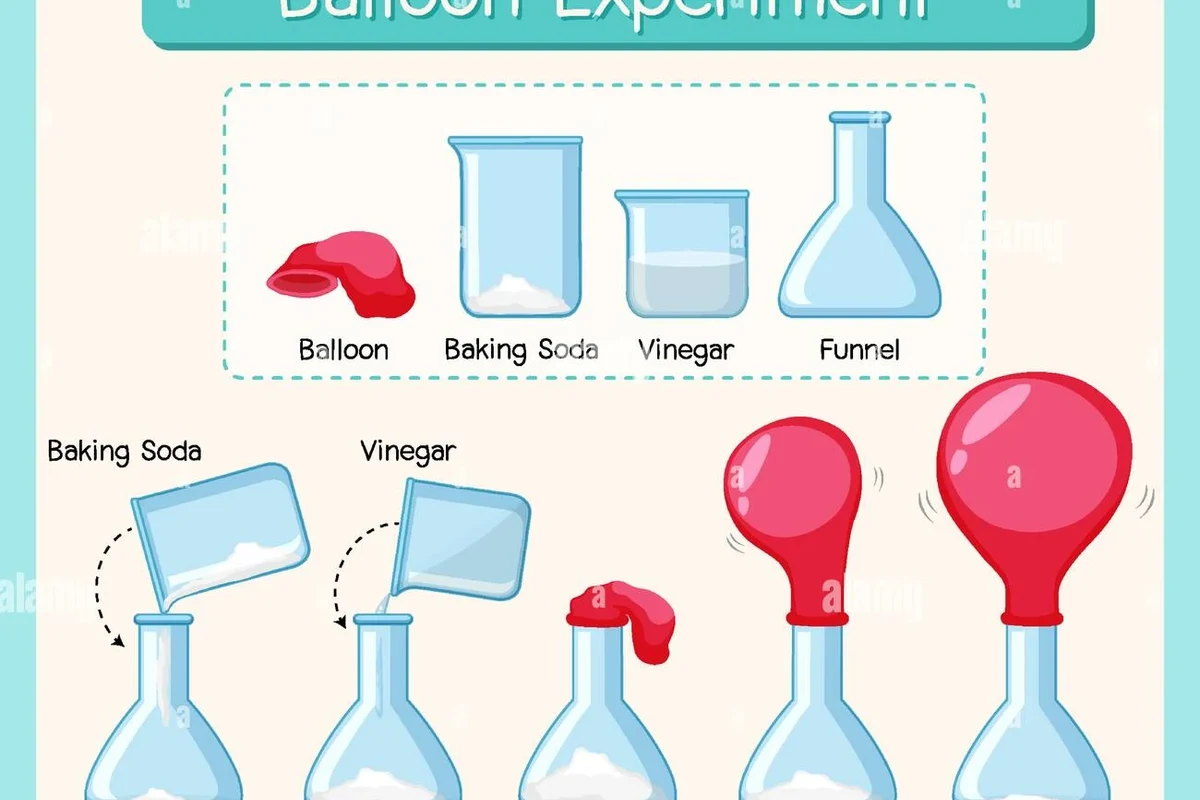
At its simplest, the reaction happens because baking soda is alkaline and vinegar is acidic. When the two meet, they neutralize each other and release gas fast enough to be easy to see and hear.
If you want a plain-English overview of the chemistry, our earlier guide on the baking soda vinegar reaction explained simply covers the basic idea in even shorter form.
What baking soda and vinegar are made of
Baking soda is sodium bicarbonate, a white powder used in baking and cleaning. Vinegar is mostly water with acetic acid dissolved in it, which gives it the sour smell and sharp taste.
Because both ingredients are common household items, the reaction is easy to demonstrate in a kitchen. But the fact that it is familiar does not make it trivial; the chemistry is real and predictable.
How an acid-base reaction creates carbon dioxide gas
When sodium bicarbonate meets acetic acid, they react and produce carbon dioxide, water, and sodium acetate. The carbon dioxide is a gas, so it tries to escape the mixture immediately.
That escaping gas is the main reason the reaction looks dramatic. In baking, the same gas can help lighten a batter; in cleaning or science demos, it creates the classic fizz.
Why the mixture foams, bubbles, and sometimes overflows
The foam forms because gas bubbles get trapped in the liquid for a moment before popping. If the reaction happens in a narrow cup, bottle, or measuring glass, the bubbles can rise fast and overflow.
The amount of foam depends on how much of each ingredient you use, how concentrated the vinegar is, and how much room the container has. A larger bowl usually gives the reaction more space and makes cleanup easier.
The reaction is fastest when the ingredients first touch each other, because the acid and base particles are available to collide right away.
What Actually Happens at the Molecular Level
At the molecular level, the reaction is a simple exchange of ions. The bicarbonate part of baking soda reacts with the acid in vinegar and forms carbon dioxide gas almost immediately.
The role of sodium bicarbonate in the reaction
Sodium bicarbonate is the base in the reaction. It is stable on its own in dry form, which is one reason baking soda can sit in a pantry for a while without changing much.
Once liquid acid is added, the bicarbonate ion breaks down and releases carbon dioxide. In baking, this is one of the ways quick breads and cakes get lift before the structure sets in the oven.
The role of acetic acid in vinegar
Acetic acid is the active acid in vinegar, though the exact strength depends on the product. Most household vinegar is dilute enough to be safe for kitchen use, but still strong enough to react clearly with baking soda.
The stronger the vinegar, the more intense the reaction can be, although the total result still depends on the amount of baking soda present. If you are using vinegar for food, cleaning, or a classroom demo, it is worth checking the label for acidity level.
Why gas production is so fast and visible
The reaction is visible because it produces a gas from two ingredients that start in liquid or powder form. Gas takes up much more space than the ingredients do, so the change looks sudden and energetic.
That speed is also why the reaction is useful in demonstrations. It gives an immediate visual cue that the chemistry is happening, which is much easier to observe than a slower, less obvious reaction.
For baking soda to work well in a recipe, the batter usually needs enough acid to react with it. If the recipe is not balanced, you may get poor rise or a soapy aftertaste.
How Strong the Reaction Is in Real Baking and Kitchen Use
In real kitchen use, the reaction is usually moderate rather than explosive. The visible result depends on ingredient ratios, mixing method, and how quickly the batter or solution is used after combining.
Typical household vinegar strengths and baking soda ratios
Most household vinegar is sold at a standard acidity level, though labels can vary by country and product. Baking soda amounts in recipes are usually small because too much can leave an unpleasant alkaline taste and affect browning.
For accurate results, measurements matter more than guesswork. A spoonful that is packed down, heaped, or loosely measured can change the balance enough to alter the final reaction.
Why measurement matters for controlled results
When baking, the goal is not just to make bubbles. The goal is to make the right amount of gas at the right time so the batter rises before the structure sets.
That is why careful measuring is important. Ingredient brand, humidity, altitude, pan size, oven calibration, and mixing time can all change how noticeable the reaction becomes.
Examples from cakes, muffins, cleaning, and science demonstrations
In cakes and muffins, the reaction helps create a lighter crumb when the recipe includes an acidic ingredient such as buttermilk, yogurt, brown sugar, citrus, or molasses. In those cases, the acid is already in the batter, so vinegar is not always needed.
For cleaning, the reaction is mostly about the visible fizz and the loosening action of the liquid. For science demonstrations, the foam is the point, which is why it is often used in volcano-style experiments and similar classroom activities.
Common Mistakes That Change the Reaction
Many problems come from expecting the reaction to behave the same way in every situation. In reality, the result changes depending on timing, quantity, and where the ingredients are mixed.
Using too much of one ingredient
If you use too much baking soda, the mixture may look active at first but leave a bitter or soapy residue. If you use too much vinegar, the reaction may be very wet and sharp-smelling without producing useful lift.
In baking, either imbalance can affect flavor and texture. In cleaning, too much of one ingredient can also waste product without improving the result.
The mixture fizzes, but the result tastes odd or does not rise well.
Check the recipe balance and measure carefully. If the recipe calls for another acid, such as yogurt or lemon juice, do not swap in vinegar unless the formula is adjusted.
Mixing them too early in batters or cleaning solutions
If baking soda and vinegar are mixed too early, the gas can escape before the batter reaches the oven or before the solution has time to do its job. That means the “lift” is partly lost before it can help the final result.
This is a common issue in quick breads and cakes, where timing matters. Once the reaction starts, it moves quickly, so the mixture should usually go into the pan or onto the surface promptly.
Expecting long-lasting leavening from the reaction alone
The reaction between baking soda and vinegar is fast, but it does not keep producing gas for very long. That makes it different from yeast, which works over time, or baking powder, which is designed to provide a more controlled rise.
For a deeper comparison of leavening choices, see our guide on using baking soda instead of baking powder safely. It explains why one ingredient cannot always replace the other without recipe changes.
Do not store baking soda and vinegar together in a sealed jar or bottle. The carbon dioxide gas can build pressure quickly and may cause the container to burst or spray.
Safety, Cleanup, and When the Reaction Can Go Wrong
Most baking soda and vinegar reactions are harmless when used correctly, but the mess can still be real. Foam, splashes, and slippery residue are the most common issues in the kitchen.
Why sealed containers are dangerous
When gas forms in a sealed container, the pressure rises because the gas has nowhere to go. That can push the lid off, crack the container, or send liquid spraying outward.
This is especially important in classroom demos and drain-cleaning attempts. If a recipe or cleaning method calls for this reaction, use an open container unless the instructions specifically say otherwise.
Managing splashes, foam, and slippery surfaces
Use a bowl or tray with enough room for expansion, especially when experimenting with larger amounts. Keep towels nearby and wipe up spills quickly, because wet baking soda residue can make counters and floors slippery.
If the reaction is used for cleaning, rinse the surface well afterward. For food prep, wash any utensils that carried the mixture before using them for the next step.
Keep the mixture away from your eyes and avoid leaning directly over a bubbling container. If you are working with children, supervise closely and use a wide, stable bowl.
Food-safe versus non-food uses in the kitchen
Baking soda and vinegar are both common kitchen ingredients, but that does not mean every use is food-related. Vinegar used for cleaning should be handled separately from ingredients meant for eating, especially if it has been mixed with other cleaners.
For general food safety guidance, follow recognized recommendations from official sources such as the USDA and FDA when handling food, cleaning surfaces, or storing ingredients. Never assume a cleaning mixture is safe for food contact unless the product directions clearly say so.
Practical Baking Examples That Show the Reaction in Action
In baking, the reaction matters most when it is part of a larger formula. It works best when the recipe is designed to use the gas before the batter sets.
How the reaction helps lift quick breads and cakes
Quick breads and some cakes rely on chemical leavening because they do not use yeast. When baking soda reacts with an acid in the batter, the carbon dioxide expands in the heat of the oven and helps create a lighter texture.
The batter still needs structure from flour, eggs, or other ingredients. Gas alone cannot hold up a cake if the formula is too weak or overmixed.
Why some recipes pair baking soda with acidic ingredients
Recipes often include baking soda alongside ingredients like buttermilk, sour cream, cocoa processed with acid, molasses, or fruit puree. These ingredients provide the acid needed for the reaction while also influencing flavor and browning.
That balance is one reason baking soda is not interchangeable with baking powder in every recipe. If you want to understand the ingredient relationship more deeply, our article on the difference between baking soda and baking powder is a useful companion read.
Use baking soda when the batter already includes an acidic dairy ingredient for lift and tenderness.
Use the reaction for a strong visual fizz where foam and gas production are the main goal.
Use the bubbling action as part of a scrubbing or loosening routine, then rinse thoroughly.
When vinegar is used for texture, flavor balance, or demonstration only
Vinegar is sometimes added in very small amounts to brighten flavor, balance sweetness, or support a particular texture. In those cases, it may contribute acidity without making the vinegar taste obvious.
In demonstrations, vinegar is usually chosen because it is easy to find and reacts clearly with baking soda. That makes it ideal for teaching the concept, even if it is not the best choice for every baking formula.
When Baking Soda and Vinegar Are the Right Choice—and When They Are Not
Baking soda and vinegar are useful when you want a quick, visible acid-base reaction. They are not the best answer when you need slow, steady leavening or a more predictable baked structure.
Best use cases for home baking, cleaning, and classroom science
For home baking, the reaction works best in recipes that already include an acid and are built for fast baking after mixing. For cleaning, it is mainly useful for light-duty tasks and demonstrations, not as a miracle cleaner.
For classroom science, the reaction is excellent because it is safe to observe with proper supervision and open containers. It clearly shows how an acid and base can produce gas.
- Easy to find ingredients
- Fast, visible reaction
- Useful in baking, cleaning, and demos
- Short-lived gas production
- Can overflow or splash
- Not a full replacement for baking powder or yeast
Situations where baking powder or another method works better
If you need reliable rise without adding extra acid, baking powder is often the better option because it is formulated to provide leavening on its own. Yeast is better when you want fermentation flavor and a longer rise time.
For some recipes, mechanical aeration such as whipping eggs or creaming butter and sugar may be the main lift instead. The best choice depends on the texture you want, the ingredients already in the recipe, and how much time you have.
Final recap: what to remember about the fizz and why it matters
Baking soda and vinegar make a reaction because an acid and a base combine to release carbon dioxide gas. That gas creates the bubbles, foam, and pressure that make the reaction so easy to notice.
In the kitchen, the reaction is useful when it is measured carefully and used at the right moment. In baking, cleaning, and science projects, the key is to match the ingredients to the job instead of expecting the fizz alone to solve everything.
- Measure ingredients carefully
- Use an open container
- Mix at the right time for the task
- Sealing the mixture in a jar
- Using the reaction as a long-rise method
- Assuming all vinegar strengths behave the same
For readers who use baking soda beyond baking, our guide to baking soda and vinegar cleaning ovens explains one practical non-food use and where the limits are. Used thoughtfully, the reaction is simple, safe, and genuinely useful.
Frequently Asked Questions
They react as an acid and a base, which quickly releases carbon dioxide gas. The gas creates the bubbling and foam you can see right away.
Not always. Baking powder is formulated to provide leavening on its own, while baking soda needs an acid in the recipe to work properly.
The reaction produces gas quickly, and the bubbles can rise higher than the container can hold. A narrow cup or too much ingredient makes overflow more likely.
No. Gas pressure can build quickly in a sealed container and may cause it to burst or spray.
Yes, when the recipe is balanced and baked promptly. The carbon dioxide helps lighten the batter, but the rest of the recipe must provide structure.
Different vinegars can vary in acidity, so the reaction may be stronger or weaker depending on the product. Check the label if you need a more controlled result.

