
Baking Soda and Sugar Uses Benefits and Easy Tips

Baking soda and sugar work together to control rise, browning, moisture, and texture in many baked goods. Careful measuring and the right acid balance help prevent bitter flavor, flat bakes, and uneven color.
Baking soda and sugar are two of the most common ingredients in home baking, but they do very different jobs. Understanding how they work together can help you improve texture, color, rise, and flavor in cakes, cookies, muffins, and quick breads.
- Science: Baking soda needs acid and heat to create lift, while sugar drives browning and.
- Measurement: Small errors can quickly change flavor, spread, and crumb, especially in cookies and muffins.
- Technique: Mix gently, bake on the right rack, and watch for visual doneness cues instead.
- Troubleshooting: Bitter taste, flat texture, and dark edges usually point to imbalance in soda, sugar.
- Storage: Keep both ingredients dry, sealed, and clearly labeled, and test baking soda if it.
What Baking Soda and Sugar Do in Baking: The Science Behind Their Roles
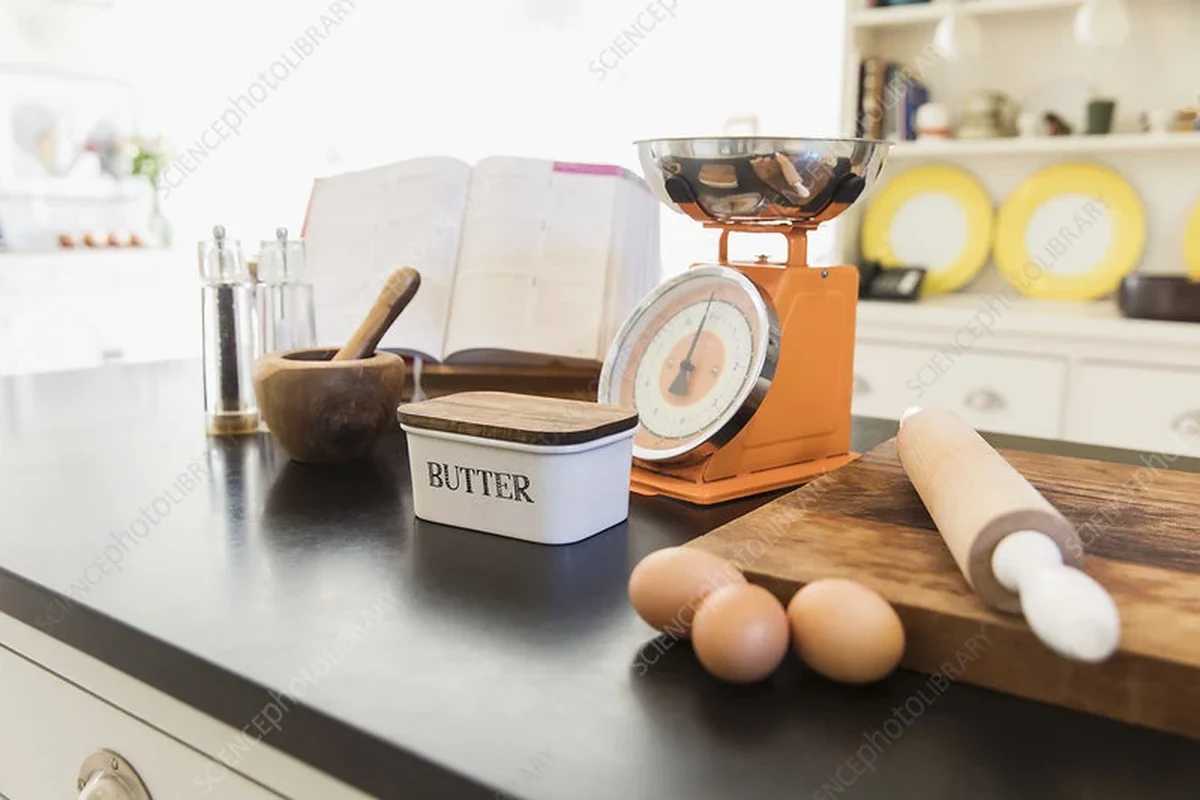
Baking soda is a chemical leavener. It needs an acid in the batter, such as buttermilk, yogurt, brown sugar, molasses, lemon juice, or natural cocoa, to create carbon dioxide gas that helps batter rise. Heat also helps set the structure so the baked item keeps its shape after the gas expands.
How baking soda reacts with acids and heat
When baking soda meets acid and moisture, it starts producing bubbles right away. That reaction is useful, but it also means the batter should usually go into the oven without delay unless the recipe is designed for resting.
If there is not enough acid, some baking soda may remain unreacted. That can leave a soapy or bitter taste and may also affect browning and texture. If you want a deeper explanation of how this reaction works, our guide to baking soda and vinegar reaction shows the same basic chemistry in a simple way.
Why sugar affects browning, spread, and moisture
Sugar does more than sweeten. It holds moisture, slows gluten formation, helps tenderize crumb, and supports browning through caramelization and Maillard reactions. In cookies and cakes, that usually means a softer texture, better color, and a more even crumb.
Too much sugar can make batter spread too far before it sets. Too little sugar can leave baked goods pale, dry, or less tender than expected. Sugar also affects how quickly the edges brown, which is why the same recipe can look done on the outside before the center is fully baked.
When the two ingredients work together in cakes, cookies, and quick breads
Baking soda and sugar often work best together when the recipe has enough acidity and enough structure to hold the rise. In a cookie dough, sugar helps spread and browning while baking soda encourages lift and a lighter bite. In a cake or muffin, the balance can mean the difference between a soft, even crumb and a dense or gummy center.
Brown sugar usually contributes more acidity and moisture than white sugar, so it can support baking soda more effectively in some recipes.
Common Baking Soda and Sugar Uses in Everyday Recipes
Most home bakers meet this ingredient pair in familiar recipes. The exact balance depends on the type of bake, the amount of acid in the batter, and the texture you want at the finish.
Cookie dough, muffins, and pancakes: where the balance matters most
In cookie dough, sugar controls spread while baking soda helps cookies puff slightly, brown well, and develop a crisper edge or chewier center depending on the formula. In muffins, the pair influences lift and tenderness, especially when the batter includes buttermilk, sour cream, or fruit.
Pancakes are another place where this balance matters. A batter with enough acid and baking soda can cook up light and tender, while too much soda can create a metallic aftertaste and uneven browning. If you are comparing leaveners, our article on using baking soda instead of baking powder safely explains when that swap works and when it does not.
Caramelization and crust development in sweet baked goods
Sugar is the main driver of surface color in many sweet bakes. As moisture evaporates, sugar concentrates and the surface browns faster, which is why cookie edges and cake tops can look finished before the center is fully set.
Baking soda can intensify browning by raising the batter’s pH, which encourages darker color. That is helpful in chocolate cookies, gingerbread-style bakes, and some quick breads, but it can become a problem if the recipe already bakes dark quickly.
Practical examples of recipes that depend on both ingredients
Recipes that commonly rely on baking soda and sugar include chocolate chip cookies, molasses cookies, banana muffins, apple snack cakes, gingerbread, and buttermilk pancakes. In each case, sugar supports sweetness, tenderness, and browning, while baking soda helps the batter rise and sets the final texture.
Usually need enough sugar for spread and enough baking soda for lift and browning without a bitter aftertaste.
Often depend on the acid-soda balance for a lighter crumb and a clean, even rise.
How to Measure Baking Soda and Sugar Correctly
Small measurement mistakes can change a recipe more than many beginners expect. Baking soda is especially sensitive because it is used in small amounts, and sugar can shift texture a lot even when the difference seems minor.
Why small measurement errors can change texture and flavor
Too much baking soda can make baked goods taste soapy, bitter, or overly browned. Too little can leave the batter dense and underlifted. Sugar errors can make cookies overspread, cakes turn dry, or muffins bake with a coarse crumb.
Do not guess with baking soda in a recipe that already has a delicate balance of acid and sweetness. A small excess can change flavor fast, and the effect is hard to fix after baking.
Measuring by weight versus measuring by volume
Weight is usually more consistent than volume, especially for sugar. A cup can vary depending on how packed or leveled it is, while a scale gives a repeatable amount. That matters most in recipes where structure and browning are closely linked to sugar content.
Baking soda is often measured in teaspoons, but even there, leveling matters. If a recipe is written by weight, follow the weight. If it is written by volume, use the same measuring tool each time and level carefully.
Signs you may be using too much baking soda or too much sugar
Too much baking soda can cause a metallic or soapy flavor, a dark yellow-brown color, or a coarse, open crumb. Too much sugar can make the edges spread too far, the surface brown too quickly, or the center stay soft and underbaked longer than expected.
Cookies taste bitter or leave a strange aftertaste.
Check whether the recipe has enough acidic ingredients to balance the baking soda, and measure the soda more carefully next time.
Best Mixing and Baking Methods for Better Results
Good technique matters as much as ingredient ratio. Even a well-balanced recipe can fail if the batter is overmixed, the oven is too cool or too hot, or the pan choice changes how fast the edges set.
How to combine dry and wet ingredients without overmixing
Mix dry ingredients together first so the baking soda disperses evenly. Then add wet ingredients and stir only until the batter comes together. Overmixing develops gluten in flour, which can make cakes and muffins tough and can also create uneven tunnels in the crumb.
- Whisk baking soda into the dry ingredients evenly.
- Measure sugar before mixing so you do not overwork the batter while searching for ingredients.
- Stop mixing as soon as the flour disappears in quick breads and muffins.
Temperature, timing, and pan choice for even baking
Oven temperature affects how quickly sugar browns and how soon the structure sets around the gas from baking soda. A dark pan usually browns faster than a light one, and a glass or ceramic pan may bake differently from metal because of heat transfer.
Rack position matters too. The center rack is often the safest starting point for even baking, but the best position depends on the recipe and oven model. If your oven runs hot or cool, use visual cues more than the clock alone.
How sugar level affects spread, rise, and doneness
More sugar usually means more spread, more browning, and a softer finished texture. Less sugar often means less spread and a firmer, drier result. In cakes and muffins, sugar also delays setting slightly, so the batter may need careful testing for doneness instead of relying only on color.
If a sweet batter browns too quickly, tent it loosely with foil near the end of baking and keep checking the center with a clean skewer or toothpick.
Common Mistakes When Using Baking Soda and Sugar
Most problems with this ingredient pair come from balance, not from the ingredients themselves. Once you know the common failure patterns, they are easier to prevent.
Flat bakes, bitter aftertaste, and uneven browning
Flat baked goods can mean too much sugar, too little flour structure, too much fat, or a leavener issue. A bitter aftertaste usually points to excess baking soda or not enough acid. Uneven browning often comes from poor oven circulation, uneven pan placement, or sugar settling unevenly in the batter.
Overbaking sweet doughs and how to spot it early
Sweet doughs and batters can look underdone in the center while the edges already look dark. Check for doneness by looking for set edges, a gently springy top, and a center that no longer looks wet. For cakes, a few moist crumbs on a tester are usually better than a completely dry result.
Hot sugar bakes can burn fast and hold heat longer than they look like they should. Use oven mitts, let pans cool on a rack, and avoid touching caramelized edges right away.
Using baking soda without enough acid in the batter
This is one of the most common recipe balance problems. Baking soda needs acid to react fully, so recipes without enough acidic ingredients may need baking powder instead, or a different formula altogether. If you are unsure about a substitution, it helps to review a reliable ingredient guide before changing the recipe.
For a broader ingredient reference, see our guide to the difference between baking soda and baking powder.
Storage, Freshness, and Safety Tips for Home Bakers
Fresh ingredients and clean storage help baking soda and sugar perform the way a recipe expects. This also reduces clumping, off odors, and contamination from moisture or crumbs in the pantry.
How to store baking soda and sugar to prevent clumping and contamination
Keep baking soda sealed tightly in a dry place away from strong odors. Sugar should also be stored in an airtight container so it stays free-flowing and does not absorb moisture. Use clean, dry measuring tools to avoid introducing water or crumbs into the container.
If you keep baking soda for both baking and other household uses, label the container clearly so it does not get confused with cleaning supplies. That is especially important in busy kitchens with multiple similar-looking boxes or tubs.
How to test whether baking soda is still active
A quick freshness check can prevent flat bakes. Stir a small amount of baking soda into a little vinegar or another acidic liquid; if it fizzes strongly, it is still active enough for most baking uses. If there is little or no reaction, replace it.
Freshness matters more for baking soda when a recipe depends on a fast, reliable rise. If you want a deeper pantry check, our article on whether baking soda expires explains how to judge when replacement makes sense.
Food safety and label-checking tips for modern kitchens in 2026
Always check ingredient labels if you are baking for allergies, dietary restrictions, or cross-contact concerns. Sugar blends, baking mixes, and packaged add-ins may contain allergens or be processed in shared facilities. For food safety questions about storage, contamination, or raw ingredients, follow recognized guidance from official sources such as USDA or FDA rather than relying on guesswork.
Also check your oven, thermometer, and measuring tools regularly. In 2026, many home kitchens use multiple appliances and shared containers, so clear labeling and clean storage are part of safe baking as well as good baking.
When to Adjust the Ratio: Troubleshooting by Recipe Type
There is no single perfect ratio of baking soda and sugar for every recipe. The right adjustment depends on the type of bake, the acidity of the batter, and whether you want a soft, crisp, tall, or tender result.
Soft cookies versus crisp cookies
Soft cookies often use enough sugar to hold moisture and enough baking soda to encourage spread and browning without drying the dough out. Crisp cookies usually need a formula that bakes a little longer, spreads more evenly, and contains enough sugar to dry into a snappier finish. Ingredient brand and dough temperature can change the result more than many bakers expect.
Quick breads, cakes, and breakfast bakes
Quick breads usually benefit from a balanced soda-acid reaction and moderate sugar for tenderness. Cakes need enough sugar for a fine crumb and even browning, but not so much that the center stays too soft. Breakfast bakes like pancakes and waffles often need a slightly different ratio because they cook quickly and depend on a lighter batter structure.
Best for cookies and muffins that should stay tender and moist with a lighter rise.
Best for cookies and bars that need more spread, drier edges, and stronger browning.
How to adapt for reduced-sugar or lower-sodium baking goals
Reducing sugar changes more than sweetness. It can reduce spread, browning, and moisture retention, so the recipe may bake up drier or less tender. Lowering baking soda changes the rise and can also reduce sodium, but it may require a different acid balance or another leavener to keep the texture acceptable.
When adjusting for health goals, make small changes and keep notes. A one-step reduction is easier to evaluate than changing several variables at once. If sodium reduction is important for medical reasons, use qualified guidance and read labels carefully before choosing ingredients.
Final Baking Pastry Schools Recap: Choosing the Right Balance for Reliable Results
The simplest way to think about baking soda and sugar is this: baking soda helps with lift and browning, while sugar helps with sweetness, moisture, spread, and color. When they are balanced well, the result is usually a bake that rises evenly, tastes clean, and browns attractively.
Simple rules for deciding when baking soda and sugar are helping or hurting your bake
If your bake tastes bitter, looks too dark, or has a strange soapy note, check the baking soda first. If it spreads too much, browns too fast, or feels dry, look at the sugar level, pan choice, and oven temperature. Small changes in one ingredient can have a visible effect on the final crumb.
- Measure carefully and use recipes with enough acid for the baking soda.
- Watch color, texture, and aroma as doneness cues.
- Keep sugar and baking soda sealed, dry, and clearly labeled.
- Do not swap leaveners without checking the recipe structure.
- Do not overmix once flour is added.
- Do not assume browning means the center is fully baked.
Before testing a new recipe, read the ingredient list for acid sources, decide whether the sugar level fits the texture you want, and confirm your oven is heating accurately. That simple habit will prevent many of the most common problems and make baking soda and sugar work for you instead of against you.
For dependable home baking, use baking soda for lift and browning only when the recipe has enough acid, and use sugar as both a flavor and texture ingredient. The best results come from careful measuring, gentle mixing, and watching the bake for real signs of doneness.
Frequently Asked Questions
Baking soda helps cookies rise, spread, and brown, while sugar controls sweetness, moisture, and texture. Together they shape whether a cookie ends up soft, chewy, crisp, or thin.
Usually no, because sugar affects spread, browning, and moisture as well as sweetness. If you reduce it, expect changes in texture and color, and adjust carefully in small steps.
The bake can taste bitter, soapy, or metallic, and it may brown too quickly. Too much soda can also weaken the balance of the batter if there is not enough acid to react with it.
Mix a small amount with vinegar or another acid and look for strong fizzing. If the reaction is weak, replace it before baking.
Baking soda needs acid in the batter, while baking powder already includes an acid component. The recipe’s ingredients determine which leavener works best.
Small changes can be fine, but large changes can affect flavor, rise, and browning. If you are baking for health reasons or allergies, check labels carefully and use reliable guidance before substituting.