
Baking Soda and Vinegar Experiment Fun Science for Kids
The baking soda and vinegar experiment shows kids how an acid-base reaction creates carbon dioxide gas, foam, and pressure. It is a simple, safe, and useful way to teach basic chemistry with clear visual results.
The baking soda and vinegar experiment is a simple way to show kids how a chemical reaction can create gas, foam, and pressure. It is easy to set up, inexpensive, and useful for teaching basic chemistry in a home kitchen or classroom.
- What it shows: The reaction produces gas, which creates fizzing and foam.
- Best setup: Use a small measured amount in a stable, open container on a tray.
- Main lesson: Kids can observe variables like ratio, temperature, and container shape.
- Safety rule: Never seal the container or let children handle the mixture unsupervised.
- Why it matters: It connects everyday kitchen ingredients to real chemistry and baking science.
What the Baking Soda and Vinegar Experiment Actually Shows Kids About Chemistry
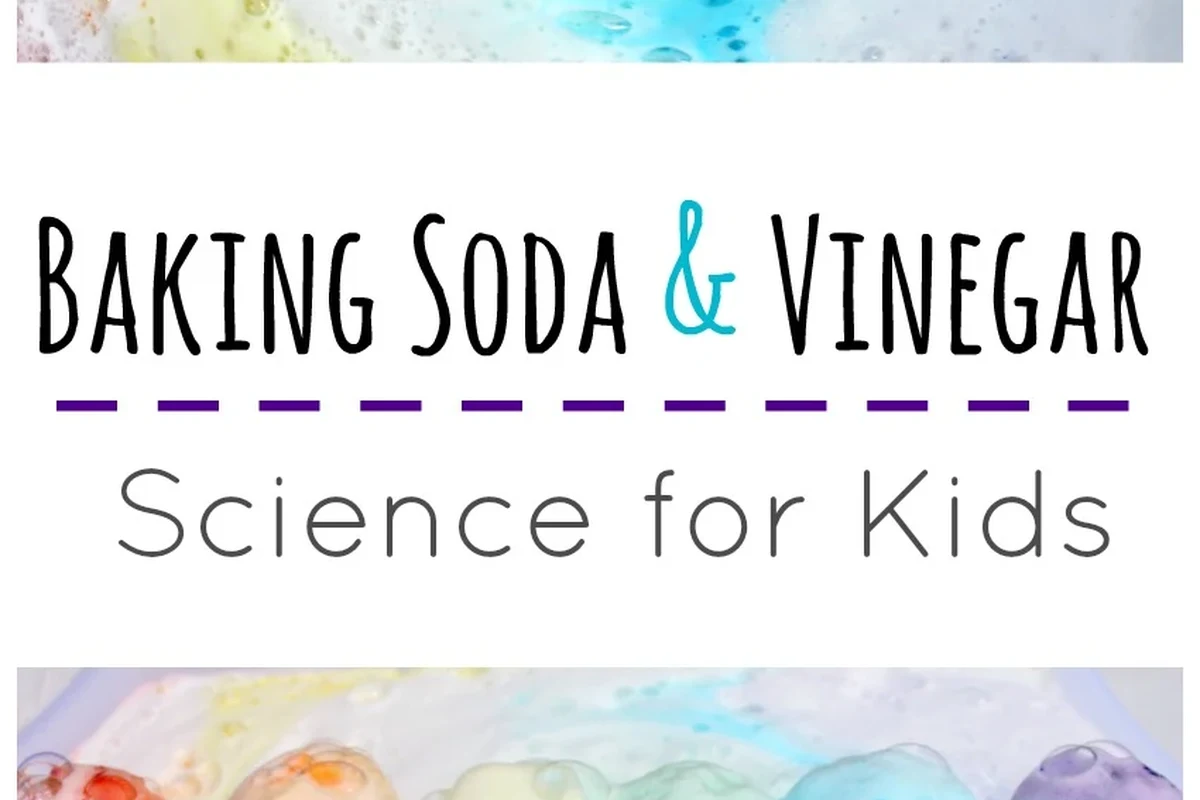
This experiment works because baking soda is a base and vinegar is an acid. When they mix, they react and produce carbon dioxide gas, which is what makes the mixture bubble and expand.
That visible fizz is helpful for young learners because it turns an invisible science idea into something they can see right away. In baking, this same kind of gas production is part of how leavening works, which is one reason the topic fits naturally with a baking soda blog.
Why the reaction foams, fizzes, and expands
The foam forms because the gas gets trapped in the liquid and creates bubbles. If the container is narrow or the reaction is strong, the bubbles can climb quickly and overflow.
The reaction can also feel slightly cooler to the touch because chemical reactions may absorb heat from the surroundings. That temperature change is usually mild, but it is another useful observation for children to note.
What children can observe: gas production, pressure, and temperature change
Kids can watch the mixture grow, rise, and sometimes push a balloon or foam out of a container. Those changes show that gas is taking up space even though it is hard to see directly.
This is also a good moment to talk about pressure. When gas builds up in a closed or partly closed space, it needs somewhere to go, which is why supervision matters and why sealed containers are not appropriate for this activity.
Baking soda is sodium bicarbonate, and vinegar is a dilute acetic acid solution. Their reaction is a classic beginner example of an acid-base reaction that produces carbon dioxide gas.
Materials Needed for a Safe, Classroom-Friendly Version of the Experiment
You do not need special equipment for a basic version, but the right container and a simple measuring method make the reaction easier to control. For group settings, it helps to keep the setup consistent so children can compare results fairly.
Best vinegar type, baking soda amount, and container choices
Plain white distilled vinegar is usually the easiest choice because it is clear and consistent. Household vinegar strengths can vary by brand, so the reaction may look slightly different from one bottle to another.
A small cup, bowl, or tray works well for a tabletop demo. Baking soda amounts should be modest so the foam stays manageable; a teaspoon or two is often enough for a visible reaction, though the best amount depends on the size of the container and how dramatic you want the result to be.
Optional add-ins for color, measurement, and visual learning
Food coloring can make the foam easier to see, especially in a classroom. A tray underneath the container helps contain spills and makes cleanup simpler.
Some teachers also use a balloon, a spoon, or a measuring cup to show how changing the amount of each ingredient changes the outcome. If you want a more structured comparison, label each trial so children can record what they used and what happened.
For a classroom, it is usually better to use the same vinegar brand, the same spoon size, and the same container shape for every group. That makes the experiment easier to compare and discuss.
Safety basics for home, school, and supervised group settings
This is a low-risk activity when it is supervised, but it still deserves basic kitchen safety. Keep the mixture away from eyes, avoid sealed containers, and do not let children taste the ingredients or the reaction mixture.
If you are working with younger children, choose a stable surface and keep paper towels nearby. For students with sensitive skin, gloves can help during cleanup, and adults should handle any spills around electrical outlets or appliances.
Do not cap, tightly seal, or shake a closed container after mixing baking soda and vinegar. The gas can build pressure quickly and may force liquid out or cause the container to burst.
Step-by-Step Setup for a Simple Baking Soda and Vinegar Experiment
The best version of this experiment is the one that is easy to repeat. That makes it useful for both a one-time demo and a more formal science lesson.
Measuring the ingredients for predictable results
Start with a measured spoonful of baking soda in the bottom of the container. Then measure a small amount of vinegar separately so you can pour it in all at once.
Predictable measurements matter because too much liquid can dilute the reaction and make the foam less dramatic. If you want students to compare results, use the same starting amounts for every trial.
- Set the container on a tray or washable surface
- Measure ingredients before combining them
- Keep towels nearby for quick cleanup
- Make sure the area is well ventilated
How to combine them for the strongest visible reaction
Pour the vinegar onto the baking soda in one smooth motion. The reaction is easiest to see right away when the ingredients meet all at once rather than being added slowly in tiny amounts.
If you want a bigger visual effect, use a slightly wider container so the foam has room to spread. A narrow container can make the reaction look taller, but it can also overflow faster.
Place the measured baking soda in the bottom of the container.
Quickly add the vinegar and step back to watch the fizzing reaction.
Notice the foam, bubbles, and any rise in the mixture during the first 30 seconds.
What kids should watch for during the first 30 seconds
The first few seconds are the most active. Children should watch for bubbling at the surface, foam rising, and the sound of fizzing as gas escapes.
It also helps to ask them to describe what changes first and what changes later. That kind of observation builds scientific thinking better than simply watching a “volcano” burst out of a cup.
How to Turn the Experiment Into a Real Science Lesson
This experiment becomes more valuable when children do more than watch it once. Even simple comparisons can introduce the idea of variables and fair testing.
Testing different ratios and recording observations
Try changing only one ingredient at a time. For example, keep the baking soda amount the same and use slightly different vinegar amounts, or keep the vinegar fixed and vary the baking soda.
Have children record what they see in plain language: how high the foam rose, how long the fizz lasted, and whether any liquid remained at the end. That turns a fun activity into a basic experiment with observations and results.
Comparing container shapes, temperatures, and vinegar strengths
Different container shapes can change the look of the reaction. A wide bowl may spread foam across the surface, while a tall narrow cup may make it rise quickly.
Temperature can matter too. Ingredients at room temperature are usually easiest to compare, while colder liquids may react a little differently. Vinegar strength can also vary, so if you are doing classroom comparisons, note the label and keep it consistent.
Using the experiment to introduce acids, bases, and chemical reactions
This is a simple place to introduce the words acid, base, and reaction without making the lesson too technical. Vinegar is acidic, baking soda is basic, and the two react to form new substances, including carbon dioxide gas.
For baking students, that connection is useful because it shows how ingredients can interact in ways that affect texture and rise. If you are teaching older children, you can also compare this reaction to the way baking powder releases gas during baking, though the ingredients and timing are different.
Use the experiment to connect science with baking. A quick gas-producing reaction is one reason some baked goods rise, which makes this a natural bridge to lessons about leavening.
Common Mistakes That Weaken the Reaction or Create a Mess
Most problems with this experiment come from scale, container choice, or how the ingredients are mixed. The good news is that each issue is easy to fix once you know what caused it.
Using too much liquid or too little baking soda
If there is too much vinegar, the reaction may look watery instead of foamy. If there is too little baking soda, there may not be enough gas production to create a strong visual effect.
The best balance depends on the container size, but the goal is a reaction that is active without flooding the workspace. Small test batches are better than starting with a large pour.
The reaction looks weak or mostly liquid.
Check the ratio. Use a measured amount of baking soda and enough vinegar to react with it, but not so much that the mixture becomes diluted and thin.
Choosing a container that is too small or too narrow
A very small cup can overflow quickly, while a very narrow opening can trap foam and make the reaction harder to see. If the goal is a classroom demo, a wider container is usually easier to manage.
For balloon experiments, the container opening should fit the balloon securely, but the setup still needs adult supervision. Never use a sealed bottle for this activity.
Why stirring, sealing, or repeating the reaction changes the outcome
Stirring can speed the reaction because it helps the ingredients contact each other more evenly. That may be useful in a lesson, but it can also make the foam rise faster than expected.
Once the baking soda has reacted, repeating the experiment with the same mixture will not give the same result because the reactants are already used up. That is a helpful way to explain why chemical reactions are not always reversible in a simple classroom setting.
The reaction stops quickly or does not repeat.
Use fresh baking soda and vinegar for each round, and explain that the reaction uses up the ingredients as it happens.
Fun Variations Kids and Teachers Can Try in 2026
Once children understand the basic reaction, you can adjust the setup to make it more visual or more interactive. The best variations still keep safety and clear observation in mind.
Color-changing, balloon inflation, and volcano-style demonstrations
Food coloring makes the foam easier to track, especially when children are recording the reaction. A balloon attached to the top of a bottle can show gas production in a different way by inflating as carbon dioxide forms.
Volcano-style demos are popular because they are dramatic, but they also make the cleanup bigger. If you choose that version, keep the amount small and use a tray or outdoor surface.
Good for showing that gas takes up space and can inflate a flexible container.
Good for visual impact when you want foam to spread safely over a contained surface.
Outdoor vs. indoor setups and age-appropriate adaptations
Outdoor setups are easier to clean and better for larger or messier demonstrations. Indoor setups work well for small groups, especially when the container is on a tray and the quantities are modest.
For younger children, keep the activity short and highly supervised. For older students, add measurement sheets, prediction questions, and side-by-side tests so the experiment feels more like science and less like a one-minute trick.
- Easy to set up
- Strong visual reaction
- Good for simple science lessons
- Can get messy fast
- Results vary by container and ingredient strength
- Needs supervision around eyes and spills
Ways to connect the experiment to baking, cleaning, and everyday science
This reaction is useful beyond the classroom because baking soda and vinegar both appear in everyday life. Baking soda is familiar from baking and cleaning, while vinegar is often used in cooking and household tasks.
If you want to extend the lesson, you can also discuss how ingredient ratios matter in recipes and in cleaning jobs. That makes the experiment a practical bridge between science, kitchen skills, and problem-solving.
Cleanup, Storage, and Safety Considerations After the Reaction
Cleanup is simple if you plan for it before you begin. A tray, paper towels, and a sink nearby are usually enough for a small experiment.
How to dispose of leftover mixture safely
For a small home or classroom demo, leftover mixture can usually be rinsed down the sink with plenty of water, unless your local rules say otherwise. If the setup included a lot of food coloring or other add-ins, clean up according to the product label and your facility guidelines.
Do not leave a large amount of unreacted mixture sealed in a container. If the reaction has not finished, let it complete in an open, supervised space first.
Cleaning surfaces, measuring tools, and reusable containers
Wipe down counters or trays with warm soapy water after the reaction has finished. Measuring spoons and cups can usually be washed and reused once the foam is gone.
If you used a bottle or balloon, rinse it well and let it dry before storing it. Sticky residue can make the next trial less predictable.
Supervision tips for younger children and sensitive skin
Young children should not handle the mixture without adult help. Keep the materials out of reach when they are not in use, and remind children not to touch their eyes during the activity.
If any child has sensitive skin, avoid prolonged contact with the mixture and wash hands after the experiment. For allergy or irritation concerns, check product labels carefully and follow qualified guidance when needed.
Keep the experiment away from open flames, hot pans, and electrical appliances. Even a simple science demo can become a spill hazard if it is placed near a stove or outlet.
Should You Try the Baking Soda and Vinegar Experiment at Home or in Class?
Yes, if you want a low-cost, high-visibility science activity that helps children understand reactions, gas, and measurement. It works especially well when the goal is to teach observation rather than to produce a perfect result.
Best use cases for parents, teachers, and homeschoolers
Parents can use it as a short weekend science activity, and teachers can use it to introduce variables, predictions, and cleanup routines. Homeschoolers may find it especially useful because it can be repeated with small changes and recorded over time.
If you are also teaching baking skills, the experiment is a natural fit because it shows how ingredients interact. For more kitchen science context, readers may also find our guide on why preheating matters in cooking useful when comparing how setup affects results.
When to choose a simpler demo versus a more structured science activity
Choose a simple demo if you want quick engagement and a clear visual reaction. Choose a structured activity if you want children to measure, predict, compare, and write down what changed.
A structured version is also better for older kids because it helps them think about variables instead of just the “wow” factor. If you want to connect this to other kitchen equipment lessons, our article on air fryer safety concerns is a good example of how careful setup matters in a different kind of kitchen experiment.
Final recap on why this experiment remains a reliable hands-on learning tool
The baking soda and vinegar experiment stays popular because it is simple, visible, and flexible. It gives kids a real example of a chemical reaction while also teaching measurement, observation, and safe handling.
For Baking Pastry Schools readers, it is also a useful reminder that science is part of baking every day. If you want one reliable hands-on lesson that works at home or in class, this is still one of the best places to start.
For a more careful comparison of how different cooking tools affect results, you can also review our guide to air fryer electricity use and see how equipment choices change the outcome of a kitchen task.
Frequently Asked Questions
Start with a small measured amount so the reaction stays easy to manage. The best ratio depends on the container size, but modest quantities usually give a clear fizz without a big mess.
Yes, but white distilled vinegar is usually clearer and easier to compare across trials. Different vinegar types can vary in color and strength, which may change how the reaction looks.
The reaction produces carbon dioxide gas, and the gas gets trapped in the liquid as bubbles. Those bubbles create foam and can make the mixture rise quickly.
It is generally safe with adult supervision and basic precautions. Keep it away from eyes, avoid sealed containers, and clean up spills promptly.
Not in the same mixture, because the ingredients are used up during the reaction. For a new fizz, you need fresh baking soda and vinegar.
Use a slightly wider container, measure the ingredients carefully, and add the vinegar all at once. Keep the quantities small enough that the foam stays contained on a tray.
