
How Baking Soda Removes Armpit Stains Fast and Easily
Baking soda can lift fresh armpit stains and reduce odor when used as a paste or soak before washing. It works best on washable fabrics, but old yellow stains and delicate materials may need a stronger or gentler alternative.
Baking soda can help lift fresh armpit stains, reduce odor, and loosen residue from deodorant buildup, but it is not a cure-all for every shirt. Used the right way, it is a fast, low-cost laundry fix that works best on cotton tees, workout wear, and other washable fabrics.
- Best use: Fresh sweat marks, deodorant residue, and odor on washable fabrics.
- Method choice: Use a paste for spot treatment and a soak for heavier buildup.
- Main limit: Set-in yellow stains may need enzyme detergent or oxygen bleach.
- Safety step: Patch test delicate or colored garments before full treatment.
Why Baking Soda Works on Armpit Stains and Odor-Causing Residue
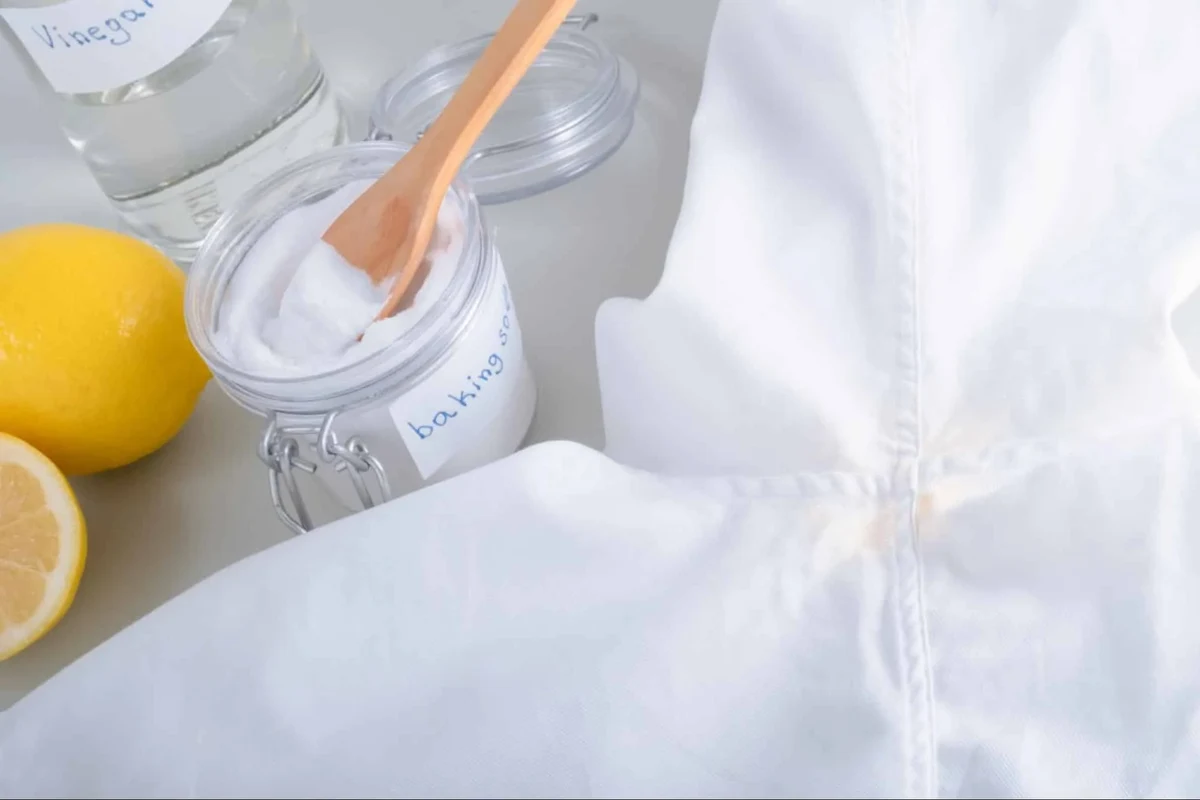
Baking soda, or sodium bicarbonate, is mildly alkaline. That matters because underarm buildup often includes sweat, body oils, deodorant ingredients, and odor compounds that cling to fabric fibers. The gentle alkalinity can help loosen that residue so detergent can rinse it away more easily.
It also helps with odor because it can absorb and neutralize some of the smells trapped in damp fabric. That is why baking soda is often used in laundry care, much like it is used in the kitchen to control strong odors. If you want more general guidance on how this ingredient behaves in practical home use, our ingredient safety discussion on common household concerns shows the same careful approach we use here: match the method to the material.
The science behind baking soda’s deodorizing and stain-lifting action
Armpit stains are usually a mix of sweat salts, skin oils, deodorant waxes, and sometimes antiperspirant compounds. Baking soda does not bleach fabric, but it can help break the grip of that buildup by changing the surface conditions on the cloth. In plain terms, it makes the residue less stubborn so washing works better.
The texture of a baking soda paste also gives it a mild scrubbing effect without the harshness of abrasive cleaners. That said, the paste should do the work, not your hands. Letting it sit is usually more effective than scrubbing hard.
What kinds of underarm buildup it can help with in 2026
Baking soda is most useful on fresh sweat marks, light yellowing, and deodorant transfer on collars and underarms. It can also help with lingering odor in gym shirts after a workout. For everyday laundry, that makes it a strong first step before moving to stronger stain removers.
It is less effective on heavily aged stains, fabric damage, or discoloration that has already been set by heat. If a shirt has been through a hot dryer several times with the stain still in place, the mark may be more permanent and may need a different treatment.
Heat can “set” many laundry stains by helping residue bind more tightly to fibers, which is why early treatment usually works better than waiting.
When Baking Soda Is a Good Fix for Armpit Stains—and When It Is Not
The best time to use baking soda is before a stain becomes old and deeply embedded. If you catch the mark early, you can often improve the look of the fabric with a simple paste or soak. If the stain is dark yellow, stiff, or has been heat-dried many times, baking soda may still help with odor but not fully remove the color.
Fresh sweat marks versus older yellow stains
Fresh sweat marks are usually easier because the residue has not fully bonded with the fabric. A short treatment can loosen the buildup before it hardens. Older yellow stains often contain oxidized body oils and deodorant ingredients, which can be much more stubborn.
With older stains, baking soda may soften the edges of the discoloration, but it may not erase it completely. If you see improvement after one treatment but not full removal, that is a sign the stain likely needs a stronger follow-up method.
Fabric types that respond well and fabrics that need extra caution
Cotton, cotton blends, polyester workout shirts, and many everyday tees usually respond well. These fabrics can handle a gentle paste or soak without much risk when treated carefully. Breathable athletic fabrics are often good candidates too, especially when odor is the main issue.
Delicates, silk, wool, rayon, and some dark or dyed fabrics need more caution. Baking soda can leave residue if it is not rinsed well, and repeated treatment can sometimes make color look dull. Always check the garment care label first.
Do not use baking soda on a garment without checking its care label, especially if the fabric is delicate, dry-clean-only, or prone to color loss. When in doubt, patch test on a hidden seam first.
Cases where baking soda should not be your first choice
If the shirt is dry-clean-only, has fragile trim, or includes leather, wool, or silk panels, start with a fabric-safe cleaner instead of baking soda. If the stain is very old and the fabric is white, oxygen bleach may be a better next step. For colored clothing, a test spot matters even more.
Also skip baking soda as your first move if the garment is already weakened, stretched, or pilled. In those cases, a gentle detergent soak may be safer than a paste that needs rubbing to remove.
How to Use Baking Soda on Armpit Stains Step by Step
The easiest method is a simple paste treatment. It works well for shirts, tees, and workout clothes when you want a quick pre-wash fix. Keep the application focused on the underarm area so you do not spread residue across the garment.
Basic paste method for shirts, tees, and workout clothes
Mix baking soda with a small amount of water until it looks like spreadable toothpaste. You want enough body that it stays on the stain instead of running off the fabric.
Spread the paste over the stain and slightly beyond the edges. A thin, even layer works better than a heavy clump.
Allow the paste to rest before washing so it can loosen residue. For most shirts, a short wait is enough; for heavier buildup, give it more time.
Rinse out the paste and wash the garment with regular detergent. Check the area before drying so you do not lock in any remaining discoloration.
Soak method for heavier buildup and set-in odor
For stronger odor or broader underarm buildup, mix baking soda into a basin of water and soak the garment. This method is useful when the stain is not just a spot but a larger ring of residue. It also gives the solution more contact time with the fibers.
Use enough water to fully cover the affected area, then agitate gently with your hands. Avoid twisting or wringing delicate cloth. If the smell is the main issue, a soak may help more than a paste alone.
For very stubborn odor, a second wash may work better than a longer scrub. Repeated gentle cleaning is often safer for fabric than one aggressive treatment.
Spot-treatment timing: how long to leave it on before washing
There is no single perfect time because fabric, stain age, and detergent all matter. In general, let the paste sit long enough to soften the residue, but do not let it dry into a thick crust for hours on delicate clothing. If the paste dries hard, rinse it out thoroughly before laundering.
For most washable shirts, a short pre-treatment window is usually enough to improve results. If the stain is still visible after washing, treat it again before machine drying.
Always inspect the underarm area after washing and before the dryer. Air-dry first if you are unsure, because heat can make a remaining stain much harder to remove later.
Measuring Baking Soda Correctly for Better Stain Removal
More baking soda is not always better. The right amount helps the paste cling to the stain and rinse out cleanly, while too much can leave a powdery film. The best ratio depends on whether you are making a paste, a soak, or a wash booster.
Common ratios for paste, pre-soak, and wash boost use
For paste treatment, start with just enough water to make a spreadable mixture. For soaking, use a smaller amount per basin of water so the solution stays mild and easy to rinse. As a laundry booster, baking soda is usually added directly to the wash according to the amount that dissolves well in your machine and load size.
Because washers, water hardness, and load size vary, it is smart to follow your detergent label and machine instructions. If your washer has a dispenser or a special cleaning cycle, check the manual before adding anything unusual.
Why too much baking soda can leave residue or dull fabric
Excess baking soda can cling to fibers and leave a chalky feel, especially on dark shirts. If it is not fully rinsed out, the garment may look dull or stiff after drying. That is one reason a light hand works better than a heavy application.
Residue can also interfere with detergent rinsing if the garment is overloaded with powder. If the shirt still feels gritty after treatment, rinse again before washing.
How to adjust amounts for light cotton versus thicker blends
Light cotton usually needs less paste because the fibers absorb moisture quickly. A thin layer can reach the stain without soaking the whole shirt. Thicker blends or heavier workout fabrics may hold more residue and can benefit from a little more contact time, not necessarily more powder.
For stretchy synthetic fabrics, keep the mixture gentle and avoid aggressive scrubbing. The goal is to lift buildup, not rough up the surface finish.
Common Mistakes That Make Armpit Stains Worse
Most laundry mistakes happen because people move too fast or use too much force. Armpit stains are especially easy to worsen if you rub them hard or dry them before checking the result. A careful pre-treatment usually gives better results than a rushed wash.
Using hot water too early
Hot water can help some laundry problems, but it can also set certain stains before they are removed. With underarm marks, start with cool or lukewarm water unless the care label says otherwise. Once the stain is gone, you can wash according to the garment’s instructions.
Rubbing aggressively instead of letting the paste work
Hard scrubbing can damage fibers and spread the stain outward. It may also create fuzzing on cotton or pilling on blends. A soft brush or cloth is enough for most jobs.
Use a gentle touch and keep cleaning products away from your eyes and broken skin. Wash your hands after treatment, especially if you are handling multiple garments in one session.
Mixing baking soda with the wrong products
Baking soda should not be mixed casually with random household cleaners. Some combinations are ineffective, and others can create irritating fumes or unstable mixtures. If you want to use another cleaner, check the product label and keep the treatment simple.
For laundry, it is usually safer to pair baking soda with water and regular detergent than to improvise with several cleaning agents at once.
Skipping a rinse or wash cycle after treatment
If you leave the paste in the fabric, it can dry into a crust and make the shirt feel stiff. A proper rinse or wash cycle helps remove both the stain residue and the baking soda itself. That final step is what makes the garment wearable again.
The underarm area looks cleaner but feels stiff or chalky after drying.
Too much baking soda or not enough rinsing is usually the cause. Rinse the garment well, then wash again with detergent if needed before drying.
Best Laundry and Fabric Care Practices After Baking Soda Treatment
The treatment itself is only half the job. Washing, rinsing, and drying correctly help finish the cleanup and prevent the stain from returning. This is especially important for athletic wear, which can hold odor even when the visible stain is lighter.
Washing temperature, detergent choice, and cycle selection
Use the temperature that the garment label allows, but start conservatively if the stain is still present. A good detergent matters because it carries away the loosened residue. For heavily soiled workout clothes, a normal or heavier cycle may clean better than a very short one.
If your washer has a pre-soak or extra rinse setting, that can help remove leftover baking soda and odor. Always match the cycle to the fabric, not just the stain.
Drying tips to avoid locking in remaining discoloration
Air-drying is the safest choice until you know the stain is gone. Once heat hits a remaining yellow mark, the stain can become much harder to lift. If the area still looks tinted after washing, treat it again before using the dryer.
For white shirts, this step is especially important because discoloration is easier to see after drying. For dark shirts, check under bright light so you do not miss a faint residue line.
How to treat white shirts, dark shirts, and athletic wear differently
White shirts can usually handle a more visible stain-removal routine, but they also show yellowing more clearly. Dark shirts need gentler handling because residue or fading may stand out differently. Athletic wear often needs odor-focused care because synthetic fibers can hold smell even when the fabric looks clean.
If you want more general guidance on appliance care and cleaning safety in the home, our air fryer basket cleaning guide follows the same principle: check the material first, then choose the gentlest effective method.
Safety, Fabric Sensitivity, and Smarter Alternatives for Tough Stains
Baking soda is a helpful household cleaner, but it is not the right answer for every garment or every stain. The safest approach is to match the cleaner to the fabric and the problem. That keeps you from trading a stain for fabric damage.
Patch testing on delicate fabrics and colored garments
Before treating a visible area, test a hidden seam or inside hem. Look for color change, texture changes, or residue after the fabric dries. This is especially important on dyed clothing, blends, and anything with a printed finish.
If the test area looks dull or rough, stop and choose a gentler method. A little caution can save a shirt you like.
When to use vinegar, enzyme detergent, or oxygen bleach instead
Vinegar can help with some odor issues, but it is not always the best choice for stain removal and should be used carefully with fabric care in mind. Enzyme detergents are often useful for body-based stains because they target organic residue. Oxygen bleach is commonly a stronger option for white or color-safe washable fabrics when the stain is set in.
If you are unsure, read the garment label and the cleaner label before combining methods. For serious set-in stains, a stronger product may work better than repeating baking soda many times.
- Gentle on many everyday washable fabrics
- Helps with odor and light buildup
- Low-cost and easy to find
- Not always strong enough for old yellow stains
- Can leave residue if overused
- Not ideal for delicate or dry-clean-only fabrics
Skin and household safety when handling repeated stain treatments
If you are treating several garments at once, keep the area ventilated and wash your hands afterward. Avoid getting paste in your eyes or on irritated skin. If a fabric treatment causes repeated skin irritation, stop using it and switch methods.
Household cleaners should be stored safely away from children and pets. When you are done, close the container tightly so moisture does not clump the powder.
Final Verdict: Is Baking Soda the Fastest Easy Solution for Armpit Stains?
For everyday laundry cleanup, baking soda is one of the easiest first-line fixes for baking soda armpit stains. It is especially useful when the stain is fresh, the odor is noticeable, and the fabric is a common washable material like cotton or a workout blend.
Still, it is not always the fastest answer for old yellow stains or delicate fabrics. In those cases, a better laundry strategy may be an enzyme detergent, oxygen bleach, or a gentler pre-soak. If you want the best result, treat early, use the right amount, and check the shirt before drying.
Baking soda is a practical, beginner-friendly option for light to moderate underarm stains, especially when you need a simple fix before a normal wash. For set-in discoloration, use it as a first step, not the only step.
For most people, the smartest plan is simple: pre-treat with baking soda, wash with a good detergent, air-dry until you confirm the stain is gone, and move to a stronger method only if needed. That approach saves time, protects fabric, and gives you the best chance of removing the mark without making it worse.
Frequently Asked Questions
A short pre-treatment is usually enough for fresh stains, but older buildup may need more time. Check the fabric before it dries hard, then rinse or wash the garment before drying.
It can help with light yellowing and fresh residue, but old set-in stains may not disappear fully. If the mark remains after washing, a stronger laundry treatment may be needed.
Often yes, but patch testing is important because some dyes and finishes can react differently. If the fabric looks dull or discolored after testing, choose a gentler method.
It is usually better to start with cool or lukewarm water unless the care label says otherwise. Hot water can set some stains before they are removed.
Baking soda can help neutralize odor, but detergent is still needed to remove loosened residue from the fabric. For strong odor, a soak plus a normal wash often works better than baking soda alone.
Oxygen bleach is often a better choice for stubborn set-in stains on white or color-safe washable fabrics. Always check the garment label and product instructions before using it.

